Older homes around Sacramento, Roseville, Elk Grove, and other nearby towns just weren’t built for the way we use electricity today. If you want to add outlets, run modern appliances, or make things safer, it’s smart to check your system’s capacity first and then make upgrades that actually protect your home and family.
The safest way to increase power access in older properties? Start with a full electrical safety review, fix outdated electrical system problems, and only upgrade what can truly support modern demand.
A good plan helps you avoid overloaded circuits, lower fire risks, and make room for future needs like EV chargers, surge protection, or whatever else might come up. Honest advice from a licensed electrician means you add convenience without losing sleep.
Key Takeaways
- Prioritize safety over shortcuts.
- Make upgrades that fit your home’s real capacity.
- Fix weak spots before piling on more load.
Spot The Warning Signs Before Adding More Power
Older homes tend to warn you before the electrical system hits its limit. If you see weird stuff with lights, outlets, or breakers, take it as a heads-up to check things out before adding anything new.
What Flickering And Dimming Lights Can Mean
When lights flicker or dim, it might mean loose connections, tired old wiring, or circuits already working overtime. Sure, it can look minor, but it often points to outdated wiring that needs a closer look before you ask for more.
If it happens when you start up a microwave, vacuum, or heater, that’s a pretty clear sign the circuit’s struggling. In older homes, ignoring that kind of stress just isn’t worth the risk.
Why Breaker Trips And Blown Fuses Matter
Breaker trips and circuit breaker trips basically mean a circuit’s overloaded or unsafe. Blown fuses in older setups are saying the same thing.
If you’re always resetting breakers or swapping fuses, the real problem’s still there. Frequent tripping usually means the wiring, circuit layout, or panel just can’t handle your daily power use anymore.
How Two-Prong Outlets And Old Wiring Limit Safe Power Access
Two-prong outlets show up a lot in older homes. Usually, that means there’s no proper grounding at that spot, which limits what you can plug in safely.
Old wiring—especially the kind missing insulation, grounding, or enough capacity—just can’t keep up with today’s needs. If your house still has these, it’s safest to get things checked before adding more outlets or gear.
Check Whether Your System Can Handle Modern Demand
Today’s households use way more electricity than homes were designed for decades ago. Think kitchen gadgets, home offices, chargers everywhere. Before adding new outlets or equipment, you need to know if your system can safely carry the load.
How Power-Hungry Appliances Strain Older Circuits
Big appliances—fridges, AC units, washers, dryers, space heaters, EV chargers—put a lot of strain on old circuits. A circuit that was fine for a lamp and TV might fall apart with a few high-demand devices plugged in.
When that happens, you might notice warm outlets, nuisance trips, or just things not working right. A house in Folsom or Carmichael might look fine but still desperately need an electrical upgrade to keep up.
When Overloaded Circuits Point To A Bigger Capacity Problem
Overloaded circuits aren’t just annoying—they’re a sign your home probably needs better load distribution, more circuits, or even a bigger service capacity.
If the same circuit keeps failing in different rooms, it’s probably not the appliances—it’s the system’s total capacity. That’s when a panel upgrade or electrical panel upgrade stops being cosmetic and actually becomes a safety upgrade.
Why The Electrical Panel Matters Before New Outlets Or Equipment
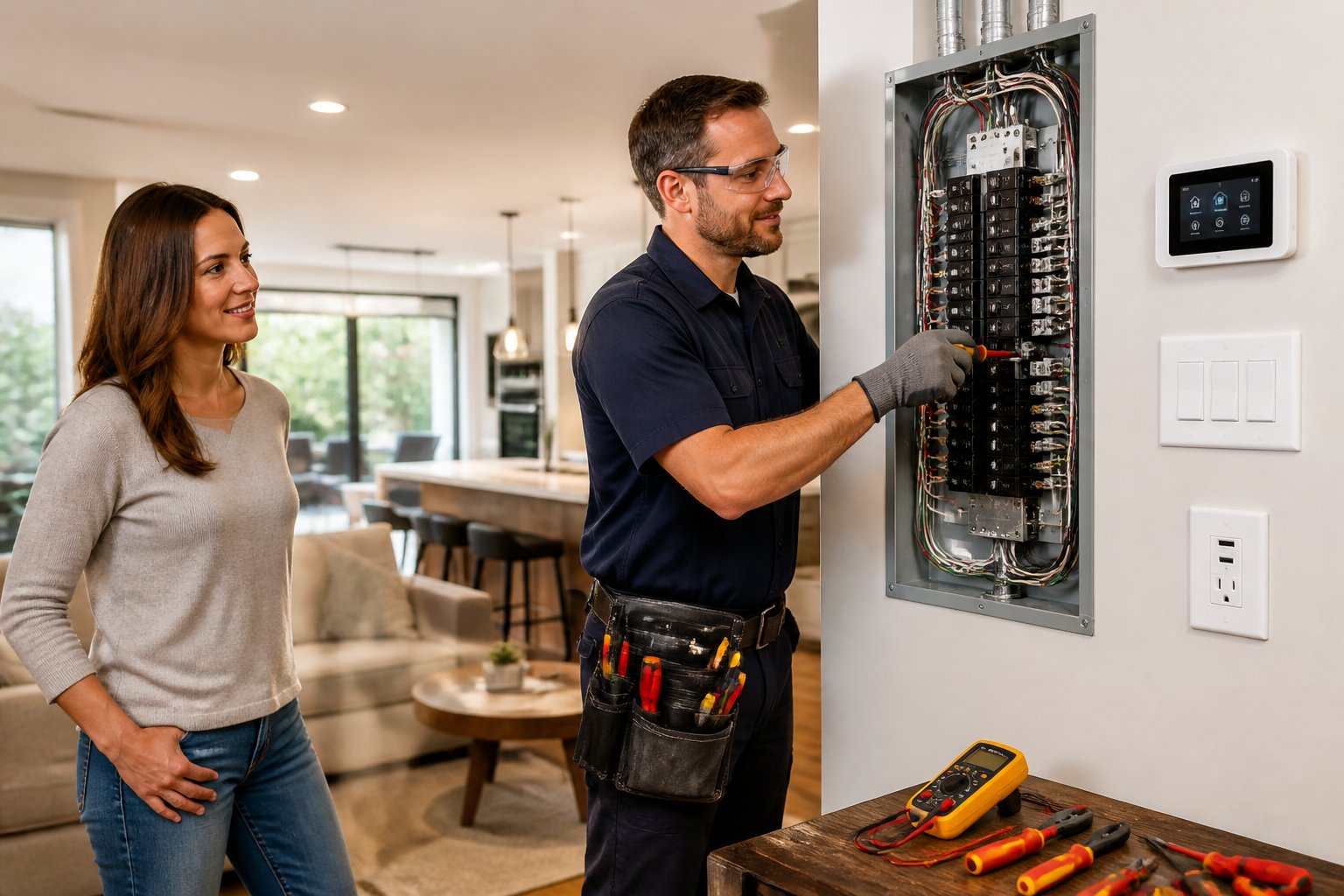
The electrical panel splits up your home’s power, so you need to check it before adding new outlets or big appliances. If the panel’s too small, full, or just outdated, new circuits won’t fix the real problem.
A licensed electrician can look at the panel’s condition, space, and service size to see if you need an upgrade. That helps you plan for the long run—not just patch things up for now.
Upgrade Wiring And Grounding Where It Matters Most
Some older homes need more than a couple of new outlets—especially if the wiring itself is outdated. When the backbone of your system is weak, rewiring and grounding upgrades are where you get the most bang for your buck in safety and reliability.
When Rewiring An Old House Is The Safest Option
Rewiring an old house makes sense when the wiring’s damaged, ungrounded, or just can’t keep up with what you need. Sometimes, repairs only patch up a system that’s way past its prime.
It might sound like a big job, but it gives you a solid base for lights, appliances, and future upgrades. In older Sacramento-area homes, it’s often worth it for fewer surprises and better peace of mind.
Risks Of Knob And Tube Wiring And Aluminum Wiring
Knob and tube wiring was never meant for today’s heavy loads, and it gets even riskier as insulation wears out or gets buried under new materials. Aluminum wiring comes with its own headaches—especially at connections that can loosen or overheat.
If you find either type, it’s time for a professional inspection before adding more circuits or outlets.
Why Copper Wiring And Proper Grounding Improve Reliability
Copper wiring holds up better for most homes, especially with proper grounding. Grounding gives stray current somewhere safe to go, which protects people and gear.
Once grounding’s fixed, outlets and circuits usually get more stable and safer to use. That’s a big deal in older homes where everything from gadgets to appliances depends on clean, solid power.
Add Safer Access With Modern Outlets And Protection
New outlets can make life easier—especially if you’re stuck using extension cords and overloaded power strips in every room. But you need to add them in the right spots, with the right protection, so you don’t create new hazards in the process.
Where Outlet Installation Solves Extension Cord Problems
Getting outlets professionally installed gets rid of cords running across floors, overloaded strips, and those “temporary” setups that end up lasting for years. That’s especially nice in older homes that just don’t have enough receptacles.
If you’re always shuffling plugs around, adding the right circuits can make a room safer and more usable. Good electricians can usually work around your schedule and keep the mess to a minimum.
When To Use GFCI Outlets And GFCI Protection
GFCI outlets and GFCI protection matter most where water and electricity might mix—think kitchens, bathrooms, garages, laundry rooms, and outside. A ground fault circuit interrupter cuts power fast if it spots a dangerous imbalance.
That’s extra valuable in older places where some circuits never met modern standards. It’s a smart upgrade for family safety and often brings older rooms closer to current code.
How Arc Fault Circuit Interrupter Devices Improve Bedroom And Living Area Safety
Arc fault circuit interrupters (AFCIs) watch for dangerous arcing in wiring—something that can show up in bedrooms, halls, family rooms, and other living areas with hidden problems.
They add another layer of fire protection by shutting off power if they spot trouble. If you’re already planning outlet or circuit work, adding this protection just makes sense.
Plan Future-Ready Improvements Instead Of Quick Fixes
Quick fixes can get you by, but older homes usually do better with electrical upgrades that support what’s coming next. Planning ahead means you don’t have to redo the same repair every year.
When A Panel Upgrade Supports New Appliances And Equipment
A panel upgrade’s often the way to go if you want to add new appliances, a hot tub, an EV charger, or anything else that draws a lot of power. If your panel can’t keep up, you’ll just end up with more trips and headaches.
Upgrading the panel also gives you room for future projects, which is great if you’re modernizing a home in Rocklin, Natomas, or El Dorado Hills. You’ll have more flexibility now and less risk as your needs grow.
How Surge Protection Helps Protect Electronics And Appliances
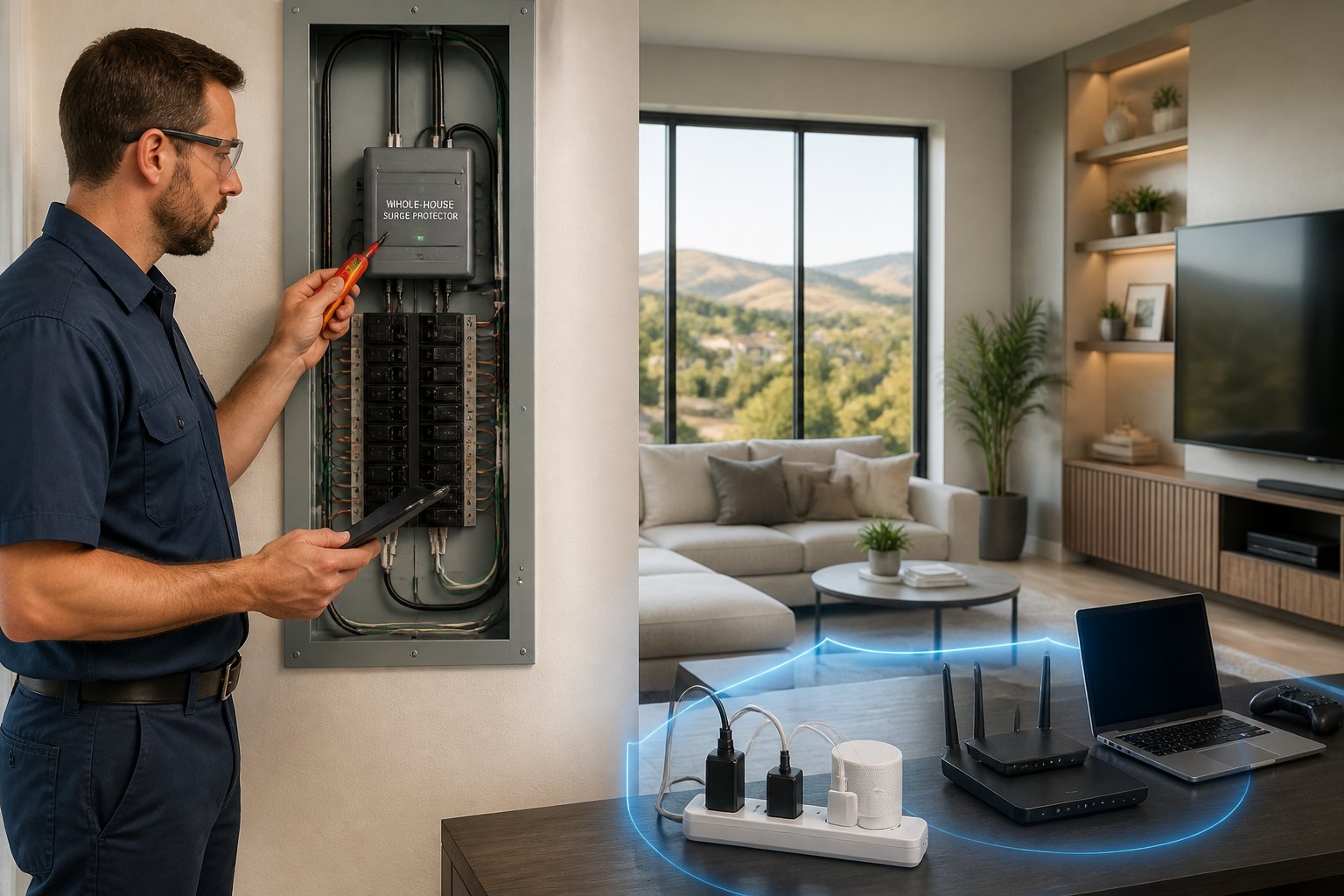
Surge protection shields electronics and appliances from sudden voltage spikes—whether from the utility, something inside the house, or nearby electrical activity. That’s a big deal in older homes, where your gadgets may be worth more than the wiring itself.
Whole-home surge protection helps prevent damage to TVs, computers, appliances, and smart home devices. It’s a small investment that protects a lot.
Where Structured Wiring Fits Into A More Functional Older Home
Structured wiring organizes internet, communication, and low-voltage needs so your home can handle modern life without the tangle. It doesn’t replace your main electrical system, but it works well alongside upgrades that make things more functional.
If you’re remodeling or adding smart outlets, cameras, or network gear, structured wiring keeps things tidier and more consistent. It helps older homes feel more usable—without losing their charm.
Work With A Licensed Electrician And Follow Code
Older homes deserve careful work—not guesswork. The safest way to boost electrical access is to have a licensed electrician check things out, explain your options, and do the work up to current standards.
Why A Licensed Electrician Should Inspect Older Systems First
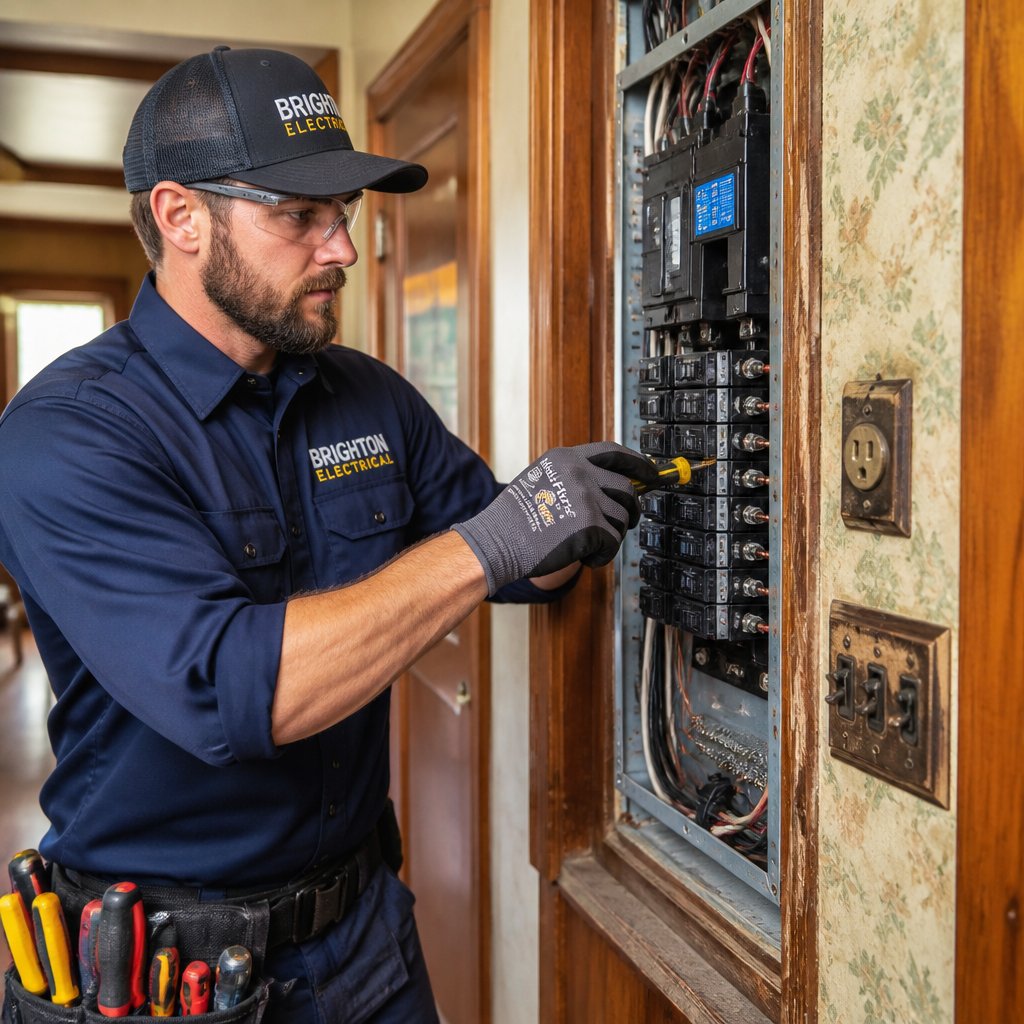
A licensed electrician can spot hidden issues like overloaded circuits, weak grounding, and aging parts before you add more demand. That first inspection saves you from wasting money on upgrades your system can’t safely handle.
If you need same-day service in Sacramento, Roseville, or nearby, a pro with a stocked truck can often go from diagnosis to repair pretty quickly. That keeps things safer and less of a hassle.
How Professional Electrician Recommendations Improve Safety And Clarity
A good electrician will help you separate what needs fixing now from what can wait. Clear, honest advice matters when you want flat-rate pricing and a real plan—not just vague suggestions.
You should get straightforward info on what’s urgent, what’s optional, and what helps your home stay reliable. AAA Electrical Services focuses on safety, clean work, and long-term value—just how it should be.
Why Electrical Codes Matter For Permits, Insurance, And Long-Term Peace Of Mind
Electrical codes exist to protect your home, your family, and anyone working on the system in the future. When work’s done to code, it’s easier to pass inspections and document things for insurance or resale.
Code-compliant work also means you’re less likely to see hidden problems pop up later. For older homes, that peace of mind is worth as much as the extra power itself.
Frequently Asked Questions
How can I tell if my home’s electrical system needs an upgrade?
You might need an upgrade if you see frequent breaker trips, dimming lights, buzzing outlets, warm switches, or two-prong outlets in important rooms. If running everyday appliances is a struggle, an inspection can help you figure out if it’s an age or capacity issue—or both.
What are the warning signs that my existing wiring can’t handle more electrical load?
If your lights flicker, fuses blow, or outlets feel stressed, those are all warning signs. If plugging in one more thing makes it worse, your wiring’s probably at its limit.
Do I need to rewire my house if it’s more than 25 years old?
Not always, but age alone’s a good reason to get things checked. Rewiring becomes more likely if you’ve got knob and tube wiring, aluminum wiring, damaged insulation, or recurring safety issues.
What’s the safest way to add new outlets and circuits in an older home?
The safest move is to have a licensed electrician inspect your panel, check circuit capacity, and install outlets with the right protection. That might mean GFCI outlets, arc fault protection, or new dedicated circuits—depends on the room and what you want to run.
How do I know if my electrical panel can support additional circuits or higher amp service?
Start by checking the panel’s current rating, the number of open slots, and its general shape. If you see it’s packed tight, looks worn out, or trips a lot, you’re probably looking at an upgrade before you can safely add more circuits or bump up the service.
What permits and inspections are typically required for electrical upgrades in older properties?
If you're thinking about upgrading an electrical panel, adding new circuits, or tackling serious rewiring in an older home, you'll almost always need permits and inspections. These steps make sure everything's up to code and, well, not dangerous. Usually, a licensed electrician takes care of the paperwork and walks you through what your city or county wants before anyone picks up a tool. It's a bit of a hassle, but it's there for a reason.