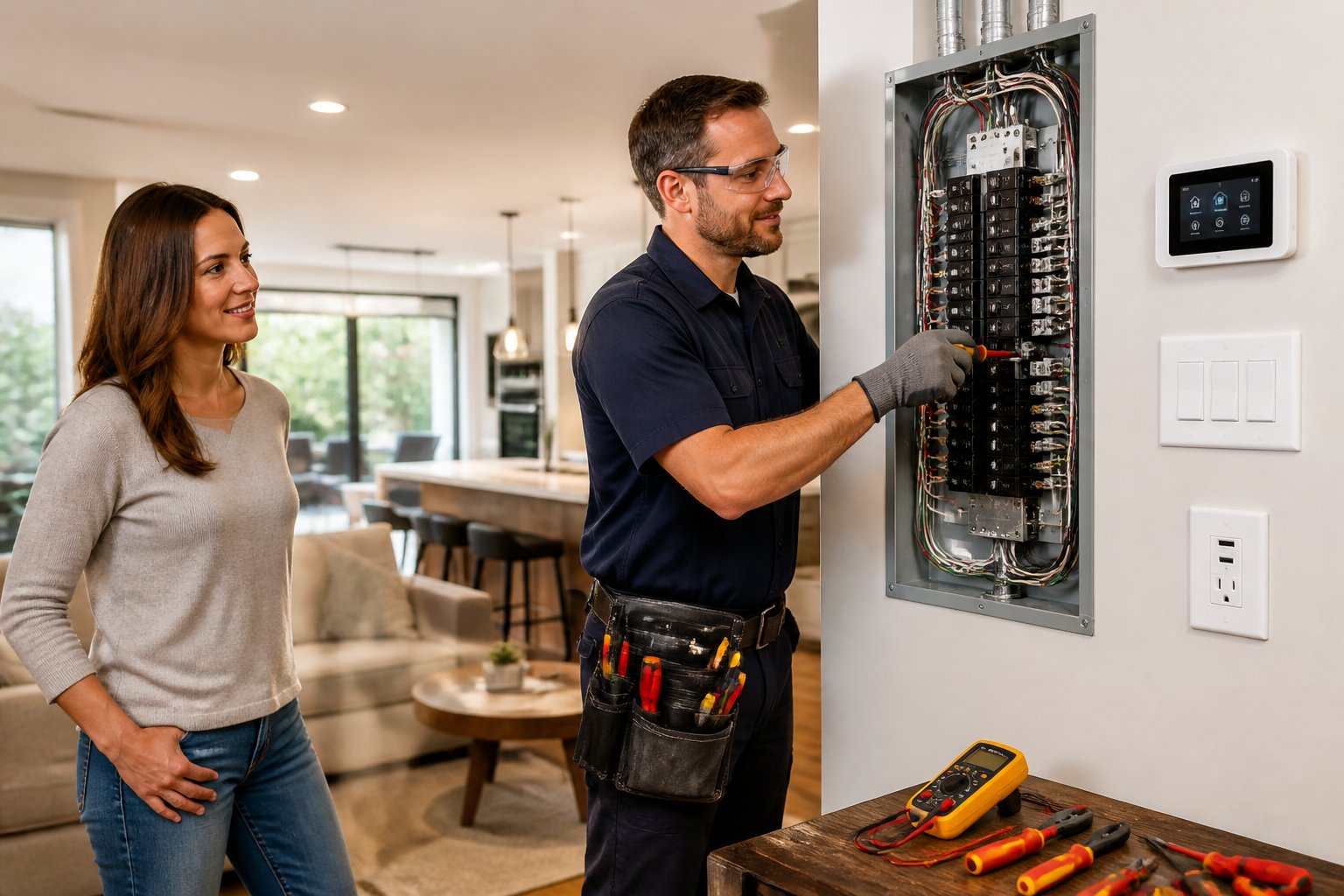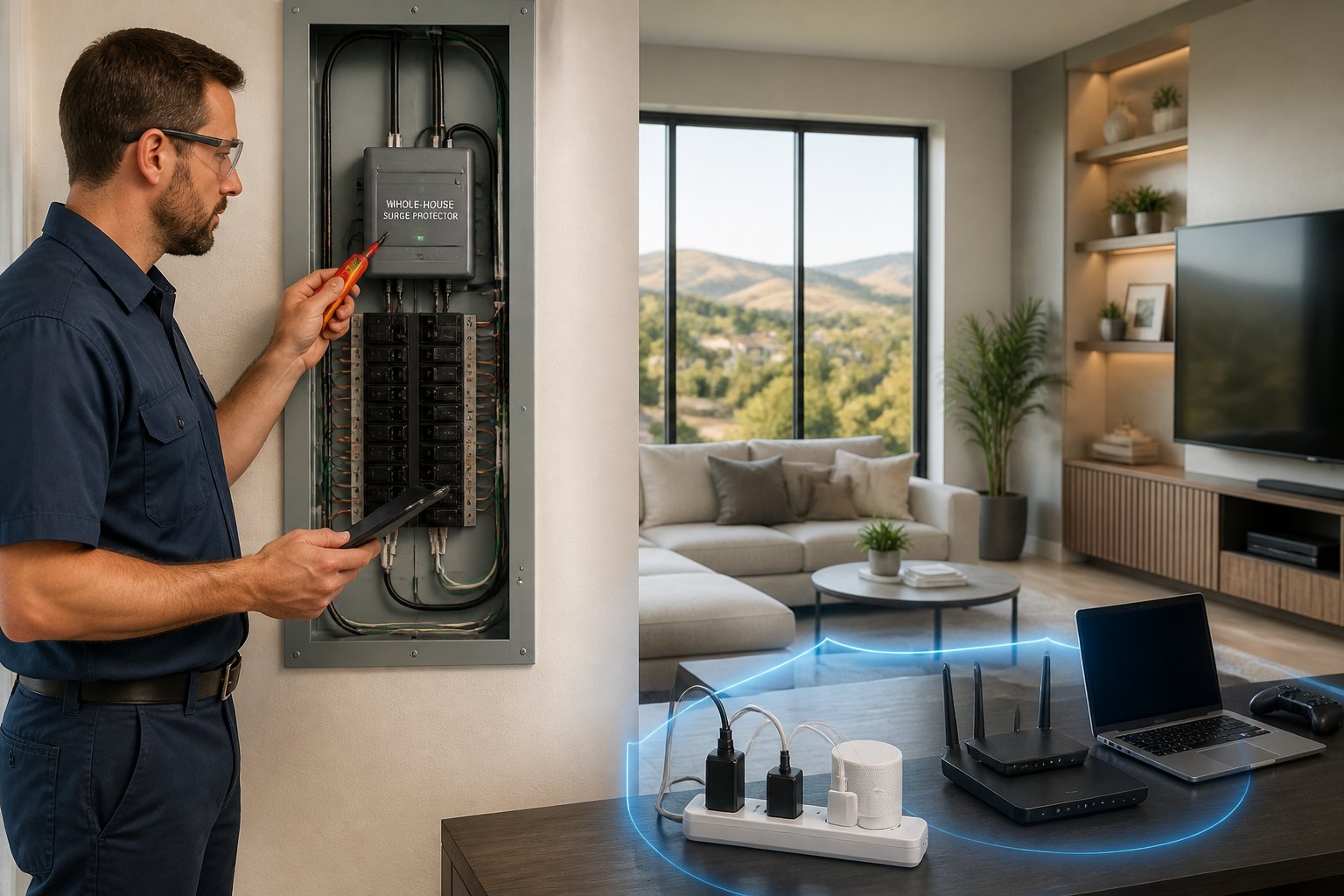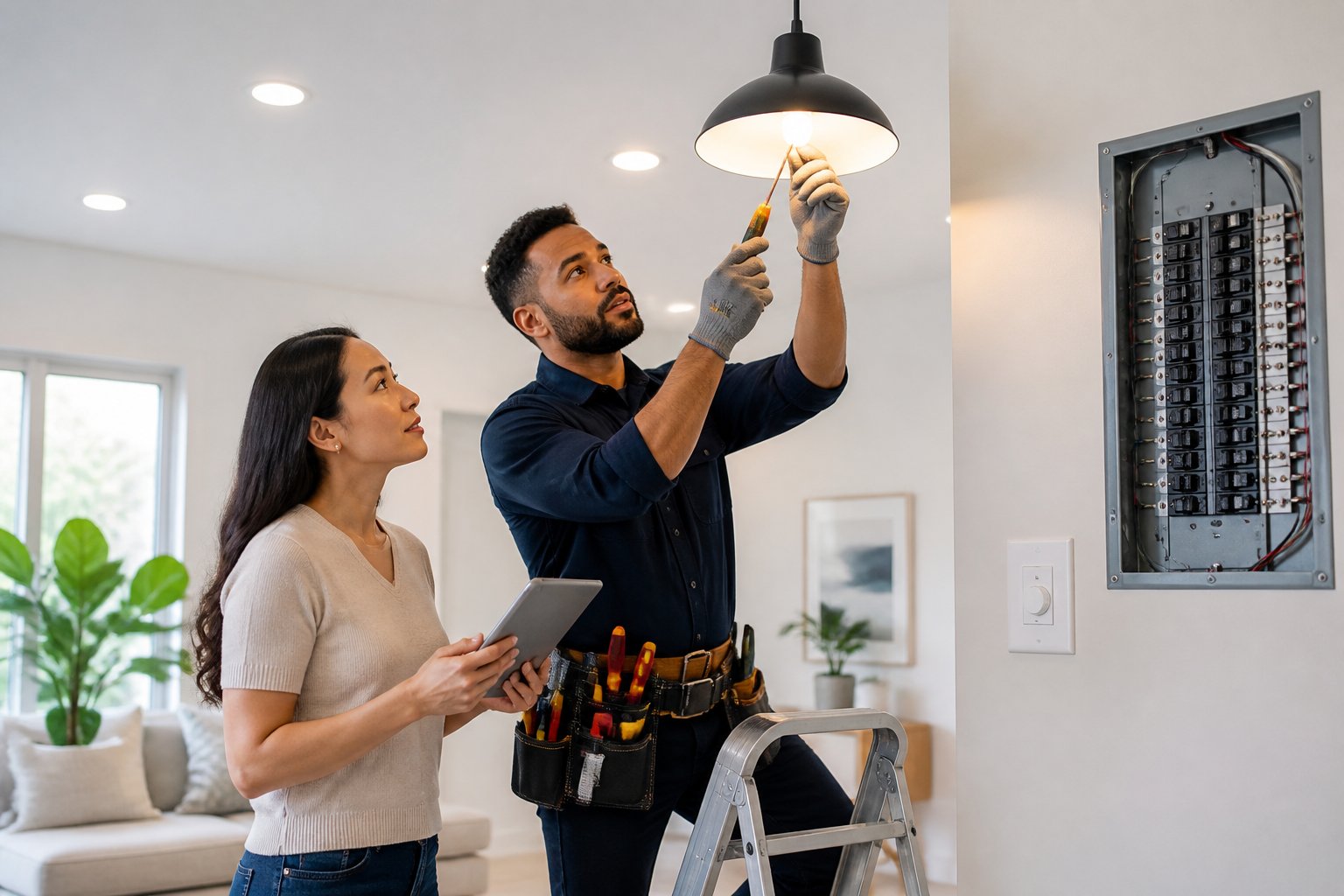
Upgrading your lighting can make your home safer and more energy-efficient, but you’ve got to do it without overloading your circuits. Planning upgrades and spreading out your electrical load helps you avoid tripping breakers or dealing with damage. Sometimes, you’ll need to add new circuits or upgrade your panel to keep things running smoothly.
If you’re adding new fixtures, ceiling fans, or swapping in LED lights, don’t just plug everything into the same outlet or power strip. Overloading can cause flickering, breaker trips, or even fire hazards. AAA Electrical Services, with over 40 years in the business, offers same-day help in Sacramento and nearby areas—they’ll guide you through safe lighting upgrades so you get peace of mind along with better light.
By balancing power use and picking the right upgrades, you can brighten up your home without stressing your circuits. Want smart lighting or just a better setup? Trusted pros can make sure your electrical system’s ready for whatever you’ve got planned.
Understanding Electrical Circuit Limits
When you’re thinking about lighting upgrades, it’s worth knowing how much power your circuits can actually handle. That means understanding the basics—how household circuits work, what amps, watts, and volts are, and how to spot when a circuit’s starting to get overloaded. Paying attention to this stuff helps you sidestep tripped breakers and bigger electrical headaches.
How Household Circuits Work
Your home’s electrical system is split into circuits, each with its own breaker or fuse. These circuits carry electricity from the main panel to your outlets and lights. Each one is built to handle a set amount of current (amps).
Add more lighting or outlets, and you’re upping the load on that circuit. Go over the limit and the breaker trips to stop things from overheating. That’s your home’s way of preventing electrical fires. So, yeah, knowing how many lights or devices a circuit can handle is a big deal.
Amps, Watts, and Voltage Explained
Getting a grip on these terms helps you figure out your circuit’s capacity.
- Voltage (V): Think of this as the pressure pushing electrical current through wires.
- Amps (A): This measures how much current is flowing.
- Watts (W): The total power used. You get this by multiplying volts by amps (W = V × A).
Say you’ve got a 15-amp circuit at 120 volts—that’s about 1,800 watts. When you’re adding lights, check the wattage of each bulb so you don’t go over. Stack too many on, and you’ll blow past what the circuit can safely handle.
Recognizing Circuit Overload Warning Signs
Overloads aren’t always sudden. You might notice flickering lights, breakers that trip a lot, or outlets that feel warm. These are clues your circuit’s struggling.
Don’t ignore these. They can lead to burned wires or even fires. If you notice any of this, call in a pro like AAA Electrical Services. Their techs can check things out, recommend upgrades, and get your home safe again—often the same day if you’re in Sacramento.
Evaluating Your Current Lighting Setup
Before you dive into lighting upgrades, check what you already have. Knowing your fixtures, how much juice they use, and the state of your switches and wiring helps you steer clear of overloaded circuits.
Identifying Fixtures and Bulb Types
Start by making a list of all the light fixtures in the area you want to upgrade. Note what kind of bulbs they use—LED, CFL, incandescent, or halogen. LEDs use way less power than incandescents, so swapping them in can lower your load without changing fixtures.
Check the wattage on each bulb. Those old bulbs can be real watt hogs, especially if you’ve got a bunch.
And don’t forget about dimmers or specialty bulbs. Some dimmers only work with certain bulbs. Getting the right match keeps things working smoothly—no annoying flicker or burnt-out switches.
Calculating Existing Load
Add up the wattage for all bulbs on a single circuit. That’ll tell you how much load you’re putting on it. For example, ten 60-watt bulbs on one circuit? That’s 600 watts.
Now, compare that to your circuit’s capacity—usually 15 or 20 amps. A 15-amp circuit handles about 1,800 watts. If your total is close to or over that, you’re asking for trouble. That’s a red flag that you might need wiring or panel upgrades before adding more lights.
Assessing Switches and Wiring Conditions
Take a look at your light switches. Do they work smoothly, or do you hear buzzing, see flickering, or feel warmth? Those are often signs of worn-out switches or bad connections.
Check any visible wiring for cracks, damage, or discoloration. Old or frayed wires can start fires. If you spot anything weird—or just aren’t sure—call a licensed electrician like AAA Electrical Services.
Their folks focus on safety and offer same-day service with honest pricing. Getting your switches and wiring checked now beats dealing with emergencies later.
Smart Strategies for Lighting Upgrades
Upgrading your lighting is really about finding the sweet spot between better light and safe power use. If you don’t want to overload your circuits, try using energy-saving bulbs, swapping out heavy fixtures, and planning your lighting in layers. These steps help keep your home bright and your electrical system happy.
Choosing Low-Energy LED Options
Low-energy LED bulbs use way less electricity than old-school bulbs. They can cut your lighting power use in half or more, so your circuits aren’t working as hard. Plus, LEDs last longer—you won’t be swapping bulbs every few months.
When picking LEDs, check wattage and brightness. You want bulbs that do the job without wasting energy. Pair them with smart controls so lights turn off on their own—less waste, fewer overloads. This setup is especially handy if you’ve got a bunch of lights in one spot.
AAA Electrical Services can help you pick and install LEDs safely, drawing on decades of experience in Sacramento and nearby towns.
Replacing High-Wattage Fixtures
Old fixtures often use high-wattage bulbs that suck up a lot of power. Swap those for modern, lower-wattage fixtures and you’ll lighten the load on your circuits. It’s a smart move to avoid breaker trips.
Look for fixtures with bulbs under 60 watts, or those made for LEDs—they give you plenty of light with less draw. If you need things really bright, try LED fixtures with several low-watt bulbs. You get the light you want without stressing your circuits.
Cutting wattage in your fixtures makes your electrical system more reliable and can even lower your bills. Licensed pros like AAA Electrical Services make sure your new fixtures fit safely on your existing circuits.
Layering Lighting for Best Results
Layering light means using different types of lights instead of just one super-bright fixture. Mix ambient, task, and accent lighting to get balanced light without cranking up the wattage.
For example, use ceiling lights for general light, desk lamps for tasks, and wall sconces or strips to highlight areas. This spreads out the power use and lowers the chance of overloading one circuit.
Smart switches or dimmers let you dial the light up or down, so you’re not always running things at full blast. It’s a good way to keep circuits safe and bills lower.
Figuring out the best lighting plan can get tricky. Working with licensed electricians helps you avoid headaches and keeps your upgrades smooth.
Safely Managing Circuit Load During Upgrades
When you’re upgrading your lighting, it’s crucial to keep the electrical load balanced. You don’t want overloaded circuits causing breaker trips or worse. There are ways to spread out power use, control when your lights run, and know when to call in the experts.
Distributing Power Across Multiple Circuits
One of the safest moves? Spread your lighting load over several circuits. Don’t dump all your new lights onto a single breaker—split them up.
Use a circuit map to figure out which circuits are already busy. Adding lights to a lightly used circuit helps keep things safe.
If breakers trip a lot, it’s usually because too much is running at once. Balancing the load avoids this and keeps things safer.
Sometimes, you’ll need to add new circuits. That might mean a panel upgrade, so your system can handle more without risk.
Using Timers and Smart Controls
Timers and smart lighting controls let you manage when and how your lights use power. Set outdoor lights to turn off during the day or use dimmers to lower brightness.
Smart switches and plugs can cut down power use during peak hours and let you control things remotely. Only run lights when you need them.
These don’t add more circuits, but they help you use power smarter. Less chance of tripping breakers because too many lights are on at once.
Hiring a Licensed Electrician When Needed
Sometimes, upgrading lighting and managing loads safely means bringing in a pro. Licensed electricians at AAA Electrical Services have decades of experience with panel upgrades, circuit balancing, and breaker installs.
They make sure everything’s up to code. That keeps your family and your home safe. A good electrician can also catch problems before they turn into hazards.
Plus, you get fast, honest service—no surprises. AAA Electrical Services stocks their vans and offers same-day help across Sacramento and nearby areas. They put your family’s safety first.
Preventive Maintenance and Long-Term Lighting Efficiency
Keeping your lighting system running smoothly isn’t just about swapping bulbs. Regular checkups, panel upgrades, and following the rules help prevent problems and keep energy use down.
Regular Safety Inspections
Getting your lighting system inspected regularly is smart. Inspections catch wiring, fixture, or breaker issues before they become big problems. This helps you avoid overloads and fire risks.
During an inspection, pros look for loose connections, outdated parts, or inefficient bulbs. Swapping out old stuff keeps things safe and efficient.
Setting up yearly or bi-yearly safety checks with AAA Electrical Services means you’re looking after your home. Their licensed techs take a “safety-first” approach.
Upgrading Electrical Panels for Future Needs
Older panels might not keep up with today’s energy needs, especially if you’re adding efficient lighting or more gadgets. Upgrading your panel means your system can handle new fixtures without overload.
A modern panel balances electricity and helps prevent outages. It also makes adding new lights or smart controls down the road way easier.
If you’re planning on LEDs or smart switches, talk to AAA Electrical Services about a panel upgrade. Their certified techs can help future-proof your home and keep things safe.
Staying Compliant With Local Codes
Electrical codes are there to keep your home safe and up to date. When you upgrade lighting, following local codes makes sure everything’s safe and efficient.
Skip the rules and you might end up with fines, delays, or unsafe wiring. A pro knows what’s required in Sacramento and nearby areas like Roseville and Elk Grove.
AAA Electrical Services stays on top of code changes. They handle permits and inspections as part of their flat-rate service, so you don’t get hit with surprise fees. That keeps your upgrades smooth and legal.
Frequently Asked Questions
Upgrading lighting adds electrical load, so you’ve got to keep circuits balanced and avoid overloads. Spotting warning signs and knowing what safety steps to take makes a big difference in protecting your home and family.
How can I safely upgrade my home lighting without risking an overloaded circuit?
First things first—check your circuit’s capacity before adding any new lights. LED bulbs are a smart pick since they use way less power. Don’t cram too many fixtures onto a single circuit, though. If you’re not sure or just want peace of mind, an electrician from AAA Electrical Services can come by, look things over, and offer some upgrade ideas.
What are some signs that indicate a circuit is overloaded, even if the breaker hasn't tripped?
Keep an eye out for lights that dim or flicker when you turn on several devices. Outlets or switches that feel warm? Not a great sign. If you catch a burning smell, don’t ignore it. And if breakers keep tripping, it’s time to act.
Are there any steps to fixing a circuit overload myself before calling in a professional?
Try unplugging a few things or moving lamps and appliances to outlets on different circuits. Don’t run a bunch of high-power devices in the same spot all at once. If you’re still having issues, honestly, it’s probably time to get a pro to check your panel or wiring.
Can installing LED lights help reduce the risk of overloading my home's electrical circuits?
Absolutely—LEDs use a fraction of the electricity compared to old-school bulbs. That means less strain on your circuits and fewer frequent breaker trips. Plus, you’ll notice a drop in your energy bills.
What precautions should I take when adding new lights to ensure I don't split or overload my circuit?
Figure out how many amps your circuit can handle. Don’t “daisy-chain” too many lights or gadgets onto one breaker—it’s just asking for trouble. If you want to play it safe or need more capacity, AAA Electrical Services can upgrade your panel or add a new circuit for you. Keeps things running smoothly and safely.
Is it necessary to upgrade my circuit breaker if I plan to enhance my lighting setup?
If your home’s electrical panel is already outdated or you notice it gets overloaded a lot, you might need to upgrade the breaker before adding more lights. It’s usually best to have a licensed electrician take a look—they’ll spot potential issues and give you honest advice about what’s actually necessary for safety and performance.