You probably don’t think about your electrical panel until something goes wrong, but it’s basically the heart of your home’s power system. The electrical panel—sometimes called a breaker panel, breaker box, load center, or distribution board—decides how electricity gets safely split up for everything in your house.
If your lights flicker, breakers trip a lot, or you’re adding big appliances, it’s good to know when a quick fix will do and when a full replacement is just safer.
For folks in Sacramento, Roseville, Elk Grove, Folsom, and nearby spots, making the right call usually comes down to safety, capacity, and how old your setup is. A licensed electrician can help you weigh your options, walk you through the risks, and suggest what’ll work for your home over the long haul.
Key Takeaways
- Warning signs usually show up before things fail completely.
- The right panel size depends on what your home actually uses.
- Professional work keeps your family and house safer.
Signs Your Panel May Need Replacement
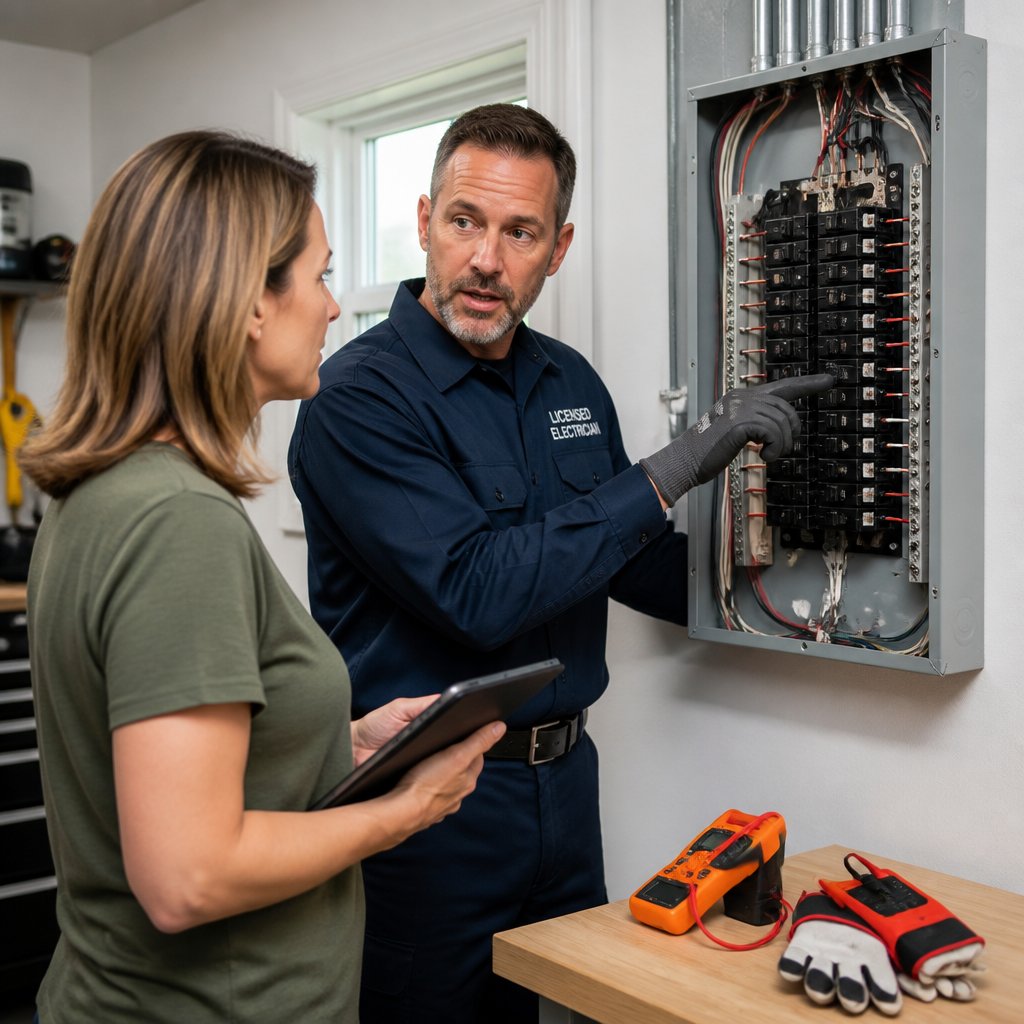
Electrical problems often start off small and get worse as the panel ages or your home outgrows what the panel was designed for. If you notice breakers tripping regularly, lights acting weird, heat, or equipment that just seems old, it’s time to have a licensed electrician take a look.
Frequent Breaker Trips And Tripped Breakers
When breakers keep shutting off, your panel might be warning you that something’s overloaded, worn out, or just not up to the job anymore. This could mean an appliance is pulling too much power, there’s a wiring problem, or maybe even a ground fault.
If it’s happening in more than one room, the issue probably goes beyond a single circuit. In that case, a professional electrician should figure out if a repair will cut it or if the panel itself is turning into a safety risk.
Flickering Lights, Dimming Lights, And Power Changes
If your lights flicker or dim—especially when big appliances kick on or several rooms lose steady power at once—your system might be having trouble keeping up.
These changes can mean loose connections, an old panel, or wiring that’s seen better days. If you notice it happening a lot, get your home checked before it spreads to more circuits.
Burning Smell, Heat, Or Other Electrical Hazards
A burning smell near the panel is a big red flag—don’t ignore it. Heat, buzzing, scorch marks, or breakers tripping over and over all point to hazards that put your home and family at risk.
Problems like these can come from worn-out parts, bad connections, or hidden faults in the panel or nearby wiring. If you spot anything weird, call a licensed electrician for same-day service. Don’t wait for it to get worse.
Outdated Electrical Panel, Fuse Box, And Aging Wiring
Older panels might not handle today’s appliances, EV chargers, or just the general load of modern life. Some homes still have fuse boxes or panels that just don’t meet current safety standards.
Old wiring adds even more stress—especially if both the panel and wiring have been around for decades. If your place has old parts, get a full evaluation to help decide if you need a repair, a panel upgrade, or maybe even more.
How To Choose The Right Upgrade For Your Home
Picking an electrical panel upgrade starts with how much power you use now and what you might add later. The best panel supports modern energy needs, helps with energy efficiency when possible, and leaves room for new circuits—so you’re not always fighting breaker issues.
When A 200 Amp Panel Makes Sense
A 200 amp panel is a solid choice for homes with central air, electric cooking, laundry, and heavy-duty electronics. It’s also smart if you’re planning for an EV charger, generator, solar, or any new big load.
A lot of older homes around Sacramento were built with smaller service sizes that just don’t cut it anymore. If your panel is maxed out, moving up to 200 amps can mean steadier power and fewer headaches.
Main Breaker Panels, Main Lug Panels, And Subpanels
A main breaker panel lets you shut off all power from one spot—pretty handy. Main lug panels don’t have the main breaker in the same box, so you’ll find them in setups where there’s already another disconnect. Subpanels come in handy if you need more circuits for a garage, addition, workshop, or EV charger.
Panel Selection For Modern Energy Demands
Your panel should fit how you live now, not how the house worked decades ago. If you’ve got heat pumps, smart home stuff, new kitchens, or a bunch of entertainment gear, you probably need more space and better planning than an old breaker box can give.
A professional electrician can review what you use now, what you want to add, and any signs of overload. That way, you can pick a panel that keeps things safe and convenient—and maybe even saves some energy.
Planning For EV Chargers, Generators, Solar, And Future Circuits
If you’re thinking about adding an EV charger, generator, solar, or even just extra rooms, planning ahead is key. Those upgrades need space, more capacity, and careful coordination with your main panel.
Doing it now can save you from repeating the process later. If you’re in Sacramento, Folsom, Roseville, or nearby, AAA Electrical Services can help you figure out capacity, load balance, and the easiest way to expand reliably.
What Happens During The Panel Replacement Process
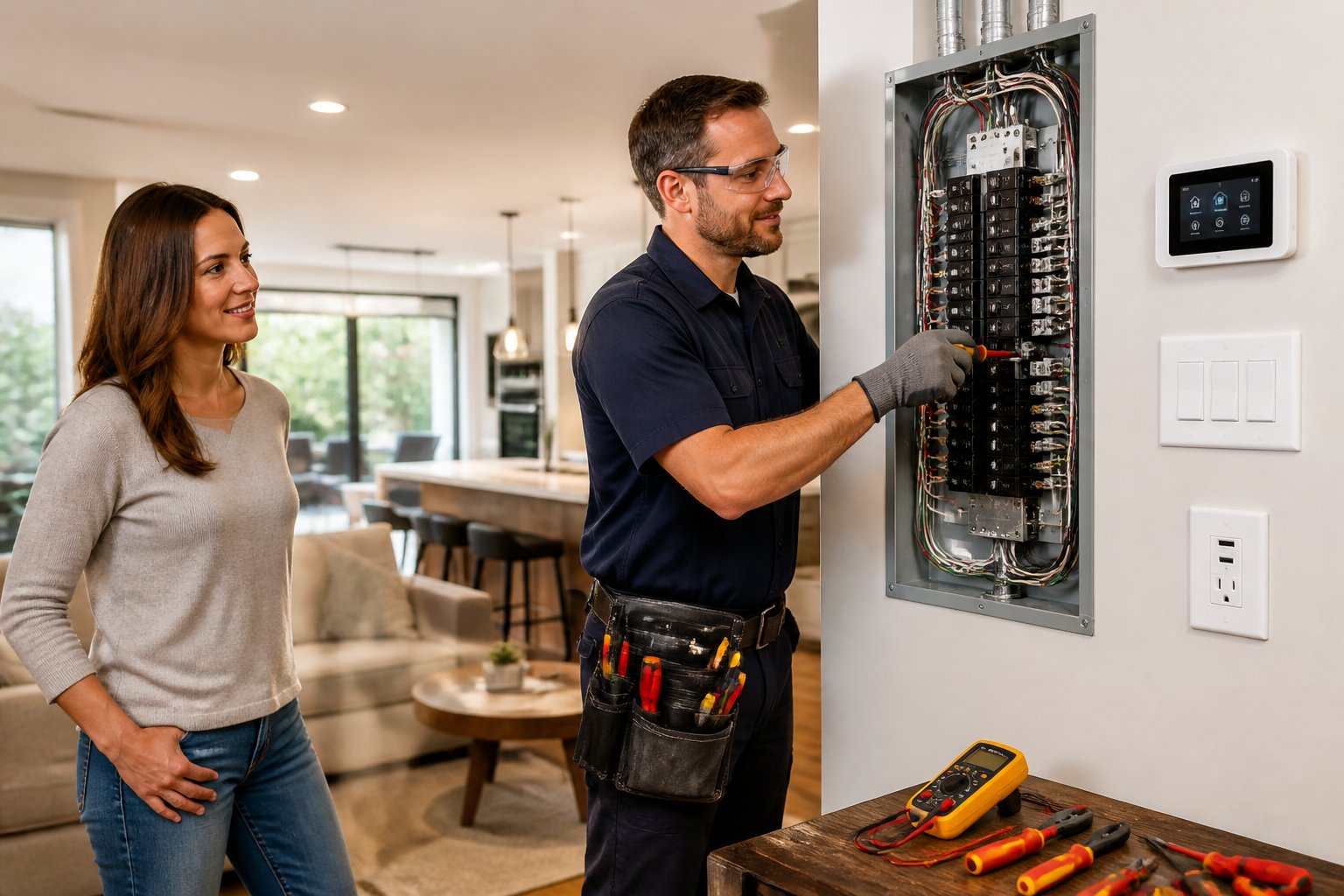
A panel replacement doesn’t have to be stressful. The process usually involves planning, shutting off power, removing the old panel, installing the new one, and double-checking everything before the lights come back on.
Inspection, Load Review, And Panel Schedule Planning
Before anything starts, the electrician checks your setup, reviews how much power you use, and plans out where every circuit will go. This helps make sure the new panel will solve your problems and handle future needs.
They’ll also check the neutral and ground bars, the grounding electrode, and nearby wiring. Catching issues early helps avoid surprises once they start swapping things out.
Power Shutoff, Removal, And Panel Installation
During installation, the crew shuts off power so they can work safely. They’ll take off the panel cover, disconnect the old stuff, and install the new equipment—paying close attention to wiring, grounding, and where each circuit lands.
It’s not just a matter of swapping boxes. The process has to protect your home and everyone in it.
Circuit Testing, Labeling, And Final Safety Checks
After the new panel’s in, the electrician tests each breaker and circuit to make sure everything works. They’ll label the panel schedule so you know what controls what.
Final safety checks include grounding, making sure everything runs right, and confirming the new setup is ready for regular use. A good crew will tidy up and explain what they did before heading out.
Permits, Codes, And Why Professional Installation Matters
Panel work is heavily regulated because it affects your whole home’s safety. A licensed electrician should handle it, follow local codes, and make sure everything passes inspection.
National Electrical Code And Local Electrical Codes
The national electrical code is the baseline for safe work, but local codes often add extra rules. Your project needs to meet both, plus any permit requirements.
This matters for safety, insurance, and long-term reliability. A professional will know how to get it right for your particular home.
Building Codes, Inspections, And Utility Coordination
Panel replacements usually need building permits and inspections before you’re all set. Sometimes, the utility company has to disconnect and reconnect service.
This protects your home and makes sure the work’s on record. If you’re in Citrus Heights, Rancho Cordova, or Carmichael, your electrician should handle the local process and keep you in the loop.
Why Diy Electrical Panel Work Is Risky
A diy electrical panel project brings real dangers—shock, fire, or code violations. Even a small mistake with live wires, grounding, or breaker placement can cause big problems.
Professional installation matters because the pros have the training, safety habits, and right tools, plus real-world experience. When it comes to your panel, it’s just not worth guessing.
Costs, Repair Vs. Replacement, And Smart Add-Ons
You don’t always need a full replacement, and not every issue means a whole new panel. Comparing panel repair, replacement, and upgrades helps you spend wisely and protect your home.
When Panel Repair May Be Enough
Repair might be enough if the problem is just one breaker, a loose connection, or a small part that’s easy to fix. A licensed electrician can check whether it’s a quick fix or something bigger.
If your panel’s fairly new and everything else looks good, repair makes sense. If it’s old, overloaded, or has damage in several spots, replacement might be the smarter move.
What A Panel Replacement Checklist Should Include
A good checklist covers inspection, permits, load calculations, panel size, circuit count, and wiring concerns. It should also look at your grounding system, the meter area, and whether you need any other updates.
Ask for clear pricing, a realistic timeline, and a written scope of work. Flat-rate pricing helps you compare without surprises.
Adding Surge Protection For Better Equipment Protection
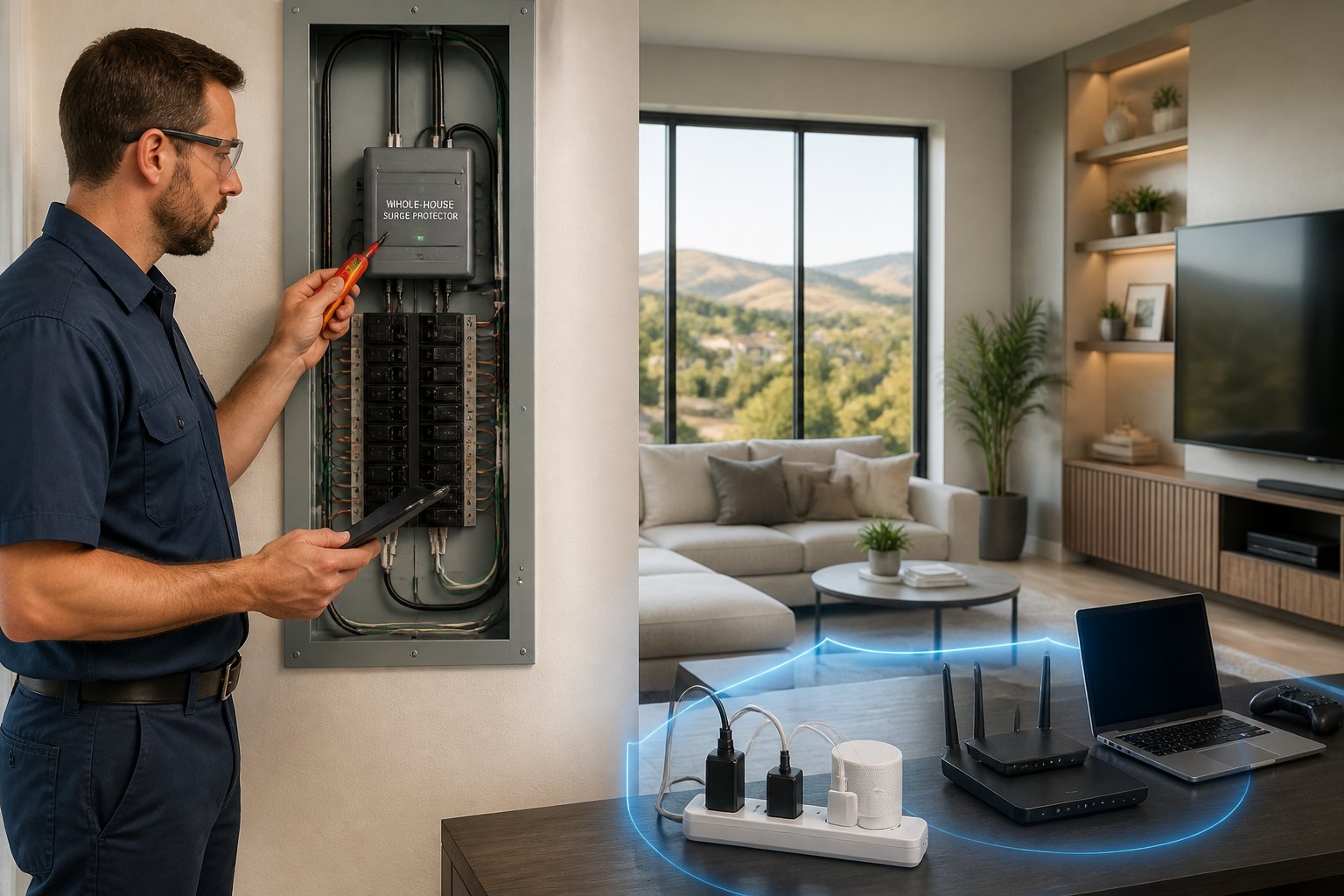
Adding surge protection protects appliances, electronics, and sensitive devices from voltage spikes. Whole-home surge protection works with plug-in protectors for wider coverage.
If you’ve got expensive gear, a home office, or just want extra peace of mind, it’s a smart upgrade—especially if you’re already replacing the panel.
How Homeowners Can Prepare Before The Electrician Arrives
A bit of prep makes things go smoother and helps the electrician work safely. Clear access, jot down your questions, and make sure the panel’s easy to reach.
Questions To Ask About Capacity, Timing, And Pricing
Ask how much capacity you have, what size upgrade they recommend, and if the job can be done in one day. It’s also good to ask about timing, permits, and flat-rate pricing before work starts.
Don’t forget to ask what future needs they’re planning for—like EV chargers, generators, or solar. Getting answers now can save you headaches later.
How To Get The Area Ready For Service Day
Move furniture, boxes, and anything else out of the way. Make sure the path to the panel is clear so the electrician can bring in tools and materials.
If you have pets or kids, keep them away from the work area. A tidy, open space helps the crew work faster and keeps everyone safer.
Tools Pros May Use During Testing And Verification
Licensed electricians use tools like wire strippers and voltage testers to make sure circuits are dead before working and that connections are right after. They’ll show up with fully stocked service vehicles, which means they’re ready to handle surprises on the spot. That’s one reason so many homeowners prefer hiring a pro for panel work.
Frequently Asked Questions
How can I tell if my home’s electrical panel needs to be replaced?
If you’re dealing with frequent breaker trips, flickering or dimming lights, heat, or a burning smell, get your panel checked soon. Having an old electrical panel or fuse box is also a sign that replacement might be the safer bet.
What does it typically cost to replace an electrical panel in a house?
Costs vary—depends on panel size, labor, permits, and whether you need wiring updates. Prices can swing a lot, so the best way to know is to get an on-site estimate from a licensed electrician.
Do I need a permit or inspection to replace an electrical panel?
In most cases, you’ll need a permit and an inspection to swap out an electrical panel. Local building codes and the national electrical code require it. Usually, your electrician takes care of the paperwork and deals with the city, so you don’t have to stress about the details.
Should I upgrade to a 200-amp panel, and how do I choose the right size?
A 200-amp panel is pretty standard these days, especially if you’ve got big plans—think EV charging, solar, or maybe a backup generator. The “right” size really comes down to what you’re running now, what you want to add later, and how much your current setup can handle without pushing things too far.
Can an older home’s wiring affect the cost or safety of a panel replacement?
Older wiring can definitely make things trickier and bump up the cost. If your home’s wiring looks rough or just isn’t up to snuff, your electrician might suggest some extra work to get everything safe and reliable. It’s not always fun news, but it’s worth sorting out before you upgrade.
Will I need an electrical panel upgrade to safely install an EV charger?
A lot of EV charger installs end up needing an electrical panel upgrade—especially if you live in an older house or your panel’s already pretty full. Honestly, the best move is to have a licensed electrician take a look at your setup and see if your current panel can really handle the charger. No sense guessing when it comes to your home’s electrical safety, right?