Most homes around Sacramento do just fine with everyday use—until you throw in an EV charger, a heat pump, new appliances, or crank up the AC during a heat wave. Suddenly, your electrical system’s working overtime, and those little warning signs you’ve ignored? They can turn into real safety headaches.
The safest way to prep your home for more energy use: check your capacity early, cut out waste first, and make sure your wiring, panel, and circuits can handle new gear before you install anything. This keeps your family safer, boosts energy efficiency, and helps you dodge those surprise breakdowns when your house is under stress.
If you’re in Sacramento, Roseville, Rocklin, Elk Grove, Citrus Heights, Rancho Cordova, Fair Oaks, Folsom, El Dorado Hills, Lincoln, Natomas, Carmichael, Woodland, Auburn, or anywhere nearby, planning ahead is even more important with our hot summers and busy electrical seasons. A careful, licensed approach means safer power, better comfort, and a lot more peace of mind.
Key Takeaways
- Watch for warning signs before you add more load.
- Fix efficiency problems before buying bigger equipment.
- Use licensed help for safe, lasting upgrades.
Spot The Warning Signs Before Demand Increases
Your home usually lets you know it’s stressed before anything major fails. Some symptoms keep popping up when your system’s close to its limit.
Pay attention if everyday stuff starts feeling off during busy hours—especially when a bunch of appliances or your AC run at once. Those little clues? They might mean overloaded circuits or old components that need a look.
Frequent Breaker Trips And Overloaded Circuits
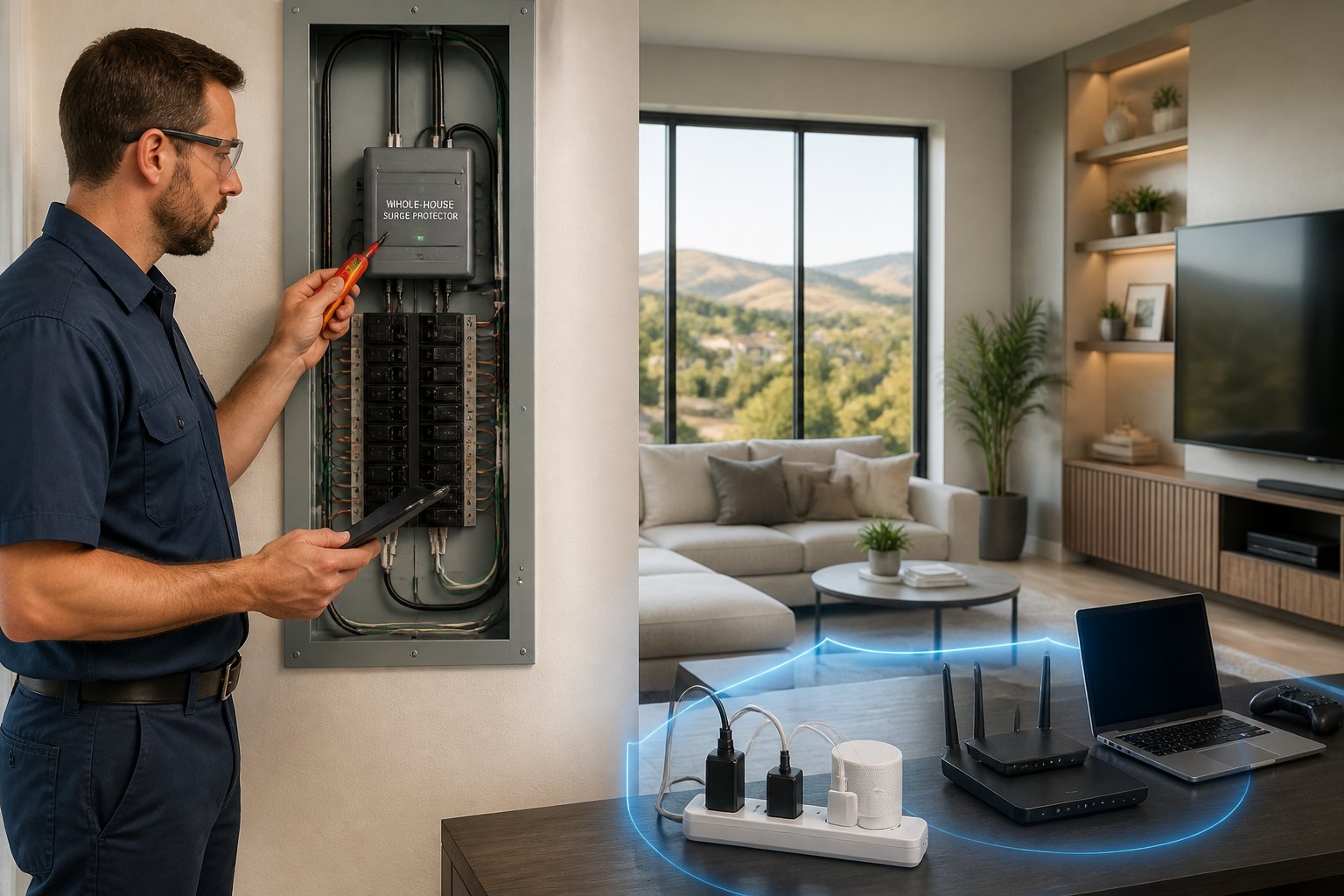
If your breaker keeps tripping, your electrical system’s probably telling you a circuit’s carrying too much. That’s more than just annoying—it can mean your breaker box is struggling to protect your home.
Overloaded circuits show up when too many appliances and electronics are on the same branch. If the same breaker keeps going, a licensed electrician can actually find the cause instead of just flipping the switch again.
Flickering Or Dimming Lights During Heavy Use
Notice your lights flicker or dim when you run the microwave, vacuum, or laundry at the same time? That’s often a sign of voltage drop, loose connections, or a maxed-out circuit.
It might seem like just a nuisance, but it can point to something bigger. If your lights dip every time things get busy, you probably need a closer look at your electrical system.
Outdated Fuse Box Or Undersized Breaker Box
Old fuse boxes or small breaker panels just aren’t made for today’s homes packed with high-powered appliances and chargers. If your panel’s packed, feels warm, or is always close to maxing out, it’s probably time for an electrical upgrade.
A real assessment can tell you if the problem’s the panel, the wiring, or just overall service capacity.
When Central AC, Appliances, Or Heat Add Too Much Strain
Central AC can really push your system in hot Sacramento afternoons—especially when you’re running other appliances, too. Space heaters, laundry, ovens, big cooling units… they all fight for the same capacity.
If your system struggles when it gets hot or busy, don’t wait for a breakdown. A quick review can help you figure out if you need load management, a dedicated circuit, or a bigger service setup.
Check Your Electrical Capacity And Safety Baseline
Before adding anything new, you need a clear picture of what your home can handle. That means getting a pro to check your panel, wiring, and what’s visible.
A good baseline helps you pick the right upgrade, skip unnecessary work, and keep things up to code.
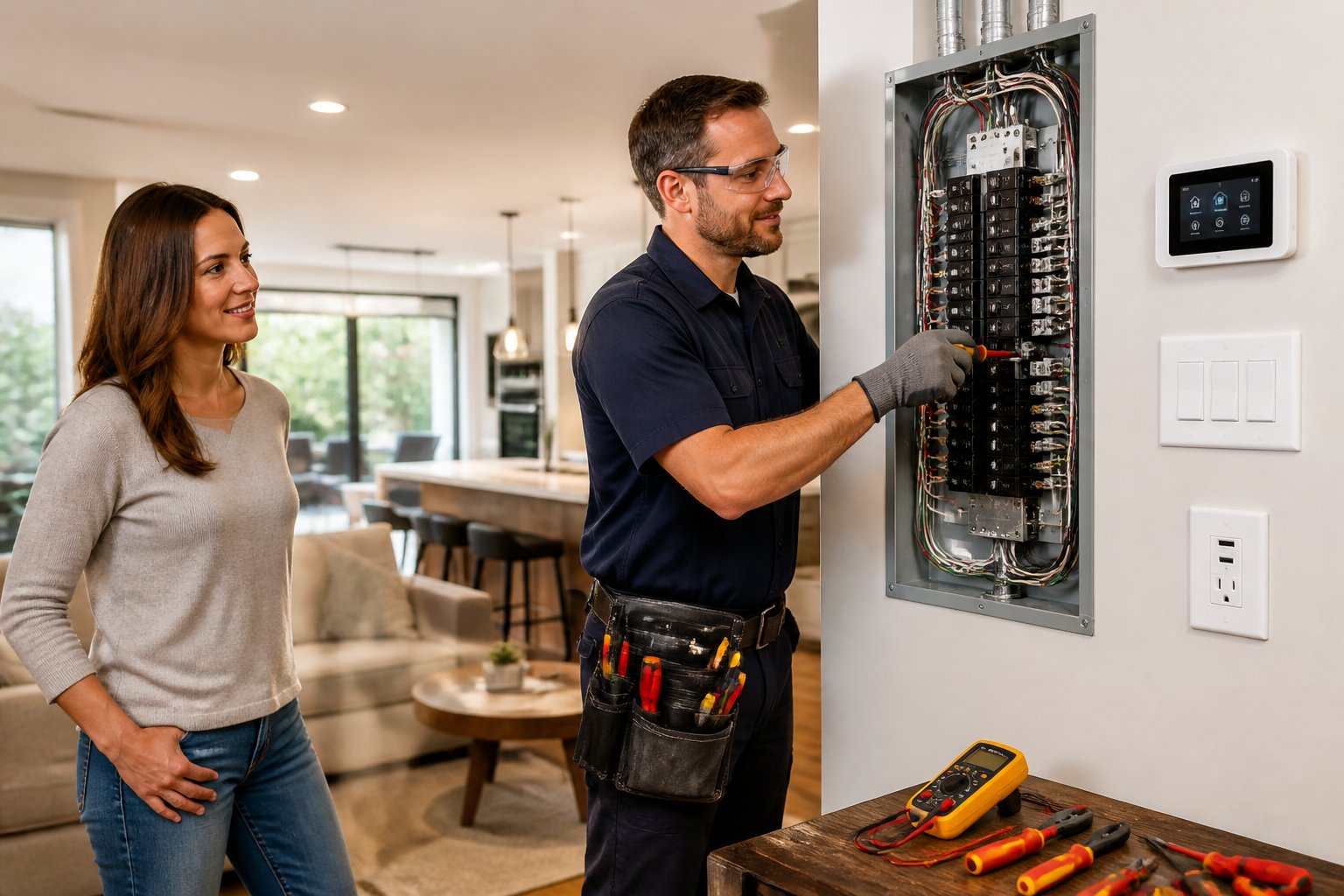
Schedule An Electrical Inspection
An electrical inspection is the simplest way to catch hidden issues before you crank up demand. During the inspection, a licensed electrician looks for worn breakers, outdated gear, loose connections, and any signs of stress.
If your home’s older, has DIY changes, or you’re planning a big appliance upgrade, this step can save you a lot of trouble later.
Why A Licensed Electrician Matters
Licensed electricians bring training, code know-how, and hands-on experience. That’s important when you’re weighing your options, because “working” isn’t the same as “safe.”
The right tech gives you straight answers, solid advice, and upgrades that last. That’s what you should expect from AAA Electrical Services—or anyone you hire, really.
Building Codes, Permits, And Safe Upgrade Planning
Building codes protect you, your house, and any future work. When a permit’s needed, planning things right keeps your project safe and above board.
A licensed pro can tell you what needs approval, what’s fine as-is, and how to stage the work with the least hassle. That’s how you get long-term reliability instead of band-aid fixes.
When Whole-House Rewiring Or An Electrical Upgrade Makes Sense
Sometimes, old wiring just can’t keep up, or constant repairs hint at deeper trouble. Full rewiring or an electrical upgrade makes sense if your panel is too small for the gear you want.
You don’t have to replace more than you need. The goal’s a safe, reliable system that works for your family now—and has room to grow.
Plan For High-Demand Upgrades The Right Way
Big upgrades need more than just picking out new equipment. Whether it’s an EV charger, heat pump, or solar, your electrical system has to be ready first.
Good planning helps you avoid nuisance trips, hidden bottlenecks, and gear that never works quite right.
Electric Vehicle Charging And Level 2 Charger Readiness
EV charging takes more prep than a regular appliance. A level 2 charger is super convenient—but only if your system can handle it.
Before you install an EV charger, check panel capacity, circuit layout, and your daily use. If your home’s already close to its limit, you might need a service upgrade or load management solution first.
240V Outlet, Dedicated Circuits, And EV Charger Placement
A 240v outlet usually needs its own circuit, especially for an EV charger or other high-demand gear. Where you put it matters, too—the run from the panel to your charging spot affects cost and complexity.
A licensed electrician can help you pick the safest, easiest spot, whether it’s in your garage, driveway, or carport. Good planning now makes future maintenance a lot simpler.
Heat Pump Installation And HVAC Load Planning
Heat pumps can make your home more comfortable and efficient, but they need the right circuit size and load planning. If you’re swapping out old heating or cooling systems, ask about the total electrical demand—not just what’s on the label.
That step helps you avoid overloading your system when the weather swings hard.
Solar Panels And Renewable Energy System Compatibility
Solar panels are great, but the electrical work has to fit your house. Panel layout, inverter placement, and service size all matter when you’re tying in new generation gear.
If you’re pairing solar with batteries, a heat pump, or EV charging, start planning early. That way, everything works together instead of fighting for capacity.
Lower The Load Before You Upgrade Equipment
Cutting wasted energy frees up capacity and makes upgrades easier. It can lower your bills, too, and make your house feel better before you buy new gear.
This is often the smartest first step—efficiency fixes are usually less hassle than major electrical work.
Start With A Home Energy Assessment Or Energy Audit
A home energy assessment or audit shows where you’re wasting electricity. It finds weak spots you might miss—drafty rooms, old equipment, or phantom loads.
With that info, you can fix what matters most. It’s a practical way to boost efficiency before adding more demand.
Seal Air Leaks And Improve Insulation
Air leaks around attics, walls, outlets, and trim make your home work harder. Sealing them up, weatherstripping, and adding insulation all help lighten the load on your heating and cooling.
Seal those leaks before you put in new appliances or comfort systems, and you might not need as much capacity as you thought.
Upgrade Windows And Doors For Better Comfort
Old windows and doors leak conditioned air, making your HVAC work overtime. Upgrading sealing and materials helps keep indoor temps stable, which means less electrical demand.
No need for a full remodel—even small improvements can boost comfort and take pressure off your system.
Use Smart Thermostats And Smarter Lighting Controls
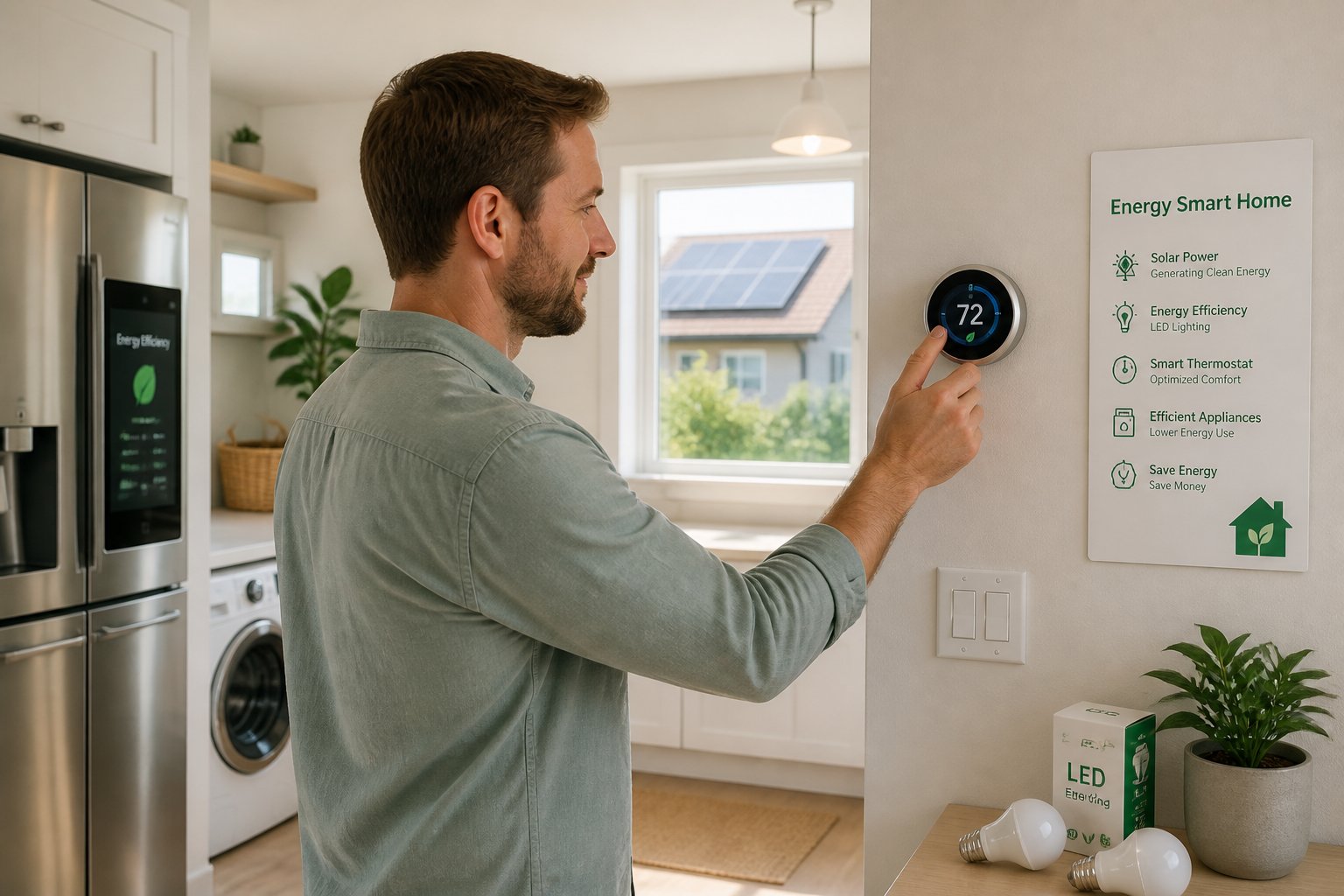
Smart thermostats and programmable controls can cut down on unnecessary heating and cooling. Pair those with LED lighting, and you’ll lower demand without much effort.
It’s also worth hunting for phantom loads—devices that draw power even when “off.” Small changes add up, especially in busy homes.
Make The Home More Efficient Room By Room
Tackling improvements room by room helps you spread out the benefits of safer, smarter energy use. You don’t have to do a full reno to make real progress.
The best projects boost comfort, cut wasted load, and keep everyday use safe.
LED Lighting, Additional Outlets, And Safer Everyday Use
LED lighting saves energy and keeps rooms cooler. Adding outlets in smart spots helps you avoid overloading power strips and extension cords.
Sometimes, safer use is just about better layout. A few new outlets can make life easier and safer at home.
Water Heating And Major Appliance Considerations
Water heating is a big electrical load, especially with other major appliances. If you’re planning upgrades, look at how laundry, kitchen, and hot water use overlap.
A residential electrical pro can help you decide if you need a dedicated circuit, load balancing, or new equipment.
Ventilation, Skylights, And Passive Solar Heating
Good ventilation helps control heat and moisture, easing the strain on your comfort systems. Skylights and passive solar features also affect how your home warms or cools through the year.
Think about how these features impact your electrical demand. Well-planned natural light and airflow can support efficiency.
Thermal Curtains, Cool Roof Options, And Summer Heat Control
Thermal curtains block heat in sunny rooms. A cool roof can drop indoor temps and take pressure off your AC.
Those changes matter around Sacramento, where hot weather can push your systems hard. Less heat inside means less demand on your electrical and HVAC at the same time.
Know When To Call For Professional Help
Some issues are safe to watch for a bit, but others aren’t. If your home keeps having electrical problems, calling a pro gives you quicker answers and safer solutions.
A trained eye can spot the difference between a small issue and something that needs urgent attention.
What To Do After Breaker Problems Or Power Loss
If your breaker trips or the power goes out, don’t just keep resetting it without knowing why. Repeated trips can mean overheating, a short, or a load problem that needs checking.
If it keeps happening, call for same-day service if you can. A stocked service truck and a licensed electrician can usually fix common problems quickly and safely.
How Energy Monitoring Helps With Long-Term Reliability
Energy monitoring lets you see when your home uses more power than you’d expect or when demand suddenly jumps. That kind of info makes it easier to catch patterns before they turn into real problems.
If you’re thinking about upgrades, it’s honestly a game changer. You get a better sense of your home’s habits, which makes safety planning feel a lot less like guesswork.
Choosing Safe, Transparent Residential Electrical Service
Go for companies that actually tell you what things cost and explain what they’re doing. It’s not just about fixing stuff—it’s about feeling safe in your own home when someone comes in to work. You want technicians who respect your space and don’t leave a mess behind.
If you need anything from a quick fix to a big upgrade, pick a team that treats your home like it matters. Long-term reliability beats a rushed job every time, at least in my book.
Frequently Asked Questions
What are the first signs that my home’s electrical system is being overloaded?
You might notice breakers tripping a lot, lights dimming, outlets getting warm, or the breaker box acting up during normal use. Sometimes certain appliances just don’t play nice together and cause issues.
How can I check whether my electrical panel has enough capacity for new appliances or upgrades?
Check the panel’s rating, then compare that to what you’re already running and what you want to add. Usually, a licensed electrician can look over your setup and figure out if you’ve got enough space or if it’s time for an upgrade.
When should I upgrade my electrical panel or add a subpanel?
Think about upgrading if your panel is crammed full, feels outdated, or keeps tripping even when you’re not doing anything wild. Subpanels are handy for organizing new circuits in one area, but if your main service can’t keep up, a full panel upgrade is probably the way to go.
What’s the safest way to add more outlets or dedicated circuits for high-power devices?
Honestly, let a licensed electrician handle it. They’ll run the new circuit, make sure it’s the right size, and check that it follows code. That way, you avoid overloaded circuits, lower the risk of fire, and keep things neat for any heavy-use gear.
How can I prevent tripped breakers and overheating when using multiple appliances at once?
Try spreading out big appliances so they’re not all on the same circuit. Skip the extension cords or power strips for major stuff. If one breaker keeps tripping, that circuit’s probably maxed out and it’s time to call in a pro.
Which upgrades make the biggest difference for safely supporting an EV charger, heat pump, or other high-demand equipment?
Start by checking your home’s electrical capacity—seriously, don’t skip this step. If you need more power, upgrading the panel and adding dedicated circuits can really open up options. Before you jump into installation, it’s smart to look at your home’s overall efficiency, too. In a lot of Sacramento-area homes, this mix gives you a safer, more flexible setup for whatever the future holds, and it helps you avoid a bunch of unnecessary hassle.