Your electrical system matters a lot, but honestly, it’s easy to ignore until something starts acting up. Regular electrical evaluations let you spot little problems early, cut fire risks, and keep your home ready for everything from EV chargers to whatever new gadget you bring home.
If you stay ahead of wiring, panel, and outlet issues, you’re protecting your family, your comfort, and the value of your home. That’s true whether you’re in Sacramento, Roseville, Elk Grove, Folsom, or anywhere nearby—these homes see years of daily electrical wear, and it adds up.
Regular electrical inspections show you what’s working, what’s getting old, and what’s about to need attention. Catching things early saves you from surprise breakdowns and those dreaded big repair bills.
Key Takeaways
- Small warning signs can hint at bigger electrical trouble.
- Early evaluation helps keep your home safe and valuable.
- Planned repairs are usually easier (and cheaper) than emergencies.
How Evaluations Prevent Expensive Electrical Problems
Electrical problems almost never start with a bang. Usually, it’s worn wiring, loose connections, or overloaded gear that slowly gets worse.
A careful evaluation lets you catch these issues before they turn into damaged fixtures, outages, or pricey repairs.
Catching Faulty Wiring Before It Leads To Major Damage
Faulty wiring is a major reason folks need unexpected repairs. During inspections, a pro can spot damaged or loose wiring, or see signs your setup just isn’t safe for today’s loads.
Hidden wiring problems can lead to heat buildup, tripped breakers, or damage inside your walls. Finding these early usually means a quick fix instead of a big job that takes apart multiple systems.
Why Breaker Trips, Flickering Lights, And Burning Smells Should Never Wait
Breaker trips, flickering lights, and burning smells aren’t just annoyances. They’re red flags—often overloaded circuits or failing wiring that need attention now.
If you see these symptoms, don’t wait. Get a licensed electrician to check it out, explain what’s up, and recommend the safest next step. Better safe than sorry, right?
How Early Repairs Reduce The Need For Emergency Calls
Fixing electrical issues early almost always costs less than waiting for an emergency. A same-day visit with a stocked service van can often solve things fast—especially with switches, outlets, or breakers.
Proactive service helps you avoid weekend chaos and gets your home back to normal sooner. Plus, you get to plan repairs with clear pricing, not make decisions in a panic.
What Professionals Check During A Home Electrical Review
A home electrical review focuses on the parts of your system that actually work hard every day. Pros look at the panel, circuits, protection devices, and the core systems that keep power moving safely.
They want to spot wear, check capacity, and make sure your components are ready for whatever you throw at them next.
Panels, Breakers, And Circuit Capacity
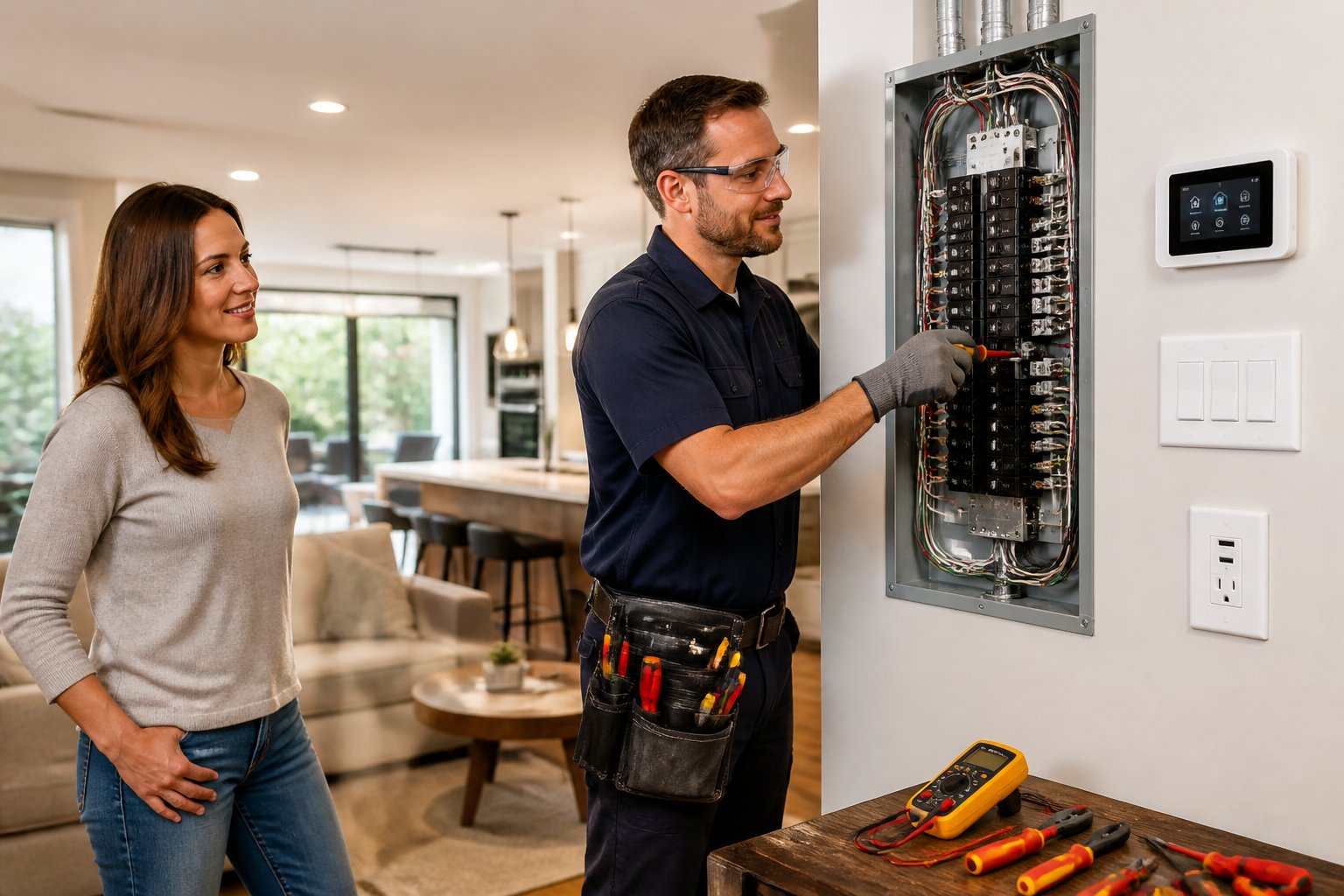
The electrical panel is the nerve center, so it gets a close look. A professional electrician will check the panel’s condition, breaker performance, and whether your circuits are up to the job.
They’ll spot aging equipment, bad labeling, or a panel that’s just too small for your current appliances. Around Sacramento, this stuff matters—especially before you add an EV charger, generator, or new HVAC.
Outlets, Switches, And GFCI Protection
Outlets, switches, and GFCIs get checked for wear, damage, and whether they’re actually working right. These are the things you touch every day, especially in kitchens, bathrooms, laundry rooms, garages, and outside.
Loose outlets, flaky switches, or missing GFCI protection? The review flags it. Fixing these can boost safety and cut down on annoying interruptions.
Grounding And Other Core Safety Components
Grounding systems keep unwanted current away from people and gear. During the review, the electrician checks grounding and other safety pieces to make sure you’re really protected.
They’ll catch hidden issues like old connections or missing protection—especially in older homes. Good grounding is key for both safety and long-term performance.
Safety Risks That Put Homes And Families At Risk
Some electrical risks don’t show up until things go really wrong. Overloaded circuits, outdated wiring, and old equipment can all raise the risk of fires, shocks, and blackouts.
Regular evaluations help you catch these risks early, especially if your house is older or hasn’t had an inspection in a while.
Overloaded Circuits And Hidden Fire Hazards
Overloaded circuits pop up in houses with too many gadgets or appliances on one circuit. When a circuit carries too much, wires can heat up and create a hidden fire hazard.
A pro review finds where the load’s too high and whether you need to split, upgrade, or protect a circuit differently. That fix makes daily life safer and eases the strain on your system.
Outdated Wiring And Older Home Concerns
Older homes often have wiring or components that just weren’t built for today’s demands. Add more devices, and those old systems can get overwhelmed.
An evaluation spots outdated wiring, old outlets, or old panels that don’t meet current safety standards. This really matters in houses that have been renovated over the years—old and new systems don’t always play nice together.
Why Code Issues Matter During Renovations And Home Sales
Electrical codes exist for a reason: safety and consistency. If your system has code problems, they can cause headaches during renovations, insurance checks, or when you’re selling your home.
A recent inspection helps you fix these issues before they become a sticking point. It’s also just nice to know your place meets today’s safety standards.
How Evaluations Support Efficiency And Modern Upgrades
A solid electrical evaluation doesn’t just find problems. It can show you where your home wastes power and if your system is ready for new tech.
That’s handy if you want to save energy, add a big appliance, or just keep your home reliable for years.
Finding Problems That Waste Power
Loose connections, worn parts, and old components can all waste power in sneaky ways. Maybe you notice dim lights, warm outlets, or equipment that just doesn’t run right.
An inspection pinpoints where your system’s falling short so you can fix it. These tweaks can ease the strain and make everything work better day to day.
Preparing For Panel Upgrades, EV Chargers, And Generators
Modern upgrades need more power than old homes were built for. Panel upgrades, EV chargers, and generators all need careful planning and a safe base.
A pro evaluation tells you if your system can handle the upgrade or if you need improvements first. That protects your investment and helps new gear work as it should.
How A Stronger System Can Improve Energy Efficiency
A stronger, better-organized system cuts wasted power and helps modern equipment run right. Clean connections, the right circuit sizes, and updated protection all make a difference.
It won’t slash your utility bill overnight, but your system won’t have to work as hard. Over time, that means lower costs and fewer headaches.
When To Schedule An Inspection In The Sacramento Region
Honestly, the best time to schedule an evaluation is before a little problem becomes a big one. Around Sacramento, weather, home age, and changing needs all affect electrical performance.
Whether you’re in Natomas, Carmichael, Folsom, or Auburn, regular inspections help you stay ahead instead of scrambling after trouble.
After Buying An Older Home Or Planning A Remodel
Bought an older home or thinking about a remodel? Get an inspection early. You’ll get a real sense of the panel, circuits, grounding, and any outdated wiring before you start tearing things up.
It also helps with budgeting—no one likes nasty surprises. A detailed review shows what needs fixing now, what can wait, and what should be updated before you open walls or add new fixtures.
When Power Outages Or Repeated Electrical Symptoms Start Showing Up
Power outages, breaker trips, flickering lights, or burning smells mean your system needs a look. These signs can point to hidden damage or overloaded circuits.
A prompt inspection helps you avoid repeat problems and gets your home’s electrical system back on track. Same-day service can be a lifesaver here—quick answers can stop a small issue from spreading.
Why Routine Timing Matters Even Without Obvious Warning Signs
Not every problem gives a warning. Routine checkups matter because electrical wear builds up quietly, even if everything seems fine.
Regular inspections let you get ahead of that slow wear, especially if your home uses older equipment or you’ve added new loads. It’s a steady way to keep things safe and reliable year after year.
Choosing The Right Electrician For Reliable Long-Term Results
The electrician you choose really does make a difference. You want someone who explains what they find, treats your home with respect, and gives you practical next steps.
For most homeowners, it’s about honest pricing, straightforward advice, and knowing your contractor has your back.
Why Licensed Electricians Matter For Safety And Compliance
A licensed electrician has the training to check your system properly and recommend work that’s up to code. They know residential systems, spot hazards, and skip the unnecessary stuff.
That level of care keeps your family and your investment safer. Plus, you’ll know the inspection and any repairs are being handled by someone who knows what to look for.
What Homeowners Should Expect From Clear Recommendations And Repairs
You deserve clear communication, honest recommendations, and clean work. A good contractor tells you what’s urgent, what can wait, and what repair options fit your home and budget.
When repairs are needed, a stocked service van speeds things up—most common parts are already there. That keeps things efficient and focused on safe, lasting results. AAA Electrical Services tries to stick to that kind of practical, homeowner-first approach.
When Commercial Properties Need A Different Inspection Approach
Commercial electrical inspections are a different animal. Bigger panels, heavier use, stricter safety rules—they all require a broader scope.
For businesses, commercial services need to prioritize safety, uptime, and compliance. A licensed team with commercial chops can evaluate things properly and recommend upgrades for long-term reliability.
Frequently Asked Questions
How do routine electrical inspections help prevent costly repairs or replacements?
Routine inspections spot worn wiring, overloaded circuits, and failing parts before they become bigger issues. That way, you can fix a small problem instead of replacing half your system after the damage is done.
What safety risks can regular electrical checkups help catch early?
Regular checkups catch faulty wiring, loose connections, overheating outlets, overloaded circuits, and outdated panels. They also find fire hazards you’d probably never notice in daily life.
How often should a home or building have its electrical system evaluated?
Most folks benefit from an electrical inspection every few years—sooner if the home’s older or you’ve added new electrical loads. Schedule one after big changes, repeated breaker trips, or before a renovation.
Which parts of an electrical system are typically reviewed during an evaluation?
A standard evaluation covers electrical panels, breakers, circuits, outlets, switches, grounding, and visible wiring. Electricians also check gfci outlets and other safety parts in kitchens, baths, garages, and outside.
Can regular electrical evaluations improve energy efficiency and lower utility bills?
Yes—they help you find wasted power from worn parts, loose connections, or a system that’s just not running efficiently. Savings vary, but a healthy system usually runs smoother and wastes less energy.
How do documented electrical inspections affect insurance coverage or claims?
When you’ve got inspection records, it’s a lot easier to prove you’ve kept up with your home’s electrical system. Insurers might look at that and see you’ve done your part—so if questions or claims pop up, you’ve got something solid to point to. It’s a practical way to show you didn’t just ignore safety or code stuff.