Modern households are asking more from electricity than ever. Your home’s electrical system has to juggle work-from-home gear, bigger entertainment centers, kitchen gadgets, smart tech, EV charging, and backup power planning—all while keeping things safe and running smoothly. That’s why future-ready electrical systems matter. They give you the capacity, flexibility, and protection you need to handle today’s demands and whatever tomorrow throws your way, without the headaches of constant disruption.
A thoughtful upgrade helps you dodge the stress of nuisance breaker trips, overloaded circuits, and old parts that just weren’t made for modern life. When you build your electrical system with future-proofing in mind, you get more reliable power, safer operation, and fewer unpleasant surprises as your family grows and your tech evolves.
Key Takeaways
- Modern homes need more power, capacity, and flexibility.
- Safety upgrades protect people and electronics.
- Planning ahead supports future tech and long-term reliability.
How Modern Power Demands Have Changed At Home
Chances are, your home is using way more electricity than it did just a few years back. From HVAC and kitchen appliances to charging stations and connected gadgets, everyday living puts real pressure on wiring, outlets, and circuits. Smart load management and timely electrical upgrades help keep things running safely and cut down on electrical issues.
Why Older Panels And Wiring Fall Behind
Older panels and wiring were built for simpler times—fewer appliances, less demand. Add an induction cooktop, a modern HVAC, or a bunch of electronics running at once, and suddenly, the old setup can’t keep up.
If your panel is outdated, it might not have room or capacity for new circuits. That limits upgrades and can create safety risks when you push the system past its design.
Signs Your Home Needs More Capacity
Do your breakers trip a lot? Lights dim when appliances kick on? Outlets feel warm or your panel buzzes? Those are all signs your system’s under strain. Some rooms might not handle several devices at once without problems.
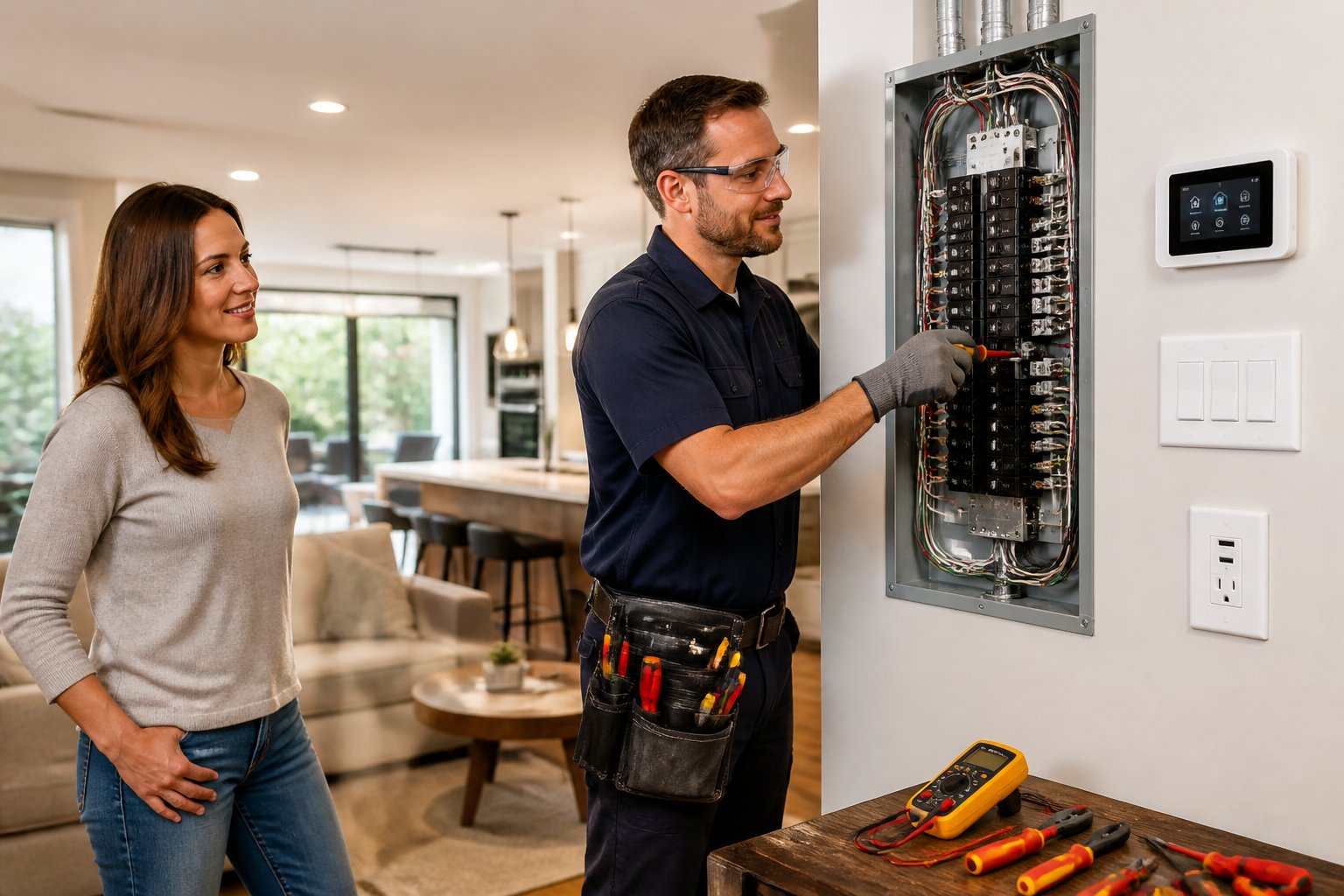
Thinking about adding outlets, a big appliance, or new tech? You might need more capacity first. A licensed electrician can check if your setup is keeping up or falling behind.
Planning For New Loads Without Constant Breaker Trips
It’s best to plan for extra load before it shows up. Dedicated circuits for heavy-use appliances, smart outlet placement, and balanced loads keep things stable and cut down on interruptions.
If you’re in Sacramento, Roseville, Rocklin, Elk Grove, Citrus Heights, or nearby, same-day service and a clear, flat-rate estimate can help you move fast when your system shows signs of stress. That kind of planning protects your safety and keeps your home ready for daily life.
Safety Upgrades That Protect Families And Devices
Safety-focused upgrades make a real difference, especially in older homes or busy households. Devices like GFCI, AFCI, and whole-home surge protectors lower shock and fire risks and help protect sensitive electronics from damage.
Where GFCI And Ground Fault Protection Matter Most
A ground fault circuit interrupter is crucial anywhere water and electricity might meet. Kitchens, bathrooms, laundry rooms, garages, basements, outdoor outlets, and utility areas—these are spots where GFCI protection adds an extra layer of home safety.
These devices react quickly to ground faults, helping prevent dangerous shocks. If you still have old outlets in these areas, upgrading them is a practical move for better safety.
How AFCI Protection Helps Reduce Fire Risk
Arc fault circuit interrupters detect dangerous arcing from damaged wiring or worn parts. Those hidden problems are exactly why AFCI protection matters in bedrooms, living rooms, hallways, and other lived-in spaces.
Adding AFCI protection helps cut fire risk before small wiring issues turn into bigger problems. It’s one of the most useful safety upgrades for modern homes, especially if your wiring’s getting up there in years.
Why Surge Protection Should Start At The Panel
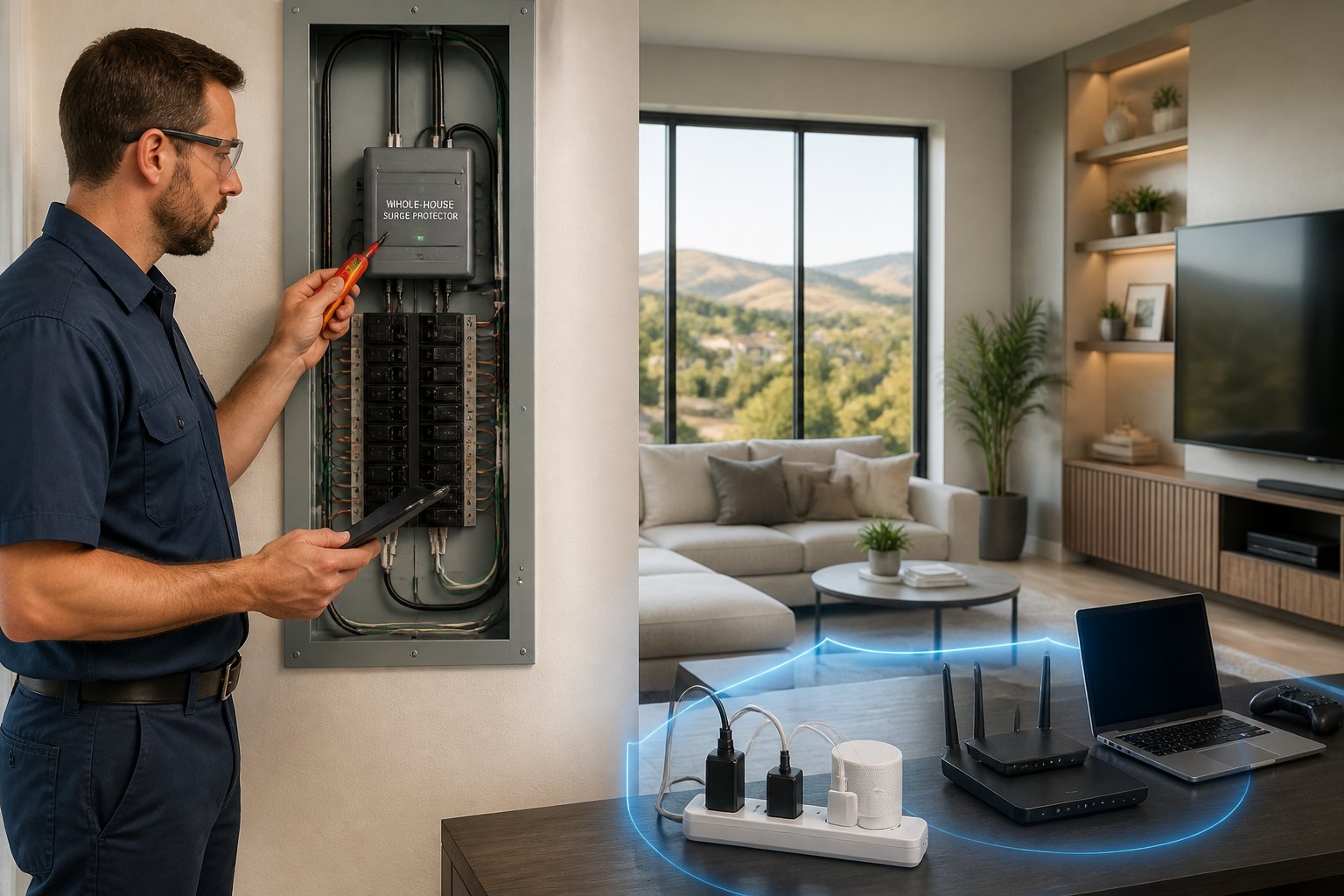
Plug-in strips help with small electronics, but real protection starts at the panel with a whole-home surge protector. That shields appliances, smart devices, and built-in systems from voltage spikes, whether they come from the grid or from inside your home.
If you want lasting protection for your gear, panel-level surge protection is the way to go. It gives your system a stronger defense before power even reaches the rest of the house.
Building A Smarter And Better Connected Home
Smart homes need a solid electrical foundation. Smart tech, structured wiring, and steady internet all work better when your home’s built for reliable power and clean data flow.
Structured Wiring For Reliable Smart Home Performance
Structured wiring gives your home a cleaner, more organized backbone for smart tech. It supports ethernet, bandwidth-heavy devices, and future add-ons without the mess and instability of patchwork setups.
If you want smart lighting, thermostats, or voice assistants to work smoothly, the wiring behind them really matters. Structured panels help your home automation feel more dependable and easier to expand down the road.
Power And Data Needs For Security And Automation
Security cameras, automation hubs, and other smart systems need stable power and good connectivity. Planning these together gives you better performance and fewer annoying dropouts.
This is especially important if you rely on remote monitoring or layered security. AAA Electrical Services often suggests planning both power and data together so your system stays practical as your needs shift.
Smart Panels And Monitoring For Better Control
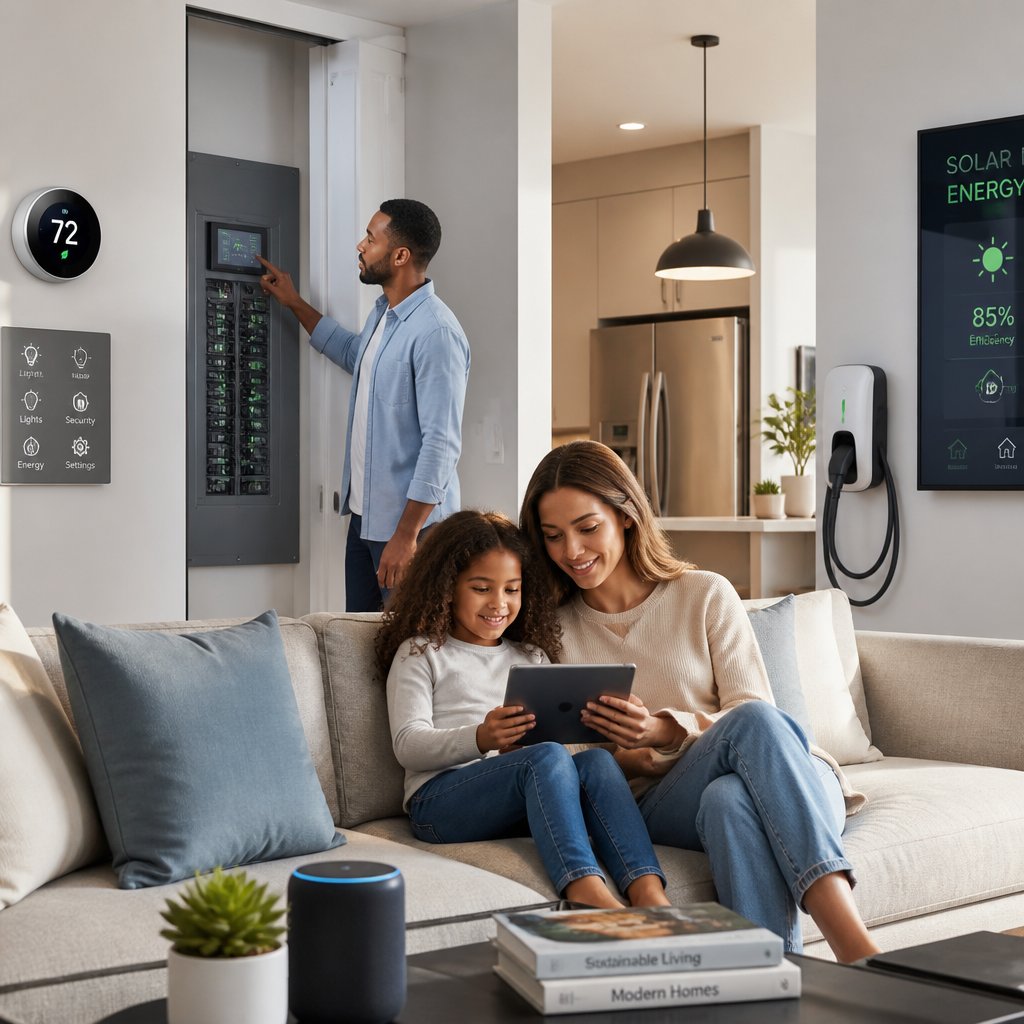
Smart electrical panels and breakers let you monitor your home’s power use in real time. Energy monitoring and energy management systems help you spot high-use appliances, track patterns, and make smarter upgrade decisions.
For busy households, that kind of visibility is a real edge. It supports energy management, improves control, and gives you a clearer picture of your system’s day-to-day performance.
Preparing For EV Charging, Solar, And Battery Backup
New energy tech brings new demands. EV charging, solar panels, battery storage, and inverter systems all need careful electrical planning so your system stays safe, efficient, and reliable.
What To Know Before Installing An EV Charger
A dedicated EV charger adds serious load to your home. Before you install, check your panel capacity, wiring condition, and available circuits.
This matters even more if you already run big appliances or plan to add more tech later. Planning now helps you avoid expensive changes down the line and keeps your charging setup dependable.
How Solar And Inverter Systems Affect Home Electrical Design
Renewable energy changes how your home handles power. Solar panels, energy integration, and inverter systems need coordinated design so generation, storage, and household loads work together.
If you’re considering renewables, your electrical layout should support both current use and future add-ons. This kind of planning boosts sustainability and keeps your home ready for backup power or upgrades.
When Battery Backup And UPS Solutions Make Sense
Battery backup and storage systems can be lifesavers if you want key circuits running during outages. Energy storage supports critical loads like internet, refrigeration, medical devices, or lighting.
A UPS also makes sense for smaller electronics or communication gear that needs short-term backup. For homes in Folsom, El Dorado Hills, Lincoln, Natomas, Carmichael, Woodland, Auburn, and nearby, these solutions add peace of mind when reliability really counts.
Efficiency And Reliability Benefits That Last
The right upgrades do more than boost capacity. They improve energy efficiency, cut waste, and make your home easier to maintain over time.
Using Monitoring To Cut Waste And Improve Performance
Energy monitoring and real-time tracking let you see where electricity’s going. It’s easier to spot wasted power, odd behavior, or devices drawing more than they should.
With monitoring, you can make smarter choices about when and how you use appliances, lights, and climate control. That kind of visibility supports both savings and performance.
Choosing Upgrades That Support Lower Energy Use
Simple changes like LED lighting and efficient appliances can lower demand without making you give up comfort. Pair those with smart load management, and your system runs smoother and avoids unnecessary strain.
These steps also help sustainability by using less power for the same routines. Over time, you’ll have fewer service headaches and a more efficient system.
How Smarter Systems Support Long-Term Maintenance
Modern systems help you stay ahead of problems with predictive maintenance and machine learning tools that spot patterns before things break. That makes it easier to catch wear, fix imbalances, and schedule repairs before a small issue blows up.
For homeowners, that means fewer surprises and better reliability. It also helps you protect your investment in electrical upgrades and keeps your household running comfortably.
Working With A Licensed Electrician On A Long-Term Plan
A future-ready home starts with a clear plan from experienced professionals. Licensed electricians can review your needs, explain priorities in plain language, and map out upgrades that fit your budget and timeline.
What A Professional Evaluation Should Cover
A good evaluation checks your panel, wiring, outlets, circuits, and current household loads. It should also look at plans for EV charging, solar, backup power, smart home features, and future-proofing goals.
You should get honest feedback about what needs attention now and what can wait. That way, you can make safe decisions without paying for work you don’t need yet.
How Phased Upgrades Help Control Cost And Disruption
Not every home needs a full overhaul. Phased upgrades let you tackle the most urgent stuff first, then add improvements as your needs change.
This approach cuts disruption and makes big projects easier to manage. It’s handy if you want quick repairs now and a longer-term plan for future upgrades.
Why Local Service And Clear Communication Matter
When you work with local electricians, you get folks who understand Sacramento-area homes, from old neighborhoods to new builds. Clean, respectful techs, clear recommendations, and well-stocked trucks can make the whole process easier.
AAA Electrical Services takes that seriously—peace of mind matters as much as the repair. When licensed and certified electricians protect your home’s electrical system, you can plan ahead with more confidence.
Frequently Asked Questions
What makes an electrical system “future-ready” in a modern home?
A future-ready system has enough capacity, smart planning, and flexible wiring to support new tech without constant rewiring. It’s built to handle modern loads, improve safety, and adapt as your needs change.
How can upgrading a home’s electrical setup improve safety and reliability?
Upgrades like modern panels, GFCI, AFCI, and surge protection lower shock risk, fire risk, and equipment damage. They also make it less likely you’ll deal with nuisance trips or overloaded circuits.
Why do smart home devices and appliances require more robust wiring and panels?
Smart devices, lighting, and connected appliances add steady demand and often need stable power and data. A stronger panel and structured wiring help keep those systems running smoothly and cut performance issues.
How do electric vehicle chargers affect a household’s electrical capacity needs?
An EV charger adds a hefty, steady load that might be too much for an older panel. Your electrician should check capacity, circuit layout, and long-term plans before installation.
What home electrical upgrades can help reduce energy costs and support renewable power?
Efficient appliances, LED lighting, energy monitoring, and smart load management can lower waste and give you more control. If you add solar or battery storage, your electrical design should support renewables from the start.
Will electricians still be needed in 10 years as homes become more advanced?
Absolutely. Even as homes get smarter and more packed with tech—think EV chargers, smart panels, battery backups—someone’s gotta make sure all that stuff works safely. Licensed electricians handle installation, upgrades, inspections, and troubleshooting. That’s not changing anytime soon.