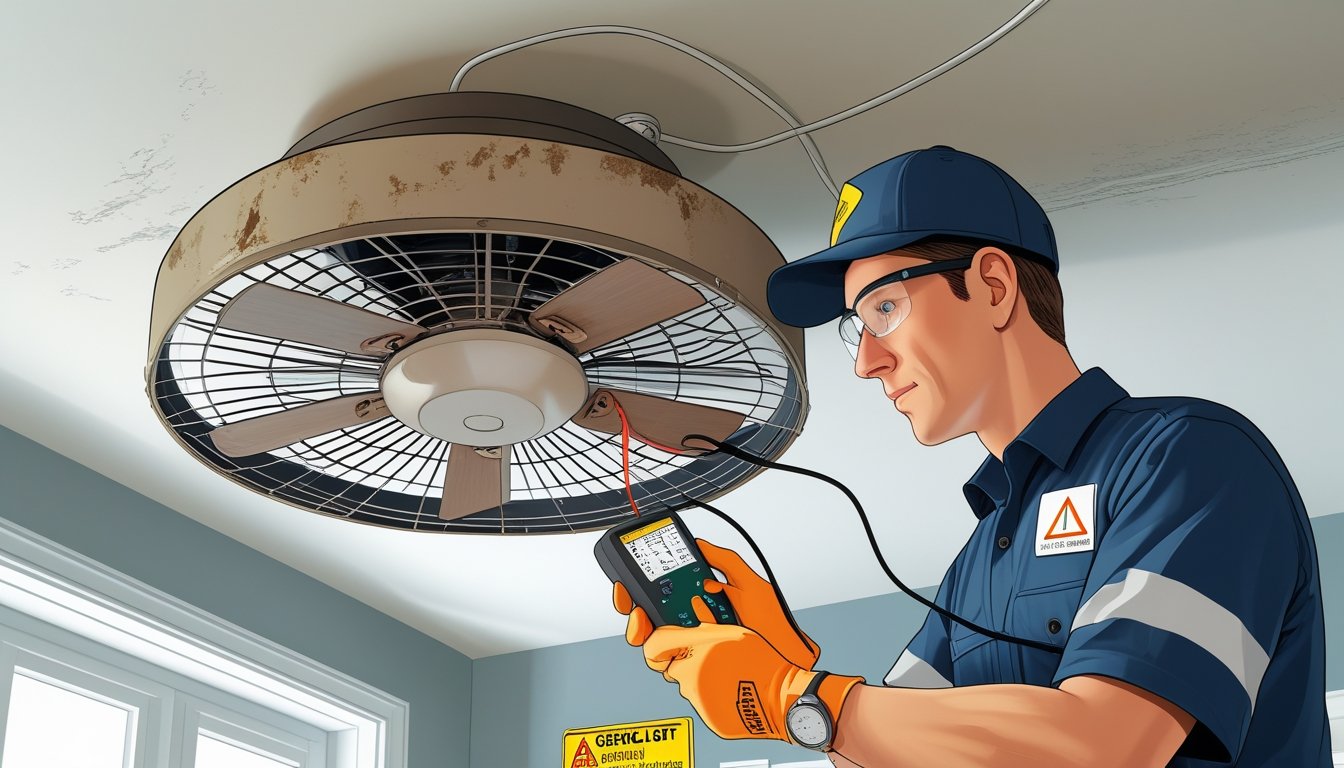
Older ceiling fans might look harmless, but honestly, they can hide all sorts of electrical issues that could put your family at risk. Wires wear out, connections loosen, and sometimes the safety features just don’t do their job anymore. That’s why it makes sense to get electrical safety checks on your older ceiling fans—to keep your home protected and avoid any nasty surprises.
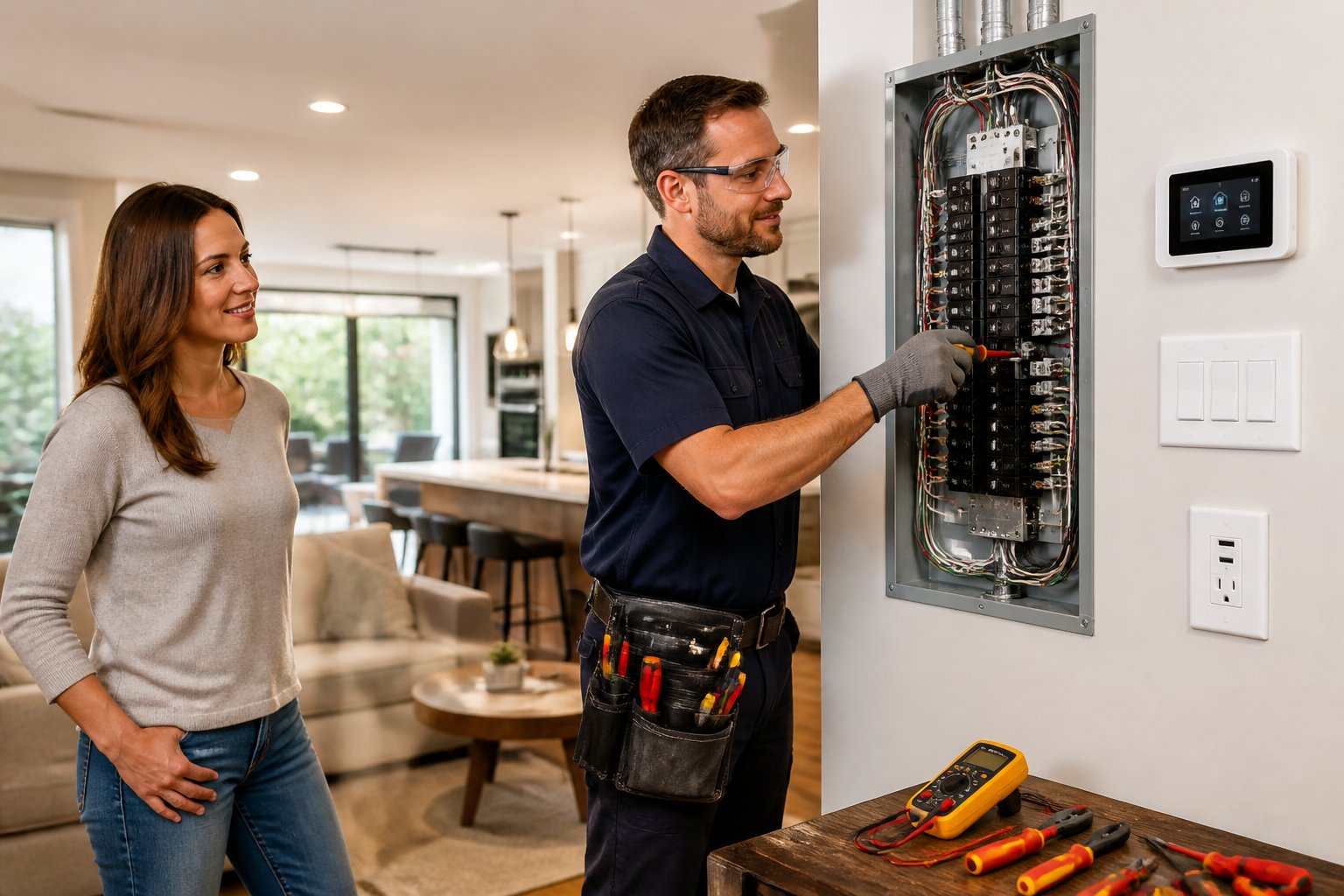
When you book an inspection, a licensed technician will actually dig into the fan’s wiring, switches, and connections. They’re looking for old wiring, bad grounding, and other issues that could turn serious if ignored. At AAA Electrical Services, we’re pretty passionate about safety-first electrical work, and our licensed professionals treat your home with real care.
If you’re in Sacramento or nearby, we offer same-day service and clear, flat-rate pricing—makes the whole thing a lot less stressful. Our vans are stocked for quick repairs, so we can usually fix things on the spot. No drama, just solid protection for your home.
Why Electrical Safety Checks Matter for Older Ceiling Fans
Older ceiling fans can have hidden electrical problems that affect your home’s safety and comfort. Checking their wiring and parts helps you catch trouble before it gets out of hand. If you know what to look for and how old fans stack up against newer ones, you’ll feel a lot more confident about your electrical setup.
Risks of Faulty Wiring and Components
Old ceiling fans often come with wiring that’s seen better days. Worn wires and loose connections can spark or overheat. Parts like switches or motors might be on their last legs, raising the odds of shorts or even fires.
These problems are worse in older fans since they probably don’t meet today’s safety standards. Damaged wiring can also make lights flicker or cause the fan to quit without warning. A safety check from a licensed pro can spot these issues before they get dangerous.
Signs of Electrical Deterioration
There are some telltale signs your ceiling fan’s electrical system is going downhill:
- Flickering or dimming lights
- Fan blades that slow down or stop for no reason
- Buzzing or humming sounds
- Warm electrical boxes or switches
These red flags mean something’s up with the wiring, breakers, or fan parts. Ignoring them can lead to bigger headaches or even fire risks. AAA Electrical Services can check these issues quickly and safely.
Comparison to Modern Ceiling Fans
Newer ceiling fans come with upgraded wiring and safety features. They’re built with energy-saving motors and follow current electrical codes, so they’re less likely to cause problems.
Older fans just don’t have these improvements and are more likely to fail. Regular safety checks help fill in the gap by catching issues early. If you use your fan a lot, it’s worth checking or even upgrading it to keep things safe.
Common Electrical Issues Found in Aging Ceiling Fans
As ceiling fans age, they can develop electrical problems that mess with both performance and safety. Usually, it’s worn-out wiring, heat damage, or outdated controls. If you know what to watch for, you can keep your fan running and avoid bigger disasters.
Worn-Out Insulation and Loose Connections
Insulation on the wires inside your fan can break down over time. That means exposed wires or short circuits—never good. Loose connections can cause flickering power or make the fan stop working out of the blue.
Notice a buzzing sound or flickering lights when the fan’s on? That’s a sign the wiring needs attention. An electrician from AAA Electrical Services can check the insulation and tighten things up. With a stocked van, they’re usually able to fix it right away, so you don’t have to worry.
Motor Overheating and Malfunctions
Old fan motors can get hot—sometimes way too hot—thanks to age or dust buildup. When motors overheat, they lose efficiency and might burn out. That can make the blades slow down, stop, or sound weird.
If your fan can’t keep a steady speed or starts humming loudly, the motor could be overheating. Regular safety checks help catch this stuff before it gets worse. A professional inspection keeps your fan’s motor in check and your home safer.
Outdated Switches and Controls
A lot of old fans use switches or pull chains that are past their prime. When they get sticky or unresponsive, it’s tough to control the fan safely.
Swapping out old switches for new ones makes things safer and easier to use. Upgrading controls also cuts down on electrical faults. AAA Electrical Services can handle these upgrades with clear pricing and quick, tidy installs.
Potential Hazards Posed by Neglecting Inspections
Skipping electrical inspections for old ceiling fans? That’s a gamble. Problems like worn wiring or failing parts often stay hidden until something goes really wrong. These risks can mess with your safety, your house, and even your insurance.
Fire and Shock Risks
Worn wiring and loose connectors in old ceiling fans can lead to short circuits or sparks, which might start a fire. Faulty fans also make electrical shocks more likely when you flip the switch or touch the fan.
If you see flickering lights, hear weird noises, or your fan stops out of nowhere, there could be a hidden electrical problem. Regular checks catch these things before they get dangerous.
Having a licensed pro from AAA Electrical Services inspect your fan helps keep your home safe. They make sure everything meets safety standards, so fire and shock risks go way down. It’s just more peace of mind, honestly.
Property Damage and Insurance Implications
If you don’t check your ceiling fan’s electrical system, you might end up with damage that goes way beyond the fan. Electrical fires or shorts can ruin walls, ceilings, and floors—expensive stuff to fix.
Insurance companies might even turn down your claim if they find out you skipped electrical maintenance. That could leave you paying for repairs yourself.
Regular inspections protect your investment and keep everything up to code. AAA Electrical Services in Sacramento offers thorough checks, upfront pricing, and quick service to keep your place safe from surprise disasters.
How to Safely Inspect an Older Ceiling Fan
Giving your older ceiling fan a good look can help you dodge electrical hazards and keep your home safe. Focus on spotting physical damage, testing how the fan runs, and knowing when it’s time to call in professional help. These steps can save you a lot of trouble down the road.
Visual Checks for Wear and Damage
First things first—shut off the power at the breaker box. Take a close look at the blades, motor housing, and the mounting bracket. Notice any cracks, warping, or loose parts? Those can make the fan wobble and wear out faster.
Check the wiring you can see near the fan. Frayed wires, discoloration, or burn marks mean something’s overheating or shorting out. Make sure the fan’s mounted tight to the ceiling—if it’s shaky, that’s a problem.
Use a flashlight if you need to. If you spot damage or wear, jot it down so you can fix it. Leaving little issues alone can turn them into big ones.
Testing Electrical Performance
Once you’re done looking, turn the power back on and run the fan at different speeds. Listen for odd sounds like buzzing or humming—those might point to motor or wiring issues.
Try the pull chains or switch. If the lights flicker or the fan speeds are all over the place, something’s up electrically. If you’re comfortable, use a voltage tester to check for steady power.
If your fan struggles to start or quits suddenly, electrical parts might be failing. Safe fans run smoothly—anything else is a warning sign.
When to Call a Licensed Electrician
If you find damaged wires, a wobbly mount, or weird noises, it’s time to call a pro. Also, if your fan’s over 10 years old, a full safety check from a licensed electrician is just smart.
AAA Electrical Services can send out licensed experts with stocked vans for quick repairs. They really do put family safety first. Getting help from a pro means your fan meets local codes and you don’t have to stress about it. Don’t wait for something to go wrong—sometimes it’s just better to let the experts handle it.
Tips for Maintaining Electrical Safety in Older Ceiling Fans
Older ceiling fans can wear out, so it’s important to stay ahead of electrical problems. Taking care of your fan means cleaning it, upgrading parts, and getting regular maintenance. These steps help your fan last longer and keep your home safe.
Regular Cleaning and Care
Dust piles up on fan blades and motors, making the fan work harder and overheat. Clean your fan every few months with a soft cloth or duster. Avoid spraying water or cleaners on the motor or electrical parts—nobody needs a short circuit.
Check the blades for cracks or damage. Loose blades can make the fan wobble and strain the wiring. Tighten screws and make sure the fan’s mounted solid. Regular cleaning helps prevent overheating and keeps the air moving better.
Upgrading Components for Safety
Old fans might have wiring and parts that just aren’t up to today’s standards. Swapping out worn wires, sockets, or switches is a good move. Damaged wiring can lead to shorts or fires.
Think about updating your fan with safer parts. A new capacitor or motor can boost efficiency and reliability. If your fan doesn’t have a grounded plug, let a licensed electrician add one.
AAA Electrical Services offers expert inspections and upgrades in Sacramento and nearby areas. Their certified techs and stocked vans mean fast, safe repairs.
Scheduling Preventive Maintenance
Even if your fan seems fine, it’s smart to have a pro check it every couple of years. A trained electrician can spot hidden problems like loose connections or worn insulation before they get serious.
Preventive maintenance covers the electrical box and circuit breakers tied to your fan. It helps you avoid surprise shutdowns or hazards. Have your electrician test the fan’s electrical load and make sure everything’s up to code.
Book same-day service with a team that genuinely cares about your family’s safety and your home. Regular checks keep your fan running safely and reliably.
Frequently Asked Questions
Older ceiling fans come with their own set of warning signs when something’s wrong. Knowing when to check your fan and what safety steps to take can help you avoid fires or shocks. Keeping your fan in good shape keeps your home safer, plain and simple.
What are the signs that indicate my antique ceiling fan might need an electrical safety inspection?
If your fan wobbles, makes odd noises, or the pull chain feels loose, you could have wiring or motor issues. Flickering lights or a burning smell near the fan? Definitely time for an inspection.
Can outdated ceiling fans pose fire hazards or other safety risks?
Absolutely. Old wiring wears out and can get dangerous, raising the risk of electrical fires. Loose parts or damaged cords can cause shocks or short circuits if you don’t fix them.
How often should I get my vintage ceiling fan checked by a professional for safety?
You should have a pro check your fan every 1 to 2 years, especially if it’s been around for more than 20 years. If you use it a lot or see signs of wear, get it checked more often.
Do all ceiling fans require a safety wire during installation for extra security?
Most modern codes say you should install a safety wire. It keeps the fan attached if the mounting screws fail. Older fans probably don’t have one unless someone added it later.
At what point should I consider replacing an old ceiling fan instead of repairing it?
If you find yourself fixing the fan all the time or can’t track down the right parts, it’s probably time for a new one. When a fan starts stalling, making weird humming noises, or the wiring looks sketchy, swapping it out just makes sense—it’s not worth risking safety.
What precautions should be taken when maintaining older ceiling fan models to ensure safety?
First things first—shut off the power at the breaker before you even think about cleaning or repairs. Steer clear of harsh chemicals, especially anywhere near the wiring. If you’re feeling unsure about any electrical bits, it’s probably best to call AAA Electrical Services for same-day service with licensed pros around Sacramento. They’ll get the job done quickly and help keep your home safe.