
If you are researching how to install solar panels, understand that the project is more than attaching modules to a roof. A safe, working system depends on site conditions, electrical design, permits, inspections, and utility approval. Here is what Sacramento-area homeowners can expect at each stage, and what to ask before work begins.
What happens before the panels go on the roof?
A contractor first needs to determine whether the property and the homeowner’s goals fit a solar project. That starts with a site assessment. The review considers roof condition, available space, shading, electrical service, and the location of the equipment. A proposal should reflect the actual home rather than assume every roof is alike.
Roof age and condition matter because panels are intended to remain in place for years. If the roof needs repair or replacement soon, discuss the timing before equipment is mounted. The installer can also identify obstructions such as vents, chimneys, skylights, and trees that affect usable roof area or shade patterns.
The assessment should include an electrical review. The installer needs to understand the existing service equipment and how the solar system will connect. If the panel or wiring needs work, that should be identified in the project scope. AAA Electrical Services offers electrical panel upgrade service and panel safety inspections for Sacramento-area homes.
How is a home solar system designed?
After gathering site information, the installer develops a system layout and electrical design. It specifies the proposed equipment, where modules will sit, how wiring will run, and how the system connects to the home. The plan should explain the system’s intended operation and the work included, not just show a panel count.
Design choices are shaped by roof geometry, shade, electrical capacity, and homeowner priorities. The best layout is not always the one that fits the most modules. Access paths, equipment clearances, wiring routes, and local requirements also matter. Ask for an explanation of how the proposed layout fits your roof and what assumptions were used.
Here is a simple view of the major stages and what you can confirm:
| Stage | What happens | What to confirm |
|---|---|---|
| Site assessment | Roof, shade, service equipment, and project goals are reviewed. | Roof condition, access, and planned roof work. |
| System design | Equipment, layout, wiring, and connection plan are prepared. | Equipment details, included work, and assumptions. |
| Permits and coordination | Required applications and utility steps are addressed. | Who submits paperwork and shares status. |
| Installation | Mounting, modules, wiring, and electrical equipment are installed. | Access and expected schedule. |
| Inspection and utility | Work is inspected and interconnection requirements are completed. | Approvals required before operation. |
Why do permits and utility coordination matter?
Solar work involves building and electrical requirements. The installer should identify applicable permits and inspections and explain who will submit the paperwork. Do not assume a system is ready to operate as soon as physical installation is complete.
Utility coordination is a separate part of the process. The utility may require an interconnection application and approval before the system can operate in parallel with the grid. Steps and timing depend on the project and utility. Ask who submits the application, what documents are needed, and how you will be told when the system is authorized to operate.
The U.S. Department of Energy’s Homeowner’s Guide to Solar advises homeowners to use a qualified professional for installation. Roof attachments, electrical connections, and applicable requirements all need careful attention.
What does installation day involve?
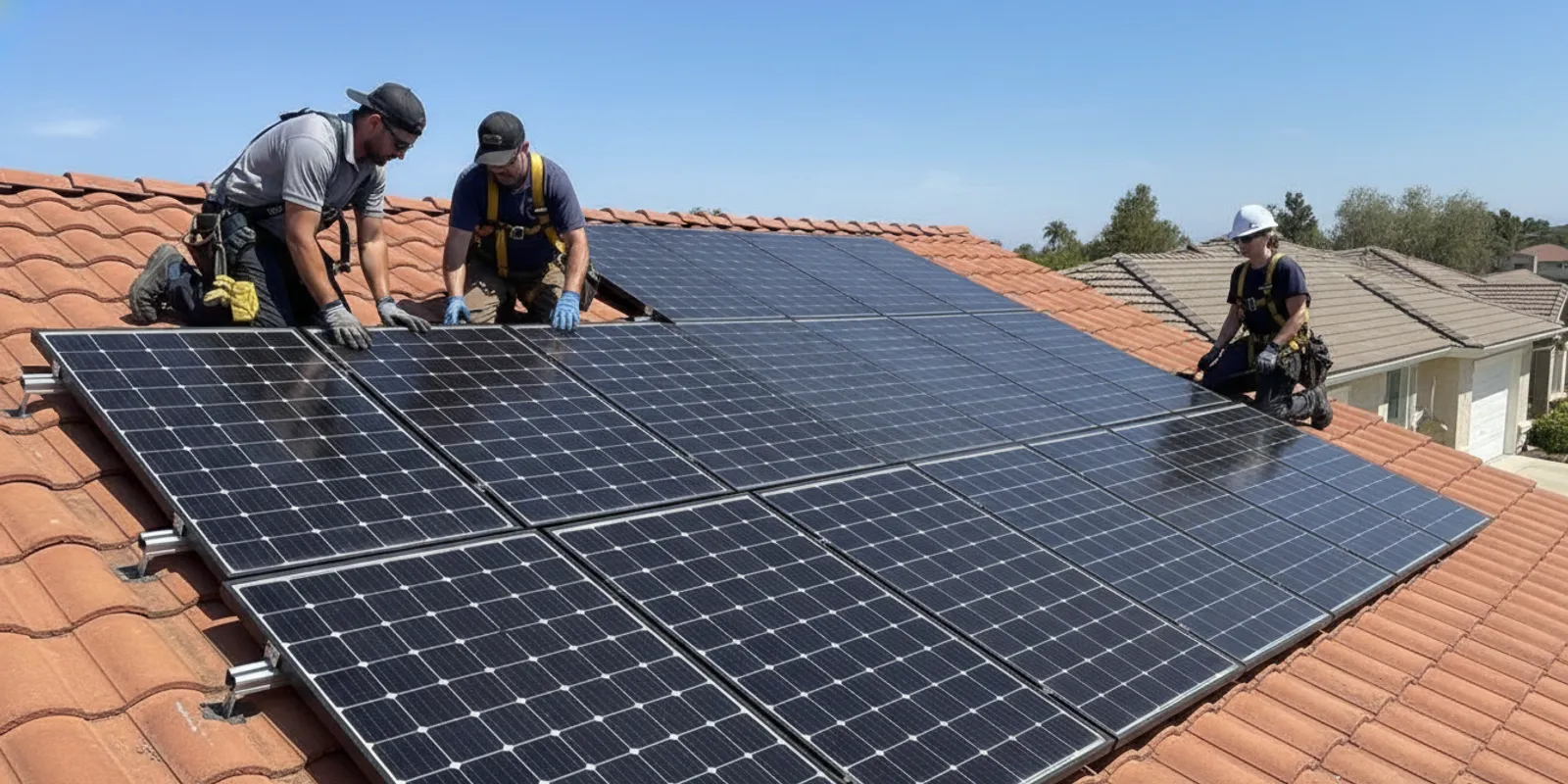
Once plans and required approvals are in place, the crew prepares the work area and installs system components. Depending on the design, this can include roof attachments, racking, photovoltaic modules, conduit and wiring, inverter equipment, and the connection to the home’s electrical system. The sequence varies by roof and system design.
Mounting points must be placed and sealed appropriately for the roof assembly. Wiring must follow the approved design and applicable electrical requirements. Inverter equipment needs a suitable location with service access and manufacturer-specified clearances. These details affect safe operation and future maintenance.
Homeowners can help by clearing access to the driveway, electrical panel, and work areas. Keep children and pets away from active work zones. Ask what areas need to remain accessible and whether any brief interruption to household power is planned. Do not climb onto the roof or attempt to connect the system yourself.
How are inspection and activation completed?
After installation, the project may require inspection by the relevant authority. The inspector checks work against applicable plans and requirements. If corrections are requested, those need to be completed and reinspected as required. Ask for an explanation of the inspection result and remaining steps.
Utility approval and system activation follow the applicable process. A monitoring application or inverter display can show production after activation, but that does not replace permission to operate. Confirm the installer has explained monitoring, equipment documentation, and whom to contact if an alert appears.
Can you install solar panels yourself?
Homeowners can research and plan, but roof work and electrical connections involve hazards and technical requirements. A DIY attempt can create fall, shock, fire, roof-leak, permitting, and interconnection problems. Work requiring permits or licensed trade expertise should be handled by qualified professionals, with requirements confirmed for the specific property.
When evaluating a contractor, ask who performs the electrical work, how permits and inspections are handled, and how the proposed system connects to your service. Request the scope in writing. Review the professional solar installation page for AAAES’s service path. For ongoing system concerns, AAAES also provides solar repair in Sacramento.
How should Sacramento homeowners prepare?
Before requesting an assessment, gather what you know about roof age, prior repairs, shade changes, and planned home improvements. If available, have a recent utility bill on hand to help explain household usage. You do not need to calculate a system design yourself; this information helps the professional ask useful questions.
- Note roof repairs, leaks, or a likely replacement timeline.
- Identify trees or structures that shade the roof during the day.
- Tell the installer about electrical panel issues or planned additions.
- Ask what equipment and labor are included in the written scope.
- Confirm who handles permits, inspections, and utility paperwork.
- Ask what documentation and handoff you will receive.
When comparing proposals, compare equipment, layout, electrical work, permits, exclusions, warranties, and the steps required before operation. If one proposal excludes panel work or roof repairs, account for that difference instead of comparing totals without context.
What should you ask before choosing an installer?
Focus on responsibilities and scope. Ask how assessment informs design, what happens if roof or panel conditions differ from expectations, and which approvals remain after installation. Also ask how schedule changes will be communicated and who is your contact for technical questions.
Discuss price before work begins. A written proposal should make clear what is included, what could change scope, and how additional work would be approved. AAA Electrical Services provides upfront pricing after diagnosing the work needed; the team can explain the scope and price before work begins. For related electrical work, see residential electrical services.
How does the electrical connection fit into the project?
The roof array is only one part of a residential solar system. The design must account for the route from modules to inverter and from inverter to the home's electrical service. Project documents should explain where conduit and equipment will go and which parts of the home may be accessed.
Ask how the system will connect to the existing service and whether the proposal assumes the panel can accept the connection as designed. An installer may need to evaluate the panel's condition, available capacity, breaker spaces, and planned solar configuration. Do not assume every home needs a panel replacement, but ask for a clear explanation if work is recommended. A written scope should distinguish solar installation from separate electrical upgrades.
Think through equipment placement as well. Inverter and related equipment need a location that follows manufacturer instructions and applicable requirements. It should allow access for inspection, monitoring, and future service. If the suggested spot conflicts with storage, landscaping, or access to other equipment, raise that before the layout is finalized. Changes can be easier to consider during design than after installation.
What should you check in the written proposal?
A proposal is useful when it identifies what is being installed and what the contractor is responsible for. Look beyond system size or module count. Confirm that it describes equipment, mounting approach, electrical connection, permit handling, inspection coordination, and utility paperwork. If an item is excluded, ask who will arrange it and whether it can affect the schedule.
- Equipment: Identify the proposed modules, inverter, and other components, including options that could change the design.
- Roof work: Confirm which attachments and weatherproofing work are included and how unexpected roof conditions are handled.
- Electrical scope: Clarify the connection point, wiring route, panel work, and repairs that are excluded.
- Approvals: Identify who submits permit and interconnection documents, tracks review, schedules inspections, and shares updates.
- Closeout: Ask what manuals, warranty records, system documents, monitoring instructions, and contact details you will receive.
Compare proposals line by line rather than assuming similar totals cover the same work. One plan may include electrical changes or permit coordination while another leaves those responsibilities to you. Write down unanswered questions and request a revised scope if an answer changes what is included. Confirm how a change order would be explained and approved if site conditions differ from the assessment.
What can change after the initial assessment?
An assessment is based on the information available at that time. A closer review, permit feedback, or conditions uncovered during work can prompt a design adjustment. A roof obstruction might affect the module layout, for example, or an electrical review might identify a connection detail needing further evaluation. These possibilities do not automatically make a project unsuitable; they mean the scope needs a clear process for resolving differences.
Before work begins, ask whom to contact if the crew finds a condition that was not visible during assessment. Agree that changes will be explained before additional work proceeds. The explanation should identify what changed, why it matters, whether approvals must be revised, and how the sequence may be affected. Keep updated documents with the original proposal so the completed work can be compared with the agreed plan.
Share relevant information early. Mention roof repairs, active leaks, electrical concerns, remodeling plans, and known utility or service constraints. Tell the installer about planned roof replacement, a room addition, or a major electrical project. A proposal made without those details may need to be revisited later.
How can you plan the work area and household schedule?
As the project date is coordinated, confirm the expected arrival window, how long the crew expects to be on site, and whether work may continue on another day. The total project timeline and the time spent at home are not the same: design review and approvals may happen separately from installation. Ask which milestones are complete and which still depend on outside review.
On installation day, provide a clear path to the electrical panel and agreed equipment locations. Move vehicles if driveway access is needed, and keep pets and children away from ladders, tools, and work areas. Ask whether someone needs to be home for access or decisions. If a brief power interruption is expected, learn what equipment to shut down and when service is expected to return.
Do not try to speed the work by moving equipment, opening electrical enclosures, or climbing onto the roof. If something concerns you, raise it with the site lead instead of handling it yourself. Your role is to provide access, share relevant information, and review the closeout—not to direct technical installation steps.
What should the final handoff include?
Before considering the project complete, ask what was installed and the status of every remaining approval. The handoff should make clear whether the system is authorized to operate or whether inspection, utility review, or another step is pending. Physical completion, permission to operate, and the first production reading are distinct milestones.
Request equipment and system documents, including applicable manufacturer information, warranty records, permit and inspection results, and monitoring instructions. Ask how to identify normal operation and whom to contact if the display, application, or system reports an alert. Keep these materials with the final plans and scope. If monitoring access is included, make sure you know how to sign in and what information the system presents.
Review exterior and interior work areas with the installer. Confirm debris has been removed, access panels are closed, and agreed work is complete. If there is an open item, record who owns it and the expected next update. This closeout check gives everyone a shared understanding of what is finished and what remains.
Frequently asked questions
How long does solar panel installation take?
On-site work is only one part of the schedule. Assessment, design, permitting, inspection, and utility coordination can add steps before and after installation. Timing depends on the home, scope, and approvals, so ask the installer for the expected sequence and updates.
Does installation always require electrical panel work?
No. Whether existing equipment can support the proposed connection depends on its condition, capacity, and system design. The assessment should identify needed electrical work before the project proceeds.
Can the system be switched on as soon as panels are installed?
Not necessarily. Required inspections and utility interconnection steps may need to be completed first. Confirm the authorization process with the installer and utility before operating the system.
What if my roof is shaded?
Shade can affect system design and expected production. The assessment should consider shade patterns and explain how they affect panel placement and the proposal. Mention expected tree growth or roof changes during the assessment.
Where can you get help with a solar installation?
Solar installation is a coordinated project involving your roof, electrical system, permits, and utility requirements. A careful assessment and written scope help you understand what the work includes and what must happen before the system operates. AAA Electrical Services serves Sacramento-area homeowners and can discuss the project and next steps.
Request a solar installation consultation
Call AAA Electrical Services at 916-972-7515 to discuss your home and confirm scheduling with the team.
Need an electrician in Sacramento? See AAA Electrical Services in Sacramento