A warning light on your inverter, a breaker that trips again, or a sudden drop in solar production can leave you unsure what to do next. Some system changes may have a simple explanation, but electrical faults and damaged equipment need professional attention. Solar panel repair is not a do-it-yourself roof project: panels and wiring can remain hazardous even when the system is switched off. Keep clear of damaged equipment, save any alerts, and ask a qualified technician to inspect the system. Here’s how to recognize issues that need service, understand your repair options, and prepare for an inspection in the Sacramento area.
Key Takeaways
- Track changes in solar performance: Note ongoing drops in energy production, system alerts, unusual sounds, or visible damage, and share those details with a technician.
- Leave roof and electrical work to qualified professionals: Don’t climb onto the roof, touch wiring, or open equipment. Keep clear of smoke, sparks, exposed wires, or burning smells.
- Review repair options before approving work: Request a written diagnosis and itemized estimate, check warranty terms, and confirm what testing and follow-up are included.
What Are the Signs You Need Solar Panel Repair?
Solar panels need relatively little routine attention, but changes in system performance or visible damage can signal a problem. Check your monitoring app or inverter display from time to time so you know what normal production looks like. Pay attention to alerts, sudden drops in output, or a system that stops reporting data. A single low-production day may reflect clouds or shorter daylight hours, but a persistent change is worth checking.
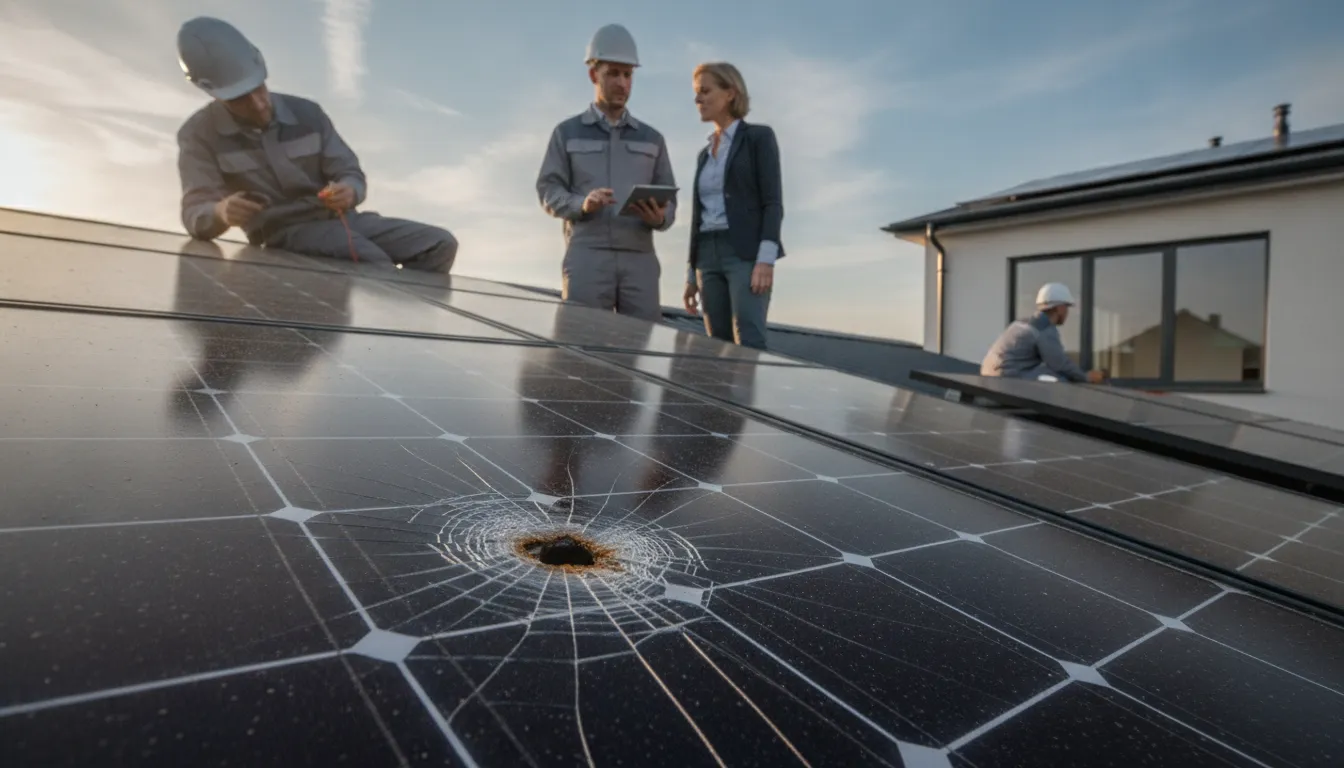
You can also look for obvious damage from the ground, such as cracked glass or loose-looking hardware. Don’t climb onto the roof, touch panels or wiring, or open electrical equipment to investigate. Solar components can remain energized even when the system is switched off, so leave hands-on inspections and repairs to qualified professionals.
Reduced output can have several causes, including shade, debris, inverter issues, or damaged components. If you notice a warning sign, make a note of when it started and save any monitoring alerts or error messages. AAA Electrical Services offers solar panel maintenance and checkups for Sacramento-area homeowners.
Watch for lower energy production, monitoring alerts, or higher bills
Check your monitoring app or inverter display for a change in production that continues over time. An unfamiliar alert, a sudden drop, or missing system data may mean that a component needs inspection. Compare similar periods when you can, since weather and seasonal daylight affect production. One cloudy day by itself does not necessarily point to a fault.
A higher electric bill can be another clue, especially if your household’s energy use has stayed about the same. However, utility rates, billing periods, and changes in how much electricity you use can also affect the total. If the drop or alert persists, share your monitoring history and recent bills with a technician. Lower production and monitoring alerts can indicate that a solar system needs attention.
Look for cracked glass, discoloration, loose hardware, or damaged wiring
From a safe spot on the ground, look for cracked or chipped glass, dark or discolored areas, or mounting hardware that appears loose. You might also notice wires hanging below the panels or visible damage near the inverter. Take a photo if you can do so safely, but don’t climb onto the roof or touch the equipment to get a better view.
Weather, falling branches, animals, and normal wear can all cause damage. Cracked glass may affect panel performance, while damaged wiring can create an electrical hazard. Tell the technician what you noticed and where you saw it, and ask whether the system needs prompt attention. AAA Electrical Services has additional solar panel maintenance tips for homeowners.
Notice inverter errors, breaker trips, buzzing, or shutdowns
The inverter converts the electricity from your panels into power your home can use. If its display shows an error code, your monitoring app reports a fault, or the system shuts down repeatedly, the inverter or another component may need attention. Write down the error message and when it appeared. Don’t open the inverter or reset equipment unless the manufacturer’s instructions specifically say it’s safe.
Repeated breaker trips, unusual buzzing, a burning smell, or visible smoke call for extra caution. Keep people away from affected equipment and contact a qualified electrician or solar technician. Don’t keep resetting a breaker that trips again, since that won’t fix the underlying cause. A professional can test the system and determine whether the issue involves the inverter, wiring, breaker, or another component.
Check for shade, dirt, or debris before assuming damage
A drop in production doesn’t always mean a panel or electrical part has failed. Tree growth, nearby construction, leaves, or dirt can block sunlight and affect output. Look for changes in the area around your panels from the ground, and compare what you see with older photos if available. If debris is on the roof, don’t climb up to remove it.
Cleaning may help when dirt is the cause, but roof access and electrical equipment make do-it-yourself washing risky. Avoid pressure washers and harsh products that could damage panel surfaces or seals. A technician can check whether shading or buildup is affecting performance and recommend a safe next step. Dirt and debris can reduce panel efficiency, but ongoing low production may warrant a system inspection.
Stop using the system and call a professional when needed
If you see smoke, sparks, melted components, exposed wiring, or signs of burning, stay away from the equipment and keep others clear of the area. Contact a qualified professional for guidance. If there is an immediate fire or other emergency, call emergency services. Don’t touch panels, wiring, the inverter, or breakers, and don’t climb onto the roof. Solar equipment can remain electrically hazardous even after it has been switched off.
For less urgent problems, such as repeated alerts or a steady drop in production, schedule an inspection rather than waiting to see whether the issue goes away. Share any error messages and production records with the technician. Damaged solar equipment can pose electrical and fire risks, so leave testing and repairs to qualified professionals.
What Solar Panel Problems Need Repair?
A solar system includes more than the panels on your roof. Inverters, wiring, connectors, breakers, monitoring equipment, mounting hardware, and the roof all affect how safely and reliably it operates. A fault in one component can lower energy production or interrupt the system.
A drop in output doesn’t always mean something is broken. Dirt, debris, shade, or a monitoring issue could be responsible. But cracked panels, loose connections, repeated breaker trips, and visible roof damage need professional attention. If you notice exposed wires, buzzing, or a burning smell, keep away from the equipment and contact a qualified technician. Don’t open electrical enclosures or climb onto the roof to investigate.
A professional inspection can help pinpoint the problem and identify the right repair. Sacramento homeowners can schedule a solar checkup to have their system assessed. These are some of the issues a technician may find.
Repair panel damage, failed connectors, or loose connections
Cracks, chips, or broken glass can affect a panel’s performance and may let moisture reach electrical components. Connectors and wiring can also loosen or fail over time, interrupting the flow of electricity. Some connection problems aren’t visible from the ground, so don’t touch cables or try to inspect the back of a panel yourself.
If you see panel damage or exposed wiring, or notice a sudden change in energy production, arrange a professional inspection. SolarReviews’ repair guide identifies damaged panels and wiring problems as common reasons for service. A technician can check whether a component can be repaired or needs replacement, then inspect nearby connections to make sure the fault hasn’t affected other parts of the system.
Fix inverter, wiring, breaker, or monitoring faults
The inverter converts the electricity from your panels into power your home can use. An inverter error, wiring fault, or tripped breaker can interrupt production. A monitoring problem may also make it difficult to tell how much electricity the system is generating. An alert doesn’t always mean the panels are damaged, but repeated errors or unexplained shutdowns should be checked.
Write down any alerts or error codes, and follow only the troubleshooting steps provided by the system’s manufacturer. Don’t repeatedly reset a breaker or open electrical equipment. Wiring and electrical faults can create safety risks, so have a qualified technician test the system and find the cause. Prompt attention can help limit further damage and restore reliable system readings.
Address roof, mounting, or weather damage
Solar repairs can involve more than the panels. Strong winds, falling branches, or other severe weather may damage mounting hardware, shift panels, or harm the roof beneath the array. A tilted panel, loose hardware, water stains, or a leak near the system are reasons to arrange a professional assessment.
Work on the roof may require panels to be removed and reinstalled, so repairs may involve both a solar technician and a roofing professional. Fixr’s solar maintenance guide explains that weather damage can affect mounting systems and roofs. Don’t climb onto the roof or try to tighten mounts yourself. A professional can inspect the area and explain whether panels need to be moved to complete the repair safely.
Resolve some issues with cleaning or system adjustments
Reduced production can sometimes stem from dirt, leaves, or shade rather than a failed component. Tree growth or debris may block sunlight, while a monitoring or communication issue can lead to inaccurate readings. Check for obvious shade or debris from the ground, and compare your system’s readings with its recent production history.
Avoid abrasive tools, harsh cleaners, or using a ladder to reach the panels. Roofs can be slippery, and improper cleaning may damage the equipment. If debris is difficult to reach, or production stays low after an obstruction is addressed, ask a technician to inspect the system. A professional can determine whether it needs cleaning, a monitoring adjustment, or electrical repair. A solar inspection can also help distinguish routine maintenance from a component problem.
Should You Repair or Replace Solar Panels?
Repair panels or components when it’s safe and practical
A repair may be the right choice when a problem is limited to one part and the rest of the system is in good condition. A damaged connector, loose connection, or isolated panel issue may be repairable without replacing the full array. The best option depends on what caused the problem, so have a qualified technician inspect the system before deciding.
Costs depend on the fault, labor, parts, and warranty coverage. SolarReviews’ guide to solar panel repairs estimates that a single repair can cost between $400 and $1,000. Use that figure as a general reference, not a quote for your system. Ask for a written diagnosis and estimate, and confirm which parts of the system will be repaired.
Consider replacing panels, inverters, or wiring when needed
Replacing a component may be more practical when it has failed, can’t be repaired safely, or is no longer compatible with the system. An inverter, for example, can fail while the panels are still producing power. Damaged or aging wiring may also need replacement to restore safe, reliable operation.
Replacement doesn’t always mean removing every panel. A technician can check whether the failed part can be replaced while keeping the rest of the system in service. Costs depend on the equipment and installation requirements. ConsumerAffairs’ solar cost guide cites a range of $1,000 to $3,000 for replacing an inverter that is no longer under warranty. Ask for an itemized estimate that explains the recommended work and any alternatives.
Weigh system age, repeat failures, repair costs, and parts availability
Consider the condition of the whole system, including its panels, inverter, wiring, and mounting hardware. If the same fault keeps returning, repairs are becoming more involved, or replacement parts are hard to source, ask whether continued repairs make sense. A technician can compare the costs and explain whether replacing one component or a larger portion of the system is the better option.
Safety is an important part of that decision. Damaged wiring or connections can affect system performance and may create electrical hazards. A solar maintenance cost guide notes that replacement may be more cost-effective for older systems with recurring failures. Ask the technician to identify what is failing, what may have caused it, and how each proposed option addresses the issue.
Check warranties before approving work
Review the warranties for your panels, inverter, and installation before authorizing repairs. Coverage varies, and an equipment warranty may not include the labor needed to diagnose or replace a failed part. Check whether the specific problem is covered, what documentation the manufacturer requires, and whether the work must be completed by an approved provider.
Ask your technician to identify the affected equipment and provide details you can share with the warranty provider. SolarReviews’ overview of repair costs and warranty coverage highlights the importance of checking labor coverage before proceeding. If you’re unsure about your system’s condition, AAA Electrical Services offers a solar checkup for homeowners in the Sacramento area. Confirm how any proposed repair could affect your existing coverage.
Leave electrical tests and roof work to qualified technicians
Solar systems involve rooftop equipment and electrical connections, so troubleshooting can carry fall and shock risks. Don’t climb onto the roof, open electrical equipment, or test wiring yourself. If you see exposed wires or visible damage, hear unusual sounds, or notice repeated breaker trips, keep clear of the equipment and contact a professional.
A qualified technician can inspect the panels, mounts, inverter, and connections using appropriate safety procedures. Before scheduling work, ask about experience with residential solar systems, licensing, insurance, and warranty considerations. AAA Electrical Services provides residential electrical services in the Sacramento area, including solar system checkups. Share any monitoring alerts, changes in energy production, or previous repair records so the technician has useful context before the inspection.
What Happens During Solar Panel Diagnostics?
Solar panel diagnostics help identify why a system is producing less energy or showing an alert. A technician reviews the system’s performance, inspects its equipment, and explains what repairs may be needed. If you’re in the Sacramento area, scheduling a professional solar checkup can help you get a clearer picture of your system’s condition.
Review energy production, monitoring data, and system history
A technician may begin by reviewing your monitoring app, utility bills, and records of previous service. They’ll compare recent energy production with past performance to see when output changed and whether the drop is ongoing. Monitoring alerts can offer helpful clues, but they may not identify the cause on their own. Reduced production can stem from equipment or wiring issues, shade, or other site conditions.
Before the visit, make a note of error messages, changes in your bills, and when you first noticed a problem. Share records of previous repairs, too. This context can help the technician focus the inspection. Reviewing historical performance data can also help pinpoint when an issue started and assess the system’s overall condition.
Inspect panels, mounts, inverters, and connections
The technician will inspect accessible parts of the system, which may include the panels, mounting hardware, inverter, wiring, and electrical connections. They’ll look for visible concerns such as cracked glass, discoloration, loose mounts, or damaged conduit. Some electrical problems aren’t visible, so the technician may use testing equipment to investigate further.
Tell them about any buzzing or humming sounds, repeated breaker trips, inverter errors, or unexpected shutdowns. These symptoms can help narrow down the cause and may point to a wiring or connection problem. AAA Electrical Services offers guidance on electrical panel issues, but testing solar equipment and making repairs should be left to qualified professionals.
Get a written diagnosis and estimate before repairs start
Once the inspection and tests are complete, ask the technician to explain what they found, which parts are affected, and what work they recommend. Request a written estimate that clearly lists diagnostic fees, labor, parts, and any other expected charges. If the cause isn’t clear or more testing is needed, ask what those tests involve and whether they’ll change the estimate.
Before approving the work, check whether the proposed repair could affect an existing equipment warranty. Ask whether permits are required, whether follow-up testing is included, and what to expect if the repair doesn’t fix the issue. A written diagnosis and estimate make it easier to understand your options and decide what to do next, without surprises about the scope or expected cost.
Verify the repair and system operation afterward
When the repair is complete, ask the technician to show you what was fixed and confirm that the system is operating as expected. Depending on the issue, this may involve checking inverter status, electrical connections, monitoring data, or energy production. Ask whether alerts should clear right away or if it may take time for updated performance information to appear in your monitoring app.
Keep the repair invoice, test results, and any warranty details with your solar records. If energy production remains low or the same alert returns, contact the service provider and describe what you’re seeing. Follow-up checks are important because a problem may come from wiring or connections rather than the panels themselves. This overview of solar panel maintenance also notes why checking system operation after repairs matters.
How Much Does Solar Panel Repair Cost?
Solar panel repair costs vary based on the problem, the parts required, and how easy the system is to access. As a general benchmark, SolarReviews estimates that a single repair visit often costs between $400 and $1,000. That range may include diagnostics, labor, and parts, but the final price for your home depends on the work involved. A service visit alone may cost $200 to $300.
Online estimates can help you prepare, but they can’t replace an inspection. A panel crack, an inverter fault, and a wiring issue each call for different tests and repairs. Roof pitch, system layout, and equipment location can also affect labor. If your energy production drops or your monitoring app shows an alert, note when the issue started and save any relevant screenshots. Sharing those details can help the technician investigate.
For Sacramento-area homeowners, a solar system checkup can help identify the source of a performance issue and determine what work may be needed. Before approving a repair, ask for a written estimate that explains the diagnosis, recommended work, and expected charges.
Factor in diagnostics, labor, parts, and roof access
A solar repair estimate may include diagnostic testing, a service call, labor, replacement parts, and system checks after the work. The price can rise if the technician needs to inspect several components, trace a wiring problem, or reach equipment on a steep or difficult roof. The type of repair also matters: replacing a part is different from locating an intermittent connection fault.
Ask whether the diagnostic fee is separate from the repair cost and whether it will be credited if you proceed with the work. Request an itemized estimate when possible, so you can see what you’re paying for and compare quotes on the same basis. If roof access or specialized equipment affects the price, ask the provider to explain those charges before work begins.
Compare costs for panel, inverter, wiring, and monitoring repairs
The component that needs attention can make a significant difference to the bill. ConsumerAffairs reports typical ranges of $200 to $500 for a damaged panel, $200 to $800 for wiring or connection problems, and $100 to $500 for monitoring system upgrades. These figures are broad estimates, not guaranteed prices for a specific repair.
Inverter costs vary by equipment type, system age, and parts availability. Ask the technician to identify the faulty component and explain why repair or replacement makes sense. If a quote includes a new inverter, check whether it also covers installation, configuration, and a test to confirm that the system and monitoring app are working properly. Comparing the work included in each quote is more useful than comparing totals alone.
Expect estimates to vary by system, damage, and location
Even similar solar systems can require different repairs. One home may need a single panel replaced, while another may have a wiring fault that takes time to locate. System design, roof access, equipment availability, and local labor rates can all affect the estimate. Online price ranges offer a starting point, but they can’t account for the condition and layout of your particular system.
Ask for an estimate based on an inspection and appropriate testing. If the proposed work is extensive or costly, consider getting another qualified opinion. Ask each provider to describe the fault, the recommended repair, and any related issues they found. A clear explanation helps you compare estimates and understand whether a lower quote covers the same work as a higher one.
Ask whether the quote includes troubleshooting, permits, or follow-up
Before approving a repair, confirm what the estimate includes. Ask about troubleshooting, labor, parts, roof access, permits, and any utility coordination that may apply. Not every repair requires a permit or interconnection work, so ask the provider which items are relevant to your system. ConsumerAffairs advises homeowners to clarify whether estimates include troubleshooting, permits, interconnection fees, or future equipment replacement.
Also ask what testing happens after the repair. Will the technician check system operation, confirm that monitoring has resumed, or schedule a follow-up if the same issue returns? Get the scope of work, exclusions, and any follow-up terms in writing. This makes the estimate easier to understand and helps you plan for the full cost before work starts.
Compare repair costs with replacement and warranty options
Repair may be a sensible option when the problem is isolated and compatible parts are available. If a component has failed repeatedly or the repair estimate is a large share of replacement cost, ask the technician to compare both options. Consider the system’s age, the condition of other equipment, and whether replacing one part is likely to resolve the performance issue.
Review your panel, inverter, and installation paperwork before authorizing work. Equipment warranties may cover parts, while labor and workmanship may have separate terms. Ask whether the repair could affect existing coverage and whether the provider can help with a warranty claim. For context, Renewable Energy Solar’s maintenance guide estimates annual solar maintenance at $300 to $850, a figure you can weigh alongside the repair quote and any available warranty coverage.
How Do You Choose a Solar Panel Repair Service in Sacramento?
Solar repairs can involve both roof work and electrical components, so take time to check a provider’s qualifications, pricing, and repair terms before booking. Ask what the inspection includes, who will do the work, and how the technician will confirm your system is operating afterward.
Verify California licensing, insurance, and residential solar experience
Ask for the contractor’s California license number and verify that it covers the work you need through the California Contractors State License Board. Confirm that the company carries liability insurance, too. Then ask about its experience with residential solar repairs, including your type of inverter or monitoring system. Installation experience alone may not cover troubleshooting or repairs.
Before the appointment, share any monitoring alerts, changes in energy production, or visible damage. This can help the technician prepare and explain whether the visit may require roof access. Sacramento homeowners can review AAA Electrical Services’ solar checkup service to learn about its solar maintenance options.
Ask about NABCEP credentials, manufacturer training, and technician qualifications
Ask who will perform the repair and what training they have for your system. Some solar professionals hold credentials from the North American Board of Certified Energy Practitioners, which offers certifications for renewable energy professionals. You can also ask whether technicians have manufacturer training for your panels, inverter, or monitoring equipment.
Credentials are one factor to consider, alongside relevant experience and clear communication. A qualified technician should explain what they found, why a repair is recommended, and whether a proposed replacement part will work with your existing system. If anything is unclear, ask for a plain-language explanation before approving the work.
Check safety practices, upfront pricing, and scheduling
Ask how the company protects your home and its technicians during electrical and roof work. Find out what the service visit includes, whether diagnostics are billed separately, and how the company prices labor and parts. Request an estimate before authorizing repairs, and ask which costs could change after the inspection.
Confirm the soonest available appointment and how long the visit may take. If your system has stopped producing power, mention that when you call. AAA Electrical Services offers residential electrical services and lists clear upfront pricing. Contact the team to confirm the pricing, scheduling, and diagnostic details for your specific solar repair.
Confirm workmanship terms, satisfaction guarantees, and follow-up
Ask what coverage applies to the repair and whether it includes parts, labor, or both. A contractor’s workmanship terms are separate from equipment warranties provided by panel or inverter manufacturers. Before work begins, check whether the repair could affect existing coverage and ask who can help with a warranty claim.
After the repair, request a summary of what the technician fixed and how they checked that the system is operating. Find out whom to contact if the issue returns and whether the company recommends follow-up service. AAA Electrical Services offers a satisfaction guarantee, but ask the team to explain the specific terms that apply to your solar repair before approving the work.
What Do Solar Panel Repair Warranties Cover?
Solar panel repair warranties can cover equipment defects, installation problems, or the repair work itself. The details depend on the manufacturer, original installer, and repair provider, so check the documents for your specific system before approving work. Gather your panel and inverter warranties, installation agreement, and records of previous repairs. Look for the coverage period, exclusions, claim requirements, and any rules about who can perform repairs.
A warranty may cover a replacement part but not the labor needed to install it. Some coverage may also depend on using an authorized technician or getting approval before work begins. If your system is under warranty, contact the manufacturer or original installer to ask what steps to take. For support with a system check in the Sacramento area, AAA Electrical Services offers solar checkups.
It also helps to keep a written record of the issue, including monitoring alerts, production changes, and visible damage. Share those details with the warranty provider and repair technician. A clear diagnosis and written estimate can help you understand which costs may qualify for coverage and what you may need to pay out of pocket.
Review coverage for panels, inverters, and other equipment
Solar systems can have separate warranties for panels, inverters, mounting equipment, and installation. Check each document for the components covered, the length of coverage, and any exclusions. An equipment warranty may address defects in materials or workmanship, while damage from severe weather, pests, or improper maintenance may be treated differently. The Solar Reviews guide to solar repairs notes that coverage varies and may not include repair labor. Keep your purchase records, installation documents, and service receipts together. If you are unsure which warranty applies, contact the manufacturer or installer before scheduling work.
Ask whether the repair provider covers labor, parts, and workmanship
Ask the repair provider to spell out what its warranty includes: parts, labor, and the quality of the completed work. Find out how long the coverage lasts and what to do if the same problem returns. A manufacturer may provide a replacement component while leaving you responsible for the technician’s time and installation costs. The ConsumerAffairs guide to solar costs recommends confirming whether labor is covered, since some warranties apply only to parts. Request the repair terms in writing, and ask whether the estimate includes diagnostics, travel, and follow-up visits.
Distinguish equipment warranties from performance guarantees
An equipment warranty generally covers defects in a panel or another system component. A performance guarantee sets expectations for how much energy the system should produce over a specified period. Lower-than-expected production may warrant an inspection, but it does not by itself prove that a component is defective or that a guarantee applies. Review the guarantee’s production targets, measurement method, and remedy if the system falls short. EnergySage explains the difference between equipment warranties and performance guarantees. If the terms are unclear, ask the provider to identify which document applies to your concern before authorizing repairs.
Check how repairs may affect existing coverage before work begins
Before a technician opens equipment, replaces wiring, or works on the roof, ask the manufacturer or original installer whether the proposed repair could affect your existing coverage. Some warranties require prior approval or repairs by an authorized provider. Keep notes from your conversation and save any written instructions. If the system is still covered, ask the repair company to document the problem, recommended work, and parts needed before starting. Share that information with the warranty provider and confirm next steps in writing. This can help you avoid a denied claim and understand your options before repair costs add up.
Related Articles
- Solar Panel Maintenance
- Solar Panel Check-Up & Cleaning in Sacramento, Fair Oaks, Carmichael & Folsom | AAA Electrical Services
- Panel Repair
- Solar Panel Maintenance
- Electrical Panel Repair Service: Tips for Safe and Efficient Fixes
Frequently Asked Questions
How can I tell if my solar panels need repair?\ Look for a lasting drop in energy production, recurring inverter alerts, repeated breaker trips, or visible damage such as cracked glass or exposed wiring. Compare readings over time, since weather and seasonal daylight can affect output. Keep clear of damaged equipment and ask a qualified technician to inspect it.
Can I repair or clean solar panels myself?\ Avoid climbing onto the roof, touching wiring, or opening electrical equipment. Solar components can remain hazardous even when switched off. If you notice dirt or debris, describe it to a technician rather than trying to remove it from the roof.
How much does solar panel repair usually cost?\ The cost depends on the fault, parts, labor, and roof access. A broad online estimate may help with planning, but only an inspection can show what your system needs. Ask for a written, itemized estimate before approving work.
Should I repair my solar system or replace a component?\ A technician can assess the affected part, the system’s overall condition, repeat failures, and parts availability. A single faulty component may be repairable, while a failed or incompatible part may need replacement. Ask for the reasons behind the recommendation and any available alternatives.
Will my solar warranty cover the repair?\ Coverage varies by equipment, installer, and repair provider. Check your warranty documents and ask the manufacturer or original installer whether labor is included and whether the repair needs prior approval. AAA Electrical Services offers solar checkups for homeowners in the Sacramento area.