
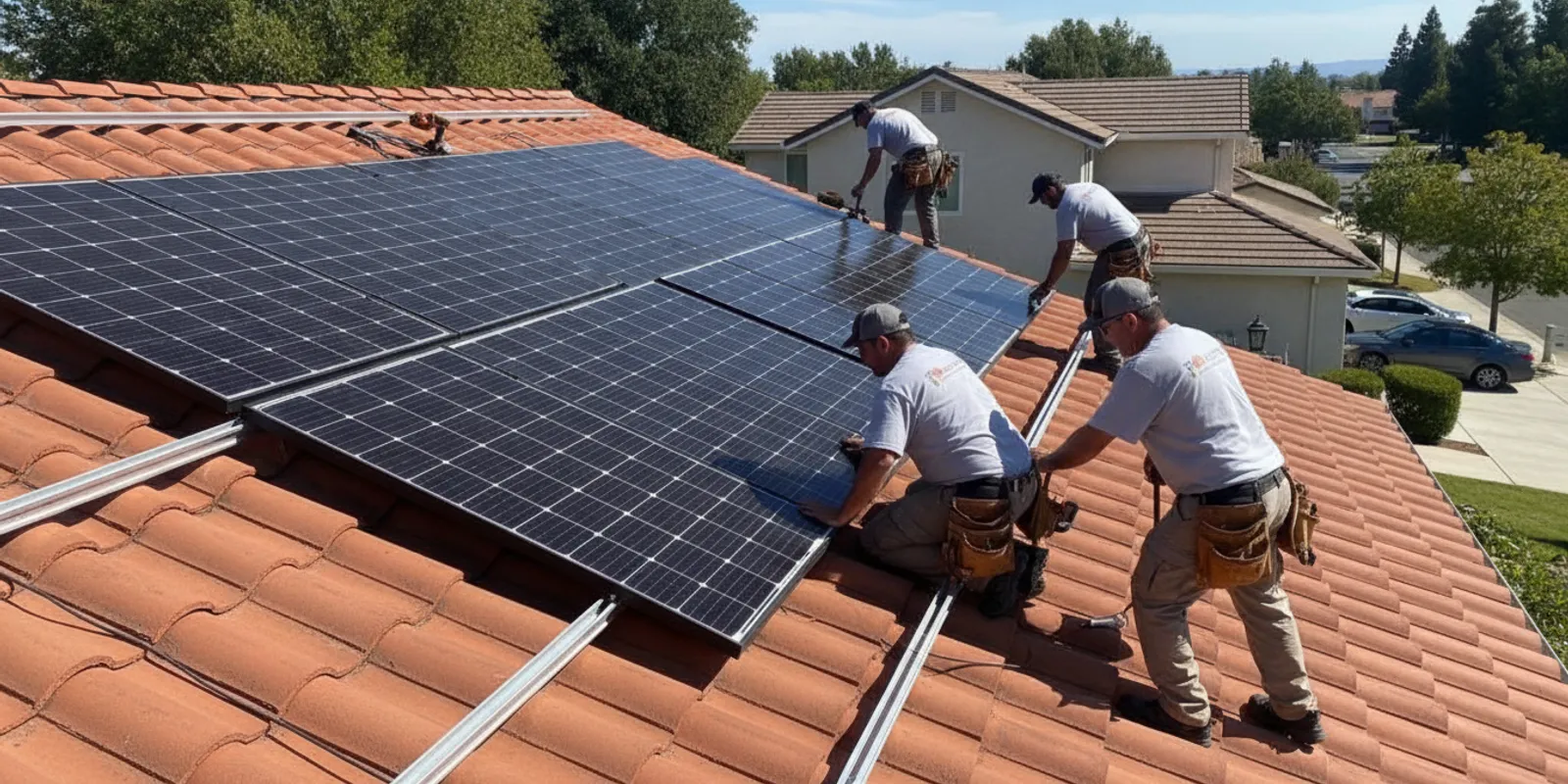
Solar power cost depends on more than the number of panels on a roof. For Sacramento-area homeowners, the right project scope depends on household electricity use, roof layout, equipment choices, electrical service, and whether battery storage is part of the plan. Understanding those factors can help you compare proposals without relying on a generic price that may not match your home.
Discuss a home solar installation
What does a home solar proposal include?
A proposal should describe a specific system for a specific property. It is not just a panel count or an equipment list. The total project scope may include panels, inverters, mounting hardware, wiring, electrical connections, labor, permitting steps, and any needed changes to the home’s electrical system. Battery storage, monitoring equipment, and other optional features may be included or listed separately.
Two homes with similar roof areas can receive different proposals because their electricity use, roof geometry, existing equipment, and project goals are not identical. One homeowner may want to offset a large share of daytime use. Another may be planning for a future electric vehicle or considering backup power. Those aims affect the design conversation, but they do not automatically mean a larger system is the best fit.
Ask the contractor to explain what is included, what is optional, and what assumptions were used. Look for a description of the proposed system, major equipment, installation work, and any items that could change after a site assessment. Clear scope makes it easier to compare bids on an equal basis. If the estimate uses allowances or lists work as conditional, ask what could cause that amount or scope to change.
How does system size affect solar power cost?
System size is one of the main cost drivers. A larger system typically requires more panels, mounting components, wiring, and installation work. But the number of panels should follow a design based on your household’s use and the available roof space, not a rule of thumb based only on home size.
Start by reviewing recent electric bills or usage information. A useful discussion considers how much electricity the household uses across the year and whether that pattern may change. For example, adding an electric vehicle, changing heating or cooling equipment, or planning an addition could affect future demand. Share likely changes with the installer so the design conversation accounts for them rather than treating today’s usage as the whole picture.
It is also worth asking how the proposed system’s expected production was estimated and what roof surfaces were included. Orientation, shade, roof shape, and available area influence how much equipment can reasonably be installed and how it may perform. A proposal should make its assumptions understandable. If you see a system size without an explanation, ask what household usage and roof conditions it is intended to address.
More capacity is not automatically better value. A system designed without regard to the home’s usage or constraints could add equipment that does not match the homeowner’s goals. On the other hand, designing too narrowly may leave a homeowner wishing they had discussed anticipated electrical loads. Ask the contractor to explain the trade-offs between the proposed size and any smaller or larger alternatives. A useful comparison describes the expected production for each design and the assumptions behind it.
For a broader introduction to system components and how they work together, read this guide to solar panels for homeowners. Use general information as a starting point, then ask how the design applies to your roof and usage.
How can the roof change the project scope?
The roof affects both where panels can go and the work required to install them. A broad, relatively simple roof area may offer straightforward placement. Multiple roof planes, limited usable space, obstructions, or shading can make the layout more involved. The installer should assess the actual roof rather than estimating from a satellite image or a street view alone.
Roof condition matters, too. If roofing work is already planned, discuss its timing before the solar installation begins. Coordinating roof work and panel installation may avoid having to remove and reinstall equipment later. The contractor should clarify whether roof repairs or replacement are included in the solar proposal or are outside its scope. Do not assume that the solar price includes roofing work unless the written scope says so.
Ask how the proposed layout accommodates vents, skylights, chimneys, roof edges, and access needs. If shade from trees or nearby structures affects the roof, ask how that was considered in the design. These details can change the equipment arrangement, installation time, and expected output. They also help explain why a neighbor’s system is not necessarily a useful cost comparison for your home.
Homeowners do not need to climb onto the roof to evaluate it. Share any known roof history and ask what the installer needs to inspect safely. If a roof assessment identifies work that should happen first, get the sequence and responsibility documented before agreeing to a schedule. When roof replacement is on your near-term plan, ask whether it is better to complete that work before the panels are installed.
Which equipment choices affect the proposal?
Solar panels are only one part of the system. Inverters convert the electricity produced by panels into a form used by the home. Different system designs use different inverter arrangements, and equipment choices can affect installation details, monitoring, and future service. Ask the contractor to identify the proposed equipment and explain why it fits your roof and goals.
Mounting hardware, wiring, disconnects, and other electrical components also belong in the scope. Their quantity and placement depend on the design and conditions at the home. If the proposal names a model or product line, ask what is included for installation and whether any components are optional. Compare proposals by the complete system and work, not simply by one product specification.
Monitoring can help a homeowner see whether the system is operating and review production information. Ask what monitoring equipment or service is included, how you will access it, and who to contact if the system reports a problem. If you are comparing equipment warranties, separate the product warranty from the contractor’s installation responsibilities. Ask for the applicable terms in writing rather than assuming all warranties cover the same things.
A lower equipment cost may not tell the whole story if the system design, included electrical work, or service terms differ. Likewise, a proposal with more features is not necessarily a better match. Ask the installer to connect each equipment choice to a practical need at your property. For more background on a component that can shape design choices, see this explanation of common solar inverter types.
What electrical work could add to the project?
The solar system has to connect safely with the home’s existing electrical equipment. The condition and capacity of the existing electrical panel, available breaker space, wiring route, and location of equipment can affect the work. A site assessment should determine whether the existing setup can accommodate the proposed system or whether changes need to be discussed.
Panel work is not automatically required for every solar installation. If an upgrade or repair is recommended, ask the electrician to explain the specific reason and how it relates to the planned system. Ask whether the proposed work is included in the solar scope or appears as a separate line item. A clear proposal should help you understand how the work connects to the installation rather than leaving you to infer it from a general allowance.
For a closer look at related work, see the information on electrical panel upgrades. If the home has a panel that raises a safety or compatibility question, bring that up early. The details should be assessed at the property; an article or phone conversation cannot determine which electrical changes your specific home needs.
Wiring distance and the route between system components can also affect labor and materials. An installer may need to plan how wiring reaches the connection point while keeping the work appropriate to the home. Ask where major components are expected to go, whether the proposed route is included, and whether any access or finish work is anticipated. Confirm whether patching or other restoration is part of the quoted scope if the route requires opening a finished surface.
How do permits and utility coordination fit in?
A residential solar project commonly involves steps beyond mounting equipment. Permit applications and required inspections are part of planning an installation, and the utility connection process may have its own documentation and timing. Which steps apply, who prepares them, and how they are handled should be explained in the proposal or project discussion.
Ask who is responsible for preparing and submitting the required paperwork, responding to questions, and arranging inspections. Confirm what the quoted scope includes and whether a fee or task is excluded. Also ask what needs to happen before the system can be operated as intended. Do not assume that installation completion and permission to operate are the same milestone.
Permitting and utility review can affect the overall project schedule, but the timing depends on the project and the relevant review process. A contractor should explain the expected steps and keep you informed if a review requires a change. Treat a schedule as a plan to confirm, not a guarantee that every approval will occur on a particular date.
For Sacramento-area homes, the proposal should be grounded in the property and applicable local requirements. Ask the installer to distinguish their own work from steps handled by an authority or utility. That distinction makes it easier to know who to contact if a document, inspection, or approval is pending. You can also ask what paperwork you should keep after the process is complete.
Does adding a battery change solar power cost?
A battery adds equipment and installation work, so it changes the scope compared with a solar-only system. Whether it makes sense depends on what you want the system to do. Some homeowners are interested in storing some energy for later use; others are focused on solar production without storage. Discuss the purpose first, then ask what the battery would support at your home.
Battery capacity is not the same as a promise to power every appliance in the home. If backup use matters to you, identify the specific circuits or loads you want to prioritize and ask how the proposed system would serve them. Ask what equipment is needed to operate during an outage, what is excluded, and how long the intended loads could be supported under the conditions described. The answer depends on the system design and household use.
A practical way to prepare is to list the equipment you would want to keep running, such as refrigeration, selected lighting, internet equipment, or a medical device. Then ask the contractor to explain which loads the proposed battery can support and what trade-offs apply. Do not assume the system will power the entire home or every high-demand appliance without checking the design details.
Ask whether the battery can be added later, and what work or compatibility checks a future addition would require. A system designed with future options in mind may differ from one that is not. But do not pay for a future-ready feature without understanding its purpose and cost in the proposal. Compare the battery option as its own scope, including equipment, installation, and any related electrical changes.
Solar and storage can be planned alongside backup power questions, but they are not interchangeable by default. If you are unsure how electrical equipment at home may affect a project, review electrical troubleshooting service information and ask a qualified professional to assess the specific conditions. The appropriate approach depends on the loads you want to support and the equipment at your home.
What should Sacramento homeowners know about incentives and financing?
Incentives, rebates, and tax treatment can change, and eligibility may depend on the program, equipment, household circumstances, and timing. Do not treat a promotional claim or a neighbor’s experience as confirmation that you qualify. Ask the program administrator or a qualified tax professional about current rules, and ask the contractor to identify any incentive assumptions made in the proposal. Rebates may be available, but eligibility and amounts are not guaranteed.
Keep the project cost and any potential incentive separate when comparing proposals. Ask for the price and scope before estimating the effect of a possible incentive. If you are considering financing, review the provider’s terms, repayment schedule, and total obligations. Financing is subject to credit approval and provider terms; promotional rates, amounts, and repayment terms vary. Ask the contractor to explain available financing options and review the provider’s terms.
Be careful with comparisons that show only an estimated monthly payment or a projected savings figure. Ask what assumptions support those figures, which costs are included, and whether the estimate accounts for your actual usage, rate plan, and system design. A projected result is not a promise of savings. Your household’s consumption and the system’s performance both matter.
When reviewing any savings estimate, ask what happens if actual usage differs from the assumptions or if the system produces less than the projection. Compare the written project scope and total price separately from any estimate of future bill changes. That keeps a potential financial benefit from obscuring what you are agreeing to buy.
How can you compare solar proposals fairly?
Request proposals that describe comparable scopes. A simple side-by-side review can reveal whether one bid includes a battery, panel work, monitoring, or permitting tasks that another excludes. If the scope differs, ask the contractors to clarify it before comparing totals. If two designs use different equipment or layouts, compare the reasons for the difference rather than assuming the larger system is automatically better.
| Proposal item | What to check | Question to ask |
|---|---|---|
| System design | System size, panel layout, and production assumptions | Which usage and roof details shaped this design? |
| Roof and mounting | Included mounting work and any roof-related exclusions | Does this proposal assume roof repairs or replacement? |
| Electrical scope | Panel, wiring, and connection work; separate items | What specific electrical work is included or conditional? |
| Equipment | Panels, inverters, monitoring, and optional storage | Which components are included, and what are their terms? |
| Approvals | Permit, inspection, and utility coordination responsibilities | Who handles each step, and what is outside the proposal? |
| Price and changes | Written total, exclusions, allowances, and change process | What conditions could change the scope or total? |
Also ask how a change discovered during installation would be documented and approved. A written process helps avoid misunderstandings about additional work. Before accepting a proposal, confirm the expected project stages, payment terms, warranty documents, and how to reach the contractor with a question. Keep copies of the proposal and any revisions.
AAA Electrical Services works on residential solar projects in the Sacramento area. Homeowners can review the company’s service locations to see its coverage area. A conversation about solar repair and service is a different starting point from planning a new system, so be clear about whether you are installing, maintaining, or repairing equipment. For a new project, the home solar installation page outlines the service path. An assessment can clarify the property-specific scope and upfront price before work begins.
What happens during a solar installation assessment?
An assessment is a chance to connect your goals with the conditions at your home. Be ready to discuss electric usage, planned changes such as a vehicle or heating equipment, roof history, and whether backup power is important. If you have utility bills or system records, ask what information would be useful to review.
The team may need to assess the roof, electrical equipment, and possible routes for system components. Ask what can be determined during the visit and what additional information or review may be needed. If the assessment identifies a panel concern, roof work, or another prerequisite, ask for a clear explanation and how it affects the proposed scope.
Before approving work, review the written proposal and ask questions about each line item you do not understand. Confirm the equipment, included tasks, exclusions, approval steps, and how changes are handled. Request the price before the work begins. A tailored assessment is more useful than relying on a broad online figure because it addresses the actual home rather than an assumed roof and electrical setup.
Request a solar installation assessment
Frequently asked questions
Can I estimate solar power cost from my monthly bill?
A bill helps show how much electricity the household uses, but it cannot establish an exact project cost by itself. Roof layout, equipment, electrical work, permitting, and storage choices also affect the proposal. Use usage information to begin the conversation, then compare a site-specific written scope.
Does every home need an electrical panel upgrade for solar?
No single answer applies to every home. The existing panel and proposed system need to be assessed together. Ask the contractor to explain the reason for any recommended panel work and whether it is included in the solar proposal or quoted separately.
Should I include a battery with a new solar system?
That depends on your goals and the design. If backup power is important, identify the loads you want to support and ask what equipment and capacity are proposed. Compare the battery scope separately and confirm what it can and cannot power.
Are rebates guaranteed to reduce the project total?
No. Rebates may be available, but program rules and eligibility can change. Verify current requirements with the program administrator and do not treat a potential incentive as a confirmed reduction to the written project price.
How should you take the next step?
Use a written, property-specific proposal to understand your solar power cost. Compare system size, roof work, equipment, electrical scope, approvals, and optional storage, and ask how any exclusions or changes would be handled. AAA Electrical Services serves Sacramento and surrounding communities; call 916-972-7515 or request service to discuss your home and confirm scheduling.