If you have heard the term but are unsure what is a heat pump, the short answer is that it is a heating and cooling system that moves heat from one place to another. In summer, it moves indoor heat outdoors. In heating mode, it draws heat from outdoor air and transfers it into the home. For Sacramento homeowners, that means one system can provide comfort through both cool and mild winter weather.
Explore heating and air services
What is a heat pump?
A heat pump is an electrically powered system that transfers heat using a refrigerant circuit. It does not create warmth by burning fuel in the way a gas furnace does. Instead, it uses a compressor, coils, and a reversing valve to move heat between indoors and outdoors. The word “pump” describes that transfer, not a device that generates heat from nothing.
A refrigerator works on a related principle: it removes heat from the food compartment and releases it into the room. A home heat pump is larger and can reverse the direction of heat transfer. That reversible cycle lets one system provide cooling in warm weather and heating when temperatures fall.
How does a heat pump work?
The system circulates refrigerant through indoor and outdoor coils. A compressor changes the refrigerant’s pressure, while the coils allow it to absorb or release heat. A fan moves air across a coil so heat can pass between the refrigerant and the air. The reversing valve changes the refrigerant’s path when the system switches from cooling to heating.
Cooling mode
When the thermostat calls for cooling, warm indoor air passes over the indoor coil. The refrigerant absorbs heat from that air, and the blower sends cooled air back into the home. The refrigerant carries the collected heat to the outdoor unit. There, the outdoor coil releases heat into the outside air, aided by the outdoor fan.
This is why the outdoor unit may feel warm while the system is cooling: it is carrying heat away from the house. The equipment does not make heat disappear; it moves it outdoors. If the outdoor unit is obstructed or the indoor airflow is restricted, heat transfer may be affected.
Heating mode
When the thermostat calls for heat, the reversing valve changes the direction of refrigerant flow. The outdoor coil absorbs heat from outdoor air, and the refrigerant carries that heat indoors. The indoor coil releases it into the home’s air. Even cool outdoor air contains heat energy that a heat pump can transfer.
On colder days, a system may run longer or use supplemental heat, depending on the equipment and the home. Some systems have auxiliary electric heat; others may be paired with another heating source. Ask which arrangement applies to your system, how it is controlled, and what you should expect during colder weather. Do not assume every heat pump has the same backup setup.
What are the main parts of a heat pump?
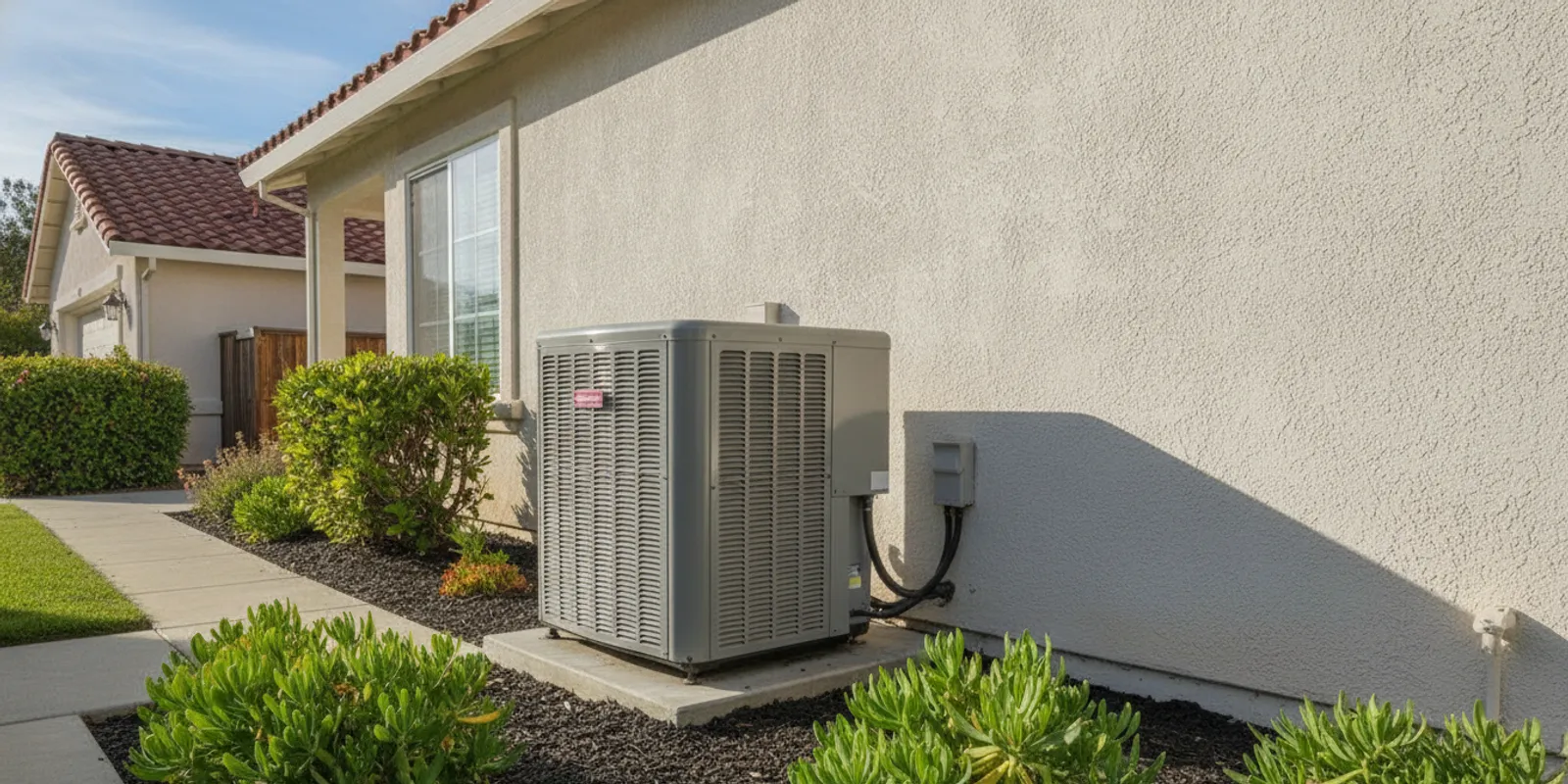
- Outdoor unit: In many common systems, it houses the compressor, outdoor coil, and fan.
- Indoor coil or air handler: Transfers heat to or from the indoor air and circulates that air through ducts or an indoor unit.
- Refrigerant lines: Carry refrigerant between indoor and outdoor components.
- Reversing valve: Redirects refrigerant so the system can change between heating and cooling.
- Thermostat and controls: Signal when to run and select the operating mode.
- Air distribution: Ducts and vents, or wall-mounted indoor units, deliver conditioned air to living spaces.
Not every installation looks alike. A ducted heat pump connects to an air handler and the home’s duct system. A ductless mini-split uses one or more indoor units connected to an outdoor unit. A home can also have multiple zones, each with separate controls. Equipment layout depends on the building, the existing system, and the comfort goals.
Heat pump, furnace, and air conditioner: what is different?
A standard air conditioner moves indoor heat outside for cooling. A furnace generates heat, commonly by burning gas, and distributes it through the home. A heat pump performs the cooling task and reverses its cycle to provide heating. The comparison below describes function, not a recommendation for every house.
| System | Cooling | Heating | Questions to consider |
|---|---|---|---|
| Air conditioner with furnace | Air conditioner moves indoor heat outdoors | Furnace generates and distributes heat | Are both pieces in suitable condition, and do their controls and ducts work together? |
| Ducted heat pump | Moves indoor heat outdoors | Reverses the cycle to move heat indoors | Can the ducts, electrical service, and equipment location support the proposed system? |
| Ductless mini-split heat pump | Indoor units transfer heat outdoors | Reverses the cycle to warm selected rooms or zones | How many indoor units are needed, and where can they be placed for useful coverage? |
Existing ducts, insulation, electrical capacity, room layout, and current equipment condition all affect the practical choice. A system that is suitable for one house may not suit another, even if the homes are in the same neighborhood.
What should Sacramento homeowners consider?
Sacramento has hot summers and cooler winter periods. A heat pump may be considered for both seasons, but it still needs to be selected for the house rather than chosen by name alone. A thorough evaluation considers the home’s heating and cooling needs, equipment location, duct condition, electrical service, insulation, and how household members use different rooms.
For example, imagine a house where the living room feels comfortable but a back bedroom stays warm in summer. Replacing the outdoor unit alone may not address a blocked return, leaky duct, inadequate airflow, or room-specific heat gain. The useful first question is not simply “What size unit should I buy?” but “What is causing the comfort difference, and what system changes would address it?”
In another home, a homeowner may be replacing an aging furnace and air conditioner at the same time. The evaluation should establish whether the existing ducts can be reused, whether electrical modifications are needed, and how the thermostat will manage heating and cooling. If a remodeled addition is poorly served by existing ducts, ask whether a ductless zone is an appropriate option rather than assuming it will work in every layout.
AAA Electrical Services provides residential HVAC service in the Sacramento area, including heat pump work. Availability and appointment timing should be confirmed with the team.
What affects comfort and system performance?
A heat pump’s performance depends on more than its nameplate. The design and the condition of the air path matter. A properly selected unit can still struggle if airflow is restricted, while a well-maintained system cannot correct every insulation or duct problem by itself.
- Equipment sizing: Capacity should be matched to the home’s heating and cooling requirements. A contractor should explain the basis for the recommendation, not select equipment only by the size of the old unit.
- Installation and setup: Refrigerant charge, airflow, electrical connections, controls, and commissioning affect operation. These are professional tasks, not homeowner adjustments.
- Duct condition: Leaks, crushed sections, poor balancing, or blocked returns can contribute to uneven temperatures.
- Thermostat behavior: Large repeated changes to the setpoint may affect how long the equipment runs. Use the controls as directed for your system and ask about schedules or modes you do not understand.
- Outdoor clearance: Leaves and other debris around the outdoor unit can obstruct airflow. Keep the area clear without removing panels or reaching into the equipment.
- Filter care: Follow the manufacturer’s filter guidance. A loaded filter can restrict airflow, but filter type and replacement interval vary by system and household conditions.
If the system seems to run constantly, that observation alone does not identify the cause. Outdoor conditions, thermostat settings, airflow, system sizing, and a fault can all affect run time. Note whether the system is heating or cooling, the outdoor conditions, and whether the temperature indoors is changing. Those details help make a service conversation more useful.
What can you safely check before requesting service?
Start with simple observations. Do not open electrical compartments, remove equipment panels, or handle refrigerant. A homeowner can check settings and visible conditions without attempting a repair.
- Confirm that the thermostat is set to the mode you intend and that the displayed temperature is reasonable.
- Check whether the filter needs attention, following the instructions for your particular equipment.
- Make sure supply registers and return grilles are not covered by rugs, furniture, or stored items.
- From a safe distance, look for leaves, plants, or other debris restricting the outdoor unit’s air space. Do not reach through the grille or remove panels.
- Write down any unusual sound, odor, error message, or pattern, including when it starts and whether the system was heating or cooling.
- Notice whether one room or the whole home is affected. A single-room concern and a whole-house loss of heating may point to different diagnostic questions.
If you notice smoke, sparking, or a burning odor, stop using the equipment if you can do so safely and seek professional help. Do not attempt internal electrical repairs or refrigerant work. For other symptoms, a technician can diagnose the system and explain repair options and the upfront price before work begins.
When might a heat pump be worth discussing?
A heat pump may be worth evaluating when you are replacing aging heating or cooling equipment, planning a substantial remodel, or exploring one system to serve both seasons. It may also be relevant when a room is difficult to condition with existing ducts. The key is whether the proposed equipment fits the home and the way you use it.
Before deciding, ask for a clear explanation of the scope. Which indoor and outdoor components are included? Will existing ducts and controls be reused? Are electrical changes or duct modifications expected? How will the system provide heat during colder conditions? What maintenance does the manufacturer recommend? These questions help you compare proposals based on the work and system fit rather than a model name alone.
For a replacement discussion, AAA’s AC and furnace replacement information may help you frame the questions. For an existing heating or cooling concern, the heat pump installation and repair page describes the service line. If the system needs routine attention, see the page about seasonal HVAC tune-ups. Confirm current scope and appointment timing with the team.
What should you ask during an evaluation?
Bring specific observations and ask for plain-language explanations. A useful visit is not just a chance to hear a recommendation; it is an opportunity to understand why the system is being proposed and what work is included.
- What did you observe about the current equipment, ductwork, airflow, and electrical supply?
- How does the proposed capacity relate to this home’s heating and cooling needs?
- Will the existing ducts, thermostat, and indoor air handler be reused, changed, or replaced?
- Is this system ducted, ductless, or a combination, and which rooms does it serve?
- What happens when outdoor conditions are colder, and does this home’s design include supplemental heat?
- Are there separate electrical, duct, drainage, or control changes included in the scope?
- What maintenance should the homeowner handle, and which tasks require a qualified technician?
- What is the upfront price for the recommended work, and what alternatives are available?
Ask the contractor to distinguish observations from assumptions. For example, if an old duct system is being reused, ask whether it was inspected and what findings support that decision. If a room has been uncomfortable, explain when it occurs, how long it has been an issue, and whether doors or vents are usually open. These details can guide the evaluation without presuming a diagnosis.
How do you think through a real replacement scenario?
Consider a homeowner whose air conditioner cools the main floor but whose older furnace is nearing replacement. The homeowner is interested in a heat pump because it can serve both functions. A sensible evaluation proceeds in stages.
- Record the current symptoms. Note whether the home has uneven temperatures, unusual equipment noise, frequent cycling, or a problem limited to one season. Separate a persistent comfort issue from a one-time event.
- Review the existing system. Identify the indoor and outdoor equipment, thermostat type, duct condition, and any previous repairs. The age of a system is useful context, but it does not alone establish the cause of a problem.
- Check the home’s distribution and needs. Ask how the ducts deliver air to each area and whether the home’s layout, insulation, or additions affect heating and cooling demand.
- Compare proposed approaches. A contractor can explain a heat pump option alongside other suitable configurations. Compare what each includes, which existing components remain, and what changes are needed.
- Confirm the operating plan. Understand thermostat operation, any auxiliary heat, filter care, and what to do if the system reports a fault.
- Review the written scope. Check equipment, labor, associated modifications, and price before work begins. Ask about any item that is unclear.
This process avoids choosing equipment from a single detail, such as the old unit’s capacity or a neighbor’s experience. It also gives the homeowner a record of the comfort concerns that the new system is expected to address.
What does a heat pump tune-up or repair address?
Routine professional attention can help identify operating issues, but a tune-up is not a promise that a system will never fail. The technician may assess components and system operation according to the equipment and service scope. If the home has a specific symptom, describe it when arranging the visit so the team understands whether the request is preventive maintenance or troubleshooting.
For example, a system that cools poorly could have several possible causes, including restricted airflow, a control issue, a coil problem, or another fault. A homeowner should not assume the refrigerant needs to be added or try to adjust it. The correct next step is diagnosis. Similarly, ice on a coil is a reason to stop guessing and seek service rather than scraping it or opening the equipment.
Keep the outdoor area clear and follow filter instructions between visits. If performance changes after a storm, renovation, or a thermostat change, mention that timing. The details can help a technician understand what to inspect, but only an evaluation can establish the cause.
Frequently asked questions
Does a heat pump work in winter?
Yes. In heating mode, it transfers heat from outdoor air into the home. How it operates in colder conditions and whether supplemental heat is used depend on the specific system and its design.
Is a heat pump the same as an air conditioner?
They use related heat-transfer principles. A heat pump can reverse its cycle to provide heating; a standard air conditioner provides cooling and relies on a separate heating system.
Can a heat pump use existing ductwork?
Some systems are designed to connect to ducts. The ducts should be checked for condition, airflow, and compatibility before deciding whether to reuse them.
Does a heat pump need maintenance?
Yes. Follow the manufacturer’s filter and care instructions, keep the outdoor unit’s air space clear, and arrange professional attention when performance changes or a system fault appears.
Can one heat pump serve every room?
That depends on the system design, home layout, and air distribution. A ducted system may serve multiple rooms through ducts, while a ductless arrangement uses indoor units in selected zones. An evaluation should explain what areas the proposed setup covers.
Learn more about heating and air services
A heat pump’s basic job is to move heat to the place you need it, using a system matched to your home. If you are considering installation or need help with a system, share the symptoms and ask the team to evaluate the details and confirm the next step.