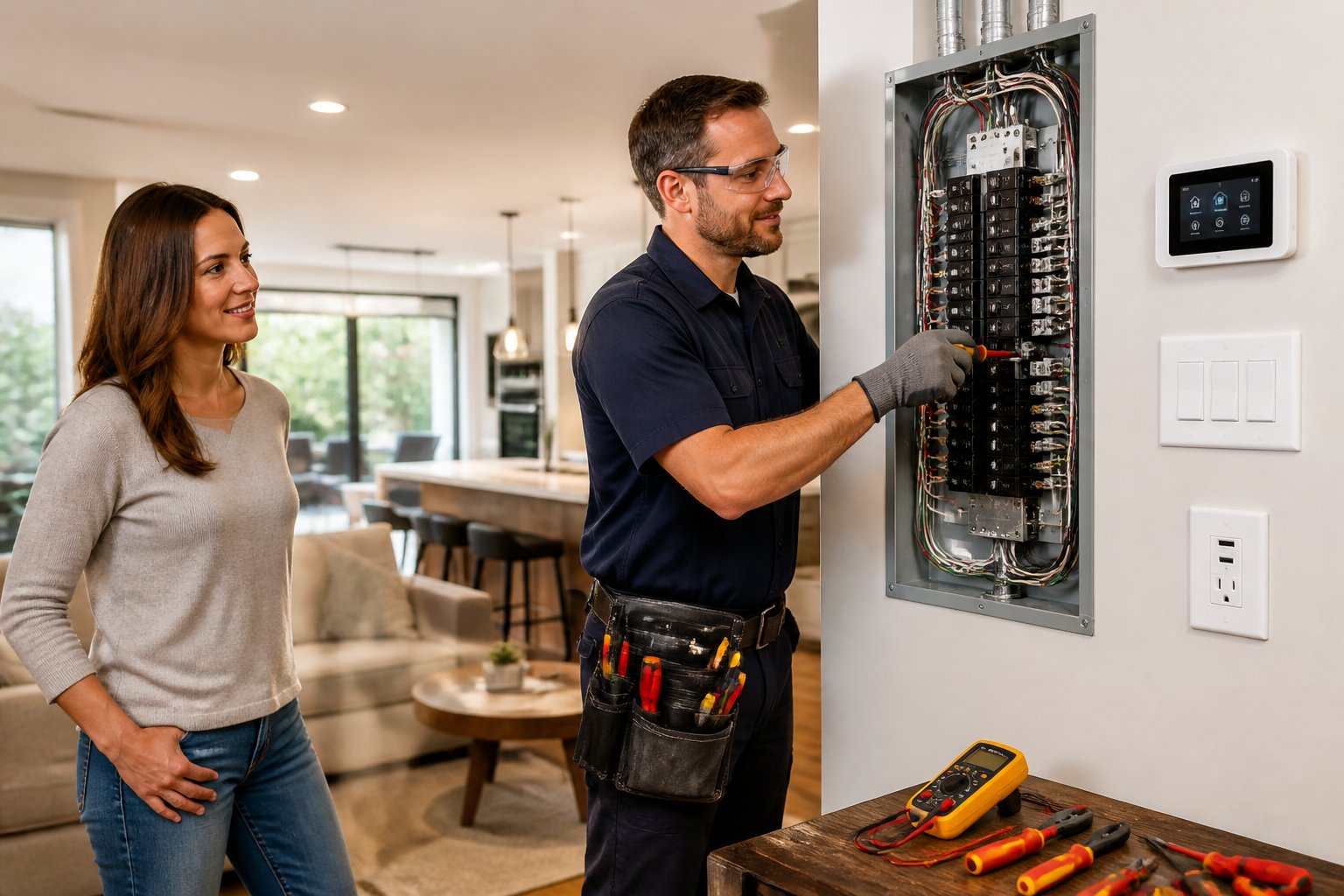
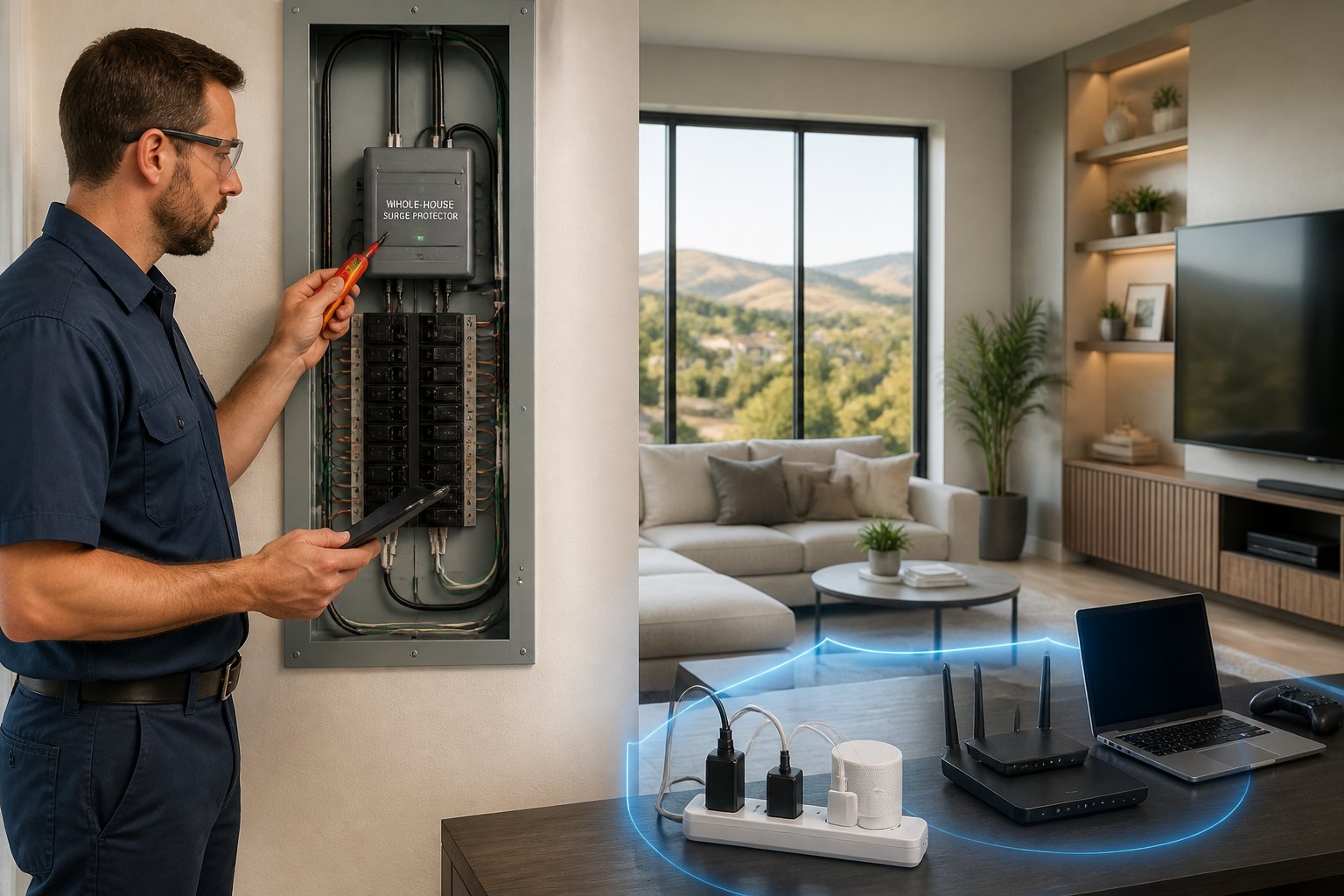
Electrical troubleshooting services in Roseville, CA can save you time, protect your home, and help you dodge bigger repair bills down the road. When your lights flicker, outlets quit, or breakers trip more than they should, you want a clear answer from a licensed electrician who can actually pinpoint the real issue.
Electrical troubleshooting fixes the right problem the first time, keeping your family safer and your home more reliable.
If you’re in Roseville or nearby—think Rocklin, Citrus Heights, Folsom—fast help really matters when electrical hiccups interrupt daily life. A careful visit might uncover hidden wiring faults, overloaded circuits, panel headaches, or damaged devices before they spiral into bigger repairs.
Common Electrical Problems That Need Diagnosis
Some electrical problems are right in your face—others hide behind walls, switches, or the panel. Either way, quick troubleshooting can keep small issues from growing into real risks and helps you decide if emergency electrical services are the next step.
Flickering Lights, Dead Outlets, and Intermittent Power
Flickering lights usually mean loose connections, tired fixtures, or a stressed-out circuit. Dead outlets or power that comes and goes? That could be the outlet, the wiring, or a shared circuit acting up somewhere else.
These things might seem minor, but they tend to come back unless you find the real cause. A licensed electrician can track it down and make repairs to bring back steady power.
Tripped Breakers and Circuit Overloads
If a breaker trips once, it’s probably doing its job. But if it keeps tripping, that’s a sign of trouble—maybe too many devices, damaged wiring, or just an old circuit that can’t keep up.
Older homes or rooms packed with appliances often run into overloads. Troubleshooting can show if you need new circuits, dedicated lines, or a breaker swap.
Burning Smells, Sparks, and Other Urgent Warning Signs
A burning smell, a hot outlet, visible sparks, or a weird buzzing? Don’t mess around—these are serious. Unsafe wiring, loose connections, or a failing panel can all be behind it.
Stop using the area and call for emergency help. Quick diagnosis can lower the risk of fire and keep damage in check.
What a Troubleshooting Visit Usually Includes
A real troubleshooting visit isn’t just a quick peek at your breaker box. Licensed electricians use an inspection process that checks the whole path of power, from your panel to the outlet or fixture, so they can actually spot what’s wrong.
Testing Circuits, Connections, and Devices
They’ll start by testing the circuits, outlets, switches, and fixtures in question. This helps them figure out if the problem is in a device, a loose connection, or wiring further along the line.
Good troubleshooting relies on meters and test tools—not just guesses. That way, repairs are faster and focused on what’s really broken.
Checking the Panel for Hidden Faults
Panels can hide problems you’d never see inside the house. Loose breakers, heat marks, corrosion, or uneven loads can all cause repeat issues.
A thorough inspection checks if breakers are sized right for your needs. If the panel’s hiding faults, the electrician should explain what needs fixing or swapping out.
Explaining Repair Options and Safety Priorities
You deserve a clear explanation of what’s going on and what happens next. A good electrician will walk you through repair choices, safety priorities, and the order things should get handled.
Some problems get fixed on the spot, while others might need more time or bigger work. Flat-rate, upfront pricing makes planning easier (and less stressful).
Repairs and Upgrades That Often Follow Troubleshooting
Once they find the problem, the next step could be a simple repair or a bigger upgrade. Some repairs are quick, others make your home safer, boost power, or help things run smoother for years.
Circuit Breaker Repair, Replacement, and Dedicated Circuits
Bad circuit breakers often need repair or replacement, especially if they trip a lot or show heat damage. Sometimes, adding dedicated circuits is the smarter move—high-demand appliances need their own protected line.
This work cuts down on overloads and keeps your power more stable. It’s a must in kitchens, laundry rooms, garages, and home offices.
Electrical Panel Upgrade and Capacity Improvements
An electrical panel upgrade might be needed if your home can’t keep up with modern appliances, EV chargers, or just today’s higher demands.
Upgrading the panel can improve safety and make room for future needs. If your panel’s outdated, a licensed electrician can break down your options—repair, replacement, or a bigger upgrade.
Home Rewiring, New Wiring, and Outlet or Switch Corrections
Sometimes, it’s all about worn or damaged wiring hiding in the walls. Home rewiring or new wiring is needed if old materials, sloppy connections, or past DIY jobs keep causing trouble.
Fixing outlets and switches matters too—especially if plugs feel loose, don’t stay put, or get hot. These repairs help make your whole system safer.
Lighting and Power Solutions for Safer, More Efficient Homes
Troubleshooting can open the door to better lighting and power options. The right updates make your home safer, brighter, and just plain easier to live in.
Recessed Lighting and Interior Lighting Installation
Recessed lighting is great if you want a clean look and even light in living rooms, kitchens, or hallways. Swapping out old fixtures that flicker, buzz, or leave rooms too dark is a smart move.
A licensed electrician can put new lighting where it actually helps you see and work. That makes spaces more usable and can help keep future problems at bay.
Landscape Lighting and Outdoor Safety
Landscape lighting isn’t just for looks—it boosts safety around paths, steps, and doors. Outdoor lighting needs weatherproof gear and proper protection to last.
If you’re already scheduling electrical work, it’s a good time to upgrade patios, walkways, and yard lighting. Better visibility outside makes moving around at night a lot safer.
Energy-Efficient Lighting and Future-Ready Additions
Energy-efficient lighting cuts power use without making things dim. LED upgrades are a practical pick, especially during bigger repair visits.
You can also plan for future needs like solar panels, EV charging, or other upgrades. When your system’s ready to grow, every improvement just works better.
Choosing the Right Electrician in Roseville
Who you hire really matters. You want a licensed electrician, good communication, and someone who puts safety first—from start to finish.
Why Licensing, Insurance, and Experience Matter
A licensed electrician knows the code and how to do work safely. Insurance adds peace of mind, and experience means they can spot tricky problems faster.
With AAA Electrical Services, you get licensed, insured, background-checked pros who put safety first. That’s a big deal when your family’s comfort is on the line.
Questions to Ask Before Scheduling Service
Before you book, ask if they offer same-day service, flat-rate pricing, and clear repair explanations. It’s worth checking what parts they keep on the truck—stocked vans usually mean faster fixes, sometimes in one trip.
Ask about coupons, maintenance memberships, and if they serve your area. Straight answers show they value transparency.
When Residential and Commercial Expertise Matters
Residential and commercial electrical needs aren’t always the same. Houses need help with outlets, panels, lighting, and circuits. Businesses might need heavier-duty solutions.
If your problem’s in a home, rental, or small business, pick a team with the right kind of experience. The right fit saves time and cuts down on repeat headaches.
Frequently Asked Questions
How much does an electrician typically charge to diagnose an electrical problem?
Prices vary depending on the issue, your home’s setup, and how long it takes to test things. Many companies use flat-rate pricing so you know the cost up front.
Do you offer 24-hour emergency electrical troubleshooting?
Emergency services are usually available for urgent problems—burning smells, sparks, sudden power loss. If you think safety’s at risk, don’t wait—call right away.
What are the most common electrical faults found in a home circuit?
Loose connections, worn outlets, overloaded circuits, bad breakers, and damaged wiring show up a lot. A good inspection will help find the culprit.
Who should I call if my breaker keeps tripping or a fuse keeps blowing?
Call a licensed electrician for troubleshooting. Repeated trips or blown fuses usually mean there’s an overload, short, or equipment problem that needs a pro.
Why do my lights flicker or dim when I use certain appliances?
That’s usually a sign your circuit’s overworked or there’s a loose connection. A licensed electrician can check things out and recommend repairs or dedicated circuits if needed.
Can you troubleshoot outlets that stopped working or have no power?
Yeah, outlets that just quit on you are honestly a pretty standard headache in electrical work. Sometimes it’s the outlet itself, but other times you’re looking at a tripped breaker, a loose wire, or maybe even an issue hiding somewhere else on the circuit.