If you're looking into home generator installation Sacramento CA, you probably want a sense of what really happens before you schedule anything. A properly installed system keeps your fridge, lights, internet, and medical equipment running when the power's out.
The big thing? Home generator installation isn't just about plopping equipment outside—it's about matching the generator, fuel source, wiring, and transfer switch to your actual power needs. Only a licensed electrician should do this work so your system stays safe, code-compliant, and ready for emergencies.
In Sacramento, planning for outages is more important than you might think. Hot weather, storms, utility shutoffs, and scheduled maintenance can all leave you in the dark, so it's good to know what you're signing up for.
How Home Generator Installation Works
It usually starts with a site visit, then moves into design, permits, equipment placement, wiring, and testing. The electrician checks your home’s electrical load, fuel options, and available space before anything else.
The goal? Build a system that kicks on automatically, powers what you need, and works safely with your panel.
In-Home Assessment and Load Planning
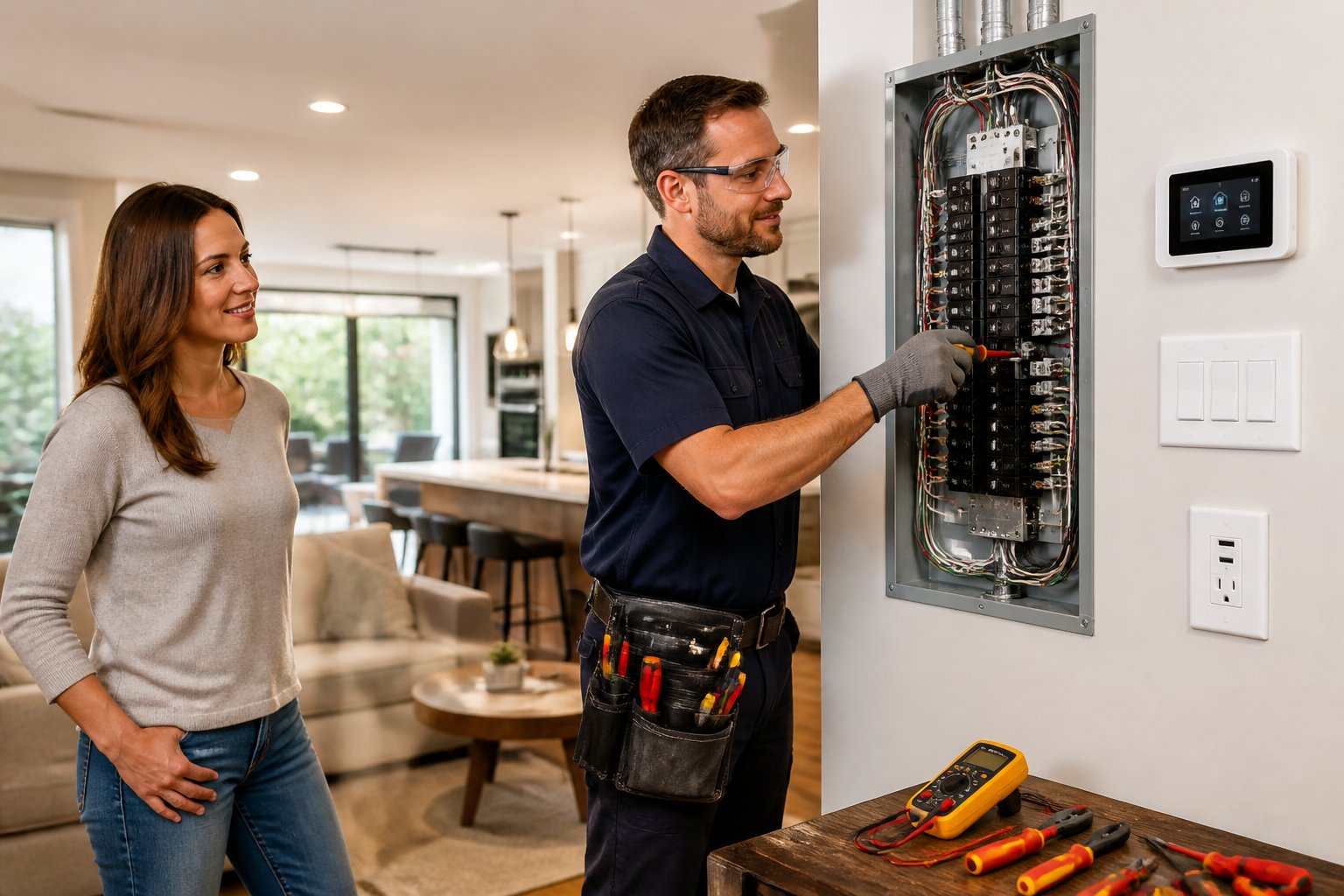
First, the electrician visits and reviews your load. They'll look at the appliances and systems you want powered—furnace, fridge, sump pump, lights, internet, whatever matters most.
Sizing really matters here. A small generator might only cover essentials; a bigger standby generator can handle more.
Choosing the Installation Location
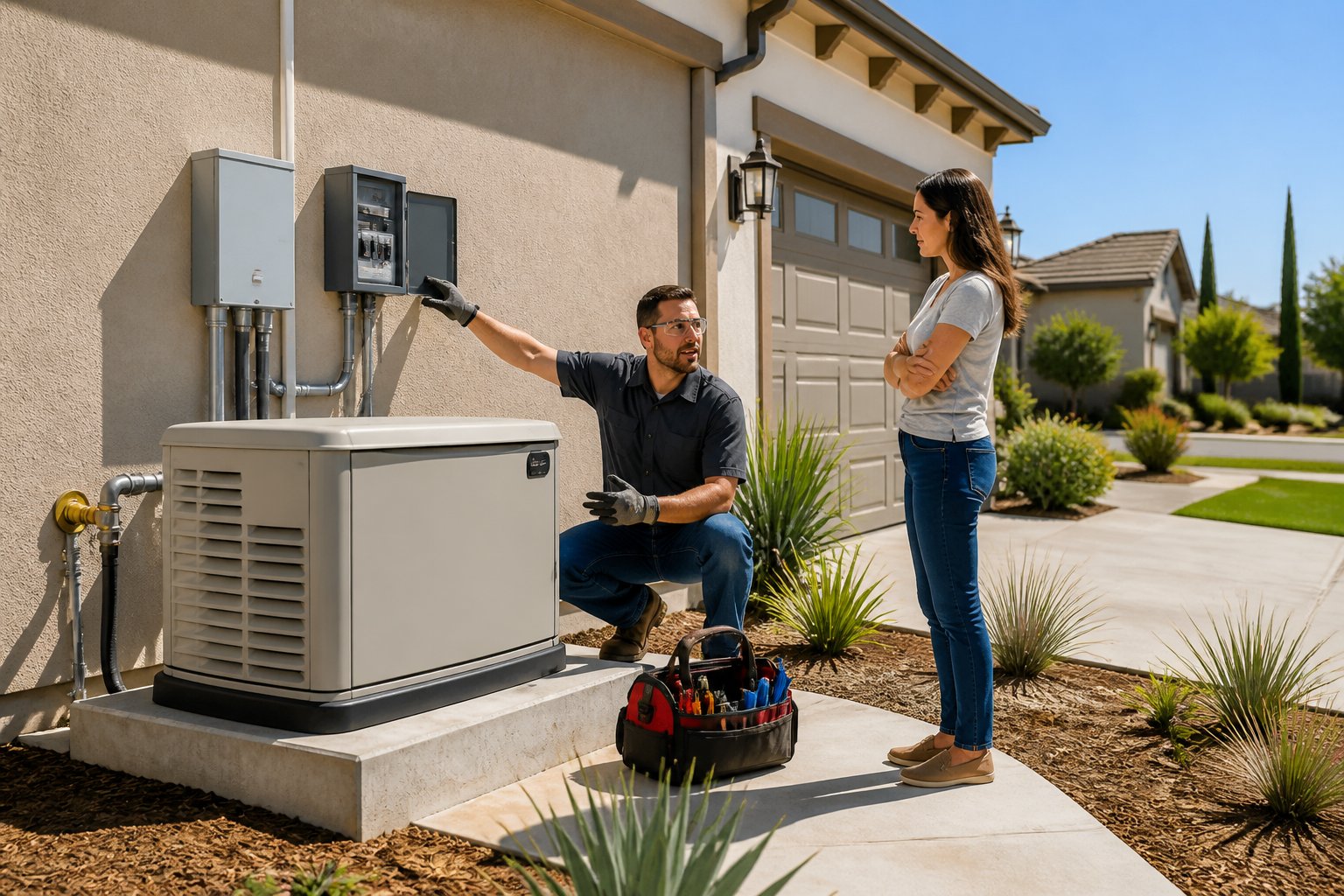
Your generator needs a spot that meets safety clearances, allows airflow, and lets you get in for maintenance. The location also has to meet code, avoid noise issues, and work with fuel lines.
Sacramento homes often have tight side yards, patios, or old concrete pads. That's why location planning is just as important as picking the right equipment.
Wiring the System and Connecting Fuel
Once you've picked the spot, the licensed electrician installs electrical connections and any fuel components. For standby systems, this means tying the generator into your home’s circuits using a transfer switch.
If your unit uses natural gas or propane, the fuel connection needs to be sized and installed right. Safe wiring and fuel setup are critical—no shortcuts here.
Startup Testing and Homeowner Walkthrough
After installation, the electrician tests everything under real conditions. They'll check startup, transfer behavior, and which circuits actually get backup power.
You'll get a walkthrough, too. That's when you learn how to start the system, what to watch for, and when to call for service.
Choosing the Right Backup Power Setup
The right backup power choice really depends on how much of your home you want powered and how long you need it during an outage. Some folks just want a few key circuits, others want a full home generator setup for comfort and safety.
Fuel type, runtime, and transfer method all play a role in what makes sense for you.
When a Standby Generator Is the Better Fit
A standby generator is usually best if you want automatic backup power. It kicks on when utility power fails and can support selected circuits or your whole home.
This setup is great for Sacramento homeowners who want less hassle during outages and better protection for food, heating, cooling, or medical devices.
When a Portable Generator May Be Enough
A portable generator works if you only need limited power for short outages. It’ll keep a fridge, phone chargers, or maybe a small heater running.
But portable generators are more hands-on. You have to start them and handle the cords, so they’re not ideal if you want automatic backup or bigger coverage.
Fuel Source and Runtime Considerations
Standby generators usually run on natural gas or propane, which means they can keep going longer than a small fuel tank allows. Portable units rely on gasoline or propane tanks, so runtime is shorter.
Your fuel access is just as important as generator size. If outages drag on, you’ll want a system that’s easy to keep ready.
Sizing for Essentials Versus Whole-Home Coverage
If you just want the basics, a smaller standby generator might be enough. But if you want HVAC, appliances, and several rooms powered, you’ll need a bigger unit.
A good installer helps you balance comfort, cost, and fuel use—no need to oversize and waste money.
Electrical Components That Matter Most
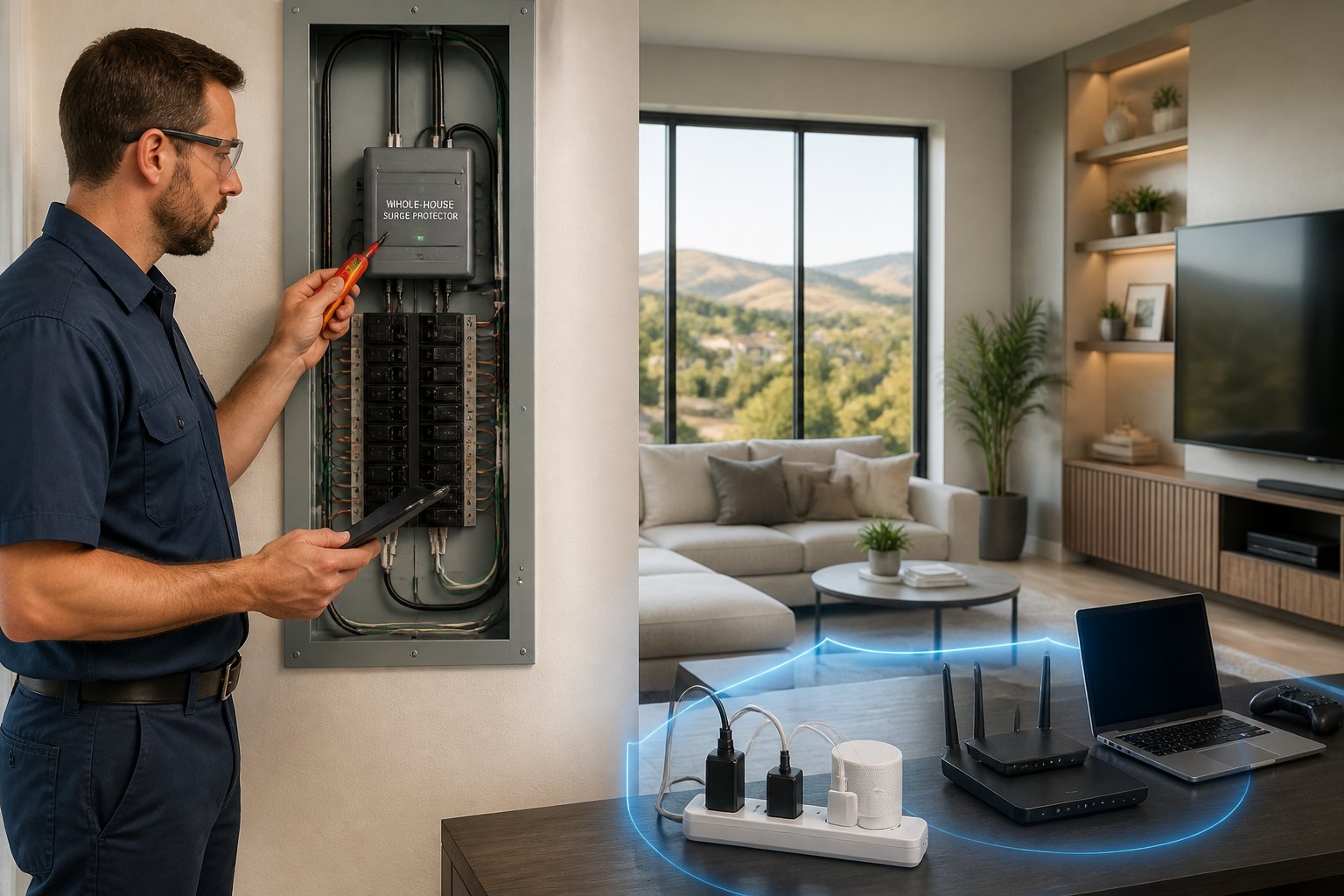
The electrical side is where safety and convenience meet. The most crucial parts are the transfer switch, panel layout, and the code requirements that keep things working right.
A licensed electrician should size these parts so your standby generator supports your home safely.
What an Automatic Transfer Switch Does
An automatic transfer switch senses when grid power drops and flips your home to generator power. When utility power comes back, it switches you back.
That’s what makes a standby generator feel seamless. No cords, no manual startup—just backup when you need it.
Panel Capacity and Circuit Planning
Not every panel can handle every circuit you might want backed up. During planning, the electrician decides which circuits matter most and if the panel needs upgrades.
Good planning here helps you avoid overloaded circuits and uneven coverage.
Safety and Code Compliance Basics
All generator work has to follow electrical and building codes, and you'll need permits. Proper spacing, grounding, wiring, and approved transfer equipment are non-negotiable.
When a licensed electrician handles it, you get a setup that’s safer and more reliable when the power’s out.
Cost, Permits, and Project Timeline
Costs and timing depend on generator size, your home’s electrical system, and how complex the site is. In Sacramento, permits and inspections are standard for a standby generator.
Plan for both equipment and electrical work, since both affect the final bill.
What Affects Installation Cost in Sacramento
Biggest cost drivers: generator size, fuel type, wiring, and any panel work. If you need a concrete pad, trenching, or a panel upgrade, expect the price to go up.
AAA Electrical Services offers flat-rate, upfront pricing, so you don’t get hit with surprise charges.
Permit and Inspection Requirements
Most standby generator projects need permits, and the city will probably inspect after the work. This applies to electrical, mechanical, and fuel-related work.
A licensed electrician should handle permits and get the setup ready for inspection.
Typical Installation Timeline From Start to Finish
From quote to running system, it usually takes a few weeks. The installation itself might only take a day or two, depending on your site and how ready everything is.
Delays can happen if parts are backordered or your home needs upgrades before connecting the generator.
Planning for Upgrades or Site Challenges
Older panels, tight yards, long fuel runs, and concrete cutting can slow things down. These issues pop up in both older Sacramento homes and newer neighborhoods with limited space.
A good installer will spot these early so you can plan ahead—no one likes last-minute surprises.
Maintenance, Repairs, and Long-Term Reliability
A home generator only matters if it starts when the power’s out. That’s why routine service, quick repairs, and solid testing matter long after installation.
Regular service protects your investment and keeps the system ready for storms, heat waves, and utility shutoffs.
Routine Generator Service Needs
Most generators need oil changes, filter and battery checks, and load testing at regular intervals. Inspections should catch loose connections, leaks, or worn parts.
Sticking to a maintenance schedule helps prevent small problems from turning into outages.
Common Signs a System Needs Repair
Watch for warning lights, slow startups, odd noises, fuel smells, or error codes. If the unit runs rough or doesn’t transfer power right, call for help.
Having stocked vans and same-day service can make repairs quicker and less stressful.
Why Professional Service Protects Performance
Professional service keeps your system safe, efficient, and ready when you need it. A trained tech can spot weak batteries, control issues, or transfer switch problems before you’re left in the dark.
That kind of attention really matters in Sacramento, where backup power is more than just a convenience.
Frequently Asked Questions
How do I choose the right size generator for my home’s power needs?
Start by listing what you want to keep running during an outage. A licensed electrician can add up the load and help you pick between essential circuits and whole-home backup.
What permits and inspections are usually required for a residential generator installation?
Most standby generator projects need electrical permits, and many also need mechanical or fuel permits. After installation, expect an inspection to confirm the work meets code.
How much does it typically cost to install a whole-home standby generator?
Costs depend on generator size, panel condition, wiring, fuel setup, and permits. In Sacramento, prices vary a lot, so get a site-specific quote.
Can a portable generator be safely connected to my home’s electrical panel with a transfer switch?
Yes, a portable generator can sometimes connect through a proper transfer switch or interlock. A licensed electrician needs to do it right to prevent backfeed and other hazards.
What’s the difference between automatic and manual transfer switches, and which is better for my home?
Automatic transfer switches move you to generator power without you lifting a finger. Manual switches require you to do it yourself, which works for smaller setups but isn’t as convenient during outages.
Can a solar generator or battery backup system power essential appliances during an outage?
Sure, a battery backup system can handle essential appliances—assuming you size it right. For shorter outages, or if you just want backup power without the noise and hassle of fuel, these systems usually fit the bill pretty well.