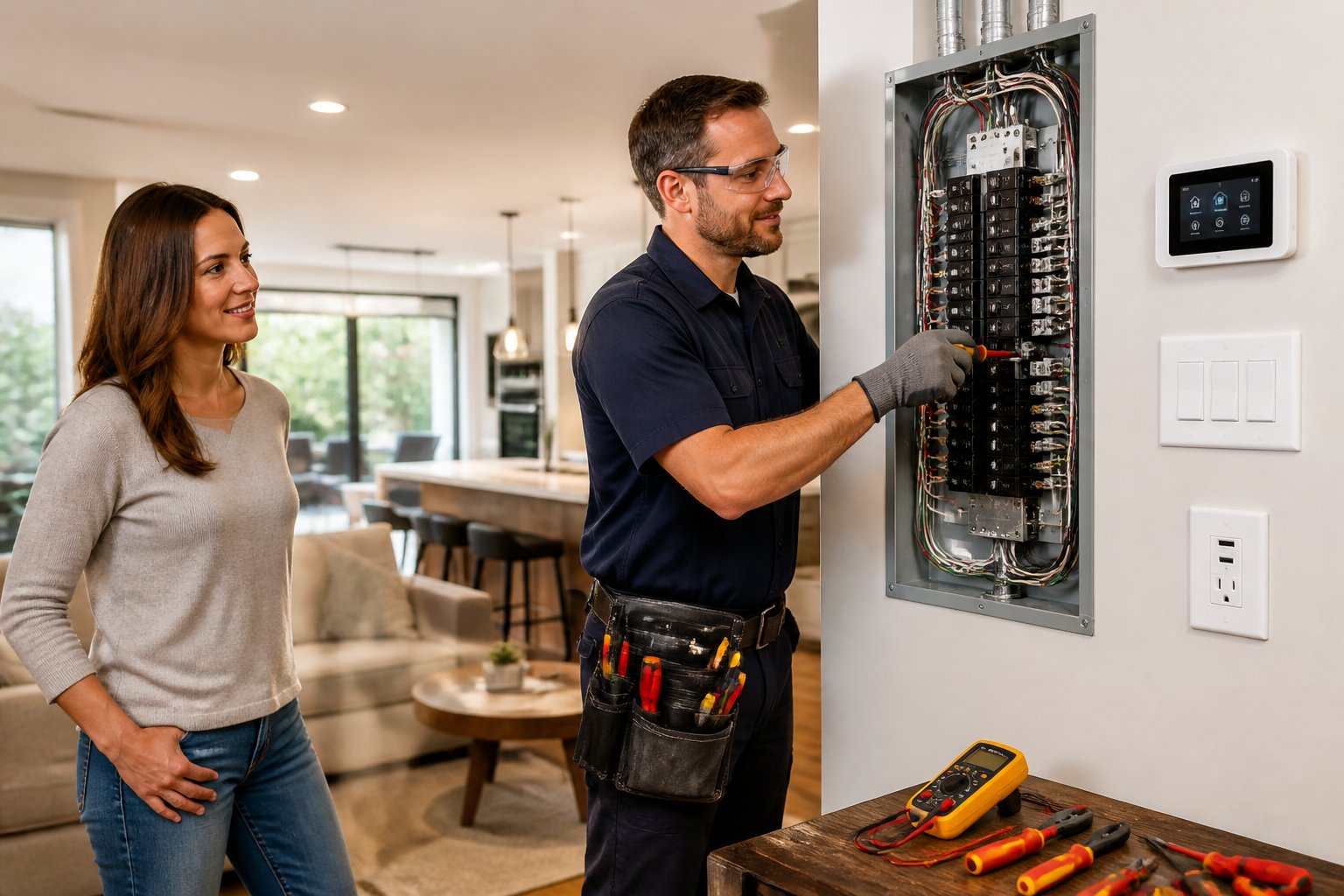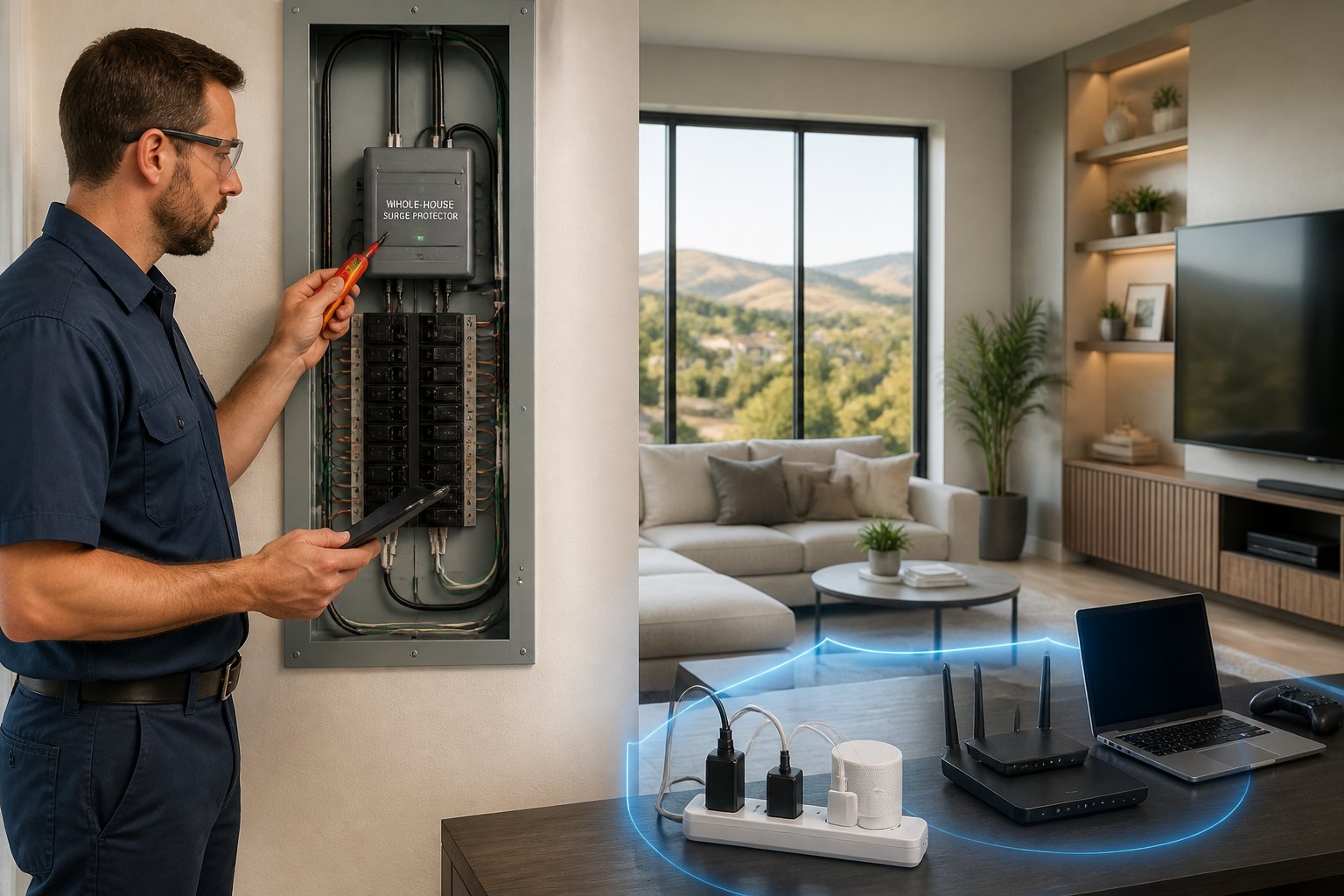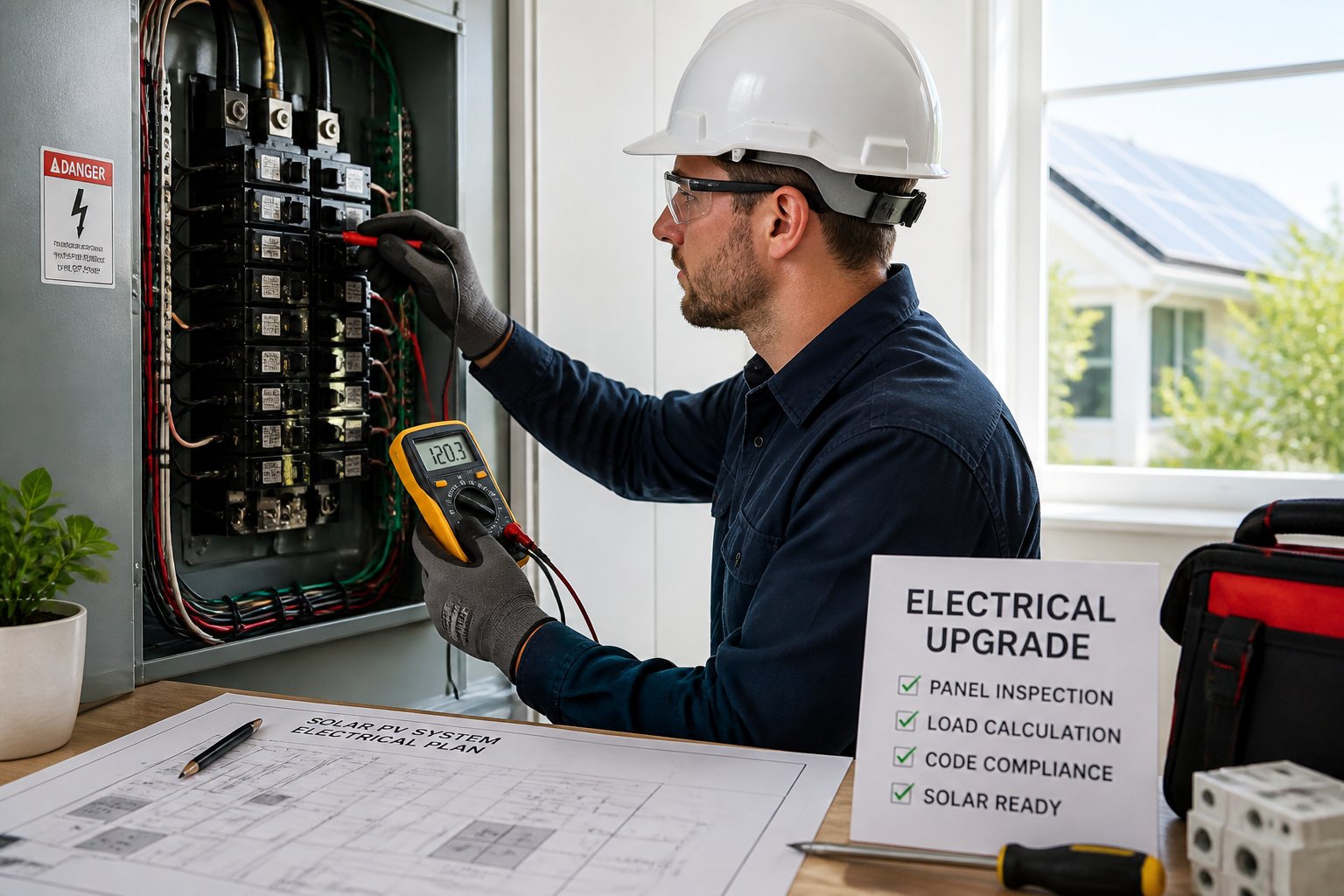
You can save time, avoid headaches, and cut down on safety risks by planning your electrical work before the solar install even starts. Laying the groundwork helps you figure out if your home’s up for the extra load, what needs to be upgraded, and how to keep things moving toward that all-important permission to connect.
A good look at your main electrical panel, your future energy plans, and what the local permit folks want can make solar a whole lot smoother. If you get ahead of it, you give your electrician and solar installer a clearer shot at a safe, code-compliant system that actually fits your long-term solar goals.
Key Takeaways
- Check your panel before you sign off on a solar design.
- Plan ahead for future electrical needs.
- Always use licensed pros for safe, code-compliant work.
Check Whether Your Current Panel Is Solar-Ready
Your electrical panel has to handle your home’s current power needs and the extra gear that comes with solar panels. Start with a reality check: look at capacity, breaker space, and any signs the system’s already working overtime.
How To Identify Your Main Electrical Panel And Main Breaker
Your main electrical panel—some call it the breaker box—is where all your home’s circuits connect. Find the main breaker that shuts off power to the house, and check the sticker or label inside the door for the amperage rating.
If you’ve got a 100-amp panel, you might be fine if your home’s small and your power use is pretty basic. A 200-amp panel, though, gives you more breathing room for solar, EV charging, and other upgrades. A licensed electrician can double-check your breaker slots, panel capacity, and if you’re already close to maxing out.
100-Amp Service Vs. 200-Amp Service
A 100-amp service works for some homes, especially if you don’t plan on adding big new electrical loads. With 200 amps, you get more wiggle room for solar, batteries, and high-use appliances.
It’s not just about the number on the panel. Your electrician will look at what you actually use, the size of the solar system you want, and whether your current setup leaves enough margin to avoid overloads or nuisance breaker trips.
How Panel Capacity And Breaker Space Affect Solar
Panel capacity tells you how much load your system can handle, and breaker space is about whether there’s room for new equipment. If the panel’s full, your solar installer might need to use a different connection method or upgrade the panel.
Even if there’s room, age and layout matter. Overloaded circuits, cramped breaker space, or an undersized bus can cause headaches during solar interconnection—especially if you’re planning other upgrades too.
Warning Signs Like Breaker Trips, Rust, And Heat Damage
Frequent breaker trips usually mean the panel or circuits are overloaded and need attention before you start solar work. Rust, corrosion, scorch marks, and heat damage are even bigger red flags.
If you hear buzzing, feel warmth around the panel, or have breakers tripping for no clear reason, go ahead and schedule a professional inspection. It’s better to catch these issues early than deal with bigger problems (and delays) down the road.
Know When An Upgrade Is Necessary Before Solar
Some panels can handle solar with barely any changes. Others need a panel replacement or a serious upgrade. Age, condition, and even the brand play a role, and a licensed electrician should be the one to call it based on safety and code.
Older Panels And Why Panel Age Matters
Older panels just aren’t built for today’s electrical demand. What worked years ago might be too small for modern appliances, AC, EV chargers, and solar gear.
If your panel’s showing its age, your electrician may suggest an electrical panel upgrade before you move forward with solar. It’s an extra step, but it pays off in reliability and fewer surprises after the system goes live.
Unsafe Brands Such As Federal Pacific And Zinsco
Some old panels—Federal Pacific and Zinsco are the big ones—have a reputation for safety problems and even fire risk. These can be deal-breakers during a solar review since they just don’t meet today’s safety standards.
If you’ve got one of these, most electricians will recommend a full replacement. In places like Sacramento, Roseville, Elk Grove, Folsom, and nearby, a lot of homeowners go ahead and swap these out before starting solar.
When A Full Panel Replacement Is The Safer Option
It’s usually time to replace the whole panel if the current one’s damaged, outdated, too small, or just doesn’t have enough breaker space. Same goes if your solar plans, future EV charger, or battery setup would push it past its limits.
An electrical panel upgrade for solar is often a smarter long-term move than trying to patch up an old system. Clean, professional work from licensed electricians means better reliability and less hassle down the line.
How A Licensed Electrician Evaluates Upgrade Needs
A licensed electrician checks out the panel’s age, wiring, grounding, bonding, and amperage. They’ll compare your current load to what you’ll need after solar is installed.
That review should be straightforward. A good electrician will tell you if you need a panel upgrade, a solar-ready upgrade, or something even bigger before the project can move forward safely.
Match The Electrical System To Your Solar Plan
Your electrical system should fit your solar design—not the other way around. The panel, inverter, breaker layout, and connection method all need to work together so your solar panels can power the house safely and efficiently.
How Solar System Size Changes The Electrical Requirements
Going bigger with solar usually means more electrical details to sort out, especially if you want to export power or add storage later. Your solar install might need extra breaker capacity, beefier wiring, or a better main service setup depending on the design.
Solar installers look at the total system size, your roof, and your household needs before they finalize anything. That way, the electrical setup matches how you’ll actually use the system—not just what’s on paper.
Where The Solar Inverter And Solar Breaker Fit In
The inverter turns the power from your panels into electricity your house can use. The solar breaker is where that gear hooks into your panel, and its size has to match the design and code.
If you don’t plan these parts right, solar can get hung up during inspection or interconnection. The best setups start with a panel layout that lets the inverter, breaker, and service equipment work together as a system.
Load-Side Connections, Line-Side Tap, And Subpanel Options
A load-side connection uses the main panel directly if there’s enough space and capacity. If things are tight, a line-side tap might be an option, or maybe a subpanel to organize extra circuits and future gear.
Each method affects solar interconnection differently. Your solar installer and electrician should walk you through what makes sense for your house, your panel, and your utility before anyone starts work.
Planning For Smooth Solar System Integration
Solid solar integration starts with a real look at the panel, wiring, and what you might need down the road. You want your solar installer and electrician to coordinate early—no one likes surprises on installation day.
That’s especially true in Sacramento, Natomas, Carmichael, Woodland, Auburn, and nearby areas, where folks often mix solar with other electrical upgrades. A little planning now means fewer delays and a smoother path to a safe, working solar system.
Plan For Future Loads Before The Electrician Starts
Solar’s just one piece of your home’s future electrical puzzle. If you’re thinking about adding an EV charger, battery storage, or smart controls down the line, it’s smart to size things up for those needs now.
Adding A Level 2 EV Charger Without Overloading The Panel
An EV charger, especially a level 2, can be a big, constant draw. If your panel’s already close to full, adding one later could mean tearing things open again.
Planning ahead lets your electrician reserve capacity or suggest an upgrade that handles both solar and future charging. That way, you’re not overloading the panel or paying for repeat work.
Battery Storage And Backup Power Considerations
Adding battery storage changes the electrical design, since it’s more gear that needs to work with your solar system and household loads. If backup power’s on your mind, your panel and service equipment should be ready for it now—not after the fact.
A battery can make outages less stressful. Your electrician should check if your current setup can take the extra load or if you’ll need a panel upgrade first.
Smart Panel Upgrades For Better Energy Control
A smart panel gives you more control over circuits, usage, and load management. These are great if you want to balance solar, batteries, and future appliances without a lot of guesswork.
For many, smart panels make long-term planning less of a headache. They show where your power goes and help you keep panel capacity in check as your needs change.
Why Future-Proofing Can Reduce Repeat Electrical Work
Future-proofing lets you tackle more than one issue at a time. If you’re already opening things up for solar, it’s usually more efficient to deal with panel capacity, charger readiness, and backup power all together.
That approach means less repeat electrical work and keeps your home ready for whatever’s next. A good plan means cleaner installs, fewer interruptions, and a better shot at long-term reliability.
Understand Code, Utility, And Permit Requirements
Solar projects in the U.S. have to meet electrical code rules, utility approvals, and permit requirements before anyone turns things on. These steps protect your home, your utility hookup, and everyone working on the project.
Why National Electrical Code Rules Matter For Solar
The national electrical code sets the bar for safe work, including how solar gear ties into your house. If your panel, grounding, or breaker layout doesn’t meet code, you might fail inspection or have to redo things.
Your licensed electrician should know which rules apply and explain them in plain English. That way, you can make smart choices without getting lost in jargon.
Local Utility Approval And Interconnection Steps
Your utility needs to sign off on the solar interconnection before your system can connect to the grid. That means your electrical design, meter setup, and service equipment have to match what they want.
If you upgrade your panel or service, the utility may need updated info before they approve it. Coordinating early makes the whole process less painful.
What Inspections Can Trigger During A Panel Upgrade
Inspections check breaker labeling, grounding, bonding, wire size, and the condition of the panel. If inspectors see old work, missing permits, or unsafe parts, you’ll probably need to fix things before you get the green light.
That’s why a clear plan matters. When your electrician does things right from the start, inspections usually go smoother and stress levels stay lower.
How Sacramento-Area Permitting Can Affect Timing
Permits and utility approvals can drag out the timeline more than the equipment itself. In Sacramento, processing times swing by city and project, especially if a panel upgrade is part of the deal.
If you’re in Sacramento, Roseville, Rocklin, Elk Grove, Citrus Heights, Rancho Cordova, Fair Oaks, Folsom, or El Dorado Hills, it’s smart to build in extra time. That way, you’re less likely to be blindsided by scheduling slowdowns.
Budget, Scheduling, And Hiring The Right Electrical Team
Solar moves faster when you know what the electrical work will cost, what’s included, and who’s handling it. Clear communication, licensed pros, and realistic schedules matter just as much as the gear.
What Panel Upgrade Cost Usually Includes
Panel upgrade cost usually covers labor, permits, materials, new breakers, and any service changes to support solar. If the project calls for grounding updates, meter changes, or a main service upgrade, the price can go up.
Transparent, flat-rate pricing makes it easier to see what you’re paying for. That kind of clarity helps you compare your options without worrying about surprise charges.
When Solar Financing May Help Cover Electrical Work
Solar financing sometimes lets you bundle electrical upgrades with the rest of the project. That can help if the panel work is needed for solar, EV charging, or batteries.
If you’re financing, ask how the electrical work is broken out. Knowing what’s included helps you budget and keeps surprises to a minimum when installation day comes.
Questions To Ask Before Work Begins
Ask if the team uses licensed and certified electricians, whether they can provide same-day service for urgent issues, and how they handle permits and inspections. It’s also worth checking if their vans are stocked with common parts—nothing slows things down like waiting for a missing breaker.
A solid team should answer honestly, explaining what’s required by code and what’s just a good idea. AAA Electrical Services does things that way, letting you make decisions without second-guessing.
Why Clean, Licensed, Safety-Focused Service Matters
Your home deserves safe, tidy, and respectful work from start to finish. Clean technicians who actually protect your space and communicate what’s happening can make a stressful process a lot easier—especially when the project might knock out power for a while.
That kind of detail isn’t just about appearances; it helps your system run reliably for years. Licensed electricians who genuinely care about safety give you a much better shot at long-term peace of mind.
Frequently Asked Questions
How do I know if my main electrical panel has enough capacity for a solar installation?
Check your panel’s amperage, breaker space, and how much it’s already handling. A licensed electrician can look it over and tell you if there’s enough room for a new solar circuit without risking overloads.
When should I upgrade my electrical panel before going solar, and who should assess it?
Think about upgrading if your panel’s old, already full, damaged, or you’re dealing with frequent breaker trips. Get a pro to check it out before finalizing your solar design, so the whole thing gets planned safely from the start.
What electrical permits and inspections are typically required before adding solar?
Most homes need electrical permits, and sometimes building or interconnection approvals too. Inspectors usually check grounding, bonding, breaker sizes, labeling, and whether the panel work matches both the code and the approved plans.
How can I confirm my wiring, grounding, and bonding are safe and up to code before installing solar?
Have a licensed electrician inspect your service equipment, grounding, bonding, and the main branch circuits. This kind of review can catch hidden problems before installation day, making it less likely you’ll hit snags during inspections.
What should I do if my roof and solar design require a main service upgrade or meter change?
Plan the electrical work before the solar crew shows up, so service upgrades and meter swaps don’t hold up the install. Ideally, your solar installer and electrician will coordinate the design, utility requirements, and permits together—otherwise you risk delays nobody wants.
How can I plan for future additions like an EV charger or battery storage when upgrading my electrical system?
Let your electrician know upfront if you’re thinking about adding an EV charger, battery storage, or maybe even a smart panel down the road. It’s just easier to get the panel sized right the first time, so you don’t end up tearing things apart again later.