Getting your home ready for future EV charging is honestly one of the smartest moves you can make if you want safe, easy charging at home. A little planning now means your electrical system will fit your real-world needs, help you avoid overloads, and keep things flexible for the next EV—or whatever electric upgrades you dream up.
Planning ahead lets you build a home charging setup that’s safe, convenient, and ready for whatever comes next—without surprise costs down the road.
Folks in Sacramento, Roseville, Elk Grove, Folsom, and nearby spots usually see the best results by starting with the basics: panel capacity, charger type, wiring, and making sure everything’s up to code. That careful approach brings peace of mind, especially as your household’s energy needs change.
Key Takeaways
- Check your electrical capacity before buying anything.
- Choose a charging setup that fits your daily life.
- Plan for safety and long-term use.
Start With Your Home’s Electrical Capacity
Your electrical system sets the boundaries for what you can safely add. Before picking out an EV charger or scheduling installation, get a clear sense of your electrical panel, how much capacity you’ve got, and whether you’ll need an upgrade.
A quick check can show if your home’s ready for charging today or if you should think about a panel upgrade first.
How To Check Electrical Panel Capacity
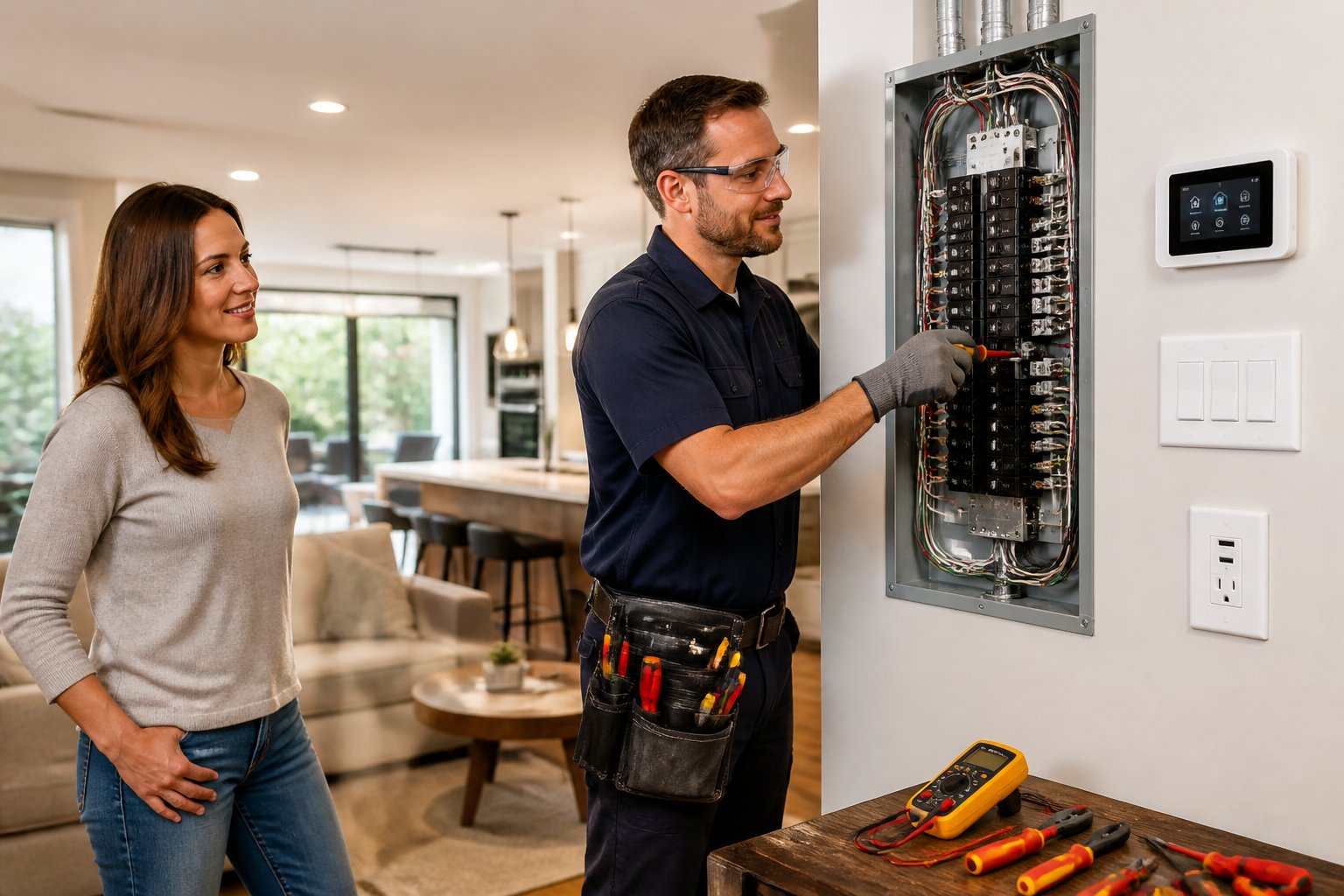
Open up your electrical panel door and look for the label inside. It usually lists the main breaker size, which tells you your panel’s capacity. Look for signs that things are crowded—like every breaker slot being full, frequent tripping, or lots of old add-ons using up space.
If you’re not sure what you’re looking at, call a licensed electrician. They can check things out and walk you through what your home can safely handle. This is especially important in older Sacramento-area homes, where past upgrades might not match today’s energy needs.
Why 100-Amp Service May Not Be Enough
A lot of older homes still run on 100-amp service, which can get tight once you add an EV charger, a heat pump, or other big loads. Level 2 chargers in particular pull a lot of power, and that can compete with your AC, laundry, kitchen, and all the other stuff you need running.
If your home already feels maxed out, 100 amps might not cut it for reliable charging. In that case, it’s better to plan for a panel upgrade instead of pushing your system past its limits.
When A Panel Upgrade Makes Sense
Upgrading your panel makes sense if your current system can’t safely handle new demand or if you want room for future EVs and upgrades. It’s also smart if your panel’s got corrosion, outdated parts, or barely any breaker space left.
For many, a panel upgrade isn’t just about the charger—it’s about building a stronger electrical backbone for everything you might want down the line, like solar, backup power, or other high-demand appliances.
Why A Load Calculation Comes First
A load calculation shows how much power your home uses now and how much is left for new stuff. Doing this first helps you avoid buying the wrong equipment or running into problems mid-install.
It also gives your electrician solid info to recommend the best next step, whether that’s just adding a circuit or going for a full panel upgrade. Always do the load calculation before picking out your charger.
Choose The Right Charging Setup For Daily Use
The ideal charging setup really depends on your driving habits, your car, and what you might need in the future. Some people only need a slow top-off now and then, while others want fast daily charging.
You don’t have to buy the most powerful charger out there—just pick what fits your routine and your home.
Level 1 Charging Vs Level 2 Charging
Level 1 chargers plug into a standard 120-volt outlet and charge pretty slowly. They’re fine if you don’t drive much or your car sits parked for long stretches.
Level 2 chargers use 240 volts and charge much faster. Most homeowners go this route for daily use. If you rely on your EV for commuting around Sacramento, Folsom, or Elk Grove, Level 2 usually makes life easier.
How Much Range Per Hour Most Homeowners Need
Range per hour is what really matters—not just the charger specs. If you only drive a few miles a day, a Level 1 charger might be enough overnight. If you commute farther or want more flexibility, Level 2 chargers can add a lot more range in just a few hours.
Try to size your setup around your real routine, not just your current car. Give yourself a little extra breathing room in case your driving changes.
When A Home EV Charger Is Worth Installing
A home EV charger is worth it if you want reliable overnight charging, more convenience, and less reliance on public stations. Having a dedicated charger at home just makes things easier—your cable’s always there, right where you park.
Plus, you can save time and hassle. Picking the right charger makes charging at home feel simple and predictable.
Connector Types Like J1772 And NACS
Connector compatibility is something you don’t want to overlook. Most vehicles use J1772 for AC charging, but newer models and some chargers use NACS.
If you might switch vehicles in the future, ask your electrician or charger supplier about adapters and flexible options. It’s a small step that can save you from buying new equipment sooner than you’d like.
Plan A Safe And Code-Compliant Installation
Safe EV charger installation is way more than just putting a box on the wall. You need the right circuit, proper protection, solid wiring and grounding, and it all has to meet local code.
The safest setups are built for everyday use, not just quick power.
Why EV Chargers Need A Dedicated Circuit
A dedicated circuit keeps your charger from sharing power with other appliances. That cuts down on nuisance tripping and lowers the risk of overloading a circuit that wasn’t designed for constant charging.
For a home charging station, a dedicated circuit is one of the most important things you can do for safety. It also makes troubleshooting easier if something goes wrong later.
Circuit Breaker And Circuit Protection Basics
Your circuit breaker should match the charger and wire size exactly. The right circuit protection will stop excess current before it becomes a hazard.
If the breaker’s too big, the wiring could be at risk. Too small, and you’ll have annoying trips every time you charge.
Wiring And Grounding For Long-Term Safety
Good wiring and grounding keep your home, your car, and the charger safe. Wiring needs to be sized right, installed neatly, and secured for long-term reliability.
Grounding matters just as much. It gives electricity somewhere safe to go if something goes wrong. That’s why professional installation really pays off for home EV chargers.
NEMA 14-50 Outlet Vs Hardwired Installation
A NEMA 14-50 outlet is a flexible choice, especially if you want to use portable charging gear or might move the equipment later.
A hardwired install is often better for permanent Level 2 charging. It usually looks cleaner, is more secure, and has fewer exposed connections. The right choice depends on your charger, your house, and how you plan to use the system.
Prevent Overloads With Smart Planning
Smart planning protects your panel capacity while still making room for EVs and other future upgrades. Load management, charger sizing, and household planning all work together here.
The main goal? Keep charging reliable—without expensive changes before you really need them.
How Load Management Helps Avoid Major Upgrades
Load management lets your charging setup adjust based on what else is running in the house. That way, you’re less likely to overload the panel when the oven, HVAC, or laundry are all on.
In some homes, this means you can add charging without needing a big panel upgrade right away. It’s a practical way to stretch what you’ve got while staying safe.
Matching Charger Size To Real Household Demand
Bigger isn’t always better. If you don’t drive much, a smaller charger can do the job without stressing your electrical system.
Sizing your charger to your actual needs helps you avoid paying for extra capacity you won’t use. It also leaves you more options for future upgrades.
Planning For Two EVs Or Future Expansion
If you might have two EVs later, plan for it now. Even if only one car needs charging today, running extra conduit or leaving space makes future expansion a lot easier.
The EPA even encourages homeowners to think about future needs—multiple EVs, more electric appliances, the works. Planning ahead keeps your home ready as your life changes.
Protect The Charger, Vehicle, And Home
Your charger’s just one piece of the puzzle. Surge protection, good installation conditions, and attention to older wiring all help keep your home safe.
A little prevention now makes for dependable charger performance down the line.
Why Surge Protection Matters For EV Equipment
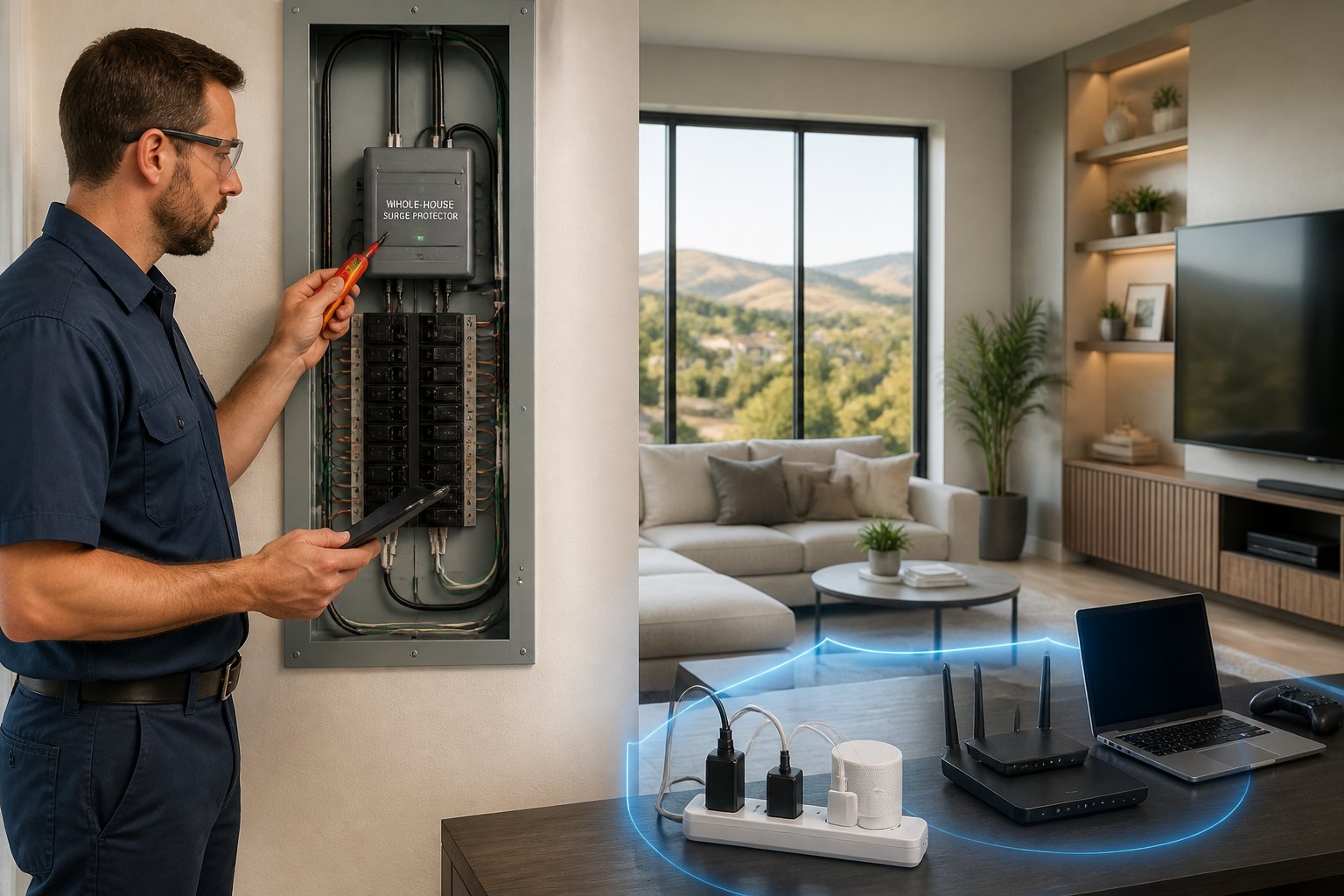
Surge protection guards sensitive charging gear from voltage spikes—storms, utility hiccups, or weird stuff happening inside your home. That can prevent damage to the charger and anything connected.
It’s a smart add-on, especially if you’ve got valuable electronics or solar equipment already.
Indoor Vs Outdoor Installation Considerations
Indoor installs usually deal with less weather, but outdoor setups can work fine if the equipment’s rated for it and mounted right. Outdoor units need extra care for moisture, sun, physical damage, and cable storage.
If your charger’s going in the garage, driveway, or on an outside wall, make sure it’s easy to reach and doesn’t create tripping hazards or exposure issues.
When Older Wiring Needs Attention
Old wiring can hide problems that only show up when you add new loads. If you notice brittle insulation, warm outlets, outdated panels, or breakers that trip a lot, get things checked before installing a charger.
If your home has aging electrical parts, schedule an inspection first. That way, you avoid surprises and know your charging setup is safe.
Work With A Qualified Electrician And Plan Ahead
A licensed electrician helps you make the safest, smartest choices for your home, car, and wallet. Whether you’re installing your first charger or planning for more upgrades, it pays to have a pro on your side.
AAA Electrical Services works with Sacramento-area homeowners to sort out these decisions with clear communication, flat-rate pricing, and clean, respectful work.
What A Licensed Electrician Should Evaluate
A good electrician will check your panel capacity, breaker space, wiring, grounding, and the best spot for the charger. They’ll also look at whether you need a panel upgrade, a dedicated circuit, or load management.
You deserve real answers, not wild guesses. A pro can tell you what needs attention now and what can wait.
Permits, Inspections, And Local Code Compliance
Permits and inspections matter—they make sure your installation meets local rules and stays safe for years. Following code also helps if you ever sell your home.
Good planning keeps things moving and helps avoid delays.
How Home Charging Fits With Solar And Backup Power
Home charging pairs nicely with solar if your electrical system’s set up for it. If you’ve got panels or are thinking about them, your electrician can help you sort out power flows, inverter limits, and future needs.
Backup power is another thing to consider. Your charging station might need to work with a generator or other backup setup, so everything stays safe and balanced.
When Public Charging Stations Still Make Sense
Public charging stations still have their place—when you’re out, need a fast top-off, or your home setup is down for repairs. They’re a handy backup even if you mostly charge at home.
Most EV owners use public stations as a backup, not a replacement. It’s good to have options while your home system does the daily work.
Frequently Asked Questions
What electrical panel upgrades should I consider now to support a future EV charger?
If your panel’s nearly full or you still have 100-amp service, it’s probably time to think about a panel upgrade. That’ll give you space for a Level 2 charger, future appliances, maybe even solar or backup power if you want those down the road.
How can I tell if my home’s wiring can handle adding a dedicated charging circuit later?
Check for old wiring, visible damage, or breakers that trip a lot. After that, get a licensed electrician to look over the panel, wiring, and grounding. They can run a load calculation to see if your system can really take on another dedicated circuit.
Where is the safest and most convenient place to plan for a charger in my garage or driveway?
Usually, the best spot is wherever your EV sits most often—just makes life easier. Try to pick a place with a clear cable path and some protection from bumps or bad weather. If you’re not sure, your electrician can walk you through options that hit the sweet spot between convenience, safety, and code rules.
What permits and code requirements should I plan for before installing a charging circuit?
You’ll need to deal with permits, inspections, breaker sizing, and the right wire gauge. Local rules might also have a say about outlets or hardwired setups. Honestly, your electrician should take care of the nitty-gritty here and make sure everything’s above board.
What kind of conduit and cable routing should be pre-installed to make a future charger easier and safer?
Honestly, putting in conduit ahead of time is just smart—it gives you a safe, protected path for wiring later. It also makes it way less of a headache if you ever want to upgrade, move the charger, or crank up the charging speed.
How do I future-proof my setup for faster charging speeds without overspending today?
Begin by checking your panel—make sure it can handle more power if you decide to upgrade your charger down the road. It’s smart to run extra conduit now and pick gear that won’t box you in later. Honestly, a little planning for load management saves you from tearing everything out if your charging needs ramp up.