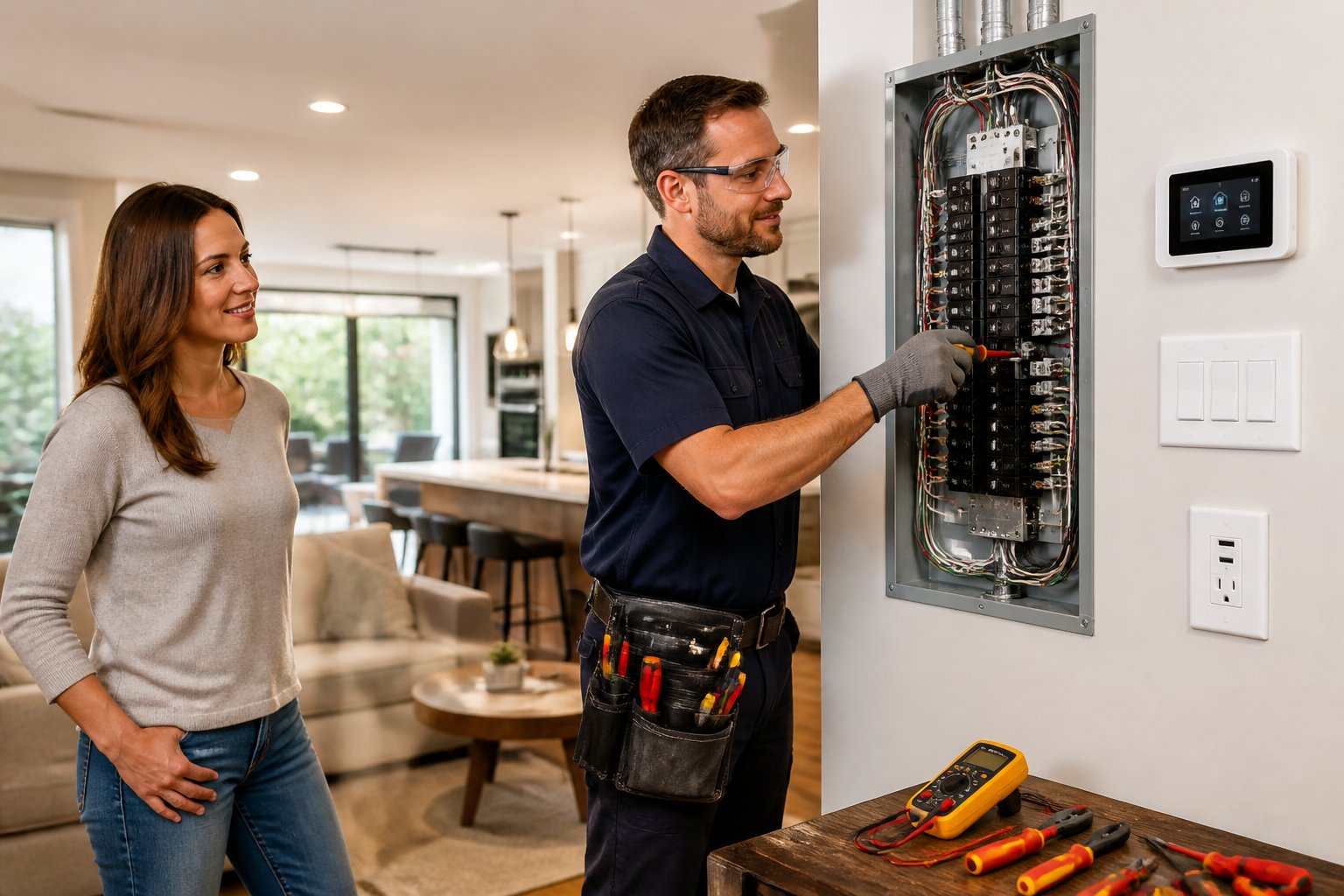
Looking for kitchen lighting that not only looks sharp but works safely? A licensed kitchen lighting electrician in Roseville can design, install, and upgrade your lights so your space shines, stays safe, and meets code. You’ll get real advice on fixture styles, task and ambient lighting, plus any panel or circuit work you might need to make your kitchen work for you.
If you appreciate same-day service, upfront pricing, and technicians who actually care about your home, you’ll get fast, honest work with fewer surprises. AAA Electrical Services brings a safety-first mindset, stocked vans for quick fixes, and certified pros who genuinely want your family to feel safe.
Let’s get into the types of kitchen lighting, what installation really involves, what you’re likely to spend, and how to pick the right Roseville electrician so your kitchen upgrade doesn’t turn into a headache.
Why Hire a Kitchen Lighting Electrician in Roseville
A pro electrician gets your light placement right, ensures safe wiring, and follows Roseville codes. You’ll get reliable fixtures, faster repairs, and honest pricing from people who know what they’re doing.
Benefits of Professional Installation
Bringing in a licensed electrician means your fixtures end up where you actually need them for cooking and prepping. They size circuits, pick dimmers or under-cabinet lights that cut glare, and help you save energy.
Because the vans are stocked, a lot of repairs or installs finish in just one visit—no waiting around for parts. You also get flat-rate pricing and clear estimates, so you’re not left guessing.
A good electrician tests all connections and balances loads to keep breakers from tripping. That means fewer headaches down the road and lighting that just works.
Safety Considerations
Kitchens mix water, metal, and heavy-use circuits—so wiring mistakes can be risky. Licensed electricians use GFCI or AFCI protection where it counts and stick to safety-first practices.
They secure fixtures so heat and wiring stay clear of cabinets and insulation, which helps prevent overheating and melted wires.
If something goes wrong after installation, you get documented work and warranties. That protects your family and makes future inspections or insurance claims a lot simpler.
Building Codes and Local Regulations
Roseville and Sacramento-area homes have to meet local electrical codes for lighting, remodels, and outlet placement. Certified electricians know these rules and handle permits when needed.
Staying up to code avoids failed inspections, delays, and expensive do-overs. It also keeps your lighting upgrades legit for future home inspections and resale.
Electricians keep records and test results that show you’re in compliance. That’s real peace of mind about your kitchen’s electrical system.
Types of Kitchen Lighting Solutions
Great kitchen lighting combines general room light, focused task lighting, and accents that make your space both useful and inviting. Here are practical options for each, plus tips to help you pick what fits your kitchen and daily routine.
Ambient Lighting Options
Ambient lighting covers the whole kitchen. Recessed ceiling lights give even coverage above islands and walkways. Space them about 4–6 feet apart for balance, and use dimmable LEDs so you can dial down the brightness for dinner.
Flush-mount or semi-flush fixtures work for lower ceilings and spread light broadly. A central chandelier or pendant cluster can stand in for multiple recessed cans if you want a single focal point. Consider a lighting control with presets so you can go from bright prep to cozy dining with one button.
Want layered ambient light? Add under-cabinet toe-kick or cove LED strips to wash light across upper walls. These add warmth and help with nighttime visibility without making the room too bright.
Task Lighting for Workspaces
Task lighting targets where you chop, cook, and clean. Under-cabinet LED strips or puck lights give shadow-free light on counters. Mount them near the front of the cabinet so your body doesn’t block the light.
Pendant lights work well over islands and prep counters. Choose wide-beam pendants for food prep, and hang them 30–36 inches above the counter for good coverage. For sinks and cooktops, use recessed or adjustable spot fixtures aimed right where you need them.
Plug-in or hardwired fixtures over stovetops need to be rated for heat and moisture. If you’re thinking about high-wattage lighting or lots of LEDs, ask an electrician to install extra circuits so you don’t trip breakers.
Accent Lighting Ideas
Accent lighting makes cabinets, glassware, backsplashes, and features stand out. Inside-cabinet strip lights highlight china or stemware. Place strips along the top inside shelves or behind glass doors for a clean, modern look.
Toe-kick lighting under lower cabinets adds a floating effect and helps at night. Warm-white LEDs (2700–3000K) keep things cozy. For backsplashes, try narrow linear lights or spot fixtures to bring out tile or stone textures.
Control accents with a separate switch or low-voltage dimmer so you can use them alone for ambiance. If you want help with installation or same-day service in Roseville, AAA Electrical Services can handle wiring, dimmer installs, and safe placement—always putting your family’s safety first.
Choosing the Right Lighting Fixtures
Good kitchen lighting helps you see, stay safe, and makes cooking less of a chore. Choose fixtures that fit your tasks, style, and budget—and don’t forget local code requirements.
LED vs. Traditional Fixtures
LEDs use way less energy and last a lot longer than incandescents or halogens. You’ll save on bills and won’t have to change bulbs as often. LEDs also stay cooler, which is safer over stovetops.
Look for LEDs with lumens (brightness) and color temperature (Kelvin) info. Shoot for 3000K–3500K for warm but clear light, or 4000K if you want a whiter, brighter look. If you want adjustable lighting, make sure the LEDs are dimmable.
Traditional fixtures might be cheaper up front, but the bulbs burn out faster and use more power. If you want to keep older fixtures, retrofit them with LED-compatible sockets or modules to get the benefits without replacing everything.
Styles and Design Trends
Pendant lights over islands are still a favorite for both function and style. Pick pendants that direct light down and hang them 30–36 inches above the counter to keep sightlines open.
Recessed can lights give general illumination without clutter. Use a layered approach—recessed for overall light, under-cabinet for counters, pendants for work zones. This setup cuts shadows and makes it easier to see what you’re doing.
Match finishes and shapes to your cabinets and hardware. Stainless, matte black, and brass are all in. Keep fixture size in proportion to your island or table so things don’t look awkward.
Energy Efficiency Features
Go for ENERGY STAR-rated fixtures and bulbs for real savings. Check lumens-per-watt; higher means more light for less energy. Look for color-rendering index (CRI) of 80+ so food looks right.
Smart controls help too. Add dimmers, motion sensors for pantries, and timers for under-cabinet strips—these cut wasted run-time and add convenience.
When you upgrade, have a licensed electrician check your wiring and circuit capacity. That keeps your kitchen safe and lets you add things like multi-zone dimming or LED retrofit kits without tripping breakers. AAA Electrical Services can help with safe, code-compliant installs and same-day service in Roseville.
Electrical Services Offered in Roseville
You’ll get safety-focused, practical electrical work that keeps your kitchen bright, functional, and up to code. Technicians show up ready for quick fixes, offer clear flat-rate pricing, and focus on family safety and reliability.
Wiring and Rewiring
You need wiring that meets current codes and can handle dishwashers, microwaves, and induction cooktops. Techs inspect knob-and-tube, aluminum, and old cloth-insulated wiring, then recommend rewiring or repairs to get rid of risks like overloaded circuits and bad neutrals.
Work covers replacing damaged cables, adding dedicated circuits for big appliances, upgrading grounding, and installing GFCI protection at counters and sinks. Your home keeps power where you need it and cuts down on tripped breakers. Same-day service and stocked vans mean lots of repairs get done in one trip.
Lighting Upgrades and Retrofits
You can update lighting to improve visibility, energy use, and even resale value. Services include LED retrofits for recessed cans and under-cabinet fixtures, adding dimmers, relocating fixtures for better task lighting, and setting up multiple lighting zones for prep, cooking, and dining.
Techs size circuits and panels before upgrades to prevent overloads. They’ll suggest efficient fixtures and handle trim, can replacement, and install new LED downlights. Flat-rate pricing and clean work mean your kitchen looks better without a mess.
Smart Kitchen Lighting Integration
You can add smart control to counters, islands, and task areas with systems that link to voice assistants or your phone. Services include installing smart switches, dimmers, addressable LED drivers, and wiring for hubs or controllers if needed.
Installers set up scenes, schedules, and motion-based night lighting for safety. They check compatibility with your dimmable LEDs and make sure circuits and neutrals are right for smart devices. This keeps your kitchen flexible for the future, with safety and clear pricing in mind.
The Installation Process Explained
Here’s what really happens—from the first visit to the final test. The crew plans the layout, secures fixtures, and checks every circuit for safety and performance.
Initial Consultation and Planning
You start with a home visit. The electrician checks your kitchen layout, panel capacity, and current wiring. There’ll be measurements, photos, and notes about appliances, lighting needs, and any dimmer or smart controls you’re after.
The tech reviews code requirements and whether your breaker panel needs an upgrade for new circuits or heavy loads. You’ll get a flat-rate estimate and a timeline. Ask about same-day service and whether the van has the parts to finish in one go.
If you need permits, the electrician explains who handles them and what inspections will follow. Confirm placement, finish, and control types before work starts to avoid last-minute changes.
Fixture Placement and Layout
Electricians balance task, ambient, and accent lighting. For counters and islands, they install under-cabinet lights and pendants at standard heights—usually 30–36 inches above the island, unless you want something different.
Wiring runs follow cabinets and ceiling joists to keep conduit out of sight. The crew installs junction boxes, routes cables, and secures fixtures. If you want smart controls, they pre-wire for hubs, switches, and dimmers for easy integration.
Techs protect surfaces and keep things tidy. If parts are missing, the stocked van often saves the day so work can finish in one visit. You’ll get a look at the rough-in layout and can approve final locations before they patch or repair ceilings.
Final Inspection and Testing
Once everything’s mounted, the electrician tests each circuit with meters and load tests. They check voltage, polarity, grounding, and GFCI/AFCI operation where needed. You’ll see switches and dimmers tested under real load for flicker-free dimming and the right sequence.
A visual inspection follows—boxes secure, covers on, panel labels correct. If a permit was pulled, an inspector checks code compliance. The tech shows you how the new controls work and gives you documentation, warranty info, and maintenance tips. You walk away with safe, code-compliant kitchen lighting and a clear record of what was done.
Cost Factors and Budgeting
Kitchen lighting costs depend on fixture type, wiring needs, permits, and labor rates in Roseville. Figure in fixture price, circuit work, permits, and any wall or ceiling repairs when setting your budget.
Average Costs in Roseville
You’ll typically see costs between $4 and $8 per square foot for full rewiring work in California, but small kitchen lighting jobs can vary. Swapping a simple pendant or recessed can runs $150–$450 per fixture if wiring and switches are already in place.
Need new circuits, dedicated lines for islands, or a panel upgrade? Add $300–$1,500 for labor and materials per circuit. Permit fees in Roseville usually add $75–$300 depending on the job.
Labor rates here run higher than in rural areas; tough access (like attics or behind cabinets) adds time and cost. Ask for flat-rate, upfront pricing so you know the deal before work starts.
Ways to Save Money
Pick standard, energy-efficient LED fixtures instead of custom ones if you want to save on product costs without really losing out on light quality. If you're getting several fixtures installed, try to schedule them all in one visit—fewer call-out fees, and techs with stocked vans can often finish more in a single trip.
Plan wiring runs during a bigger remodel if you can, so you won’t have to mess with the walls again later. If you’re comfortable, swap out trims or shades yourself after the electrician handles the wiring and mounting.
Take advantage of rebates or utility incentives for LED upgrades and smart lighting controls. Those can lower your upfront bill and help you save over time.
Financing and Payment Options
A lot of local electricians use flat-rate, upfront pricing, so you’ll know the full cost before they start. Ask if they offer payment plans, same-day card processing, or financing for bigger jobs like panel upgrades or full rewiring.
Look for deals—maybe $35 off your first service or a membership discount (usually around 10% off labor, though that rarely covers permits or subcontractors). Double-check if your payment includes permits and inspections or if those come as extra charges.
Always get a written estimate that spells out parts, labor, permit fees, and warranty info. That way you can compare offers and pick what works for your budget and peace of mind.
Ongoing Maintenance and Support
Regular care keeps your kitchen lighting safe, bright, and working like you want. Let’s cover some easy upkeep, how repairs usually go, and what to expect from warranties or service plans.
Maintenance Tips
Every 3–6 months, check bulbs and fixtures for flicker, dimming, or buzzing. Replace burned-out bulbs with the wattage and color temp listed on the fixture—keeps things even and safe for your appliances.
Wipe dust and grease off vents and fixtures. Use a soft cloth and mild cleaner, but always turn off power at the switch or breaker before cleaning any hardwired fixture—no one needs a shock.
Once a year, check switches, dimmers, and outlets. If a switch feels hot, crackles, or works off and on, stop using it and call a pro. No sense risking a fire.
LED upgrades and motion or task lighting can save energy and give you better visibility. LEDs last longer and use less power, and good placement cuts down on shadows over prep areas and sinks.
Keep a basic log of changes and service dates—bulb types, dimmer models, repairs. It’ll help your tech fix things faster if you ever need a repair.
Repair Services
If a light circuit trips, breakers keep popping, or outlets lose power, call a licensed electrician. Guessing rarely ends well. Quick diagnostics will tell you if it’s a fixture, overloaded circuit, or wiring issue.
Most techs show up with stocked vans, so they can fix common problems—bulbs, switches, dimmers, minor wiring—on the first visit.
You should get clear, flat-rate pricing and a scope of work before repairs start. If you need a panel upgrade, new circuit, or permit, the tech will explain costs and timing so you can make the call.
For kitchen remodels, try to coordinate lighting repairs with your other trades. Electricians can re-route circuits, add dedicated lines for appliances, and set up dimmers or smart controls to fit your plan.
Warranty and Service Agreements
Make sure you know the warranty details for fixtures, bulbs, and labor before work starts. Most manufacturers cover defects; a licensed electrician’s labor warranty should cover their work for a set time.
Ask about service agreements—things like annual inspections, priority scheduling, and discounts on repairs. Memberships with recurring maintenance can help you avoid emergencies and keep fixtures working longer.
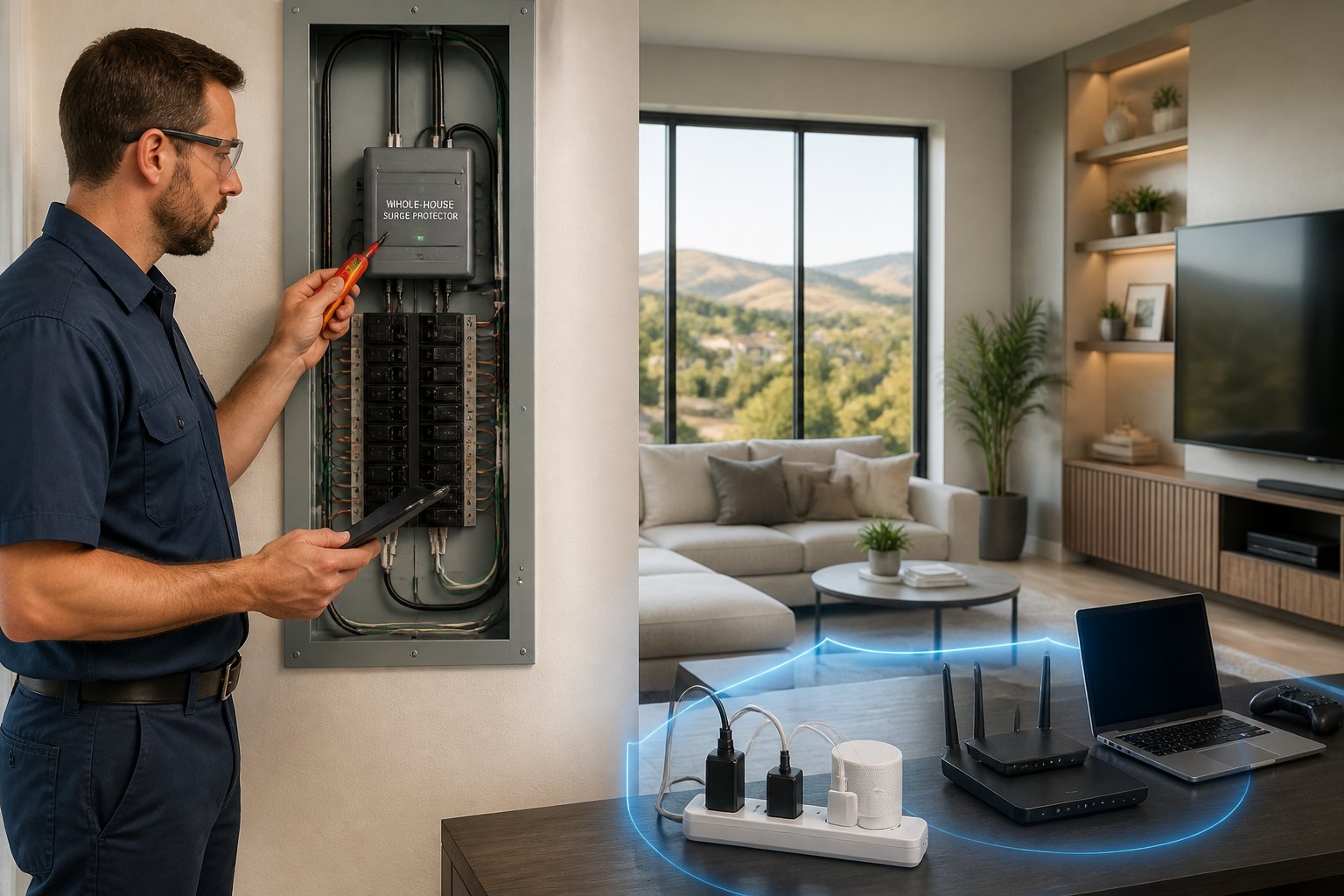
See what’s included: circuit testing, breaker checks, outlet tightening, surge protection. Watch out for exclusions like permits, major structural work, or subcontractor labor.
Keep your warranty paperwork and service records in one spot. If you ever need a claim or follow-up, having invoices and notes handy speeds things up and helps keep your home safe.
Selecting the Best Kitchen Lighting Electrician in Roseville
Pick an electrician who keeps your family safe, offers clear pricing, and actually finishes the job right. Look for licensed techs, real customer feedback, and answers to your key questions before hiring.
Qualifications to Look For
Check for a valid California electrical license and local permits. Ask if they have experience with kitchen lighting, dimmers, under-cabinet lights, and circuits for ovens or islands.
Make sure they carry liability insurance and workers’ comp. That protects you if someone gets hurt or something gets damaged. Always ask for proof before they start.
See what training and certifications they have. Nexstar or state certifications mean they know the codes. Ask if techs are background-checked and if their vans are stocked for same-day fixes.
Look for a clear warranty and a satisfaction promise. Ask how long the warranty lasts and what it covers. Written terms protect you if problems pop up after the install.
Customer Reviews and Testimonials
Read recent reviews on several sites to spot trends. Punctuality, clean work, and good communication during kitchen jobs matter.
Notice comments about safety and code compliance. If customers mention a safe, code-ready install, the electrician probably follows the rules that keep your home protected.
Look for feedback on flat-rate pricing and no surprise bills. Honest estimates and clear invoices are a good sign.
If people mention repairs fixed in one visit, the electrician likely has parts on hand and avoids extra trips.
Questions to Ask Before Hiring
Ask: “Are you licensed, insured, and permitted for this job?” Get the license number and insurance info, and check them with the state or city.
Ask about experience: “How many kitchen lighting jobs have you done in Roseville?” Request photos of similar work and references from local customers.
Ask for a written quote—labor, materials, permit fees, warranty terms. Confirm special offers like $35 off for new customers or membership discounts before you sign anything.
Ask about cleanup: “Will techs protect my counters and floors?” Make sure they wear uniforms and don’t leave a mess. Ask how long the job takes and if they carry parts for fast fixes.
Frequently Asked Questions
Here are some straight answers about cost, electrician choice, lighting types, design help, permits, and timing—so you can plan your kitchen lighting project without too much guesswork.
What are the common costs for kitchen lighting installation by an electrician in Roseville?
Costs depend on fixture type and the work needed. Simple recessed or pendant light installs usually run $150–$350 per fixture if wiring’s already there.
If you need new wiring, switches, or a circuit, expect $300–$1,200 more. Panel upgrades or new dimmers add to the price. Always ask for flat-rate, upfront pricing so you’re not surprised.
How do I choose the right electrician for kitchen light fixture installation?
Go with a licensed, insured electrician who knows the local area. Look for techs who are background-checked, wear uniforms, and keep the workspace clean.
They should offer transparent pricing and same-day service if you’re in a hurry. AAA Electrical Services checks those boxes and focuses on safety-first work by licensed professionals.
What types of kitchen lighting options can an electrician install?
An electrician can put in recessed lights, pendants, under-cabinet strips, track lighting, and surface-mounted fixtures. They can add dimmers, motion sensors, and layered lighting systems.
They handle task lighting for counters, ambient ceiling lighting, and accent lights for cabinets or islands.
Can an electrician help with the design of kitchen lighting during a remodel?
Absolutely. Electricians can suggest fixture placement, check circuit capacity, and recommend the right light levels for both tasks and mood. They’ll usually push for energy-efficient LEDs and layouts that meet code.
You’ll get practical design advice that matches your appliances and any future needs—think EV chargers or smart home stuff.
Are there any permits required for electrical work on kitchen lighting in Roseville?
Swapping out a fixture usually doesn’t need a permit, but new circuits, major rewiring, or panel upgrades almost always do. Permit rules depend on the scope and local code.
Your electrician should handle permits and inspections or at least tell you when they’re needed.
How long does it typically take for an electrician to install new kitchen lighting?
Swapping out a basic fixture? That might only run 30 to 90 minutes per light. But if you’re asking for several recessed lights or a whole new circuit, well, block off the better part of a day—sometimes longer.
When the electrician’s got all the right parts handy, jobs often wrap up that same day. But if you’re dealing with permits or waiting on inspections, expect things to drag out by a few days. It’s never as quick as you hope, is it?