If you’ve got solar panels in Natomas, keeping them clean and checked makes a real difference. Regular maintenance means you’ll avoid surprise drops in energy production, catch little issues before they snowball, and help your panels last. Here, you’ll see which tasks matter, when to call in a pro, and how a little care can boost your home’s energy efficiency.
You can handle simple stuff—sweeping off leaves, watching for shade. But once you’re dealing with wiring or anything electrical, it’s smart (and safer) to let a licensed electrician take over. AAA Electrical Services offers same-day help, flat rates, and certified techs who actually treat your home well—great if you’d rather trust a team with inspections, repairs, or cleaning.
We’ll run through seasonal care, warning signs, what maintenance costs in Natomas, and easy mistakes to avoid so your system keeps humming along.
Benefits of Regular Solar Panel Maintenance
With regular care, your panels stay clean, wires stay tight, and your system’s ready for upgrades. That means more energy, fewer headaches, and lower costs over time.
Maximizing Energy Efficiency
Dust, bird mess, and pollen cut your output. Cleaning panels a few times a year in Natomas brings back lost production, so your bills don’t creep up.
Techs also check for shading, loose mounts, and inverter hiccups. Fixing a crooked panel or swapping out a weak inverter part can bring back a few percent of your lost power.
After service, track your daily or weekly energy numbers. That’s how you’ll know if cleaning or repairs actually helped. Ask for before-and-after readings so you can see the real savings.
Prolonging System Lifespan
Corrosion, loose wiring, and leaks all wear down your setup. Tightening connections, swapping old seals, and fixing mounts keeps things from breaking early.
A well-looked-after array just hangs in there longer. Inspections catch small issues like cracked panels or worn-out junction boxes before they get worse.
Stick with licensed, background-checked techs who put safety first. Same-day service and well-stocked vans mean a lot of fixes happen on the spot, which keeps your home protected and your system running with less downtime.
Reducing Repair Costs
Little problems get expensive if you ignore them. Spotting hot spots, frayed wires, or inverter errors early keeps repair bills down. Regular checks mean fewer emergencies and less chance you’ll need pricey parts.
Flat-rate, upfront pricing makes budgeting easier. Membership discounts and that $35 new-customer offer help cut your first inspection or maintenance bill and give you some peace of mind.
Keep records of your maintenance visits. If you ever need to claim a warranty or sell your house, showing you cared for your system can help keep its value up.
Essential Solar Panel Maintenance Tasks
Focus on keeping panels clean, catching physical problems early, and tracking energy output. That’s how you keep things safe and reliable.
Cleaning Panels Safely
Keep panels clear of dust, pollen, bird mess, and leaves for best results. After windstorms or long dry stretches in Natomas, take a look.
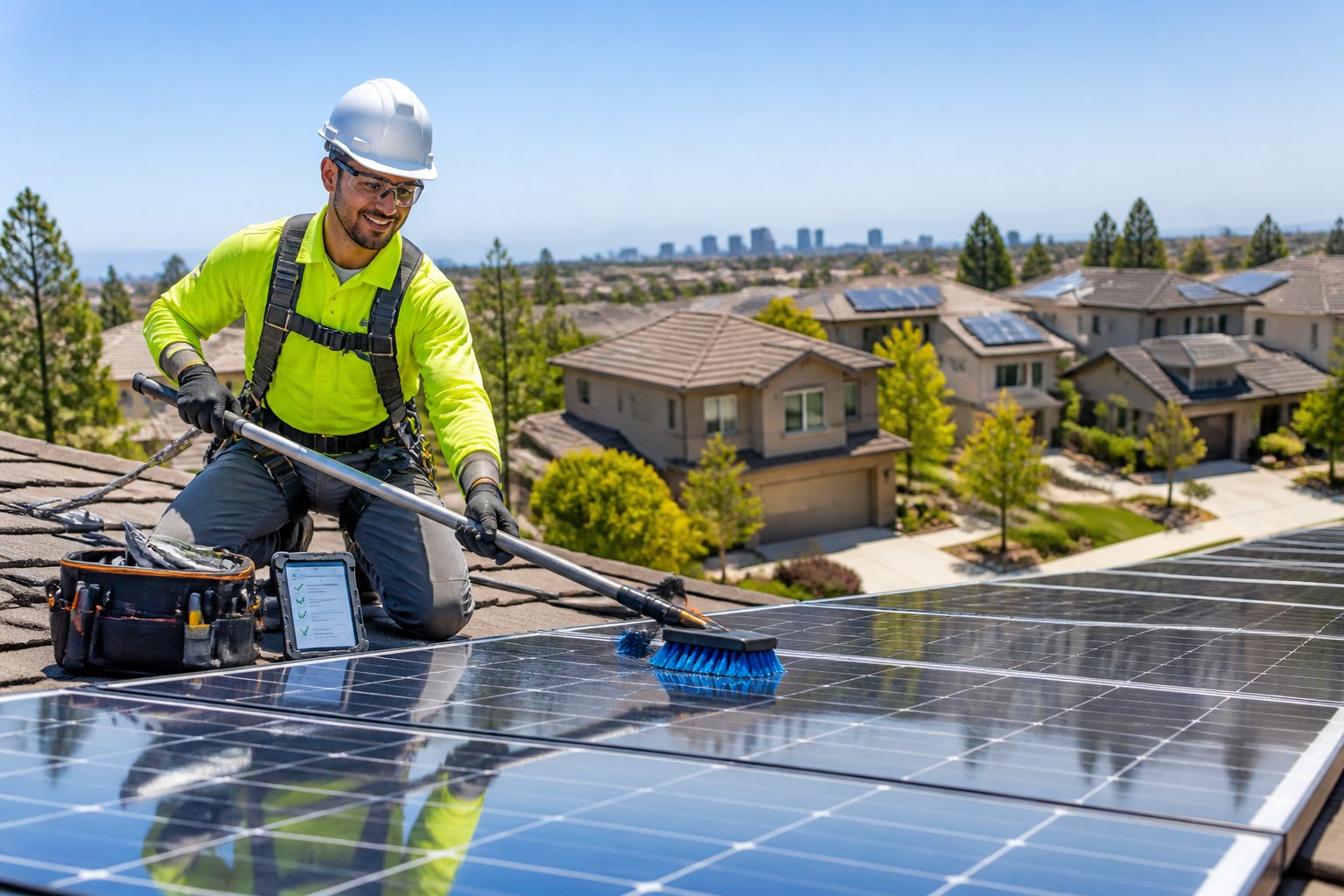
Only clean when panels are cool—early morning or late evening is best. Use a soft brush or microfiber mop with plain water. Skip detergents, pressure washers, or anything abrasive; they can scratch glass or strip coatings.
If your panels are on the roof, use a sturdy ladder and harness—or let a pro handle it. AAA Electrical Services can send someone out same-day if you’d rather not climb up yourself.
Rinse gently and let panels air dry. Twice a year usually works, but if you get lots of dust or birds, check more often.
Inspecting for Physical Damage
Every few months, look for cracks, delamination, loose mounts, or exposed wires. Start with a ground-level visual check—any chips, bent frames, or broken glass?
Check mounting hardware for rust or looseness. Only tighten if you know the torque; otherwise, call a licensed electrician.
Look over conduit and junction boxes for water or critter damage. Check inverter and combiner box covers for condensation or burnt smells. If you spot broken glass, bent rails, or frayed wires, stop and call a pro. Better safe than sorry.
Monitoring Performance Output
Keep an eye on your daily and monthly energy numbers from your inverter or app. Compare them to what you expect on similar weather days. If you see a steady drop of 5–10%, something’s probably up—maybe dirt, shade, or a failing part.
Watch inverter lights and error codes. Note any sudden drops after storms; that can mean connection problems or microinverter issues.
If you can’t figure out why performance is down, book a diagnostic. AAA Electrical Services offers flat-rate checks and often fixes things same day. Keep a simple log: date, weather, kilowatt-hours, and any weird stuff you notice. It’ll help with repairs.
Professional Maintenance Services in Natomas
Professional maintenance keeps your panels safe, efficient, and productive. Local companies offer scheduled visits, diagnostics, and repairs that fit Natomas weather and codes.
Choosing Local Service Providers
Pick a provider who knows the local area and is upfront about pricing. Look for licensed, insured techs who give flat-rate quotes so you’re not guessing. It’s handy if they carry parts in their vans and offer same-day repairs.
Ask about certifications and background checks. Make sure techs follow safety rules and show up looking professional. Check reviews from folks nearby and confirm they serve Natomas and the Sacramento area.
Choose teams who’ll handle permits and utility stuff for you. That saves you headaches with inspections or grid connections. If you like, ask about membership discounts for regular service.
Scheduled Maintenance Plans
Go for a plan that fits your roof, panel type, and how much you use them. Most plans include annual or twice-yearly inspections, cleaning, electrical checks, and performance reports. Regular visits catch micro-cracks, shading, and connector corrosion before they mess with your output.
Plans usually cover inverter testing, tightening electrical connections, and checking mounts. Ask if minor repairs are included and if stocked vans mean quick fixes. Check what’s not covered (like permits or big parts), and look for member discounts or new-customer deals.
Get a written schedule and a checklist for each visit. It’s just easier to track what’s been done and what your warranty might need.
Typical Service Offerings
Expect inspections, cleaning, inverter checks, wiring reviews, and hardware inspections. Techs will measure your system’s output and compare it to what’s expected. They can swap damaged panels, fix connectors, and tackle shading or debris issues common in Natomas.
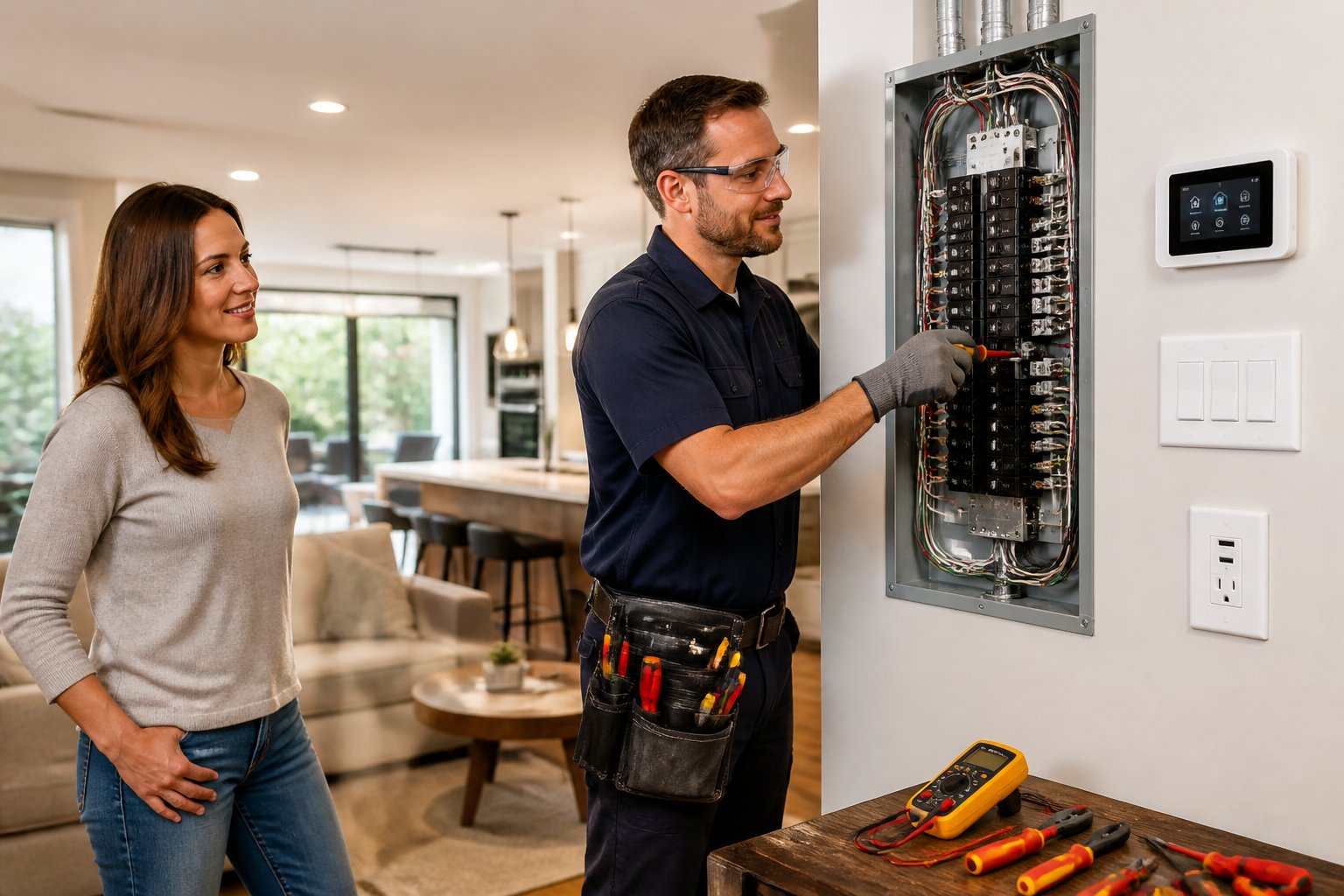
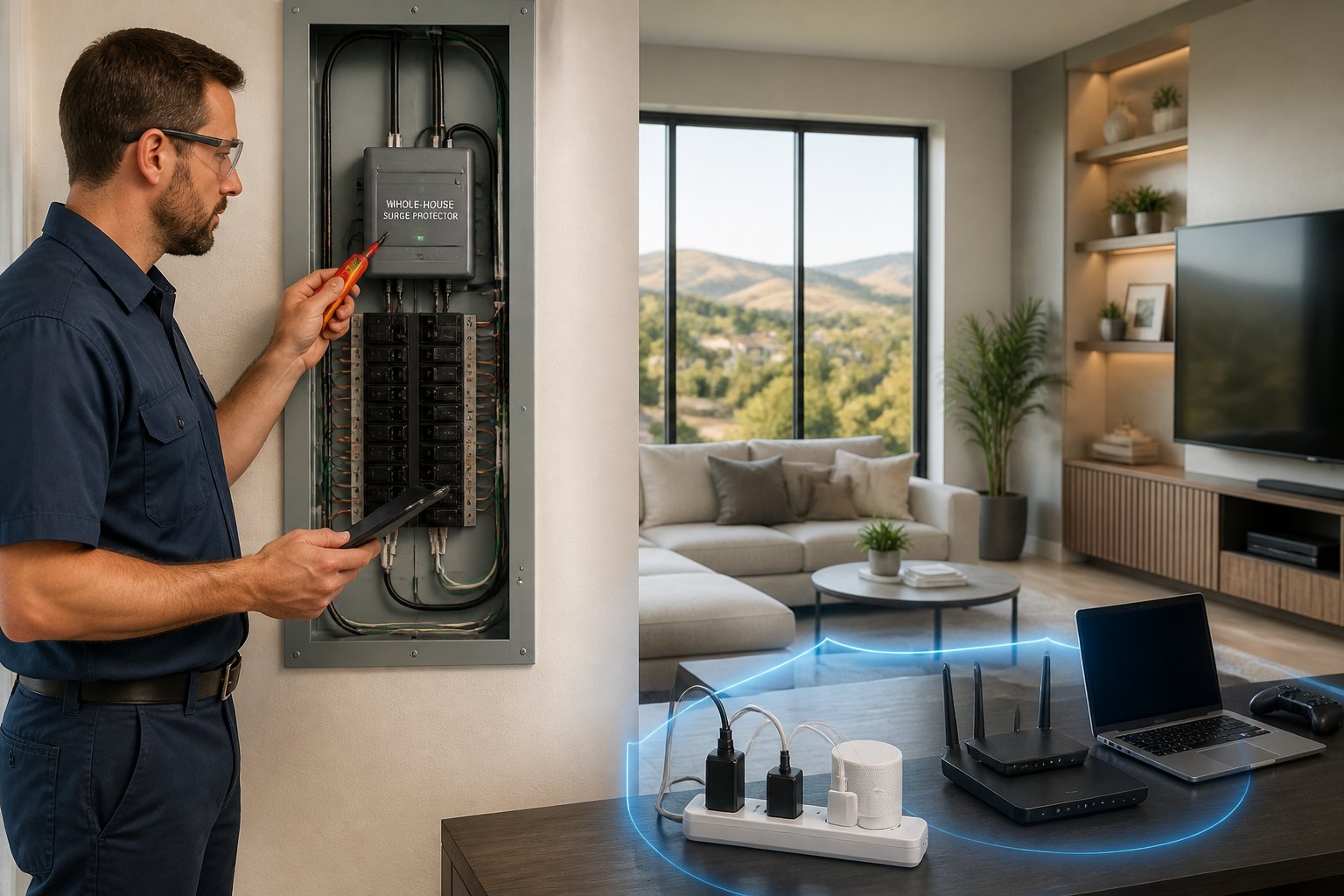
They’ll also test your home’s electrical panel, breakers, and surge protection. Ask for a written report with photos and repair advice. For quick fixes, pick a team with stocked vans—less downtime, less hassle.
DIY Solar Panel Care Tips
Keep debris off your panels, check for loose parts, and follow safety basics when you’re up on the roof. Use soft tools, skip harsh chemicals, and call a pro if you spot electrical issues or broken panels.
Recommended Cleaning Tools
A soft-bristle brush or long-handled squeegee with a microfiber head works well for dirt and bird droppings. These tools help you avoid scratches and sometimes reach from the ground.
Mix warm water with a little mild dish soap in a bucket. Start with a gentle hose rinse (low pressure), then scrub gently and rinse again. Definitely avoid pressure washers and anything rough.
If you have to get on the roof, use a non-slip ladder and a harness. Wear rubber-soled shoes and gloves. Keep tools in a bucket or tool belt so nothing rolls off the roof.
A telescoping pole with a brush attachment is great for ground-level cleaning. For two-story homes, it’s just safer to hire a pro.
Safety Precautions for Homeowners
Only turn off your solar system if your inverter or manual says it’s safe and you know what you’re doing. If you’re unsure, let a licensed electrician handle it.
Don’t work on panels when it’s wet, windy, or icy—slips and shocks are way more likely. Schedule cleaning for dry, calm mornings when panels are cool.
Never step directly on panels—they can crack and you might void the warranty. Keep kids and pets away while you work. Have someone nearby to hold the ladder and pass tools.
If you smell burning, see smoke, or spot exposed wires, get out and call a pro right away. AAA Electrical Services does same-day visits and sends licensed techs who know what they’re doing.
Basic Troubleshooting Steps
Start with a ground-level look. Check for cracks, loose mounts, debris, or unplugged wires. Note any damage before touching anything.
Watch your inverter display or app for error codes or sudden drops in output. Record when and what the weather’s like if you see changes—techs appreciate those details.
Clean panels and clear shade, then check your output again after a day or two. If it’s still low, only test panel voltages if you’ve got the right meter and training; otherwise, call in an electrician.
For tripped breakers or blown fuses, only reset the main AC breaker if you know where it is and your manual says it’s safe. If it keeps tripping, stop and call a pro—fire risks aren’t worth it.
Seasonal Considerations for Solar Panel Care
Natomas gets wet winters, hot summers, and plenty of leaves in the fall, so plan ahead. Simple checks, safe cleaning, and quick fixes keep your panels efficient and lasting longer.
Preparing for the Rainy Season
Check mounting hardware and roof seals before the rains hit. Tighten bolts, watch for rust, and look for cracked flashing to avoid leaks and shifting panels.
Clear gutters and downspouts so water drains away. Pooled water near mounts can rot the roof and loosen attachments over time.
If you notice flickering inverters or sudden drops in output, schedule an electrical inspection. Licensed techs can test grounding and weather seals; this helps keep your home safe and your warranty valid.
Keep a list of emergency contacts, including a local service that offers same-day help. Let the pros handle electrical work when water’s involved—it’s just safer.
Protecting Against Summer Heat
Check inverter vents, combiner boxes, and attic ventilation in late spring. Overheated parts drop output; good airflow and clean vents keep things cooler.
Clear dust and buildup with a soft brush or low-pressure hose. Don’t use anything abrasive or high-pressure—it’s not worth the risk.
Watch for hot spots or blistering on panels. If you spot something off, call for a thermal scan. Quick checks from certified techs can save you from bigger repairs.
Trim nearby tree branches if you can—less shade and less heat sticking around on the roof. Shade that drifts across panels cuts your output more than most folks realize.
Addressing Autumn Debris
After storms, rake leaves and clear pine needles from panels and roof valleys. Debris traps moisture, stains panels, and speeds up corrosion by mounts.
Check for microcracks, inspect junction boxes, and check wire entries before winter. Debris can force water into small gaps, so reseal with weatherproof sealant if needed.
Use a soft broom or leaf blower to clear off panels—try not to walk on them. If you have to get up there, follow safety steps or hire a pro who’ll treat your home right.
Plan a post-leaf-fall inspection to spot loose clamps and worn wiring. With honest pricing and same-day service, it’s easier to get repairs done before winter sets in.
Signs Your Solar Panels Need Maintenance
If your system’s showing lower energy, looks grimy, or throws error messages, don’t ignore it. These are signs something’s up with safety or output.
Noticeable Drop in Output
A steady drop in energy production is usually the first thing you’ll notice. Check your inverter readout or monitoring app for daily and monthly totals. Compare your current output to the same month last year—sometimes you’ll spot a real decline that way.
Small drops (5–10%) might just be seasonal shading or a bit of dirt. Bigger drops (20% or more)? That’s often a sign of panel damage, faulty wiring, or maybe a failing inverter. If you spot large dips, don’t wait—get a professional to check things out. A licensed tech can test string currents, look over connections, and swap out failed parts.
Ask your tech to write down what they find and what needs fixing. That’s handy for warranties or insurance if you end up needing replacement parts. Around Natomas, you’ll often get same-day service—stocked vans mean repairs can happen fast and your system’s back up before you know it.
Visible Dirt or Grime
Take a look at your panels for dust, bird droppings, leaves, or pollen. Even thin layers can shave a few percent off your output. After storms, windy days, or pollen-heavy weeks in spring, it’s worth checking.
For light cleaning, just use a soft brush and plain water. Skip the pressure washer, abrasive pads, or harsh cleaners—they’ll scratch the glass or mess up the seals. For rooftop or tough-to-reach setups, it’s smarter (and safer) to call a certified tech who knows what they’re doing and uses proper fall protection.
Regular cleanings every 6–12 months help keep buildup under control in Natomas’s climate. If dirt keeps coming back fast or cleaning doesn’t fix low output, get a pro to check for microcracks, delamination, or loose mounts that let grime sneak under the panels.
Unexpected System Alerts
If your inverter starts beeping, cycling, or showing warning lights, pay attention. These alerts—ground-fault, arc-fault, high-temp, communication errors—each point to different problems like damaged conduit, loose connectors, overheating, or failed monitoring gear.
When you see an alert, jot down the exact message and time. Only shut off the system if your manual or installer says to. Then call a licensed electrician who can read the codes, test isolation resistance, and safely track down wiring issues.
Quick action here lowers fire risk and keeps things from getting worse. AAA Electrical Services techs show up with certified training, upfront pricing, and vans loaded with parts, so they can often solve the problem on the first visit. That’s peace of mind for you and your family.
Cost of Solar Panel Maintenance in Natomas
Maintenance costs in Natomas depend on your system’s size, how tricky your roof is, and how often you get service. Most local techs offer flat-rate inspections, cleaning, and repairs to keep your panels working and your family safe.
Factors Affecting Pricing
System size and panel count set the base price. Smaller residential systems (under 10 kW) usually cost less to service than big arrays.
Roof access changes the labor. Steep or multi-story roofs mean more work and safety gear. Ground-mounted setups are usually easier (and cheaper) to reach.
Condition and age matter, too. Old inverters, damaged panels, or rusty mounts add parts and labor. If something’s under warranty, you’ll probably pay less out of pocket.
Service type makes a difference. Basic inspections and performance checks cost less than deep cleaning, electrical repairs, or swapping an inverter. Same-day or rush repairs can bump up the fee.
Sometimes, local codes, permits, or utility coordination tack on extra costs. Always ask for flat-rate pricing and itemized quotes so you know what you’re paying for.
Comparing One-Time vs. Ongoing Costs
One-time costs cover repairs, inverter swaps, or panel replacements. Prices can vary a lot—techs usually check out the problem and give you a quote up front. Big replacements get billed as project estimates.
Ongoing costs mean annual inspections, cleaning, and quick tune-ups. Budgeting for yearly service helps catch issues early and keeps output steady. Lots of Natomas homeowners save per visit with a regular maintenance plan.
Maintenance plans bundle inspections, cleaning, and priority service. Plans often come with member discounts and can cut down on emergency repairs. Ask if techs bring stocked vans for faster fixes, and whether flat-rate pricing covers routine visits.
Sustainable Practices for Ongoing Care
Stick with gentle, low-impact methods that protect your panels and save money. Focus on safe cleaners, water-wise rinses, and routine checks to catch problems early.
Eco-Friendly Cleaning Solutions
Use plain water and a soft, long-handled brush or microfiber mop for dust, bird droppings, and pollen. For stubborn grime, add a little mild dish soap to warm water. Wipe with a soft cloth and rinse gently.
Skip acidic or abrasive cleaners and high-pressure washers—they’ll just scratch the glass or mess up the seals. If you have to use a chemical cleaner, make sure it’s biodegradable and phosphate-free. Test it on a panel corner first, just in case.
Wear rubber-soled shoes and use a sturdy ladder or roof harness if you’re cleaning. If you’re not comfortable, call AAA Electrical Services for safe, trained techs who clean up after themselves.
Minimizing Water Usage
Rinse panels with a handheld nozzle or a low-flow hose—just quick bursts. Early morning or late evening works best, so you don’t get streaks or lose water to evaporation. For spot cleaning, a spray bottle does the trick and you won’t waste water.
Collect rainwater in a barrel for rinses after dry spells. A 50–100 gallon barrel usually covers a few light rinses for a small roof array. For bigger systems, just target the dirtiest spots instead of washing the whole thing.
Get inspections every 6–12 months to catch buildup before it gets bad. Quick spot cleaning keeps your panels efficient and saves water in the long run.
Common Mistakes to Avoid
If you skip regular cleaning, dust and leaves can cut your panel output. Check your panels a few times a year and gently clear any debris so sunlight gets through.
Ignoring small issues like cracks or loose wires? That’s how you end up with expensive repairs. Spot damage? Call a licensed technician right away to prevent safety risks.
Don’t mess with electrical fixes yourself, especially around inverters and wiring. Leave that to the pros—your family’s safety is worth it.
If you overlook roof or panel alignment, efficiency drops over time. Make sure panels stay secure and aren’t shaded by new trees or construction.
Forgetting inspections means problems can go unnoticed until your system’s performance tanks. Regular checks catch faults early and save money down the road.
Adding an EV charger or new appliances without checking your solar setup? You might overload circuits. Get a panel assessment to avoid tripped breakers or unsafe loads.
Choosing the wrong service team wastes time and money. Same-day service from a crew that treats your home like their own means faster fixes—sometimes in just one visit.
AAA Electrical Services offers flat-rate, upfront pricing and certified techs. Mention you’re in Natomas when you call—they’ll tailor service to your neighborhood.
Frequently Asked Questions
Here you’ll find steps, timing, costs, efficiency tips, local service options, and safe DIY moves for solar panels in Natomas. It’s all practical stuff you can use right away.
What are the key steps involved in solar panel maintenance?
Check your panels visually every 3–6 months for cracks, bird droppings, or new tree shade. Look at the mounting hardware and wiring for loose bolts, corrosion, or rodent damage.
Monitor system output weekly or monthly with your inverter or app—if production drops steadily by more than 10–15%, book a professional check.
Keep gutters and nearby roofs clean to stop dirt and water from pooling near panels. Trim trees so they don’t shade or drop debris on your setup.
How frequently should one schedule professional solar panel cleaning services?
In Natomas, a pro cleaning every 12–24 months is usually enough. If you’re near dust, smoke, or heavy pollen, go for annual cleanings.
Have a technician check electrical connections and the inverter once a year. Annual inspections catch little problems before they turn into big ones.
What factors affect the cost of maintaining solar panels in the Sacramento area?
System size matters most—more panels mean higher cleaning and inspection fees. Roof access and tilt count too; steep or tricky roofs take more labor.
Local debris and air quality affect how often you’ll need cleaning, which can bump up long-term costs. Repairs, part swaps, or bird-proofing add extra to the bill.
Can regular maintenance improve the efficiency of my solar panels?
Absolutely. Cleaning off dirt, leaves, and shade gets you closer to your panels’ rated output. Tightening connections and replacing bad wiring stops energy loss and keeps things safe.
Routine checks catch inverter or shading issues early, so you can reclaim lost energy before problems grow.
What are some reliable solar panel maintenance companies near Natomas?
Look for a licensed, local electrical company that does solar maintenance and backup services—same-day help is a big plus. AAA Electrical Services offers safety-first work, flat-rate pricing, and same-day service in Natomas.
Choose crews that are fully licensed, insured, and background-checked, with clear pricing. Ask about emergency response, stocked vans for quick repairs, and a satisfaction guarantee.
Are there any DIY tips for maintaining my home solar panel system?
First things first—always shut off the system at the inverter before you touch anything. Stick to the safety steps the manufacturer recommends. When it comes to cleaning, I’d grab a soft brush, a bit of mild soap, and use a hose in the early morning while the panels are still cool. That usually takes care of dust and those annoying bird droppings.
Try not to walk on the panels (seriously, it’s not worth the risk), and avoid blasting electrical parts with high-pressure water. If you spot cracked glass, see exposed wires, or notice your system just isn’t producing like it used to, don’t mess around—call a licensed technician right away.