Thinking about adding a few high-demand appliances at home? Before you jump in, you really should make sure your electrical system can handle the extra load. Double-check if your electrical panel has enough capacity and if your circuits can safely support the new appliances—otherwise, you might end up with tripped breakers or worse. Taking a few minutes now could spare you a lot of headaches (and repair bills) down the road.
When you work with AAA Electrical Services, you get safety-first electrical work from licensed pros who know Sacramento homes inside and out. With 40+ years in the business and fully stocked vans for same-day service, they can check if your system’s ready for things like electric stoves, ACs, or an EV charger. Safety’s not just a buzzword for them—it’s the whole point.
Assess Your Home’s Electrical System
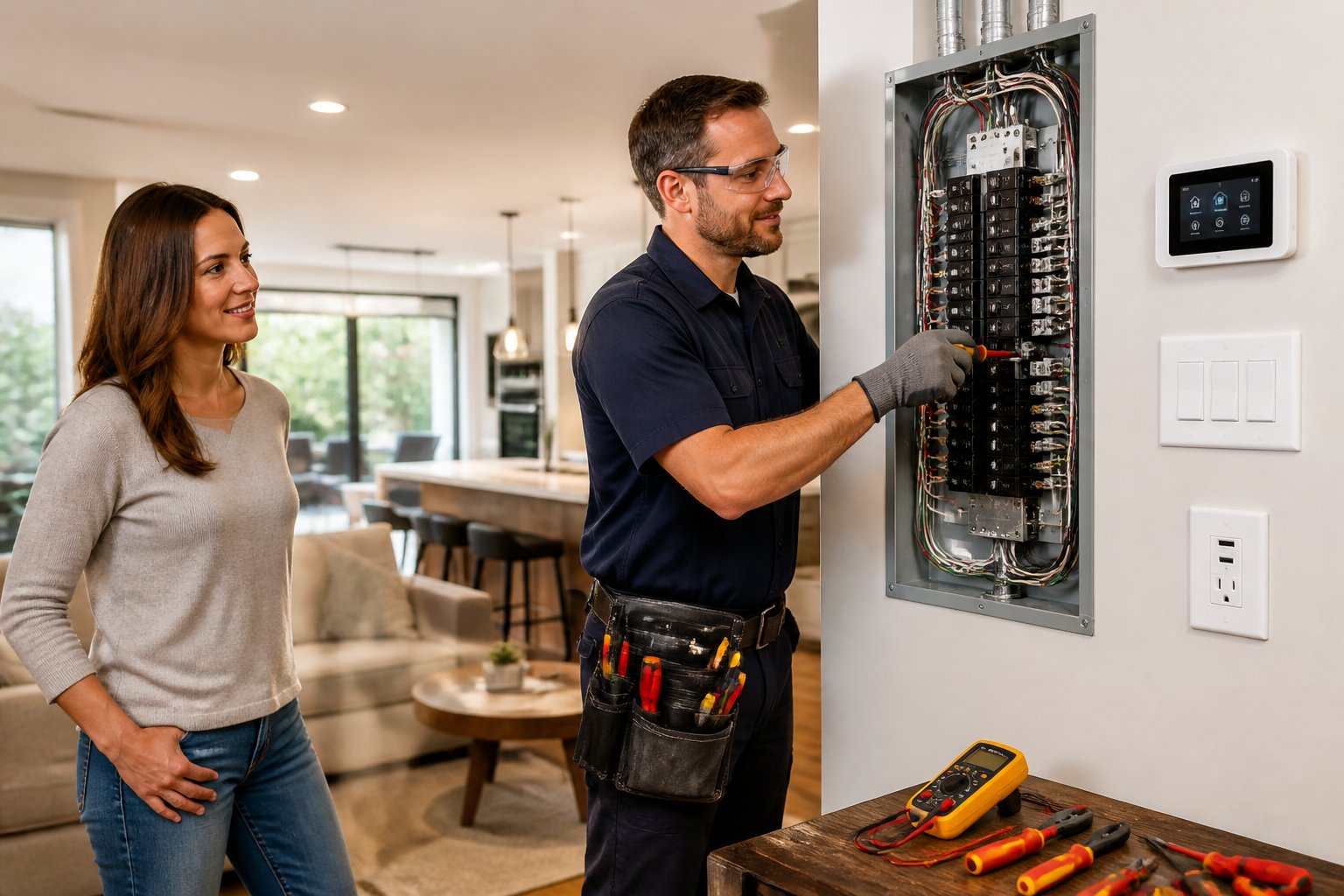
Before you start installing high-demand appliances, get a clear picture of your home’s electrical system. That means checking the electrical panel, circuit breakers, and wiring so you don’t end up with overloaded circuits or worse.
Evaluate Electrical Panel Capacity
Your electrical panel acts as the main hub for your home’s power. It can only deliver so much electricity before things start going sideways. Older homes, especially, might have panels built for a time when “high demand” meant something very different.
If you spot rust, corrosion, or your panel’s pushing 40 years old, it’s probably time for a closer look. Struggling panels might trip breakers all the time or make your lights flicker. Upgrading could be the only way to keep up with modern appliances and prevent fire risks.
Electricians at AAA Electrical Services can check your panel’s capacity and let you know if you’ll need an upgrade for your new appliances.
Check Circuit Breaker Ratings
Every circuit breaker is rated for a certain current—usually somewhere between 15 and 60 amps. You want to be sure the breakers match your appliances’ needs.
For instance, a central AC or big oven usually needs its own dedicated breaker. If you use a breaker that’s too small, you’ll get constant trips or even damage your system. If you see multiple wires crammed into one breaker (“double-tapped breakers”), that’s a red flag—time to call in a pro.
List out your appliances and their amp ratings. This makes it easier to see if your current breakers can handle the load or if you’ll need to add new ones.
Inspect Wiring Conditions
Wiring is what actually carries power from your panel to each appliance. If it’s old or damaged, you’re risking shorts, shocks, or even a fire.
Watch for worn insulation, wiring that feels hot, or outlets that buzz or spark. If you notice any of these, get a professional inspection. Upgrading wiring when you add new appliances can save you a lot of trouble later.
AAA Electrical Services can check and replace wiring as needed. It’s worth the peace of mind.
Understand Appliance Power Requirements
Before you install several high-demand appliances, you need to know exactly how much power each one uses. Check their voltage requirements and always follow the manufacturer’s advice—it’s not just about safety, but also keeping warranties intact.
Determine Appliance Wattage
Wattage tells you how much energy an appliance needs to run. You’ll usually find it on a label or in the user manual. A microwave might use 1,000 watts, while a big air conditioner could be over 3,000.
Add up the wattage for all the appliances you’ll use at the same time. This total helps you figure out if your electrical system can keep up or if you’ll need upgrades.
Honestly, it’s smart to pick a generator or breaker that gives you a little extra room above your total wattage. AAA Electrical Services can help you get these numbers right.
Identify Voltage Specifications
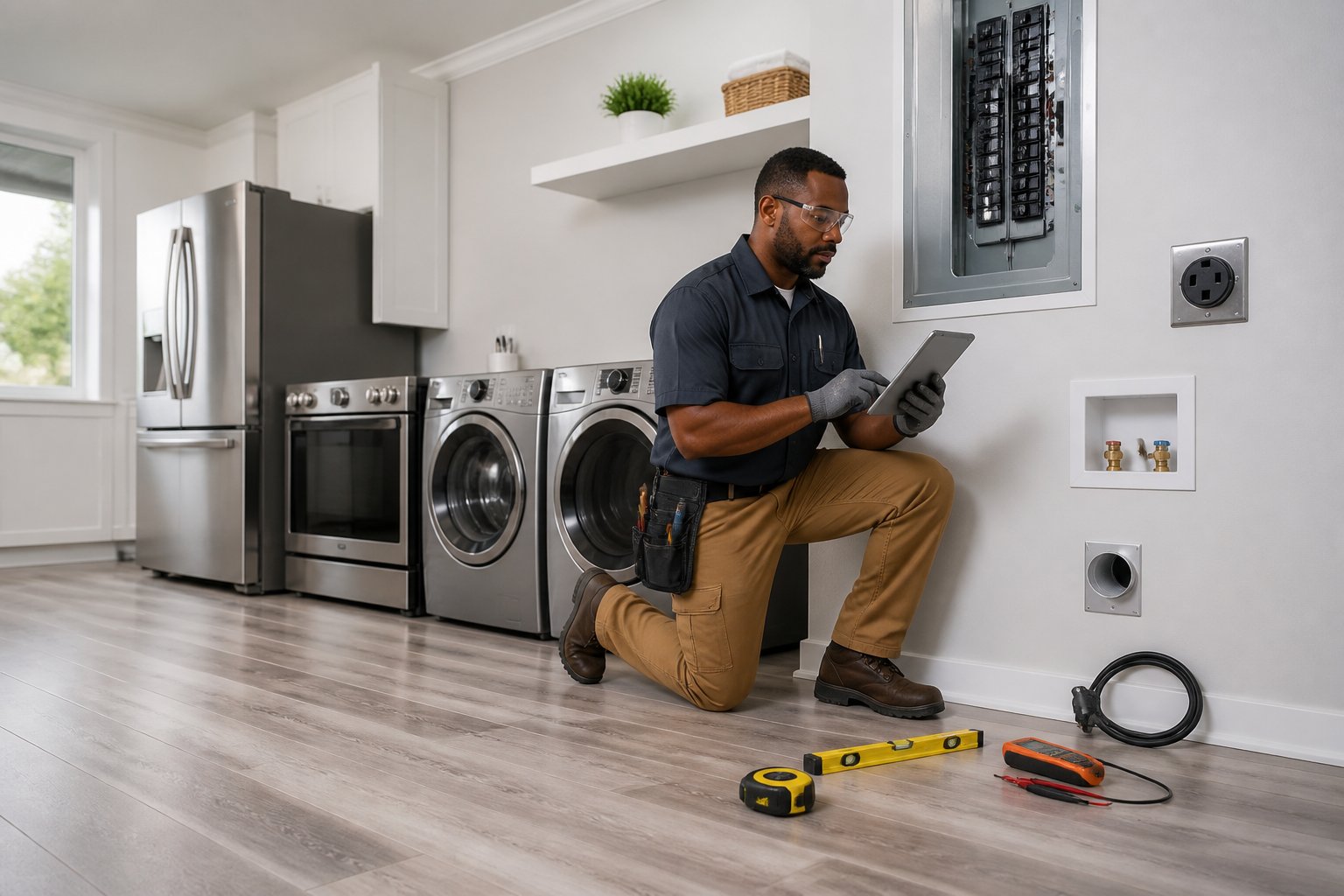
Not all appliances run on the same voltage. Most homes use 120 volts for smaller stuff, but big appliances like dryers or ovens often need 240 volts.
Check each appliance’s voltage rating before you install it. Using the wrong voltage isn’t just a hassle—it can ruin your appliance or even start a fire.
If you need several 240-volt appliances, you might need to upgrade your panel. Local electricians can inspect and make sure everything’s set up safely.
Review Manufacturer Recommendations
Manufacturers include important instructions for a reason—ignore them and you could void your warranty or create a safety hazard. They might specify spacing, special wiring, or limits on how many devices you can plug into one circuit.
Always read the manual and follow the instructions. If you’re not sure, AAA Electrical Services has licensed pros in Roseville, Elk Grove, and nearby areas who can help. They make sure everything’s up to code and safe for your family.
Plan for Safe Installation Practices
If you’re installing multiple high-demand appliances, don’t skip safety planning. You’ll need to think about space, ventilation, proper grounding, and following local codes. These steps help your appliances work right and keep your home protected.
Space and Ventilation Considerations
Big appliances—think ovens, dryers, HVAC units—get hot and need space. Give each one enough clearance for air to circulate. That helps prevent overheating and lowers fire risk.
Ventilation’s a must, especially for gas stoves or generators that release fumes. Install vents or fans if needed. Also, make sure your installation area stays dry and uncluttered, so nothing blocks airflow or causes accidental damage.
Set things up so you can reach appliances for maintenance. Tight spaces just make repairs harder and increase the risk of accidents. And keep appliances away from anything flammable or wet.
Ensure Proper Grounding
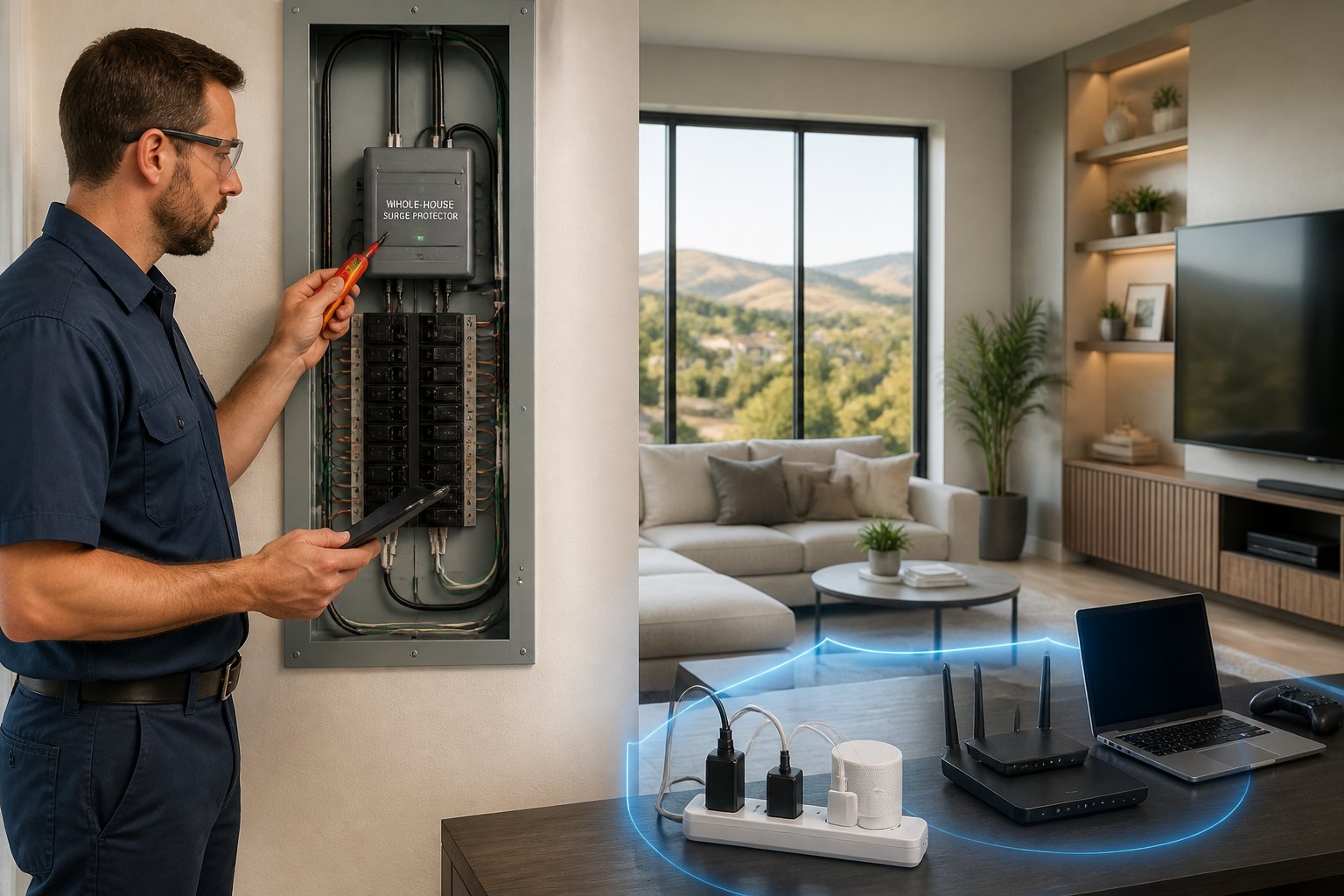
Grounding isn’t optional—it’s what keeps you from getting shocked or worse. It channels any excess electricity safely into the earth during a fault or surge.
When you’re adding appliances, double-check that each one is grounded according to the manufacturer’s instructions. Use a dedicated ground wire that connects to your home’s grounding system (like a rod or metal water pipe).
Not sure about grounding? Don’t guess—call a licensed professional. AAA Electrical Services gets grounding right every time. Skipping this step is just asking for trouble.
Follow Local Electrical Codes
Electrical codes exist to protect your home and make sure everything works safely. They cover things like wiring size, breaker ratings, and installation methods.
Check your local requirements before you start, especially if you’re in Sacramento or nearby. Codes can vary, and you might need a permit for new circuits or panel upgrades.
High-demand appliances often need their own breakers or even a subpanel to avoid overloads. Proper wiring and connections help prevent backfeeding and fires.
Licensed electricians like AAA Electrical Services know the local codes and will make sure your setup is safe and legal.
Consider Energy Efficiency and Usage Patterns
Adding multiple high-demand appliances means you’ll use more energy, but you don’t have to let your bills skyrocket. Pay attention to how efficient your appliances are and when you use them.
Review Energy Efficiency Ratings
Look at the energy efficiency labels on your appliances. ENERGY STAR-certified products or those with high efficiency ratings use less electricity, which helps keep your bills down.
Older appliances tend to be energy hogs. Upgrading can make a noticeable difference. For instance, a newer fridge might use 20-30% less power than one from ten years ago.
AAA Electrical Services can help you choose and install energy-efficient appliances. Their team will make sure your system can handle the new load safely.
Analyze Concurrent Usage
Think about which appliances you run at the same time. Using several high-power devices all at once can overload circuits and trip breakers. For example, running your oven, dishwasher, and HVAC together creates a big demand spike.
List your appliances and their usual run times. Try to stagger heavy-use devices to avoid maxing out your system. This reduces stress on your wiring and keeps power stable.
If you need more capacity, your electrician can install circuit breakers or panel upgrades. AAA Electrical Services can often handle upgrades the same day.
Estimate Impact on Utility Bills
More high-demand appliances means higher electricity use—and bigger bills. Understanding this helps you budget and spot ways to save.
Calculate each appliance’s wattage and average daily use to estimate your monthly costs. For example:
ApplianceWattageHours per DayDaily kWhMonthly kWh (30 days) Electric Oven3000 W13 kWh90 kWhDishwasher1800 W0.50.9 kWh27 kWhHVAC System3500 W414 kWh420 kWh
Add it up to see the total impact. Choosing efficient appliances and being smart about when you use them can help keep costs down.
AAA Electrical Services offers panel upgrades and energy inspections for Sacramento and nearby areas. They’ll give you honest advice about your setup so you can save money and stay safe.
Coordinate Timing and Professional Installation
A little planning goes a long way when installing high-demand appliances. Get the right electricians and all the needed permits before you start. It’ll help things run smoothly and avoid last-minute surprises.
Schedule Qualified Electricians
Hire licensed, experienced electricians for the job. Look for folks who’ve handled high-demand appliances and panel upgrades before. A good electrician will check your current system and recommend any upgrades.
Book your electrician ahead of time so you can plan for any rewiring or new circuits. It’s less disruptive to your daily life that way. AAA Electrical Services offers same-day service with stocked vans, so most jobs get done in just one visit.
Ask your electrician to lay out the process and give you flat-rate pricing upfront. No surprises, just safe installation.
Obtain Necessary Permits
Check with your local city or county about permits before starting work. Permits make sure everything meets safety codes and legal standards. Skipping permits could mean fines or insurance trouble if anything goes wrong.
The process can take a bit, so start early. Your electrician usually handles this for you—submitting plans and scheduling inspections.
Keep copies of permits and inspections for your records. It’s good protection and can even add value if you sell your home later.
Frequently Asked Questions
Adding several high-demand appliances means understanding your system’s limits, following safety rules, and knowing local codes. You’ll need to tally up total energy needs and arrange appliances for best performance.
How do I determine if my home's electrical system can handle multiple high-demand appliances?
Start by checking your main electrical panel’s capacity, which is usually listed in amps—most homes have panels rated for 100 to 200 amps.
Consider how old your home is and whether the wiring and breakers have been updated. If your appliances draw more power than your system can provide, you’ll probably need an upgrade.
What safety precautions should I consider when installing several power-hungry appliances?
Don’t overload your circuits—try to spread appliances out over different breakers. Make sure you’re using circuit breakers rated for each appliance. Honestly, it’s best to get a licensed electrician to handle the installation, so you know the wiring’s secure and up to safety standards. That way, you cut down on fire risks and keep everyone safer.
Are there specific codes or regulations I should be aware of before upgrading my appliances?
Local electrical codes will dictate how you need to wire things and what permits you’ll have to pull. These rules are there for a reason, even if they feel like a hassle. Before you start, check with your city’s building department. If you’re not sure what’s required, a pro electrician can help you sort out the paperwork and make sure everything’s above board.
How can I calculate the total energy consumption of new appliances to avoid overloading circuits?
Check the wattage on each appliance—usually there’s a label or it’s in the manual. Add up the wattages for all the appliances you’ll run at once. Then, divide that total by your system voltage (most homes use 120 or 240 volts). That’ll give you the amps you need, and you can see if your panel’s up to the task.
What are the best practices for arranging multiple appliances to ensure optimal performance?
Try not to pile all your power-hungry appliances onto one circuit. Spread them out so you’re not stressing a single breaker. Skip the extension cords or power strips for heavy stuff—they’re just not made for it. Appliances with big startup surges, like ovens or AC units, deserve their own dedicated circuits for smoother performance. It’s a bit of extra planning, but it pays off.
Who should I consult for a professional assessment of my home's appliance readiness?
You’ll want to reach out to a licensed electrician, especially one who’s handled panel upgrades and knows their way around high-demand appliances. AAA Electrical Services is a solid pick—they serve Sacramento and nearby spots, and they’re pretty focused on safety and families. Same-day service? Yep, they offer that.
They’ll give you straightforward advice, clear pricing, and get the job done quickly. It’s worth having someone who’ll actually help you get your home ready, not just try to sell you something you don’t need.