Your electrical system usually gives off small warnings before a real failure, and organized maintenance helps you spot them early. If you stay ahead of loose connections, worn parts, or overloaded equipment, you can stop a minor issue from turning into an after-hours emergency.
For homeowners in Sacramento, Roseville, Elk Grove, and nearby areas, this isn’t just about convenience. It’s about electrical safety, fewer nasty surprises, and a home that’s more likely to keep working when you need it. Organized electrical maintenance gives you time to fix problems before they become urgent, expensive, or dangerous.
A good plan makes service less chaotic, too. Instead of scrambling when the power goes out or a breaker trips, you can follow a schedule, track what’s been checked, and decide on repairs, upgrades, or preventative steps with less stress.
Key Takeaways
- Small issues are easier and safer to fix early.
- Routine checks improve reliability and lower risk.
- A clear maintenance plan saves time, stress, and money.
How Organized Maintenance Prevents Sudden Electrical Failures
Organized electrical care gives you a set routine instead of a mad dash when something fails. With planned maintenance, your home’s electrical system gets attention before wear turns into a breakdown.
Why Small Electrical Problems Turn Into Urgent Repairs
A loose outlet, warm breaker, or flickering light might seem minor at first. But if you ignore it, that same issue can damage wiring, strain equipment, or create electrical hazards that need immediate attention. What starts as a small fix can quickly become a same-day emergency if heat, age, or overload keeps building.
The Difference Between Preventative Maintenance And Reactive Maintenance
Preventative maintenance means planning ahead—spotting trouble and keeping things on track. Reactive maintenance waits for something to break, which usually means more stress, more damage, and less control over timing or cost. For homeowners, it’s really about managing the system instead of chasing after failures.
How Planned Maintenance Improves Electrical System Reliability
Planned maintenance keeps inspections, testing, and repairs on a regular schedule. That routine lets licensed electricians find weak spots before they cause bigger problems. In homes around Sacramento, Rocklin, Folsom, and Citrus Heights, this consistency can mean fewer outages and emergency calls.
The Home Systems Most Likely To Need Preventive Attention
Some parts of your home’s electrical setup wear out faster, especially if you use a lot of devices. Panels, outlets, wiring, and backup gear all benefit from maintenance before wear gets out of hand.
Panels Breakers And Overloaded Circuits
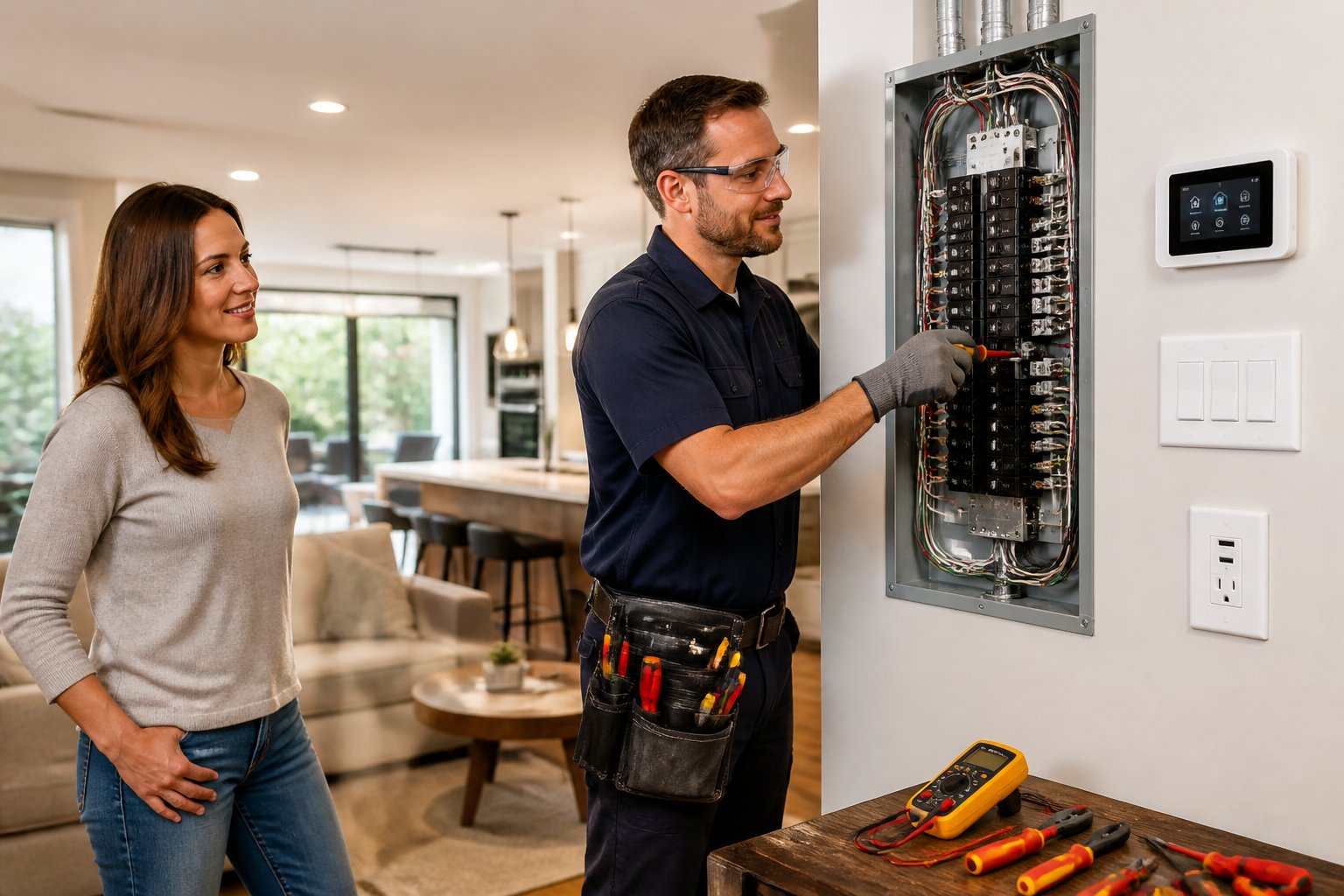
Panels and breakers tend to show stress first when circuits get overloaded. If you notice frequent trips, buzzing, or warm breakers, your system’s asking for attention. A panel check can also reveal if your home’s ready for modern loads, like an EV charger or generator.
Outlets Switches And Wiring Wear
Outlets and switches wear out from daily use, especially in older homes around Carmichael, Fair Oaks, and Natomas. Loose plugs, discoloration, crackling sounds, or dead outlets can point to wiring issues that need prompt repair. Spotting those signs early helps you avoid outages, shocks, and bigger repairs down the road.
Surge Protection And Backup Power Systems
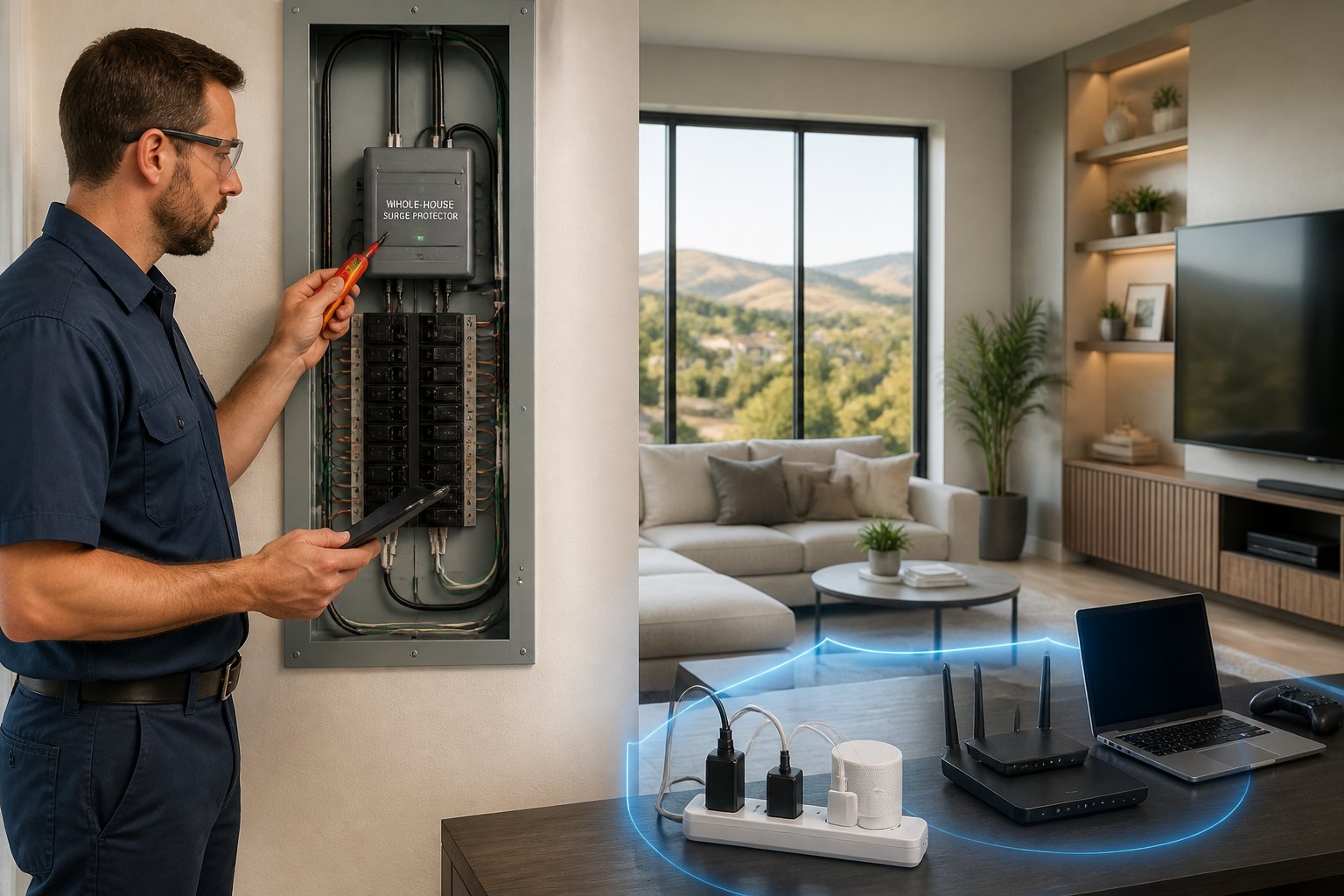
Surge protection and backup power systems shield your home from storm damage, utility spikes, and sensitive electronics failures. But these systems need inspection, too, so they’re ready when trouble hits. A well-tuned setup can help future-proof your home and cut down on emergency electrical work after an outage.
What Electricians Check During A Routine Service Visit
A routine visit gives electricians a structured way to look for hidden problems, verify safety, and recommend only what your home really needs. Usually, they start with a visual electrical inspection, then move into targeted electrical inspections and testing based on the home’s age, symptoms, and load.
Electrical Inspection Basics For Homeowners
A homeowner-friendly inspection checks for loose connections, damaged parts, outdated devices, and overheating signs. Electricians might also check if your system can handle current needs—lighting, fans, appliances, solar loads, or a future panel upgrade. Good techs should explain what they find in plain language so you can make confident decisions.
Testing Methods That Catch Issues Early
Voltage testing shows if a circuit’s running in a safe range. Insulation resistance testing reveals hidden wiring problems before failure, and thermography can spot hot spots you can’t see during a walk-through. These methods support predictive maintenance by finding problems before they cause downtime or damage.
When Electrical Inspections Lead To Simple Repairs Or Upgrades
Routine inspections often lead to simple fixes—replacing a worn receptacle, tightening a connection, or swapping out a breaker. Sometimes, a capacity boost like a panel upgrade or surge protection is the next step. AAA Electrical Services offers transparent recommendations and flat-rate pricing so you can plan without pressure.
Safety Standards Compliance And Risk Reduction
Safe electrical work means meeting current rules, not guessing. Safety and compliance cut the risk of hidden issues turning into a fire, shock, or equipment failure.
Why Safety And Compliance Matter In Residential Work
If your home meets the national electrical code, it’s more likely to run safely during normal use. That’s important if you’re adding an EV charger, replacing a panel, or updating old wiring. Compliance helps lower the risk of electrical hazards that could threaten your family or property.
How Risk Assessment Supports Safer Maintenance Decisions
A solid risk assessment helps you decide what needs fixing now and what can wait. It also helps electricians choose the right test, repair, or upgrade based on the system’s condition. That way, maintenance stays focused on real risks, not just cosmetic stuff.
Where NFPA 70 NFPA 70E And NFPA 70B Fit In
NFPA 70 covers residential electrical code requirements, while NFPA 70E and NFPA 70B shape safe work practices and maintenance standards. For homeowners, the bottom line? Structured maintenance supports safer service and fewer surprises. When licensed and certified electricians follow clear standards, your home gets better protection and more reliable performance.
Long-Term Savings Through Reliability And Efficiency
Routine maintenance usually costs less than repeated emergency repairs because you’re fixing issues before they spread. It also helps your electrical system run more efficiently, which can mean lower bills and better performance.
How Maintenance Extends Equipment Lifespan
Regular maintenance reduces stress on breakers, wiring, motors, and connected devices. That lower stress can help your equipment last longer and delay big replacements. For homeowners, that means you might get more years of dependable service from what you already have.
Why Fewer Breakdowns Usually Mean Lower Total Costs
Every emergency repair can bring premium labor, urgent scheduling, and possible damage to other components. A preventative maintenance program helps cut those surprise costs by keeping problems smaller and more predictable. Over time, that steadier approach can protect both your budget and your peace of mind.
The Link Between Regular Service And Energy Efficiency
Worn parts, loose connections, and failing devices waste energy as they struggle to work. Regular service keeps components clean, tight, and matched to the home’s needs. That matters whether you’re maintaining a family home in Folsom or prepping an older place in Auburn for modern demands.
Building A Practical Maintenance Plan For Your Home
A simple plan makes electrical maintenance easier to stick with—and less likely to get ignored. With a clear schedule, you can tackle concerns before they turn into emergencies.
How Often To Schedule Service For Older And Newer Homes
Older homes usually need more frequent maintenance, especially if you’ve got original wiring, frequent breaker trips, or lots of added appliances. Newer homes might not need visits as often, but periodic inspections and preventative planning still help. A licensed electrician can help you set a schedule based on your home’s age, usage, and upgrades.
Signs You Should Book An Inspection Before A Failure Happens
Book an inspection if you notice flickering lights, warm outlets, repeated tripped breakers, buzzing, or burning smells. Schedule service after water intrusion, storm damage, a major remodel, or adding high-demand equipment. Catching things early keeps you out of the emergency repair cycle.
Choosing Same-Day Help When A Problem Cannot Wait
Some electrical problems just can’t wait. If you lose power to part of the house, smell burning, or see sparks, same-day service is the right move. In those moments, a stocked service vehicle and fast repairs matter—you want the problem handled safely, no delays.
Frequently Asked Questions
How does a planned electrical maintenance schedule help prevent unexpected breakdowns?
A planned schedule lets you inspect, test, and service your system before wear causes failure. That means you can fix small problems on your timeline, not during an outage or safety scare.
What are the most common electrical issues that routine inspections catch early?
Routine inspections often find loose connections, overloaded circuits, worn outlets, aging breakers, and damaged wiring. They can also reveal if your home needs surge protection, a panel upgrade, or other improvements.
How often should electrical systems be inspected to avoid urgent repair calls?
Many homes do fine with inspections every few years, but older homes, homes with added loads, or homes with repeated issues might need more frequent checks. Your electrician can recommend a schedule based on your home’s age, condition, and usage.
What does the “10 rule” in maintenance mean, and how can it apply to electrical systems?
The “10 rule” means that regular, small maintenance steps are way easier and cheaper than letting an issue grow into a big repair. For electrical systems, a quick fix or check today can save you from a much bigger emergency later.
What are the “4 P’s” of maintenance, and how do they support more reliable electrical equipment?
The “4 P’s” are prevent, predict, plan, and perform. They work together to cut down breakdowns. In electrical work, they help you stay ahead of failures by testing, scheduling, and making timely repairs.
How can documenting tests and repairs make future electrical problems easier to prevent?
When you jot down what went wrong and what got fixed, you start to notice things—maybe the same breaker keeps tripping, or one circuit always seems a little too warm. That kind of paper trail? It’s gold for your electrician. They’ll have a better shot at figuring out what’s really going on, which means repairs and maintenance get a whole lot more precise.