Your home’s electrical system is only meant to handle so much power at once. When too many devices draw from the same circuit, things can go sideways fast—especially for sensitive electronics.
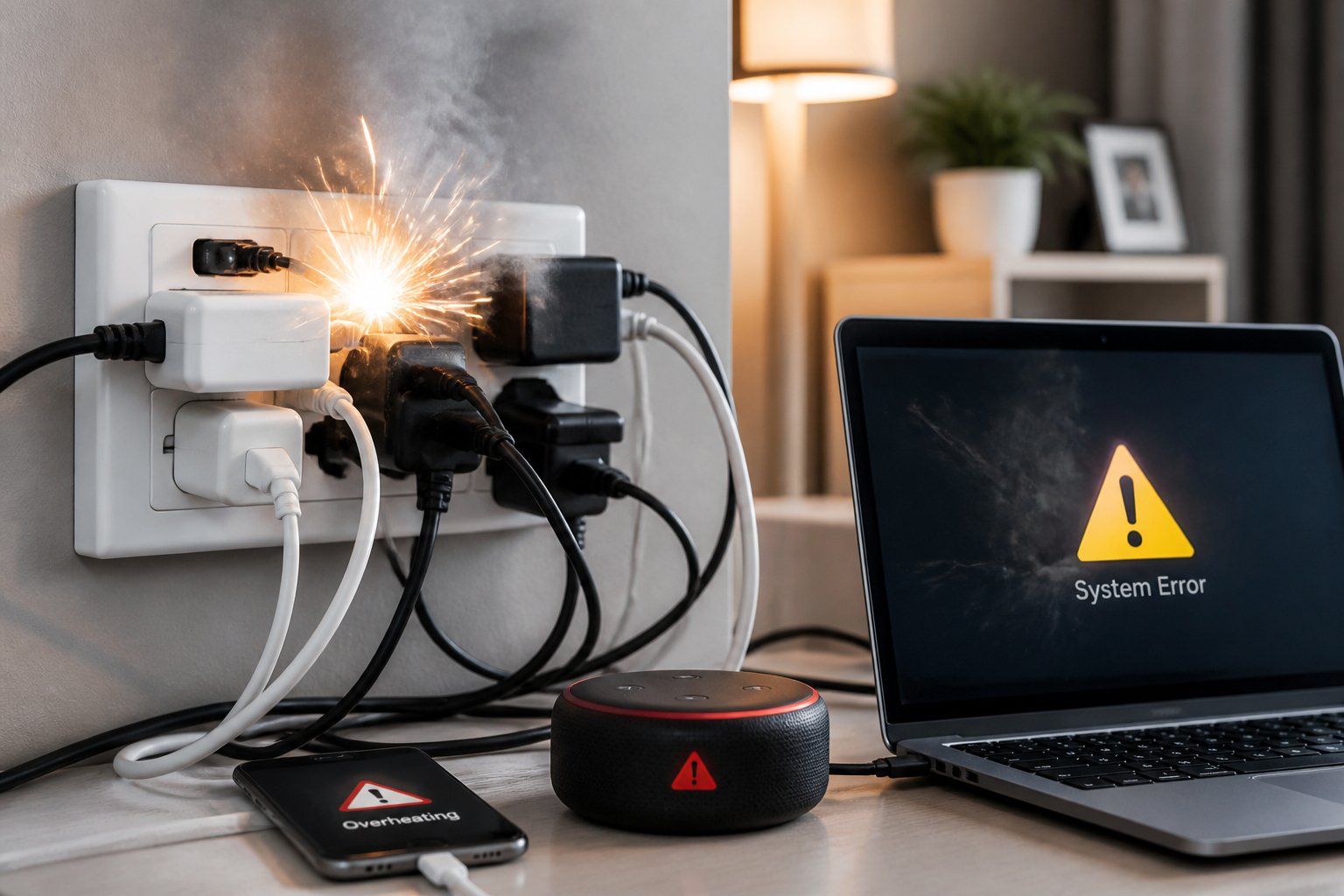
Overloaded circuits damage sensitive electronics because your devices get hit with voltage drops, power swings, and heat that their parts just aren’t built to take. Around Sacramento, that might mean anything from a glitchy router to a fried TV or smart speaker.
That kind of strain isn’t just about gadgets, either. Overloading a circuit can cause hot wiring, tripped breakers, and hidden damage in outlets or panels.
Key Takeaways
- Too much demand makes power unstable.
- Heat and weak connections can hide where you can’t see them.
- Early warning signs help you avoid bigger repairs.
How Excess Current Harms Electronics
When a circuit gets pushed past what it was meant to handle, it’s not just annoying—it can mess with the whole system, from the breaker panel all the way to the outlet.
Sensitive electronics are at higher risk because they need steady power. When voltage starts jumping around or heat builds up, damage can sneak in quietly.
What Happens When A Circuit Exceeds Its Capacity
A circuit overload kicks in when high-draw appliances pull more current than the circuit can safely provide. That triggers tripped breakers, unstable power, and extra wear on whatever’s plugged in.
You might notice appliances acting weird, wiring getting damaged, or things shutting off over and over. If you’ve got older wiring and a bunch of stuff plugged into one circuit, the chances of trouble go way up.
Why Voltage Drops Affect Delicate Components
Overloaded circuits often lead to voltage drops. Those dips interrupt the steady power sensitive electronics need for their circuit boards, displays, and charging systems.
Even quick voltage swings can cause data loss, random reboots, or gradual wear inside your devices. Over time, those shaky conditions can really shorten the lifespan of computers, TVs, and audio gear.
How Overheating Wires And Connections Create Hidden Damage
Too much current means heat, especially in overloaded wires or loose connections. That heat doesn’t stay put—it can build up in outlets, junctions, or behind the walls where you’d never notice.
As things get hotter, insulation breaks down and connections get even looser. That hidden damage can lead to power surges, annoying outages, or just slow, silent wear.
Why Repeated Instability Shortens Appliance Lifespan
Devices forced to run on unstable circuits take a beating. That kind of ongoing stress wears out power supplies, motors, and control boards faster than you’d expect.
Problems often start small—maybe random resets or weird glitches—before anything fails completely. But over time, instability leads to more repairs, earlier replacements, and just plain unreliable gear.
Warning Signs Your Devices Are On A Strained Circuit
Strained circuits usually drop hints before anything major breaks. At first, the signs might be subtle, but they get louder the longer the overload lasts.
Watch for changes when a big appliance kicks on—those moments often reveal the real issue.
Circuit Breaker Trips And Tripped Breakers
If you’re seeing breaker trips or a tripped circuit breaker after using an appliance, that circuit’s probably overloaded. The breaker trips to protect your home from overheating.
In older homes with fuses, a blown fuse means the same thing. If it keeps happening, it’s time to investigate.
Flickering Or Dimming Lights During Appliance Use
Lights that flicker or dim when you run a microwave, heater, or air conditioner can signal a circuit under stress. That usually means the appliance is pulling more current than the circuit can handle.
If the lights drop every time a big device runs, the load’s probably too much for the wiring. That’s a classic sign you need to spread things out.
Warm Outlets, Hot Outlets, And Discolored Receptacles
Warm or hot outlets are a big red flag. If a receptacle feels warm, the wiring or connection behind it might be carrying more current than it should.
Discolored outlets—browned, warped, or faded plates—point to heat damage. Don’t brush it off as just cosmetic.
Burning Odors, Buzzing, And Scorch Marks
A burning smell, buzzing, or scorch marks mean heat is already frying something inside the wiring or outlet. These are urgent signs—stop using that circuit right away.
If you spot these near a fuse, outlet, or breaker, don’t just reset and hope for the best. The problem could be deeper.
Devices Most Likely To Trigger Trouble
Some appliances draw enough power to overload a circuit all by themselves. When you run several at once, the risk multiplies fast.
Kitchen and climate-control gear are the usual suspects, especially in older homes or rooms without enough dedicated circuits.
Kitchen Equipment That Pushes Shared Circuits Too Far
Microwaves, refrigerators, and other kitchen appliances can overload a single branch circuit. Throw in a toaster or coffee maker, and you’re pushing the limit.
These devices often cycle on and off, which can catch you off guard. That sudden demand might trip a breaker or make the lights flicker in nearby rooms.
Heating And Cooling Loads That Stress Older Wiring
Air conditioners and space heaters draw a ton of current, often with a big surge at startup. They’re notorious for causing overloads, especially if the wiring’s old or the circuit already supports lights or other gear.
That’s when panel stress and hidden heat become real risks.
Temporary Plug-In Solutions That Add Risk
Power strips, extension cords, and surge protectors let you plug in more stuff, but they don’t actually give you more circuit capacity. If you use them carelessly, power strips can hide the real problem by overloading one outlet.
Daisy-chained extension cords add resistance and heat, making things worse. If you need more capacity, adding dedicated circuits is the way to go.
Common Root Causes Behind Repeated Overload Problems
If you keep having overloads, it’s usually a bigger system issue—not just a busy day. The root might be old infrastructure, bad load planning, or wiring that’s too light for today’s gadgets.
The right fix starts with figuring out if the circuit, the panel, or the wiring needs help.
Outdated Panels And Aging Home Circuits
Older homes in Sacramento, Roseville, Citrus Heights, and nearby areas often have panels built for less demanding times. Modern homes ask more from the same setup—bigger kitchens, EV chargers, smart everything.
That’s where an electrical panel upgrade can really help. More capacity means better load distribution and fewer overloaded circuits.
Faulty Wiring, Loose Connections, And Undersized Wiring
Bad wiring creates heat and instability even if you’re not maxing out the circuit. Loose connections and wires that are too thin make things worse—they just can’t carry enough power safely.
If the wiring’s not up to the job, you’ll see frequent trips or wires getting hot. Good design and solid installation make all the difference.
Why Modern Homes Need Better Load Distribution
Most modern homes need more circuits so big appliances don’t share power with sensitive electronics. Spreading out the load helps prevent overloads and keeps protection where it matters.
With clear load distribution, your system runs more predictably and your devices stay safer. Plus, it makes future upgrades—like EV chargers or generators—a lot easier.
What Homeowners Can Do Right Away
If you think a circuit’s overloaded, you can take some quick steps to stay safe and protect your stuff.
If the same spot keeps having issues, it’s probably time to call in a pro.
Unplug High-Draw Devices And Reduce The Load
Start by unplugging high-draw devices and lightening the load on that circuit. Move portable stuff to other outlets if you can.
This is the first move for fixing an overloaded circuit safely. It also helps prevent another trip while you figure out what’s next.
Reset The Breaker Only After The Load Is Removed
If you need to reset the breaker, do it after you’ve unplugged the problem devices. Resetting with everything still plugged in just puts you back where you started.
Don’t force it if you suspect a short, electric shocks, or constant outages. Those signs point to something more serious.
When To Stop Troubleshooting And Treat It As A Safety Issue
If the breaker keeps tripping, outlets are warm, or you smell burning, stop and treat it as a safety issue. At that point, you might have damaged insulation, a loose connection, or a bigger circuit fault.
That’s when you step back and call for help instead of pushing your luck. Safety first—always.
When Professional Repairs And Upgrades Make Sense
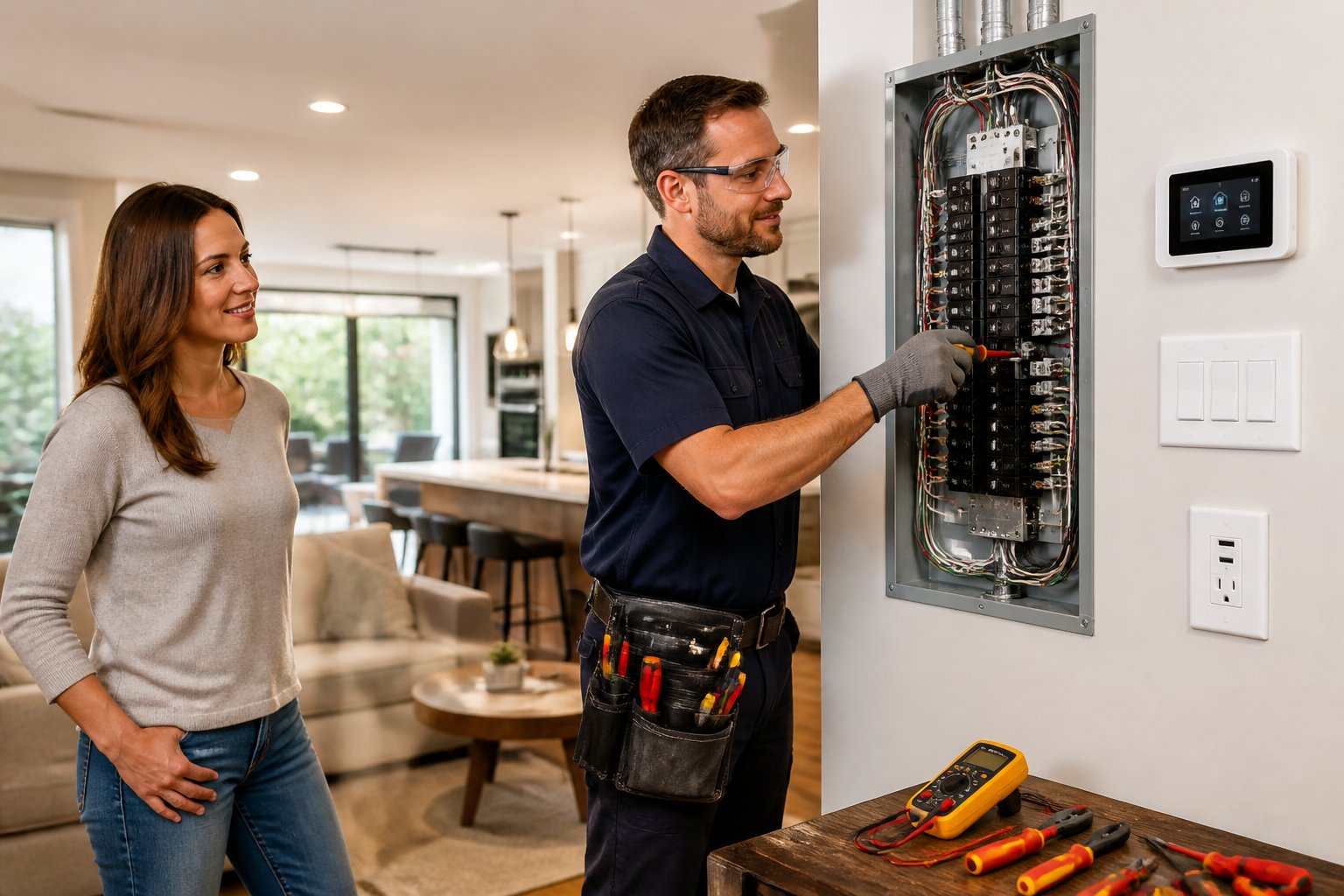
Some overloads are easy to trace and fix, but others need a full look at your wiring and panel. A licensed electrician can tell you if it’s a quick fix or a bigger capacity problem.
For lots of homeowners, the best fix isn’t just one repair—it’s a safer system that matches how you actually use power.
When An Electrical Inspection Should Be Scheduled
Book an electrical inspection if overloads keep happening in the same room, on the same circuit, or at the same time every year. Inspections can spot worn breakers, weak connections, old wiring, or hidden limits.
A pro can also check if you need a panel upgrade or rewiring. In places like Elk Grove, Folsom, Fair Oaks, and Natomas, catching problems early beats dealing with a disaster later.
Repairs That Improve Stability For Sensitive Electronics
Repairs that help stability usually mean rewiring, adding circuits, dedicated outlets, or a better-balanced panel. These changes give sensitive electronics cleaner power and take the load off shared outlets.
AAA Electrical Services helps homeowners plan straightforward, same-day repairs when possible—clean techs, stocked trucks, and honest answers. That’s important when you want real communication and results you can trust.
Long-Term Solutions For Safer, More Reliable Power
Long-term reliability comes from planning capacity right—not just patching things up. An upgraded panel or smarter circuit layout lowers the risk of electrical fires and damage.
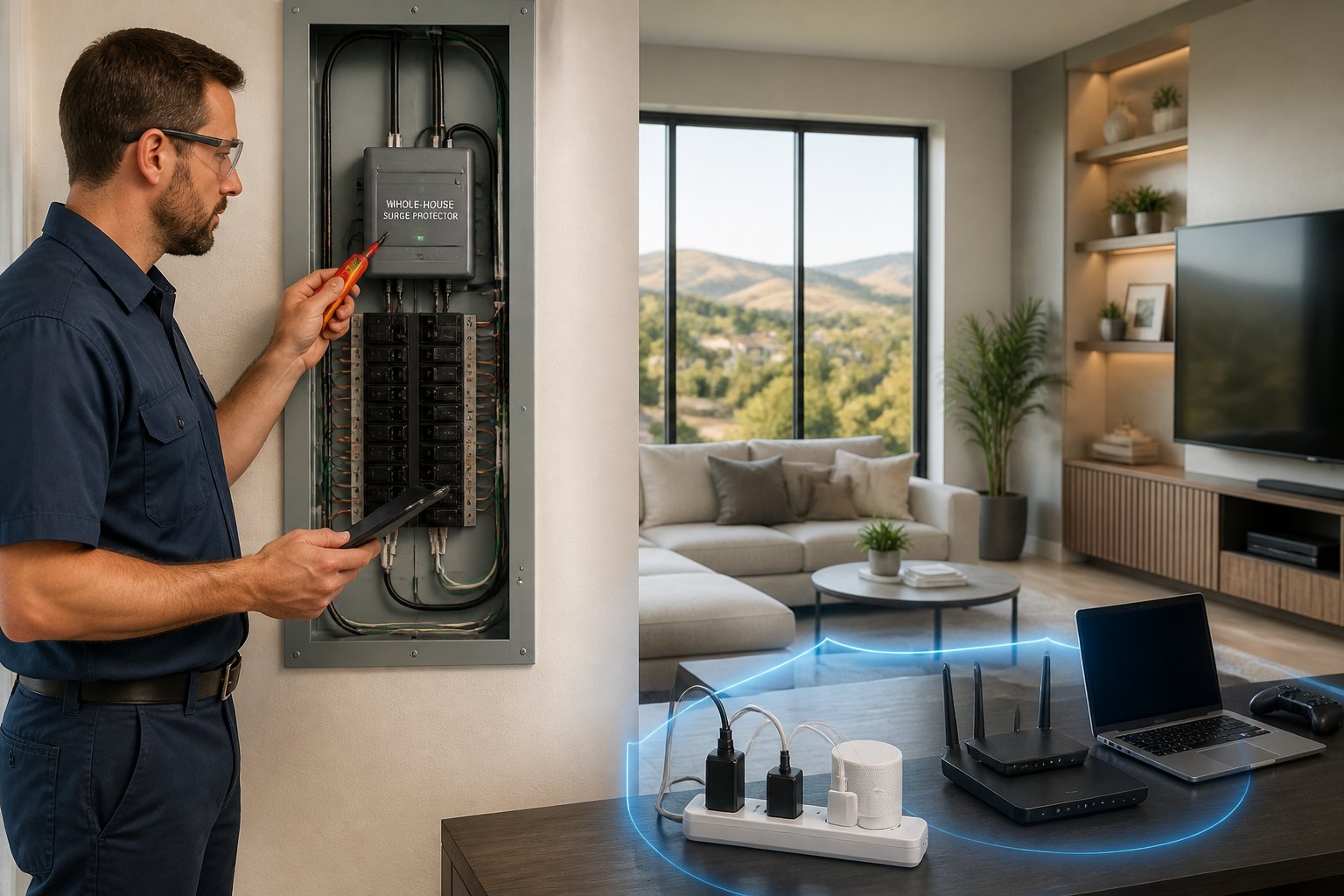
With good planning, you can add surge protection, generator setups, EV chargers, and other upgrades. With the right system, your home can handle today’s demands and whatever comes next.
Frequently Asked Questions
What happens to your devices when a circuit is drawing too much power?
Your devices might get unstable power, leading to shutdowns, resets, or damaged internal parts. Over time, that kind of strain just wears things out faster.
Can a circuit overload harm computers, TVs, or other delicate electronics?
Absolutely. Sensitive electronics need steady voltage. Overloads can cause drops, spikes, and interruptions that mess with circuit boards and power supplies.
What are the most common signs that a circuit is overloaded at home?
Look for breaker trips, flickering or dimming lights, warm outlets, burning smells, or buzzing near outlets and switches. In older homes, a blown fuse can mean overload too.
Why do lights flicker or dim when too many things are running on one circuit?
Usually, a big appliance is pulling more current than the circuit can give. That extra demand drops the voltage for lights on the same line.
How can you prevent overloads when using multiple appliances in the same room?
Try not to plug all your heavy-duty gadgets into the same outlet or power strip—spread them out across different circuits if you can. If you find yourself constantly running out of sockets or tripping breakers, maybe it’s time to think about getting a dedicated circuit installed. It’s just safer that way.
Will a tripped breaker or blown fuse fully protect sensitive electronics from overload-related damage?
Honestly, not every time. Sometimes, electronics can take a hit before the breaker trips or a fuse pops. Sure, breakers and fuses are there to keep your wiring safe, but electronics? They’re a bit more delicate. If you keep overloading circuits, your devices might start acting up or just not last as long as you’d hoped.