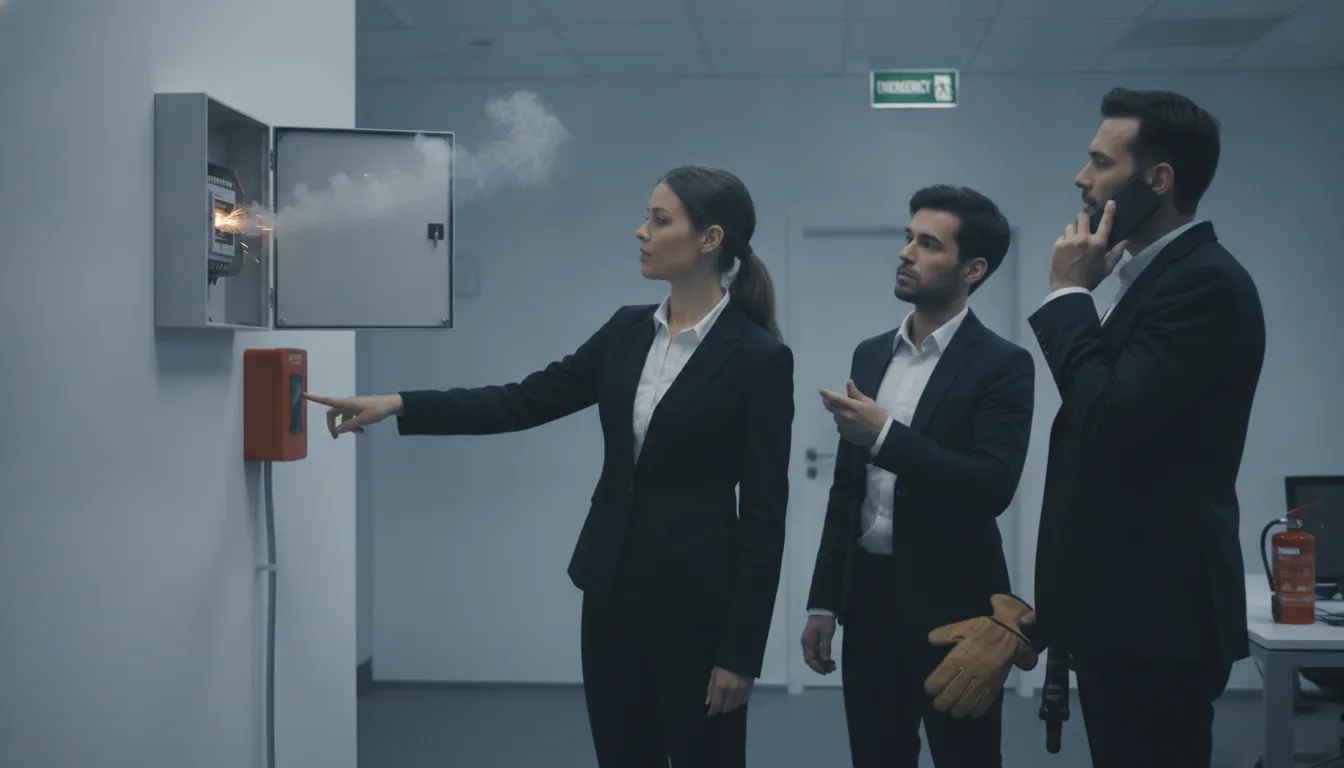
Most homeowners know to call 911 when they see flames, but electrical dangers are not always obvious. A silent downed line, water near a panel, a warm outlet, or a person who has suffered a mild shock can still create serious risks. Understanding what to do in an electrical emergency helps you respond without putting yourself in danger. Keep everyone away from the hazard, avoid touching electrical equipment, and never assume a lack of sparks means the power is off. From shocks and fires to outages and damaged generators, this guide explains when to leave, who to call, and how AAA Electrical Services can help restore safety.
Key Takeaways
- Put personal safety first: For shocks, fires, smoke, sparks, exposed wiring, or immediate danger, move away, call 911, and keep children and pets clear.
- Contact the right professional: Report downed lines, outages, meters, and transformers to the utility company. Hire a licensed electrician for home circuits, outlets, breakers, panels, generators, solar equipment, and other electrical systems.
- Prepare before an emergency happens: Schedule inspections, test GFCI protection, replace damaged cords, maintain backup systems, keep emergency contacts and flashlights accessible, and teach household members when to evacuate.
What Is an Electrical Emergency?
An electrical emergency is any situation involving electricity that could cause immediate injury, fire, property damage, or a serious safety risk. Some emergencies are obvious, such as an electrical shock, visible flames, or smoke coming from an outlet. Others may appear less urgent, including a silent downed line, water near a panel, or an outage affecting essential medical equipment.
When you are unsure whether a situation is dangerous, treat it as an emergency. Keep children and pets away, avoid touching electrical equipment, and call 911 when someone is injured, a fire is present, or there is an immediate threat. For damaged wiring, outlets, panels, and other home electrical components, contact a licensed electrician. AAA Electrical Services provides residential electrical services throughout the Sacramento metropolitan area, with same-day service and upfront pricing.
Electrical shocks, burns, or unconsciousness
An electrical shock, electrical burn, or loss of consciousness requires immediate attention. Electricity can affect the heart, cause internal injuries, and leave someone unable to move away from the source. Do not touch the person if they may still be in contact with an energized wire, appliance, outlet, or other equipment. You could receive a shock as well.
Call 911 and explain what happened, where the person is located, and whether the power source remains active. Keep everyone away until the electricity has been shut off safely. Even if the shock seems minor and the person feels fine, seek medical care. Electrical injuries may not be visible, and electrical emergencies can threaten people, homes, and property.
Fire, smoke, sparks, arcing, or burning smells
Smoke, flames, repeated sparks, visible arcing, or a burning plastic smell can indicate an electrical fire or a failing connection. A problem inside an outlet, wall, appliance, panel, or junction box can spread before flames become visible. Do not keep using the circuit, remove outlet covers, or open electrical equipment to investigate.
Alert everyone in the home, leave the building, and call 911 from a safe location. Close doors behind you if you can do so without delaying your exit, as this may slow the spread of fire and smoke. Never use water on an electrical fire. Electrical fire safety guidance recommends leaving immediately when you smell burning or see smoke.
Downed lines or damaged service equipment
Treat every fallen, sagging, or dangling power line as energized, even when it is silent and does not produce sparks. Stay at least 40 feet away from the line and anything it may be touching, including puddles, vehicles, fences, trees, and utility equipment. Do not move the line, drive over it, or approach a damaged service drop, meter, transformer, or utility pole.
Call 911 if there is an immediate threat, such as an injured person, fire, or a line blocking traffic. Report the damaged line or utility equipment to the local power company, too. Keep everyone away until utility professionals confirm that the area is safe. Texas Co-op Power’s emergency guidance also advises staying at least 40 feet from a fallen power line.
Water near electrical equipment
Water and electricity create a serious shock and fire hazard. Treat a wet electrical panel, flooded room, soaked outlet, sparking appliance, or water near a generator, battery, or other powered equipment as an emergency. Do not walk through a wet area to reach a switch, unplug an appliance, or inspect the source. Water can energize floors, walls, fixtures, and nearby metal objects.
If you see smoke, sparks, or flames, leave immediately and call 911. Never throw water on an electrical fire, and do not touch wet equipment or attempt to dry it with household tools. If the main breaker is in a dry, accessible location, you may be able to shut off power without entering the hazardous area. Do not take that risk if the panel or surrounding floor is wet. Electrical emergency guidance recommends leaving when a fire cannot be controlled safely.
Outages that endanger medical equipment
A power outage becomes an electrical emergency when it affects essential medical equipment, such as oxygen concentrators, ventilators, powered mobility devices, refrigerated medication, or home monitoring systems. Contact the patient’s medical provider or call 911 if the equipment has stopped working and there is an immediate health risk. Keep backup batteries, emergency contacts, and a plan for moving the person to a safe location readily available.
If there is no immediate medical danger, determine whether the outage affects only your home or the surrounding area. From a safe, dry location, check the breaker panel for a tripped breaker, but do not repeatedly reset it. Report the outage to the utility company, and call a licensed electrician when the issue involves your home’s wiring, panel, or service equipment. Power outage guidance recommends checking the breaker panel before reporting an outage when it is safe to do so.
Why silent lines, low voltage, and rubber footwear remain dangerous
A lack of sparks, sound, or visible movement does not mean electricity is absent. A fallen line can remain energized and may send electricity through the ground or nearby objects. Hydro Ottawa explains the danger of silent power lines, so never approach one simply because it appears inactive.
Low-voltage equipment can also cause serious injury. Risk depends on factors such as the amount of current, the path electricity takes through the body, and the length of contact. Rubber shoes, gloves, and household tools are not reliable protection, especially when they are wet, damaged, or not designed for electrical work. As electrical safety guidance explains, low voltage does not automatically mean low risk. Stay away, keep others back, and call the appropriate emergency service or licensed electrician.
Take These First Steps
Electrical emergencies can become dangerous quickly. Your first priorities are to create distance from the hazard, protect everyone in the home, and contact the right emergency service. Do not investigate the cause, repair damaged equipment, or restore power while someone could still be exposed.
If you see smoke, sparks, flames, exposed wiring, or a downed line, or if someone has been shocked, treat the situation as an immediate threat. The National Fire Protection Association’s electrical safety guidance recommends keeping away from damaged electrical equipment and relying on qualified professionals for repairs.
Protect yourself, children, and pets
Move children, pets, and other household members away from the hazard without entering an unsafe area. Keep everyone behind a closed door or at a safe distance, especially if there is smoke, fire, exposed wiring, standing water, or a fallen line.
Never touch a person, appliance, cord, panel, or wire that may still be energized. Trying to help without disconnecting the source could expose you to the same danger. If you can leave safely, exit the home and keep everyone outside until emergency responders or a licensed electrician says it is safe to return.
Call 911 before troubleshooting
Call 911 immediately for a fire, heavy smoke, serious burn, electric shock, unconsciousness, arcing, explosion, or any situation that puts someone in immediate danger. Tell the dispatcher what happened, then follow the instructions you receive. Do not delay the call while searching for the cause or attempting a repair.
For a downed line, damaged transformer, meter, or service drop, contact your electric utility as well. The Electrical Safety Foundation International’s emergency guidance recommends treating electrical hazards seriously and relying on emergency responders and utility professionals when power equipment is involved.
Avoid water, metal, damaged equipment, and flooded rooms
Stay away from water near outlets, appliances, panels, cords, or other electrical equipment. Do not walk through a flooded room to reach a breaker, unplug an appliance, or help another person. Water can carry electricity across a wider area, even when the source is not obvious.
Avoid metal objects, wet tools, ladders, railings, fences, and damaged equipment. Never touch someone who may still be connected to electricity, and do not pull them away with your hands. Leave the area and wait for emergency responders or the utility to disconnect and secure the source.
Shut off the main breaker only from a safe, dry location
If the main panel is indoors, dry, undamaged, and easy to reach, you may be able to turn off the main breaker. Do this only while standing on a dry surface and approaching without passing through water, smoke, flames, debris, or exposed wiring.
Do not touch a panel that is hot, sparking, wet, corroded, damaged, or making unusual sounds. Never take risks to reach the breaker. Turning off the main breaker may not stop power from reaching solar panels, batteries, generators, utility equipment, or other separately connected systems. After the immediate danger has passed, arrange an inspection through a licensed provider such as AAA Electrical Services.
Treat solar, battery, EV, and generator systems as energized
Solar panels can produce electricity whenever light reaches them, even after utility power is disconnected. Home batteries, EV chargers, generators, and backup systems may also supply power through separate circuits. Switching off one breaker does not necessarily make the entire system safe.
Keep away from damaged panels, battery cabinets, charging equipment, generator connections, and exposed wiring. Treat fallen or dangling lines as live, even when they are quiet or not sparking. Do not disconnect plugs, move equipment, or open enclosures. For concerns involving a home solar system, contact a qualified professional who provides solar system checkups.
Give dispatchers the address, hazard details, and injury information
When calling 911, provide the complete address, including the unit or apartment number when applicable. Explain what you see, such as smoke, flames, sparks, a downed line, standing water, damaged equipment, or someone who has been shocked.
Tell the dispatcher whether anyone is injured, trapped, unconscious, having trouble breathing, or unable to leave. Mention children, pets, medical equipment, solar panels, batteries, generators, or other systems responders should know about. Stay on the line, answer questions clearly, and follow instructions. If you contact the utility, report the exact location of the line, meter, transformer, or service equipment, then keep everyone away until the utility confirms the area is safe.
What Should You Do After an Electrical Shock?
An electrical shock can cause serious heart problems, internal injuries, nerve damage, or burns that are not visible right away. Treat every shock as a medical emergency. Your first priority is to protect yourself, then separate the person from the electrical source without creating another victim.
Wait until power is off before touching the person or source
Never touch someone who may still be connected to electricity. The current can travel through their body and into yours. Keep children, pets, and bystanders away from the area, and never step into water near the person, appliance, wiring, or panel.
If you can reach the electrical panel from a dry, safe location, turn off the appropriate breaker or the main power. Do not approach a flooded room, damaged equipment, or exposed wiring. If you cannot confirm that the power is off, stay back and wait for emergency responders. Electrical emergency guidance from Lippolis Electric recommends disconnecting the power before providing assistance.
Disconnect the source only if it’s safe
Turn off the power only when the breaker is easy to reach, the panel is dry and undamaged, and you can stand on a dry surface. Do not touch the panel if it is hot, sparking, smoking, wet, or surrounded by water. A damaged panel may remain dangerous even when the switches appear normal.
If the breaker is not accessible, do not take unnecessary risks. In limited circumstances, a dry, nonconductive object, such as a wooden rod or PVC pipe, may help separate someone from the source. Never use metal, wet items, or household tools. If you are unsure what to do, keep your distance and wait for firefighters or paramedics.
Don’t pull the person away or move a live wire
Do not grab, pull, or drag a person who may still be receiving electricity. Do not move a fallen wire, unplug equipment, or use a tool to separate the person from the source. Any of these actions could expose you to the same current.
Keep everyone away until the power has been disconnected and emergency responders confirm the area is safe. Assume a wire, appliance, vehicle, or building component is energized, even if it appears inactive. Texas Co-op Power’s electrical emergency guidance also advises against touching the person before disconnecting the power source.
Call 911 and follow dispatcher instructions
Call 911 as soon as the person is separated from the electrical source. If another adult can safely shut off the power, one person should call while the other handles the disconnect. Tell the dispatcher that an electrical shock occurred and provide the exact address.
Explain whether the person is conscious, breathing normally, burned, trapped, or near water. Mention any falls, chest pain, confusion, or visible injuries. Stay on the line and follow the dispatcher’s instructions. Do not assume the person is safe because they can speak or walk. Electrical injuries can affect the heart and internal tissues without obvious symptoms.
Check breathing and provide CPR or use an AED after power is off
Once the electricity is off and the area is safe, check whether the person responds and is breathing normally. Follow the 911 dispatcher’s directions. If the person is not breathing normally and you are trained, begin CPR and use an automated external defibrillator, or AED, as soon as one is available.
Do not provide care while the person remains connected to electricity. If an AED is nearby, follow its voice prompts and do not touch the person when it instructs you to stand clear. Even if the person wakes up or says they feel fine, they still need medical evaluation.
Cover burns without ice, ointment, or pressure
After the power is off, cover an electrical burn with a clean, dry, nonstick cloth or sterile dressing. Avoid pressing on the injury, rubbing the skin, or removing clothing stuck to the burn. Do not apply ice, creams, butter, or ointments. These can damage injured tissue or interfere with treatment.
Call 911 for extensive or deep burns, burns to the face, breathing problems, unconsciousness, or severe pain. Highland Electric’s first-aid guidance also recommends covering burns with a clean, dry cloth while waiting for medical help. Do not break blisters or attempt to treat the injury beyond basic protection.
Seek medical care, even after a minor shock
Arrange medical care after any electrical shock, even if the contact lasted only a moment and the person appears well. A shock can cause delayed heart rhythm problems, nerve injuries, muscle damage, or internal burns. The risk may be higher after contact with household wiring, appliances, panels, outdoor equipment, or high-voltage sources.
Do not restore power or reuse the equipment until it has been inspected by a licensed electrician. AAA Electrical Services serves homeowners throughout the Sacramento metropolitan area with residential electrical inspections and repairs, including work involving circuits, outlets, breakers, panels, and other electrical systems.
What Should You Do During an Electrical Fire?
An electrical fire can spread quickly when wiring, outlets, appliances, panels, or other energized equipment are involved. Your first priority is protecting people, not property. Alert everyone in the home, leave as soon as conditions become unsafe, and call 911 from outside. Do not investigate the source, open a damaged panel, or stop to collect belongings.
Never assume a fire is harmless because the flames look small. Smoke, heat, and concealed fire can make a room dangerous within seconds. If the fire started near your electrical system, leave the affected circuit and equipment untouched until the fire department and a licensed electrician inspect the damage. AAA Electrical Services provides residential electrical services in the Sacramento area, including panel, circuit, and wiring repairs.
Alert everyone, evacuate, and call 911
Warn everyone in the home as soon as you see flames, smoke, sparks, or heavy arcing. Help children, older adults, and pets leave if you can do so without moving toward the fire. Stay low if smoke is present, use the closest safe exit, and do not stop to gather valuables or search for the source.
Once you are outside and away from smoke, call 911. Tell the dispatcher you may have an electrical fire, then provide the address, fire location, and information about anyone who may still be inside. Call even if the flames appear to be out. Hidden materials can continue to smolder and reignite, as electrical emergency guidance explains.
Never use water
Never pour water on a suspected electrical fire. Water can conduct electricity and send current through you, especially when the circuit or equipment remains energized. A shock can occur even when the flames are small or the source is difficult to identify.
Do not use wet towels, buckets, mops, or other household items to control the fire. Move away, warn others to stay back, and wait for emergency responders. If water has entered a room with outlets, appliances, or electrical equipment, avoid the room and tell 911 about the flooding or standing water.
Shut off power only if the panel is safe to reach
You may turn off the main breaker only when the panel is dry, cool, undamaged, and safely away from the fire and smoke. Never walk through water to reach it, and do not move toward flames or thick smoke. If the panel is clearly accessible without exposing yourself to danger, switching it off may reduce the electrical hazard.
Do not open a panel that is sparking, buzzing loudly, smoking, hot, or visibly damaged. Never remove the cover or disconnect individual wires. Solar panels, batteries, generators, and other backup systems may continue supplying electricity after the main breaker is off. If you are unsure, leave the home and let firefighters or a licensed electrician handle the shutoff.
Use a Class C or ABC extinguisher only on a small fire
Only consider using a Class C or multipurpose ABC extinguisher when the fire is small, contained, and not spreading. Keep a clear exit behind you, follow the extinguisher’s instructions, and make sure using it will not delay evacuation or a 911 call. A fire involving a wall, ceiling, panel, large appliance, or multiple outlets requires immediate evacuation.
Aim at the base of the flames from a safe distance. If the extinguisher does not work quickly, smoke or heat increases, or the fire spreads, stop and leave. The National Fire Protection Association’s home fire safety guidance provides more information about extinguisher selection and placement.
Keep an exit behind you
If you use an extinguisher, position yourself so you can leave without passing the fire. Do not allow flames, smoke, furniture, or a narrow hallway to block your route. Keep other people behind you, and confirm that someone has called 911 before attempting to control even a small fire.
Never enter a room when you cannot see a clear way out. Conditions can change quickly, and smoke may fill a room before flames reach you. If the fire grows, the extinguisher runs out, or you feel trapped, leave it behind and evacuate. Fire safety guidance also recommends keeping an exit behind you while fighting a small fire, not placing yourself between the flames and your way out.
Leave if smoke, heat, or flames increase
Evacuate immediately if smoke becomes thicker, the room gets hotter, flames spread, or you hear popping and crackling from walls or electrical equipment. These signs may indicate that fire has moved into concealed wiring, cabinets, ceilings, or other combustible materials.
Close doors as you leave if you can do so safely, since this may slow smoke and flames. Do not use elevators, and do not return for phones, pets, documents, or other belongings. Once outside, move away from the building and follow firefighters’ instructions. Tell responders where the fire started and whether anyone or any pets may remain inside.
Never reenter or restore power
Do not reenter the home until firefighters confirm that it is safe. A fire that appears extinguished may still be burning inside a wall, ceiling, outlet box, appliance, or electrical panel. Smoke, damaged materials, and weakened structures can create additional hazards.
Never flip breakers, reconnect appliances, reset outlets, or turn on backup systems after the fire. Do not touch charred wiring or move damaged equipment. Arrange an inspection by a licensed electrician before restoring power. AAA Electrical Services can assess residential panels and electrical systems after an emergency and identify the repairs needed for safe operation.
Stay Safe Around Downed Power Lines
A fallen power line can look harmless, especially when it is not sparking, smoking, or making noise. Still, assume every downed line is energized. Electricity can travel through wet ground, fences, trees, vehicles, and other nearby objects, creating danger beyond the wire itself.
Your safest response is to create distance, keep everyone away, and call for professional help. Never approach a fallen line to move it, inspect it, or help someone nearby. A qualified utility crew must secure the line before anyone enters the area. Indiana Michigan Power explains why a silent wire can remain dangerous, even when there are no obvious signs of electricity.
Assume every downed line carries electricity
Treat every downed, sagging, or damaged power line as live, even if it appears disconnected. A line does not need to spark, buzz, or smoke to carry a dangerous electrical current. Do not touch the wire, step over it, drive across it, or use a tool to move it.
Stay alert for lines hidden by darkness, storm debris, standing water, or fallen branches. If you see a damaged utility pole, leaning pole, broken transformer, or low-hanging wire, keep your distance and warn others away. Do not assume the utility has already been notified. Report the hazard and wait for trained responders to make the area safe.
Stay at least 35 feet away and keep others back
Move at least 35 feet away from the line and anything it may be touching. Electricity can spread through the ground and nearby objects, so keep farther away if the area is wet or the line has fallen into water.
Keep children and pets away, then warn neighbors, pedestrians, and drivers from a safe location. Do not stand near the line while making a call. Avoid creating a crowd around the hazard, and never allow anyone to approach for a closer look. Hydro Ottawa’s safety guidance advises keeping people away from the surrounding area, not only the wire itself.
Avoid puddles, fences, trees, vehicles, and touching objects
A fallen line can energize the ground and objects around it. Stay away from puddles, wet grass, metal fences, trees, guardrails, vehicles, and debris near the wire. Never touch another person, animal, vehicle, or object that may be in contact with the line. You could become part of the electrical path.
Do not use a broom, branch, ladder, shovel, or other household item to move the wire. Do not assume rubber tires, dry pavement, or a nearby structure makes the area safe. If a line has fallen across your driveway, road, roof, or yard, remain outside the danger area and wait for the utility to respond.
Call 911 for immediate danger and report the line to the utility
Call 911 if someone has been shocked, a line is touching a person or vehicle, a fire has started, or the scene presents an immediate danger. Give the dispatcher the exact address, the line’s location, information about injuries, and any additional hazards, such as traffic, fire, or damaged structures.
From a safe location, contact your electric utility to report the downed line or damaged equipment. Utility crews need to de-energize and secure their equipment before repairs can begin. Do not assume someone else has made the call. Texas Co-op Power recommends contacting both 911 and the electric provider when a fallen line creates a dangerous situation.
Stay inside a vehicle if a line lands on it
If a power line lands on your vehicle, stay inside. The vehicle may help keep you separated from the energized ground outside. Do not open the door, step onto the pavement, or allow anyone to approach and touch the vehicle.
Call 911, tell the dispatcher that a power line is on the vehicle, and wait for emergency responders. Warn people nearby to stay away from the car and the surrounding ground. Even if the vehicle looks undamaged and the line is quiet, the situation remains dangerous. Do not attempt to drive away unless emergency personnel specifically direct you and confirm it is safe. Electrical emergency guidance advises remaining inside until trained responders make the area safe.
Jump clear and shuffle away only if fire forces you out
Staying inside is safest unless fire, smoke, or another immediate threat forces you to leave. If you must exit, do not step out normally. Open the door without touching the vehicle and the ground at the same time. Jump clear with both feet together, keeping your body from contacting the vehicle and pavement simultaneously.
Once you are on the ground, move away with small shuffling steps, keeping your feet together. Do not run or take large steps, because different areas of energized ground may carry different electrical charges. Continue shuffling until you are well beyond the danger area. Hydro Ottawa explains this emergency exit method, but follow emergency responder instructions whenever they are available.
Don’t rely on rubber gloves, shoes, or household tools
Ordinary gloves, boots, shoes, and household rubber products do not provide dependable protection from high-voltage electricity. Their materials, condition, moisture, and construction may not be designed for electrical work. Even dry footwear cannot make it safe to approach a downed line or energized vehicle.
Leave electrical rescue and line handling to trained utility and emergency crews with properly rated equipment. Do not test the wire with a stick, pull it away with a tool, or use gloves to move debris around it. Texas Co-op Power notes that common rubber products should not be treated as reliable electrical insulation. Keep your distance, call for help, and wait for professionals to secure the scene.
Handle a Power Outage Safely
A power outage may come from a utility failure, severe weather, damaged equipment, or a problem inside your home. Before you troubleshoot, check whether anyone faces an immediate risk. Keep children and pets away from outlets, panels, appliances, generators, and other electrical equipment. Never enter a flooded area or touch electrical equipment while standing in water.
Look for smoke, flames, sparks, burning smells, damaged wires, or signs of arcing. If you see any of these hazards, leave the home, close the doors behind you if you can do so safely, and call 911 from outside. Do not stop to collect belongings or investigate the source of the problem.
An outage also creates additional risks for people who rely on powered medical equipment, refrigerated medication, or mobility devices. Follow your household emergency plan and contact the equipment provider or emergency services if backup power is not available. The American Red Cross power outage guidance recommends preparing for medical and household needs before an outage occurs.
For an outage affecting only your home, a licensed electrician can inspect circuits, breakers, panels, generators, and other residential equipment. AAA Electrical Services serves Sacramento-area homeowners with emergency electrical repairs and installation services.
Check for smoke, burning smells, damage, and medical risks
Inspect your surroundings from a safe location. Smoke, a burning odor, buzzing, popping, sparks, or visible damage around outlets, switches, appliances, and the electrical panel may indicate overheating, arcing, or a wiring fault. If you see flames, heavy smoke, or a strong burning smell, leave immediately and call 911.
Check whether anyone depends on oxygen equipment, refrigerated medication, a mobility device, or another electrically powered medical system. Follow the person’s emergency plan and contact their medical provider or equipment supplier. If their health is at risk, call 911 rather than waiting for the power to return.
Reset a breaker once only if the panel is dry, intact, and accessible
If the outage affects only part of your home and you see no warning signs, you may check the electrical panel from a dry, safe location. A tripped breaker may rest between the on and off positions. Move it fully to off, then back to on once.
Do not touch the panel if it is wet, hot, damaged, corroded, blocked, or near standing water. Keep your hands dry and never remove the panel cover. If the breaker will not reset, or if it trips again, leave it off and schedule an inspection with a licensed electrician.
Leave the breaker off after repeated trips or warning signs
A breaker that trips repeatedly may be responding to an overloaded circuit, short circuit, damaged appliance, or wiring fault. Resetting it over and over can allow the problem to continue and may increase the risk of overheating or fire.
Leave the affected breaker off if you notice warmth, discoloration, buzzing, sparks, smoke, a burning odor, or tingling from an appliance or switch. Unplug equipment only when you can do so without touching damaged components or wet surfaces. A professional can identify the cause and determine whether the circuit, wiring, or panel needs repair.
Report outages, service damage, and transformer issues to the utility
Contact your electric utility to report an outage, damaged service drop, leaning utility pole, broken transformer, or other problem involving equipment outside your home. Stay away from damaged utility equipment, and never move branches, wires, or other objects near a power line.
When you call, provide the property address, your location, visible damage, and information about immediate hazards. Call 911 first if a line is down, someone is injured, a fire is present, or the situation threatens people nearby. The utility handles its equipment, while a licensed electrician can address problems with your home’s wiring and electrical equipment.
Use flashlights instead of candles
Use flashlights, headlamps, or battery-operated lanterns during an outage. Candles can tip over, ignite curtains or furniture, and create a fire risk while people move around in the dark. Store lighting supplies in a place everyone can reach, and keep spare batteries nearby.
Do not use a gas stove, oven, grill, or other fuel-burning appliance to heat your home or provide light. These appliances can produce carbon monoxide or start a fire. Install a working carbon monoxide alarm near sleeping areas, and test it regularly according to the manufacturer’s instructions.
Unplug sensitive electronics and keep refrigerator and freezer doors closed
Unplug computers, televisions, chargers, and other sensitive electronics during an outage. Voltage may fluctuate when electricity returns, and disconnecting equipment reduces exposure to sudden changes. A surge protector can provide additional protection, but it does not replace safe wiring or professional surge protection.
Keep refrigerator and freezer doors closed as much as possible. Opening them allows cold air to escape and shortens the time food remains safe. When power returns, check appliances for unusual heat, smoke, burning odors, or visible damage before using them. The USDA food safety guidance explains how to evaluate refrigerated and frozen food after an outage.
Protect medical equipment with backup power and emergency contacts
If someone in your household relies on medical equipment, create an outage plan before an emergency occurs. Ask the equipment provider which backup battery, portable power station, or generator is suitable. Keep backup batteries charged, test the equipment as directed, and store the instructions where caregivers can find them.
Write down contact information for the medical provider, equipment supplier, utility, and local emergency services. If backup power is failing or a person’s health is at risk, call 911. Never connect medical equipment to an improvised power setup, and never operate a generator indoors, in a garage, or near doors and windows.
Run generators outdoors at least 20 feet from the home and openings
Operate a portable generator outdoors, at least 20 feet from your home and away from doors, windows, vents, and other openings. Position it so exhaust moves away from the building. Keep the generator dry, but do not place it inside an enclosure that restricts airflow.
Generators produce carbon monoxide, an odorless gas that can become deadly in enclosed or partly enclosed spaces. Never operate one in a garage, shed, carport, basement, or covered porch. Follow the manufacturer’s instructions and review the CDC generator safety guidance before use.
Never connect a generator to a wall outlet
Never plug a generator into a wall outlet to power your home. This practice, called backfeeding, can send electricity through household and utility wiring. It can injure or kill utility workers, damage electrical equipment, and create a fire hazard.
When permitted by the manufacturer, connect appliances directly to the generator using cords rated for the electrical load. Keep cords dry and inspect them for damage. Never run cords through doors or windows. For whole-home backup, ask a licensed electrician to install a safe connection that matches your generator and electrical system.
Have a licensed electrician install a transfer switch
A transfer switch separates your home from the utility supply before generator power reaches selected circuits. This helps prevent backfeeding and allows the generator to supply power safely. The switch must be sized, installed, and tested for the generator and the electrical loads it will serve.
Do not create a transfer setup with extension cords, homemade wiring, or an improvised switch. A licensed electrician can review your panel, grounding, generator capacity, and local requirements. AAA Electrical Services’ generator services can help Sacramento-area homeowners with generator installation, repairs, and backup power planning.
Treat solar, batteries, EV chargers, and backup systems as energized
An outage does not mean every electrical system in your home is inactive. Solar panels may continue producing electricity in daylight, while batteries, EV chargers, generators, and backup systems may store or supply power. Treat these systems as energized unless a qualified professional confirms they are safe.
Do not open inverters, battery enclosures, charger equipment, or solar components. Stay away from damaged equipment, exposed wiring, smoke, water, or unusual heat. Call 911 for an immediate hazard, then arrange an inspection before using a damaged system. AAA can assist with solar system checkups, EV charger installation, panels, and related residential electrical equipment.
Who Should You Call in an Electrical Emergency?
The right contact depends on where the hazard is and how serious it is. Call 911 when someone is injured or there is an immediate threat to life or property. Contact your electric utility for downed lines, outages, damaged meters, transformers, and other equipment connected to the grid. For problems inside your home, call a licensed electrician who can inspect the system and complete safe repairs.
If you are unsure who to call, focus on protecting people first. Keep children, pets, and visitors away from the hazard. Do not touch damaged equipment, standing water, exposed wiring, or anyone who may still be in contact with an energized source. When you call for help, share the property address, describe the hazard clearly, and explain whether anyone is injured or trapped.
Call 911 for fires, shocks, injuries, arcing, or immediate danger
Call 911 for an electrical fire, serious shock, burns, unconsciousness, active arcing, heavy smoke, or any situation that threatens people or property. Tell the dispatcher that electricity is involved so emergency responders can prepare for the hazard. Do not delay the call while trying to locate the source or troubleshoot the system.
Move people away from the danger only when you can do so safely. Never touch someone who may still be connected to an energized source. Do not use water on an electrical fire. The Electrical Safety Foundation recommends evacuating and contacting emergency services instead of attempting to manage a dangerous fire yourself.
Call the utility for outages, downed lines, service drops, meters, and transformers
Contact your electric utility for a neighborhood outage, downed power line, damaged pole, service drop, meter problem, or transformer issue. Utility crews handle equipment that connects your home to the electrical grid and have specialized training for these hazards.
Treat every downed line as energized, even if it appears quiet or the surrounding area has lost power. Stay well away, keep others back, and avoid puddles, fences, trees, and vehicles near the line. If a line lands on a vehicle, stay inside unless fire or another immediate danger forces you out. Call 911 for immediate danger, then report the line to the utility.
Find the utility’s emergency number
Save your utility’s outage and emergency number before an emergency happens. Sacramento-area homes may receive service from different providers, so check a recent bill or your online account to identify the correct company. For customers served by SMUD, the utility provides outage reporting and safety information.
When you call, provide the property address, your callback number, and a brief description of the issue. Mention downed lines, sparks, smoke, damaged equipment, blocked access, or anyone who may be at risk. Do not approach a damaged meter, transformer, or service connection while waiting for help.
Call a licensed electrician for home wiring, circuits, outlets, breakers, and panels
Call a licensed electrician for problems inside the home, including sparking outlets, damaged wiring, repeated breaker trips, panel damage, warm switches, and circuits that stop working. An electrician can determine whether the issue involves one device, a branch circuit, or a larger wiring or panel concern.
Do not remove panel covers, investigate exposed conductors, or repeatedly reset a breaker to keep the power on. A breaker that trips again is signaling a problem that needs attention. A qualified professional can inspect the system, identify the source, and explain the repair before work begins. AAA Electrical Services provides residential electrical services throughout the Sacramento metropolitan area.
Call AAA Electrical Services for Sacramento-area residential repairs
AAA Electrical Services can help when an electrical problem affects your Sacramento-area home and does not require fire, medical, or utility response. Its licensed, background-checked, and drug-tested technicians handle residential repairs with clear upfront pricing and a 100% satisfaction guarantee.
Same-day service is available when scheduling allows, and 93% of repairs are completed on the spot. When you contact AAA, describe the warning signs, when they started, and whether you have already turned off a breaker. This information helps the team understand the situation before arriving. You can review the company’s Sacramento-area service locations when requesting an appointment.
Ask AAA about panels, circuits, generators, EV chargers, solar, lighting, and surge protection
An electrical emergency can point to a larger issue with your home’s electrical system. Ask AAA about panel repair and installation, new circuit installation, generator repair or installation, EV charger installation, lighting, and home surge protection. These services can address damaged components and help your electrical system support your household safely.
AAA also provides solar panel maintenance, which may be appropriate after storms, equipment damage, or changes in system performance. If you rely on backup power, ask about generator services and safe connections. A licensed electrician can explain which repairs or upgrades fit your home.
Don’t open damaged equipment or restore power before an inspection
Never open a damaged panel, meter, disconnect, generator, battery system, or other electrical equipment after an incident. Hidden damage can leave parts energized even when the lights are off. Do not restore power simply to see whether the system works, especially after flooding, a fire, a lightning strike, or vehicle impact.
Do not turn on an affected circuit or main disconnect unless the area is dry, the equipment is intact, and reaching the shutoff is clearly safe. Otherwise, wait for the utility or a licensed electrician to assess the system. This is especially important in homes with solar panels, batteries, EV chargers, or generators, because these systems may continue supplying power during an outage.
Recognize Warning Signs Before an Emergency
Electrical emergencies often provide clues before they become urgent. Flickering lights, warm outlets, repeated breaker trips, and unusual odors can indicate a developing problem with a circuit, appliance, fixture, or electrical panel. Not every warning sign means an immediate crisis, but each one deserves attention.
Pay closer attention when you notice heat, smoke, sparks, burning smells, water damage, or exposed wiring. Keep children and pets away from the area, stop using the affected equipment, and avoid opening outlets or removing the panel cover. A licensed electrician can identify hazards that are not visible from the outside and recommend the right repair. AAA Electrical Services provides residential electrical services throughout the Sacramento metropolitan area.
Watch for flickering, dimming, or unusually bright lights
Flickering, dimming, or unusually bright lights may point to a loose connection, overloaded circuit, failing fixture, or issue with the electrical supply. Notice whether the problem affects one light or several, and whether it starts when a large appliance turns on.
Replacing the bulb may not solve the underlying problem. If the light continues to behave strangely, turn it off if you can do so safely and arrange an inspection. Do not remove the fixture or panel cover. Electrical emergency guidance recommends investigating unusual lighting rather than ignoring it.
Listen for buzzing, popping, sizzling, or burning smells
Buzzing, popping, and sizzling may indicate arcing, a loose connection, or overheating behind an outlet, switch, fixture, or wall. Burning plastic or rubber odors are also serious warning signs, even when you cannot see smoke or flames.
Stop using the affected device or circuit and move everyone away from the area. If you see smoke, sparks, or fire, leave the home and call 911 from a safe location. Never open an outlet or panel to investigate. Electrical fire safety guidance recommends treating these sounds and odors as reasons to seek immediate help.
Check for warm, loose, discolored, or sparking outlets and switches
Outlets and switches should not feel hot, move when used, or show brown, black, or melted areas. Sparks that occur when you plug in a device may signal a worn component, loose wiring, excessive load, or overheating inside the electrical box.
Stop using a damaged outlet or switch. Do not tape over it or attempt to tighten wiring yourself. Keep curtains, furniture, and other flammable materials away from the area. If it is hot, smoking, sparking, or producing an odor, leave the home if needed and call 911. Otherwise, arrange a professional inspection using electrical emergency safety guidance as a reference.
Note repeated breaker trips, blown fuses, or unexplained outages
A breaker may trip once after a temporary overload, but repeated trips, blown fuses, or unexplained outages can signal a short circuit, damaged appliance, overloaded circuit, or wiring fault. The breaker is responding to a problem, not necessarily causing it.
From a safe, dry location, you can note which breaker has moved. If there is no smoke, heat, water, odor, or visible damage, reset it once. If it trips again, leave it off and schedule service. AAA Electrical Services can help with panel repair and installation, along with circuit troubleshooting for Sacramento-area homes.
Treat shocks or tingling from appliances, fixtures, or switches as warnings
A shock, tingle, or prickling feeling from an appliance, fixture, switch, or outlet is not normal. Possible causes include damaged insulation, poor grounding, moisture, or an internal appliance fault. Even a mild shock deserves attention because a later contact could cause a more serious injury.
Stop using the equipment and keep others away. If someone may still be in contact with an energized source, do not touch them until the power is off. Call 911 for a significant shock, injury, breathing difficulty, or loss of consciousness. Arrange medical care and a licensed inspection, even if the equipment appears to work normally afterward.
Check for damaged cords, exposed wiring, water intrusion, or panel corrosion
Look for cuts, fraying, exposed conductors, melted insulation, bent prongs, and damaged plugs. Check for water near outlets, fixtures, appliances, or the electrical panel. Rust, white residue, or corrosion around the panel may indicate moisture exposure.
Do not use damaged equipment or handle electrical components in a wet area. Never enter a flooded room to reach a breaker. If water has reached electrical equipment, keep away and call 911 when there is immediate danger. A licensed electrician should inspect the system before anyone uses it again, especially after flooding, leaks, or storm damage.
Stop using the circuit and schedule a licensed inspection
When you notice a warning sign, unplug equipment only if you can do so without touching heat, sparks, exposed wiring, or water. Otherwise, leave the area alone and keep others away. Tell the electrician what happened, which lights or outlets were affected, what appliances were running, and whether you noticed an odor, sound, heat, or visible damage.
An inspection can reveal loose connections, damaged wiring, overloaded circuits, failing breakers, and grounding problems. AAA Electrical Services sends licensed, background-checked, and drug-tested technicians and offers clear upfront pricing. Schedule electrical service in the Sacramento area before restoring a circuit that may be unsafe.
Don’t repeatedly reset a faulty breaker
Repeatedly resetting a breaker does not correct the condition that caused it to trip. The circuit may have a short, overload, damaged appliance, or wiring problem. Restoring power repeatedly can allow heat to build inside the circuit and increase the risk of damage.
If the panel is dry, intact, and easy to reach, you may reset a breaker once after a minor overload. If it trips again, leave it off. Do not reset it when you smell burning, see smoke or sparks, hear unusual sounds, or notice water damage. Electrical emergency advice recommends having a licensed electrician diagnose the problem before the circuit is used again.
Prevent Electrical Emergencies at Home
Many electrical emergencies begin with small warning signs or preventable hazards. A warm outlet, damaged cord, flickering light, or breaker that trips repeatedly deserves attention before it leads to a shock, fire, or outage. Simple habits, regular maintenance, and professional inspections can help keep your home safer.
Electrical work is not a good place to guess. If you are unsure whether an issue is safe to handle, stop using the affected equipment and contact a licensed electrician. AAA Electrical Services provides residential electrical services in the Sacramento area, including inspections, repairs, installations, and safety improvements.
It also helps to prepare before an emergency occurs. Make sure household members know where the electrical panel is located, how to leave the home safely, and when to call 911, the utility company, or an electrician. A little preparation can make it easier to respond calmly when something goes wrong.
Schedule licensed electrical inspections
A licensed electrical inspection can uncover problems that are easy to miss, including loose connections, overloaded circuits, outdated wiring, poor grounding, damaged panels, and signs of heat damage. Consider scheduling an inspection if your home is older, you recently purchased the property, or you notice flickering lights, warm outlets, repeated breaker trips, or unexplained power interruptions.
An inspection is also useful before adding a major appliance, home addition, electric vehicle charger, generator, or solar equipment. Avoid opening the panel or attempting unfamiliar repairs. A qualified electrician can identify the source of the problem and recommend repairs based on your home’s wiring and electrical demands. AAA’s residential electrical services include inspections and repairs for Sacramento-area homeowners.
Use and test GFCI protection in wet areas
A ground-fault circuit interrupter, or GFCI, helps reduce the risk of shock by shutting off power when it detects an imbalance in an electrical circuit. GFCI protection is commonly required in areas where electricity and water may come into contact, including bathrooms, kitchens, laundry rooms, garages, basements, and outdoor spaces.
Test GFCI outlets regularly by pressing the test button. Power should stop flowing, and the reset button should restore it. If the outlet does not trip, will not reset, or keeps shutting off, stop using it and arrange for an inspection. Electrical safety guidance recommends GFCI protection in kitchens and bathrooms.
Install AFCI protection and proper grounding where required
An arc-fault circuit interrupter, or AFCI, helps identify dangerous electrical arcing caused by damaged, loose, pinched, or overheated wiring. AFCI requirements vary based on the home’s design, local regulations, and the age of the electrical system. A licensed electrician can determine whether your circuits need AFCI breakers or other protective measures.
Proper grounding gives unwanted electrical current a safer path away from people and equipment. Never remove ground pins from plugs, use adapters to defeat grounding, or assume an older outlet is safe because it accepts a modern plug. Have an electrician evaluate the system and correct grounding problems or install AFCI protection where appropriate.
Avoid overloaded outlets, daisy-chained power strips, and unsafe extension cords
Power strips are intended for temporary use, not as a permanent solution for too many appliances. Never plug one power strip into another, run extension cords beneath rugs, or connect high-wattage equipment to a lightweight cord. Space heaters, refrigerators, air conditioners, and other demanding appliances should generally connect directly to a suitable wall outlet.
Check the rating on every power strip and extension cord before use. Replace cords that feel hot, show damage, or are too short for the job. Keep cords away from water, heat sources, walkways, and doors that could pinch them. Electrical safety recommendations advise against overloading circuits or connecting multiple power strips.
Replace damaged cords, plugs, appliances, and outdoor equipment
Cracked insulation, bent plugs, exposed wires, scorch marks, and frayed cords are all reasons to stop using electrical equipment. Do not cover serious cord damage with tape and continue using the appliance. Replace the damaged item or have it repaired by a qualified professional.
Inspect outdoor lighting, power tools, extension cords, and seasonal decorations before each use. Outdoor equipment should be rated for outdoor conditions and connected to GFCI-protected power. Keep plugs and connections dry, and do not use equipment that has been submerged or exposed to standing water until a professional has evaluated it.
Keep panels accessible, systems dry, and shutoffs labeled
Keep the electrical panel clear of boxes, shelving, cleaning supplies, and other items. Everyone in the household should be able to reach it without moving obstacles. The panel and surrounding area should remain dry. Never touch breakers with wet hands or stand in water while attempting to shut off power.
Label each breaker clearly, then verify the labels rather than assuming they are accurate. An electrician can check the circuits and correct confusing or outdated labels. AAA’s panel repair and installation services can address damaged breakers, corrosion, capacity concerns, and other panel issues that may create safety risks.
Maintain generators, solar systems, EV chargers, panels, and lighting
Large electrical systems require regular attention, even when they appear to work normally. Have generators serviced according to the manufacturer’s instructions, and store fuel safely. A permanently installed generator should be connected by a licensed electrician using the correct transfer equipment. AAA provides generator installation and repair for residential systems.
Solar panels, batteries, EV chargers, electrical panels, and lighting equipment should also be inspected when you notice damage, unusual sounds, heat, flickering, or changes in performance. Treat these systems as energized unless a qualified professional confirms that power has been safely disconnected. AAA can help with solar system checkups and other electrical maintenance.
Install whole-home or point-of-use surge protection when appropriate
Power surges can damage sensitive electronics, appliances, chargers, and home systems. A point-of-use surge protector may help protect an individual device, while whole-home surge protection provides coverage at the electrical panel. Neither option replaces safe wiring, proper grounding, or careful use of electronics during severe weather.
Ask a licensed electrician which option suits your home and equipment. Whole-home protection may be helpful if your home has computers, smart devices, security systems, HVAC controls, solar equipment, or other electronics that would be costly to replace. AAA offers home surge protection as part of its residential electrical services.
Keep smoke alarms, carbon monoxide alarms, and a Class ABC extinguisher accessible
Install smoke alarms and carbon monoxide alarms in appropriate locations, test them regularly, and replace batteries or devices according to the manufacturer’s instructions. Make sure household members recognize each alarm sound and understand that an alarm requires immediate action.
Keep a Class ABC fire extinguisher in an accessible location, such as near the kitchen or garage, but never place it where you would need to move toward a fire to reach it. Use an extinguisher only for a small, contained fire when everyone can evacuate safely. Never use water on an electrical fire. Call 911, leave the home, and do not reenter until emergency responders say it is safe.
Prepare flashlights, batteries, first-aid supplies, and utility contacts
An electrical emergency is harder to manage when the home is dark or the power is out. Store working flashlights, spare batteries, a first-aid kit, and a battery-powered radio in a location everyone can reach. Avoid relying on candles, especially near curtains, furniture, children, or pets.
Keep the utility company’s emergency number, your electrician’s contact information, and medical equipment providers’ details in an easy-to-find place. If someone in your household relies on powered medical equipment, create a backup plan before an outage occurs. Include charging cables, power banks, medication information, and instructions for contacting emergency services.
Teach household members to report hazards and evacuate safely
Everyone at home should know how to recognize and report electrical hazards, including sparks, smoke, burning smells, buzzing, warm outlets, damaged cords, and water near electrical equipment. Teach children never to insert objects into outlets, pull cords from the wall, touch damaged equipment, or play near electrical panels.
Create a simple evacuation plan and identify two exits from each major area of the home. Make sure children, older adults, and pets can leave safely, then choose an outdoor meeting place. If there is fire, smoke, exposed wiring, or an immediate risk of shock, leave first and call 911 from a safe location. Never go back inside to retrieve belongings or investigate the source of the problem.
Related Articles
- What Are 5 Electrical Safety Tips for a Safer Home
- Electrical Safety in the Workplace
- Electrical Safety Tips
- How to Protect Your Home from Electrical Fires with Simple Safety Tips
- How to Prevent Small Electrical Issues from Becoming Major Hazards Quickly and Easily
Frequently Asked Questions
What qualifies as an electrical emergency?\ An electrical emergency involves a serious risk of injury, fire, property damage, or exposure to energized equipment. Examples include electrical shocks, flames, smoke, active arcing, burning odors, downed power lines, water near electrical components, damaged service equipment, and outages affecting essential medical devices. When in doubt, keep everyone away and contact the appropriate emergency service.
Should I call 911 or an electrician for an electrical problem?\ Call 911 for fires, serious shocks, unconsciousness, severe burns, heavy smoke, active arcing, or any immediate threat to people or property. Contact the utility company for downed lines, damaged transformers, service drops, meters, and neighborhood outages. A licensed electrician can handle problems inside your home, such as damaged outlets, faulty breakers, wiring concerns, and panel issues.
Is it safe to reset a tripped breaker during an outage?\ You may reset a breaker once if the panel is dry, intact, accessible, and there are no signs of smoke, heat, sparks, water, or burning odors. Move the breaker fully off, then back on. If it trips again, leave it off and arrange an inspection. Never repeatedly reset a breaker or touch a panel that is wet, damaged, hot, or sparking.
What should I do if a power line falls on my vehicle?\ Stay inside the vehicle and call 911. Warn others to keep away from the car and surrounding ground. Do not open the door or step onto the pavement unless fire or another immediate threat forces you to leave. If you must exit, jump clear with both feet together, then shuffle away with small steps without touching the vehicle and ground at the same time.
Can AAA Electrical Services help after an electrical emergency?\ Yes. AAA Electrical Services serves homeowners throughout the Sacramento metropolitan area with residential electrical repairs and inspections. Its licensed, background-checked, and drug-tested technicians can help with panels, circuits, generators, solar systems, EV chargers, lighting, and surge protection. The company offers upfront pricing, same-day service when available, and a 100% satisfaction guarantee.