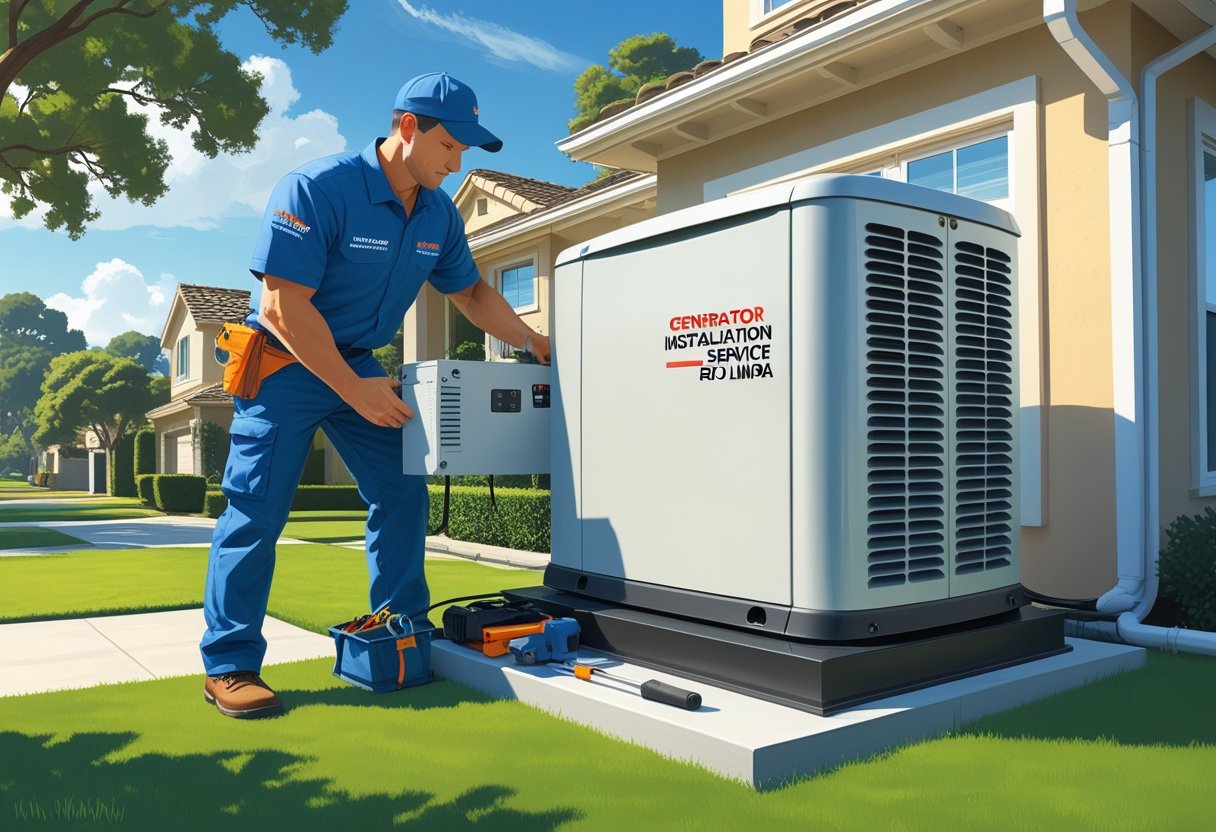
Power outages in Rio Linda can strike unexpectedly. You can protect your home with a professionally installed standby generator that keeps lights on, food cold, and essential systems running when the grid goes down. A local, licensed team installs the right whole‑home or partial‑load generator quickly and safely, giving your family real backup power and some peace of mind.
This guide lays out what to expect from generator installation service in Rio Linda, from picking the right size to safety checks and what happens after the install. AAA Electrical Services uses certified technicians, offers same‑day service when possible, flat‑rate pricing, and keeps vans stocked to speed up repairs and limit repeat visits.
Generator Installation Service Overview
You’ll find clear choices, local coverage, and safety-focused installation that actually protects your home. Here’s a rundown of the types of generators installed, where techs work in Rio Linda, and why hiring a pro is worth it.
Types of Generators Installed
You’ve got options: portable, standby (whole-house), and partial-load generators. Portable units plug into cords or transfer switches—fine for short outages but need manual setup and have to sit outside. Standby generators hook up to your home’s natural gas or propane and turn on automatically when the power drops. They’ll cover the whole house or just crucial circuits like the fridge, heating, or medical devices. Partial-load systems power only selected circuits, so they’re smaller and usually cost less than whole-house models.
Techs check your home’s power needs, fuel options, and what you want to keep running before recommending a size and type. They also handle permits, transfer switch install, and placement to meet local codes. That way, the generator runs safely when you need it.
Service Area Coverage in Rio Linda
Techs serve Rio Linda and nearby communities in Sacramento County. Coverage includes installation, permitting, and post-install inspection in Rio Linda, plus places like Sacramento, Elk Grove, Roseville, and Natomas. If your neighborhood’s on the list, a certified tech can come out for a load calculation and site assessment.
Same-day service and stocked vans mean less waiting, and techs can often finish installs or repairs in one trip. You get flat-rate pricing up front, and the crew follows all permit and inspection steps so your install passes city requirements.
Benefits of Professional Installation
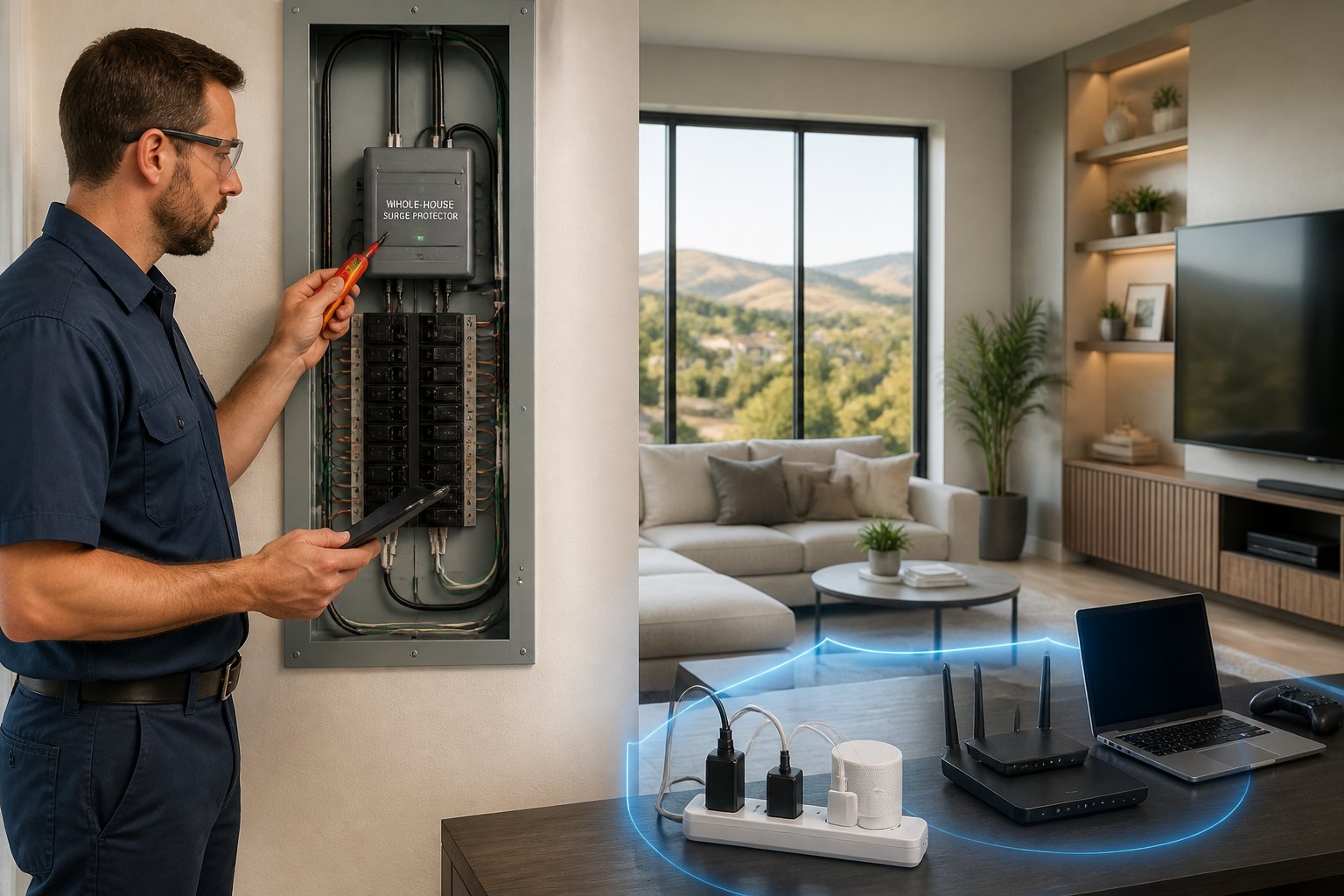
A licensed electrician keeps your home safe from wiring mistakes, gas leaks, or code problems. Pros do a real load calculation, install an approved transfer switch, and tie the generator into your panel safely. That cuts fire and carbon-monoxide risks and keeps essential circuits live. You also keep your home insurance and manufacturer warranties intact through correct setup.
Hiring trained, insured techs brings solid benefits: same-day scheduling, transparent quotes, and vans with parts for quick fixes. The team treats your home respectfully, sticks to safety protocols, and provides permit and inspection paperwork. AAA Electrical Services backs all this with certified, experienced electricians.
Steps in the Generator Installation Process
You’ll get a clear plan that covers site checks, permits, and prepping the area so things go smoothly. Each step aims for safety, code compliance, and fewer surprises.
Initial Assessment
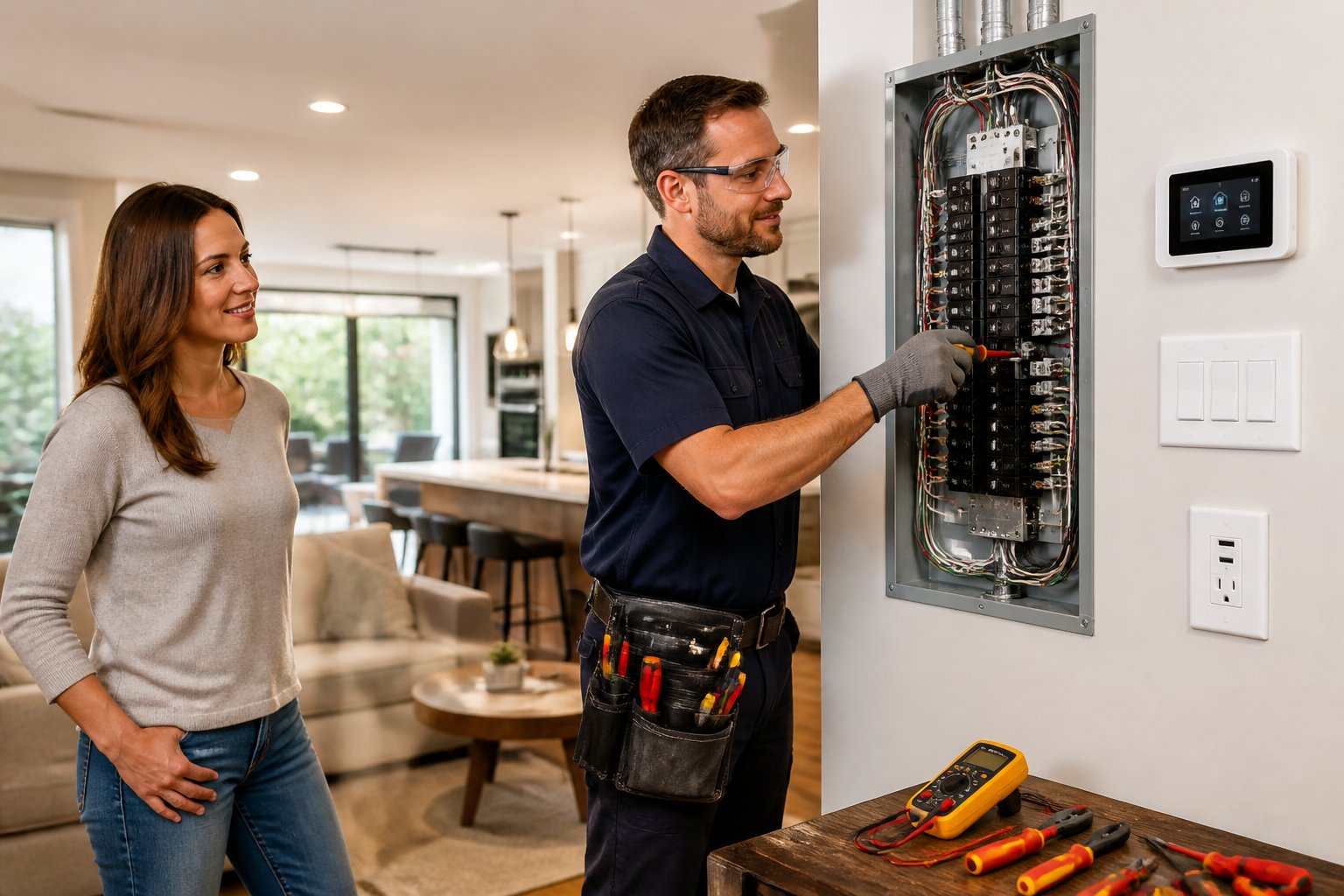
A technician checks your main electrical panel, meter spot, and gas or propane supply. They look at panel capacity, breaker space, and how much power your home uses now—and what you might need during an outage. This helps pick the right generator size and transfer switch to keep critical circuits powered.
Expect a walk-through to find the best spot for the generator. Techs measure setbacks from windows, doors, and property lines to meet local codes. They’ll also check fuel delivery access, noise, and the best way to run conduit to the panel.
Bring recent electric bills and let the tech know which big appliances you want backed up. This makes the assessment faster and helps avoid extra costs later.
Permitting and Compliance
Your installer pulls any required permits and sets up inspections with the city or county. Permits usually cover electrical work, fuel lines, and clearances. The inspector checks that the transfer switch, bonding, grounding, and wiring meet California and local code.
If the project ties into the meter or service mast, you might need utility notification. Licensed electricians handle the paperwork and coordinate with the utility to avoid any service interruptions. Ask about permit costs, inspection dates, and who covers the fees.
AAA Electrical Services follows local rules, uses licensed techs, and documents inspections so your system passes. That helps avoid delays and keeps your home safe and up to code.
Site Preparation
Clear a level spot for the generator—usually a concrete or approved composite pad. Keep required clearances from doors, windows, and property lines. Remove plants, grills, or anything else nearby.
Make sure there’s a clear path for the installers’ trucks and for running conduit to the house. If you’re using propane, have the tank and line access ready. For natural gas, check that the line has enough pressure and that a gas contractor or utility can tie in if needed.
Techs show up with a stocked van and most of the parts they’ll need. Plan for a short power outage during transfer switch hookup, and make sure they can get to the electrical panel and meter.
Choosing the Right Generator for Your Needs
You need a generator that keeps essential circuits running, fits your budget, and can be installed safely at your Rio Linda home. Focus on what you must power, the fuel you prefer, and the professional installation that comes with it.
Evaluating Power Requirements
Start by listing what you want on during an outage: furnace or heat pump, fridge, well pump, sump pump, lighting, chargers, and any medical gear. Check each appliance’s running watts and starting (surge) watts—usually on the label or in the manual. Big motors—like those in pumps or fridges—pull 2–3 times their running watts at startup.
Add up the running watts and include at least one big starting surge per motor. For example, a furnace (1,000 running / 3,000 starting), fridge (700 / 2,200), and a well pump (1,200 / 3,600) add up fast. Use a simple table to keep track:
- Appliance — Running W — Starting W
- Furnace — 1,000 — 3,000
- Fridge — 700 — 2,200
- Well pump — 1,200 — 3,600
This gives you a total to share with your installer. Knowing the real watts helps you avoid buying too big or too small a unit.
Selecting Generator Size and Type
Pick the generator type: portable, standby (whole-house), or a smaller standby for just the essentials. Portable units are fine for short outages but need manual hookup and fuel storage. Automatic standby generators use natural gas or propane and start up on their own; they’re better for sensitive appliances and HVAC.
Match the generator’s rated watts to your running total plus the highest starting surge. For whole-house backup in Rio Linda, most homes need 12–22 kW standby units; partial-load systems usually run 5–10 kW. Think about fuel: natural gas is easier for long outages, propane needs a tank. Ask about transfer switches, permit needs, and pro installation for code compliance and safety. AAA Electrical Services has licensed techs, same-day options, and flat-rate pricing to make the process easier and safer.
Safety Considerations During Installation
You’ve got to protect your home and family by following electrical rules and putting the generator somewhere dry, ventilated, and away from hazards. Focus on grounding, transfer switches, carbon monoxide, and keeping the unit away from doors and vents.
Electrical Safety Protocols
Hire a licensed, insured electrician to connect the generator to your main panel with the right transfer switch. That prevents backfeed, which can be dangerous for utility workers and your gear.
The generator needs to be bonded and grounded per code. The installer should test voltage, phase, and load capacity so the generator matches your panel and circuits. Ask for a checklist showing breaker settings, transfer switch wiring, and load calculations.
Make sure breakers and wiring are labeled. Keep the main breaker accessible and lockable during work. Have the tech show you the safety shutoff and walk you through starting, stopping, and manual transfer steps.
Proper Placement and Ventilation
Set the generator at least 5 to 10 feet from your house, doors, windows, and air intakes. Place it on a level, non-combustible pad, away from overhangs, dry landscaping, and any flood-prone spots.
Keep airflow clear around the unit and point exhaust away from people. Use barriers or deflectors if local code says you need to control exhaust direction. Install a carbon monoxide alarm inside and test it after the install.
Follow all local setbacks and permit rules. Your installer should check city codes for sound limits, setbacks, and placement before finalizing the spot. If AAA Electrical Services does the job, they’ll handle permits and code checks as part of their same-day, safety-first service.
Post-Installation Support and Maintenance
You’ll get scheduled checkups and fast repairs to keep your generator ready. Techs focus on safety, clear pricing, and quick fixes so your home stays powered when it matters.
Routine Inspections
Book inspections every 6–12 months, or after big storms. A tech will test start-up, run the generator under load, check fuel and oil, inspect the battery, and verify the transfer switch.
They’ll also clean air filters, tighten connections, and look for leaks or corrosion. You’ll get a checklist and a written report showing any parts that might need work soon.
Look for plans that cover oil changes, battery tests, and seasonal tune-ups. Memberships often give you 10% off parts and labor, which can help you avoid emergency calls. Techs usually show up with what they need, so many fixes get done on the spot.
Emergency Repair Services
If your generator fails during an outage, call for same-day service. Techs trained in generator systems will diagnose start issues, fuel problems, or transfer switch faults and explain repairs and costs before starting.
Emergency visits focus on safety: techs secure fuel lines, isolate circuits, and use proper grounding. Most problems get fixed right away thanks to stocked vans, but if you need a part, the tech will give you a timeline and flat-rate price.
Keep your installer’s emergency number handy and ask about after-hours fees or membership perks that can cut costs and speed up service.
Why Choose Local Expertise in Rio Linda
Local experts help you meet permit rules, get fast service, and keep your home protected during outages. They know Rio Linda’s codes, typical wiring, and how to connect generators safely to local panels.
Knowledge of Local Codes
You save time and hassle when your installer knows Rio Linda and Sacramento County codes. They pull the right permits, follow setback and noise rules, and complete the inspections the city requires. That lowers the risk of rework or failed inspections that waste time and money.
Local pros also know what kinds of panels and fuel setups are common in the area. That matters when sizing a standby generator so it matches your wiring and gas or propane service. Licensed, safety-first electricians keep your family and home protected.
Quick Response Times
A nearby team gets to your house faster after storms or when you need an urgent install. Same-day service and stocked vans mean repairs or installs often finish in one trip, so your generator’s up and running without a long wait.
You also get clear, local communication about scheduling, inspections, and permits. That kind of transparency and speed really helps during outages and gets your fridge, medical gear, or HVAC back online sooner. AAA Electrical Services offers these local perks, with flat-rate pricing and techs who treat your home like it’s their own.
Cost Factors for Generator Installation
Your total price depends on generator size and your power needs. Bigger units that run the whole house cost more than models for just the essentials.
Fuel type matters, too. Natural gas hookups are usually cheaper over time, while propane or diesel can bump up equipment or tank costs.
Site prep and permits add to the bill. You might need a concrete pad, trenching for lines, and local permits in the Sacramento area.
Electrical panel upgrades sometimes pop up. If your panel or transfer switch needs updating, plan for extra labor and parts charges.
Labor rates change depending on location and crew skill. In Rio Linda and nearby towns, licensed techs with certifications may charge more, but you usually get safer, faster results.
Inspection and hookup fees are also part of the deal. Utilities or city inspectors sometimes require separate payments before your system goes live.
Think about warranties and maintenance plans. A longer warranty or regular service plan costs more up front but can protect your investment down the road.
AAA Electrical Services offers same-day service, flat-rate pricing, and certified technicians who put family safety first. Their stocked vans often help them finish jobs faster, with fewer return trips.
Expect to pay several thousand dollars to install a whole-house standby generator, depending on all these factors. Ask for an itemized estimate so you know where your money’s going.
Customer Testimonials and Success Stories
Plenty of reviews praise fast arrivals and clear communication. Folks in Rio Linda and nearby Sacramento towns mention same-day service and techs who actually explain what they’re doing in plain English.
One homeowner said their generator was up and running before the next storm hit. They liked the flat-rate pricing and felt the crew treated their home with respect—no mess left behind.
Another family talked about peace of mind after a panel upgrade and generator install. They felt safer knowing licensed, background-checked techs handled everything, and that the stocked vans meant most parts were already on hand.
You’ll also hear about honest estimates and friendly crews who answer questions without rushing you. Many customers highlight the safety-first approach and say the technicians worked neatly around kids and pets.
A local business owner credited quick repairs to the “warehouse on wheels” setup, which often means no extra visits. Upfront pricing and same-day fixes kept their operations running.
Customers tend to recommend the team for reliable, courteous service across Sacramento and neighboring areas. If you want confidence and straightforward communication during installation, these stories give you a sense of what to expect from AAA Electrical Services.
Scheduling Your Generator Installation Service
Pick a few dates and times that fit your schedule. You can call or book online to see what’s available in Rio Linda, Sacramento, Folsom, and nearby areas.
When you contact the team, mention your address, the generator size you’re thinking about, and whether you want whole-house or partial backup. This helps the techs prep the right equipment and permits.
Expect a short phone pre-check to confirm site access, panel location, and any special needs. That call speeds things up and keeps costs clear with flat-rate pricing and no surprises.
AAA Electrical Services offers same-day scheduling when possible, and their stocked vans mean most jobs get done in one visit. Technicians are licensed, insured, and trained to keep your family safe during install.
Before your appointment, clear the installation area and make sure there’s utility access. If permits are needed, the crew will walk you through the local process for Rancho Cordova, Roseville, or wherever you are.
On installation day, the crew shows up in uniform, explains the steps, and tests the system with you. You’ll get honest timelines, an upfront price, and post-install tips for maintenance and safe operation.
Frequently Asked Questions
Here you’ll find answers on costs, recommended local service, installation steps, timing, prep work, and which brands Rio Linda installers usually handle. Expect local details and some practical next steps.
What are the average costs associated with installing a home generator in Rio Linda?
Whole-home generator installations can range a lot depending on size and fuel type. Most 20–24 kW standby generator installs with transfer switch, permits, and labor land between $10,000 and $20,000.
Smaller backup or partial-load systems cost less. Permit fees, panel upgrades, and site work (like a concrete pad or gas line) can push the final price higher.
Can you recommend a highly-rated generator installation service in Rio Linda?
You’ve got options: pick a local licensed electrician or a dedicated installer with solid reviews. AAA Electrical Services sends licensed, insured techs and offers same-day service for the Sacramento area.
Check for proper licensure, insurance, good customer reviews, and whether the installer gives flat-rate pricing and a satisfaction guarantee. Don’t be shy—ask for references and proof of background checks.
What should I expect during the generator installation process?
The installer will check your power needs, look at your main electrical panel, and talk through fuel options (natural gas or propane). They’ll pull permits and set up the site work.
On install day, expect a concrete pad or mounting spot, generator placement, transfer switch wiring, fuel hookup, and final electrical connections. The tech will test everything, show you how it works, and leave you with documentation.
How long does it typically take to install a generator?
A standard standby generator install usually takes 1–3 days of on-site work if things are straightforward. If you need panel upgrades, extra fuel-line work, or run into permit delays, it can take longer.
Waiting on permits or special parts might mean a few extra days or even weeks before the crew starts on-site.
What are the necessary preparations for a generator installation in my home?
Clear the area where the generator will go and make sure installers can reach your main electrical panel. Keep permit documents or property info handy for inspections.
Plan for vehicle and foot access for trucks and equipment. If you need a gas line, coordinate with a licensed plumber or HVAC pro as needed.
Are there specific brands or types of generators that local Rio Linda installers specialize in?
Local installers usually stick with the big standby brands, covering both natural gas and propane setups. Some focus on smaller backup units, while others tackle whole-house systems in the 20–50 kW range.
It's worth asking your installer which brands they actually certify, what kind of warranty support they offer, and if they keep common parts in their vans—nobody wants to wait days for a simple fix.