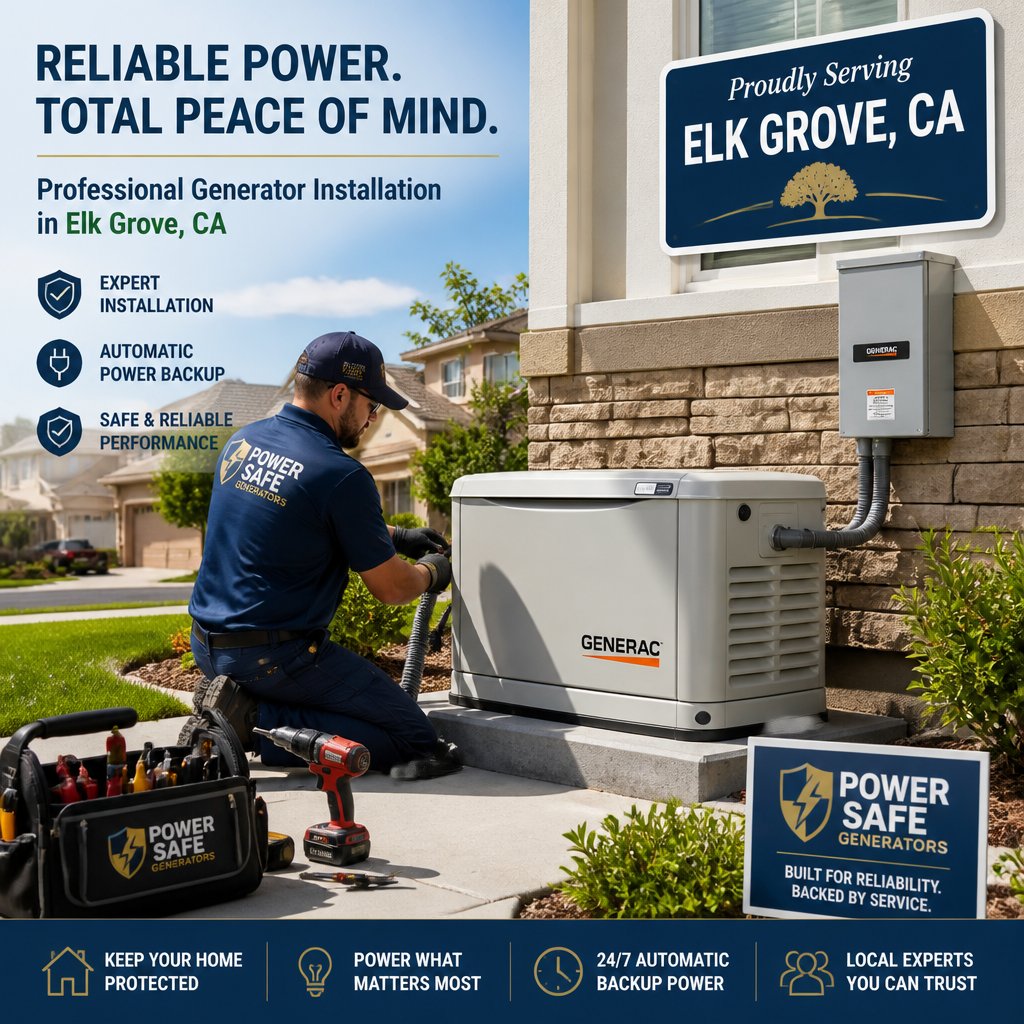
Generator installation services in Elk Grove, CA, offer a real backup plan when the lights go out. If you want your home to stay safe and livable during outages, it all starts with solid planning, proper sizing, and professional electrical work.
A good home generator keeps the essentials running, protects food and medicine, and helps you breathe easier during storms or grid failures. That’s even more important when you want a setup tailored for your house, your fuel source, and your family’s safety.
With a quality installation, you get more than just equipment sitting outside. There’s load calculation, transfer switch setup, code-compliant wiring, and testing that proves it’ll work when you need it most.
Choosing the Right Backup Power Setup for Your Home
The best backup power really depends on what you want to keep running and how long outages usually last in your area. Some folks just need the basics, while others want full-house protection from standby generators.
It’s worth considering how often you lose power, what fuel sources you can use, and how much convenience you expect from your generator.
Portable vs. Whole-Home Coverage
Portable units are handy for a fridge, a few lights, or charging devices. They’re cheaper up front, but you have to set them up, run cords, and keep an eye on them while they’re running.
Whole-home standby generators are a different game. They start automatically and can power much more of the house, all without you having to scramble in the dark.
When Standby Power Makes the Most Sense
Standby generators are best if you want fast, automatic backup and less hassle during an outage. They’re a solid choice for homes with medical equipment, sump pumps, home offices, or if you just don’t want to deal with a portable unit in bad weather.
They’re also a lifesaver when losing power means food spoilage, security problems, or comfort issues in extreme weather.
How to Match Generator Size to Household Needs
Don’t just go by the size of your home—generator size should be based on the circuits and appliances you actually want to run. A load calculation matches the generator to your real demand.
In practice, you’ll need to decide between covering only essentials or going for near-full coverage. A licensed installer can help you compare options and pick a home generator that fits your needs and budget.
What Professional Installation Includes
Professional generator installation is more than just dropping equipment outside. It covers electrical planning, safe connections, fuel decisions, and a final test to make sure everything works as it should.
This process cuts down on risk. Licensed pros handle the electrical work with safety in mind, protecting your panel, your generator, and your family.
Site Evaluation and Load Calculation
It usually starts with a site visit. The installer checks your available space, clearance needs, local codes, and which areas of your home need backup.
Then comes the load calculation, showing how much power your home uses day-to-day and during an outage. That step’s crucial for picking the right generator and avoiding overload headaches later.
Transfer Switch and Electrical Panel Connections
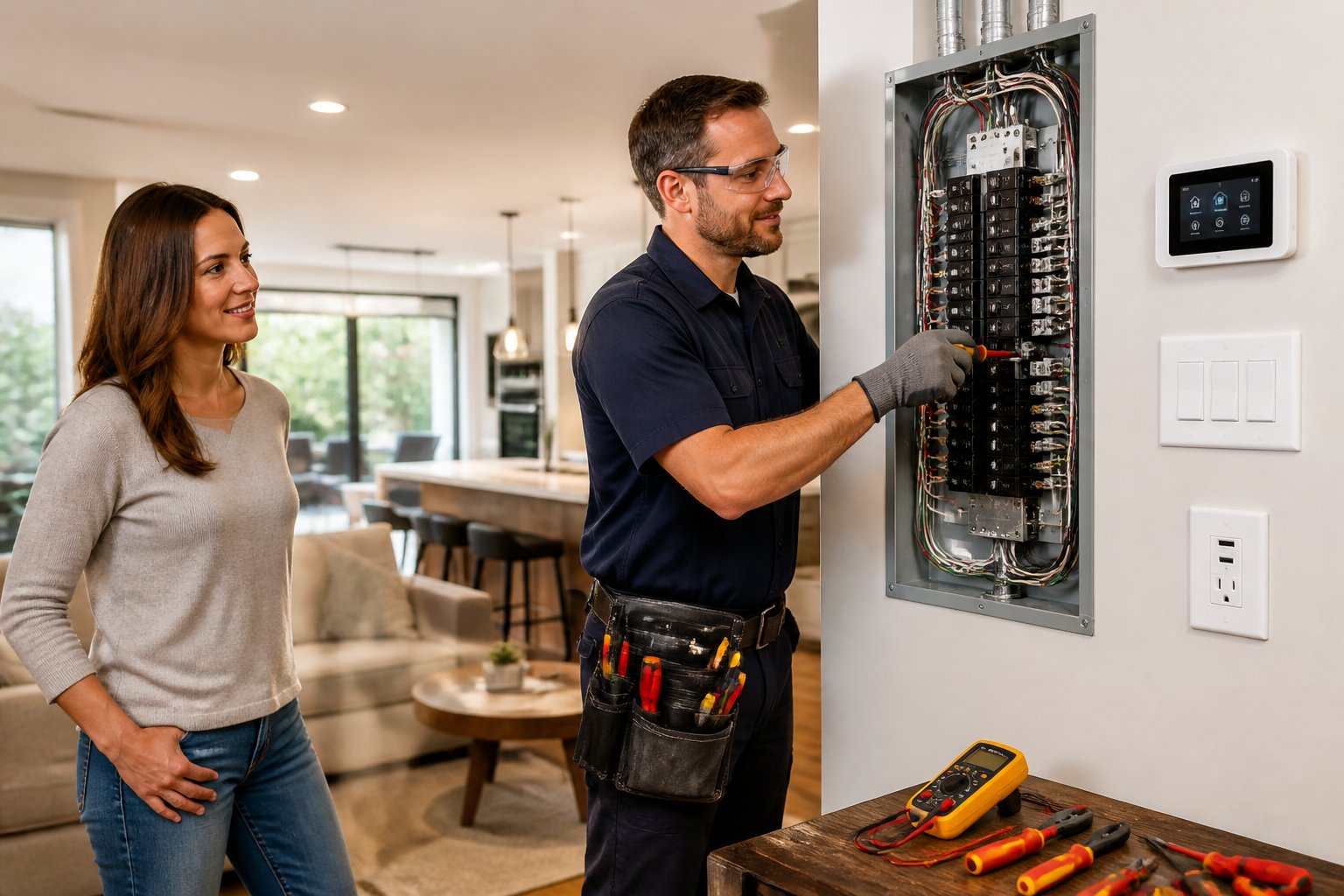
The transfer switch is a big deal. It safely shifts power from the grid to the generator and keeps electricity from backfeeding into utility lines.
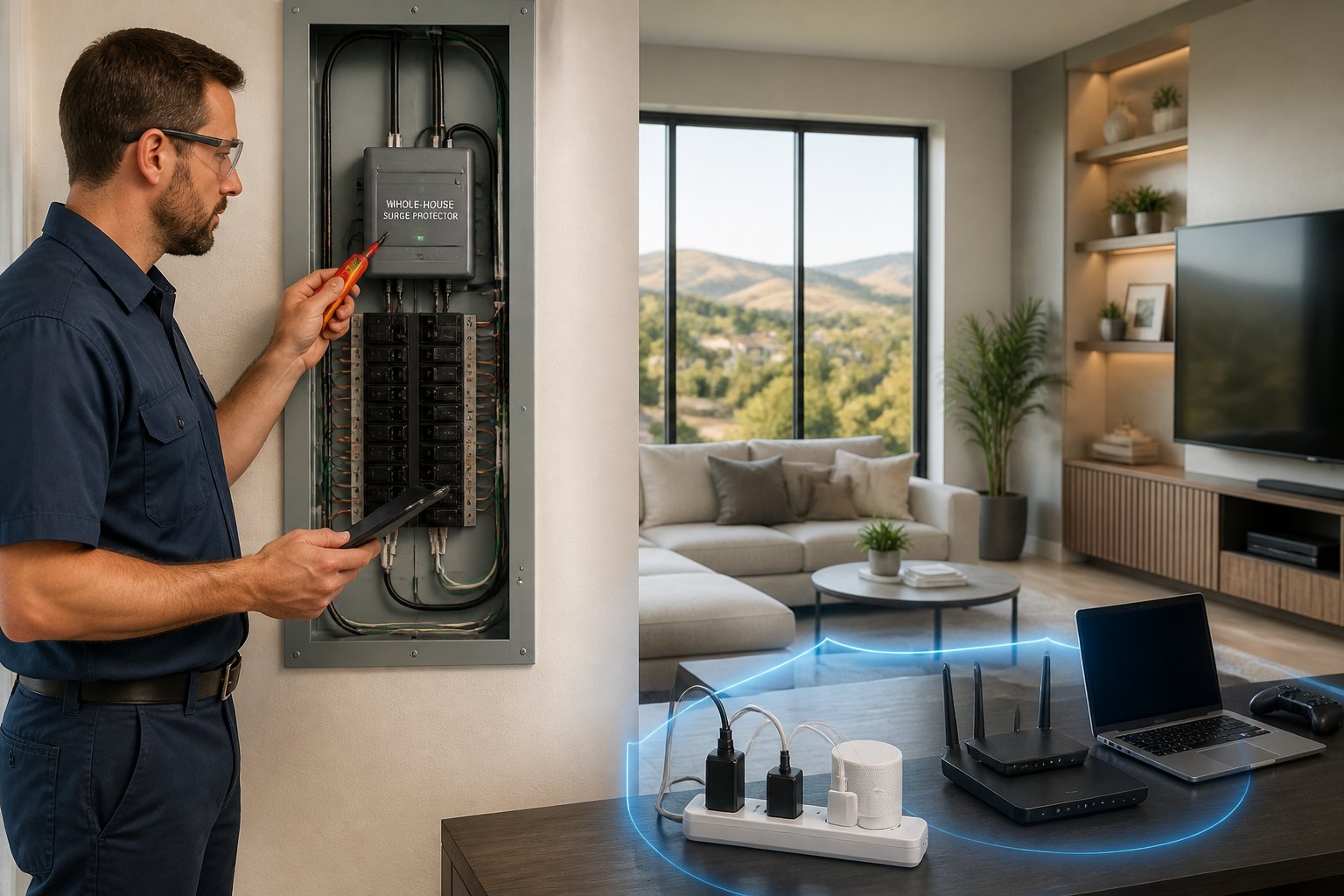
The generator must connect correctly to your electrical panel. Only trained electricians should handle this—standby generators, circuit limits, and permits are not DIY territory.
Fuel Source Options for Residential Systems
Most home systems run on natural gas, propane, or sometimes diesel. The best choice depends on what’s available and how you want your system to operate during longer outages.
Your fuel choice affects maintenance, run time, and how the installation is designed. A good installer will spell out the pros and cons so you can pick what works for your house.
Costs, Permits, and Timeline in Elk Grove
Generator installation costs vary based on generator size, fuel source, electrical work, and any site prep you might need. Permits and inspections add some time, but they make sure the job’s up to code.
If you want a clear plan, ask for flat-rate, upfront pricing and a simple timeline before things get started.
Typical Price Ranges for Common Setups
Smaller setups cost less—they cover fewer circuits and need less equipment. Whole-home standby generators run higher because they require a bigger unit, a transfer switch, and more electrical work.
Extras like a pad, gas line work, or panel upgrades can bump up the price. It’s smart to go over the full scope before you give the green light.
Why Permits and Code Compliance Matter
Permits make sure your generator installation follows local building and electrical rules. They confirm that clearances, wiring, fuel connections, and shutdown controls are set up right.
Skipping permits can cause inspection headaches, safety risks, or delays when you need service. Code-compliant work also just makes life easier down the road.
How Long a Standard Project Usually Takes
A straightforward install might take a day or two, once materials are ready and permits are in hand. More complex jobs can stretch longer, especially if the panel needs upgrades, the fuel line needs work, or the site needs extra prep.
Honestly, scheduling, permitting, and utility coordination often eat up more time than the actual install. A good provider will give you a realistic timeline and keep you in the loop.
Safety, Reliability, and Long-Term Maintenance
A generator only helps if it’s set up right, serviced regularly, and gets quick attention when something’s off. That’s what keeps standby generators reliable, not just sitting forgotten until a storm hits.
Routine care also helps your system start faster and run cleaner—pretty important when your family’s counting on it.
Safe Placement and Ventilation Basics
Generators need enough clearance from doors, windows, and vents to keep exhaust out of the house. They also need a stable spot and room for service.
Placement really matters. If you put a unit too close to the house or behind bushes, you’re asking for trouble—stuff that’s easy to avoid if you plan ahead.
Why Routine Service Protects Performance
Routine maintenance catches small problems before they turn into big failures. Oil changes, battery checks, load tests, filter swaps—these all help your generator last longer.
A lot of folks wait until storm season to think about service. Honestly, it’s smarter to schedule maintenance before the heavy-use months so your system’s ready when the power goes down.
Common Repair Issues Homeowners Should Watch For
Watch for hard starting, weird noises, fuel leaks, warning lights, or delayed power transfer. If you spot any of these, call for service ASAP.
Stocked service vans mean faster fixes—sometimes in one visit—if it’s just a worn part or a common electrical hiccup. AAA Electrical Services even offers same-day service in many cases, which is a relief when you’re already stressed.
How to Compare Local Electricians and Installation Providers
The right installer brings more than just tools. You want licensed, insured techs who explain things clearly, respect your home, and stand behind their work.
It’s worth comparing pricing, communication, and support before you schedule your generator install.
Licensing, Insurance, and Technician Qualifications
Always check that the company’s licensed and insured. Generator work touches your electrical panel, fuel system, and home safety—so you want pros who know what they’re doing.
Ask about technician training too. State-certified and Nexstar-trained staff usually follow current standards and can handle a range of systems.
Questions to Ask Before Scheduling Service
Before you book, ask what’s included, what permits are needed, and whether the provider handles load calculations. Find out how they’ll protect your home during the job.
A few good questions:
- Will you inspect my panel and wiring first?
- Do you offer flat-rate pricing?
- What kind of warranty comes with labor and parts?
- How soon can you get started?
What Transparent Pricing and Service Support Look Like
Transparent pricing means you know what’s included before the work begins. You’ll also know what could change the price, like panel upgrades or fuel line work.
Good service support means clear communication, reliable scheduling, and follow-up after the install. Most families appreciate techs who show up on time, explain the work, and leave the place tidy.
Frequently Asked Questions
How do I choose the right size standby generator for my home?
Size your generator based on the appliances and circuits you want to run during an outage. A load calculation is way better than guessing from square footage.
What does a typical generator installation include from start to finish?
A standard job includes a site check, sizing, permit planning, equipment placement, electrical and transfer switch connections, fuel setup, and system testing. The installer should finish with a walkthrough so you know how it all works.
Do I need permits or inspections for a generator installation?
Yep, most generator installs need permits and inspections. That helps make sure the work meets local codes and keeps your system safer.
How long does generator installation usually take?
Most jobs take one to three days on-site, depending on the setup. The overall timeline can stretch if you need permits, inspections, or fuel line work.
Can a generator be connected to my existing electrical panel safely?
Yes, as long as the panel’s in good shape and sized for the system. A licensed electrician should check the panel first to make sure it can handle the transfer switch and backup circuits.
What kind of maintenance will my generator need after installation?
You'll want to keep up with oil changes, check the battery, swap out filters, and run some tests now and then. Usually, an annual service covers the basics, but if your generator's working overtime, you might need to look at it more often.