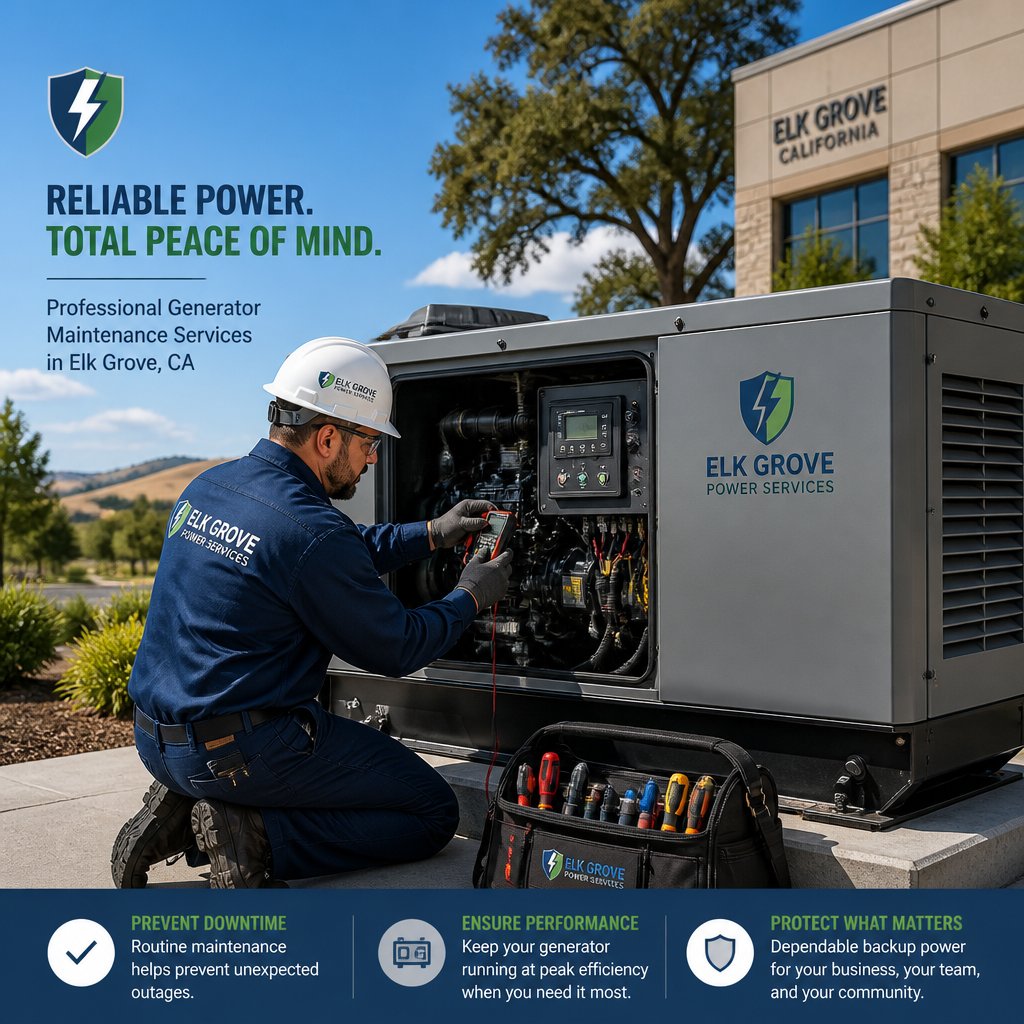
Generator maintenance services in Elk Grove, CA really matter when you want backup power you can count on during an outage. If your system sits unused for a while, little problems can sneak up and then hit you right when you least expect it.
Regular generator service helps you spot wear early, keep things ready, and dodge that dreaded no-start when the power goes out. For homes in Elk Grove, that peace of mind is worth a lot—especially during storms, rolling blackouts, or those sweltering days when you just need the AC to stay on.
At AAA Electrical Services, it’s all about safe, professional electrical work by licensed folks who know the ropes. They offer flat-rate pricing, same-day appointments, and well-stocked vans so you’re not left waiting around for parts or answers. It’s a pretty straightforward way to keep your backup system ready without a lot of hassle.
What Generator Maintenance Includes
A real generator service visit isn’t just a quick peek under the cover. It digs into everything that keeps the unit starting, switching over, and running safely when you need it.
Routine generator maintenance services help you catch small issues before they turn into generator repair services. That can save you time, frustration, and maybe even some money in the long run.
Inspection, Testing, and Load Checks
A technician usually starts with a visual sweep—checking the housing, wiring, hoses, belts, and connections. Then comes testing to make sure it starts and transfers power like it should.
Load checks? Super important. A generator might sound fine when it’s not doing much, but under real demand, problems show up fast. A proper load test shows if your system can handle actual use, not just idle running.
Oil, Filters, Battery, and Fuel System Care
Oil changes, air filter swaps, spark plug inspections, battery tests—these are the basics. Dirty oil or a weak battery are classic reasons a generator lets you down.
The fuel system needs love too. Fuel lines, filters, and tanks can get clogged, leak, or fill up with stale fuel, all of which mess with startup and performance.
Portable vs. Standby Service Needs
Portable and standby generators aren’t the same animal. Portables need more frequent fuel checks, careful storage, and cord inspections. Standby systems need regular exercise cycles and transfer switch testing.
Whether you’re using a Honda-style portable or a whole-home standby unit, your service plan should fit your usage. If your backup system protects your family, it deserves the same care you’d give any big-ticket appliance.
Signs Your System Needs Attention Soon
Little warning signs often pop up before a major failure. If you notice changes in startup, odd sounds, or weird power quality, go ahead and schedule generator service soon.
A quick generator repair can stop a small issue from becoming a full-blown outage. Usually, catching things early is faster and less expensive than waiting for a total breakdown.
Hard Starts and Failure to Turn On
If your generator cranks slowly, hesitates, or just won’t start on the first try, it’s probably a battery, starter, fuel, or control problem. A unit that won’t turn on during testing is a big red flag.
Don’t just hope it’ll fix itself. Backup power is only useful if it actually works when you need it.
Unusual Noises, Vibrations, or Smells
Rattling, grinding, buzzing, or strong fuel smells usually mean something’s loose, worn out, or leaking. Extra vibration might mean the unit isn’t level or has internal wear.
If you smell burning, oil, or gas, act fast. Those aren’t just service issues—they can be real safety hazards.
Power Fluctuations and Warning Indicators
If lights flicker, appliances get weird, or the control panel throws warning codes, your system may be struggling to hold voltage or load.
Warning lights exist for a reason. When they pop up, get a pro to check the system before the next outage hits.
Why Routine Service Matters in Elk Grove
Elk Grove’s weather and grid quirks make backup power more important than you might think. Routine generator maintenance keeps your system ready for those “oh no” moments.
It also means safer operation and fewer nasty surprises, which is critical if you rely on power for medical gear, fridges, garage doors, or your home office.
Preparedness for Storms and Grid Outages
When storms, heat waves, or blackouts roll in, you don’t want to discover a dead battery or clogged fuel line at the worst possible time. Regular service keeps your system primed for those emergencies.
In Elk Grove, backup power protects your comfort and safety when outages threaten food, cooling, or lights. A maintained unit gives you a real shot at steady power when the grid fails.
Longer Equipment Life and Better Fuel Efficiency
Keeping up with generator care helps cut down on engine strain and electrical wear. Clean filters, fresh oil, and real load tests keep things running smoother.
You’ll probably waste less fuel, too. Well-maintained generators just run better than ones ignored for months.
Safer Operation for Your Home and Family
Safety is a huge reason to stay on top of maintenance. Loose wires, fuel leaks, and battery issues can all create hazards if ignored.
It’s smart to check things before they become a risk. That’s the kind of attention you want from a local electrician who works on generators all the time.
When Maintenance Turns Into Repair or Replacement
Sometimes, problems go beyond what routine care can fix. Other times, the system’s just too old and replacement makes more sense.
What you do next depends on the age of your unit, repair costs, and how often it’s been acting up. A thorough inspection helps cut down on guesswork.
Problems That Usually Need Professional Repairs
Electrical faults, busted transfer switches, broken starters, fuel leaks, and failed alternators usually call for a pro. These aren’t your average DIY fixes.
If your unit keeps tripping, can’t handle a load, or shuts down during normal use, let a trained tech handle it. Same-day service can get your backup power back online faster when it’s urgent.
When an Aging Unit May Need Replacement
If your generator’s getting up there in years, breaks down often, or needs constant repairs, it might be time to swap it out. A unit that can’t keep up with your needs isn’t really doing its job anymore.
Frequent part failures, rising repair bills, and hard-to-find components are all signs it’s time to consider a new system. Sometimes, replacement just makes better sense than another patch job.
How Generator Installation Fits Into Long-Term Planning
Generator installation should match what your home needs now and what you expect down the road. If you’re planning for more appliances, EV charging, or higher demand, choose a system that can grow with you.
A licensed electrician can help you figure out load size, placement, fuel type, and transfer gear. Good planning now can save you from another upgrade sooner than you’d like.
How to Choose a Qualified Local Electrician
You want someone who knows local codes, safe wiring, and your specific generator brand. A good electrician will tell you when repair’s enough and when it’s time for installation or replacement.
Look for a provider who values clear communication, upfront pricing, and family safety. It just makes the whole process less stressful.
Licensing, Insurance, and Generator Experience
Always go with a licensed, insured electrician who actually works on generators. Someone who handles both standby and portable units should know how to inspect, test, fix, and install them safely.
Generator experience matters—a general electrician might not have the nitty-gritty knowledge you need.
Transparent Pricing and Same-Day Availability
Flat-rate, upfront pricing helps you avoid nasty surprises. You should know what’s included and what it’ll cost before anyone starts.
Same-day service is a lifesaver if your backup power isn’t working. A van stocked with common parts can mean you’re back up and running in just one visit.
What to Ask Before Booking Service
Ask if the company handles generator repair, maintenance, and installation. Double-check if they service your brand, offer warranties, and can test the unit after repairs.
It’s smart to ask about membership deals, coupons, and response times, too. AAA Electrical Services, for example, offers $35 off your first service and a membership program with a 10% discount (excluding permits and subcontractor costs).
Frequently Asked Questions
How often should I schedule maintenance for my standby generator?
Most standby generators should get serviced at least once a year. If your unit runs a lot or supports critical loads, consider semi-annual checks. Sometimes, more frequent generator maintenance just makes sense.
What’s included in a typical generator maintenance service visit?
A standard visit covers inspection, testing, oil and filter checks, battery test, and fuel system review. The tech might also run a load test to see if your generator can handle real-life power needs.
How much does generator maintenance usually cost in my area?
The price depends on generator size, service type, needed parts, and any repairs found during the visit. Flat-rate pricing is great for clarity—you’ll know the cost before work starts.
Do you service portable generators like Honda models too?
Yes, portable units get serviced too—including most common homeowner models. They still need clean fuel, battery or starter checks, and safe operation testing to stay reliable.
What signs tell me my generator needs maintenance or repair soon?
Hard starts, odd noises, fuel smells, warning lights, and power weirdness are all warning signs. If you notice any of those, book a generator service before the next outage.
What does the 80% rule mean for generator loading and safe operation?
The 80% rule basically says—don’t push your generator all the way to its max for extended stretches. Keeping the load under full capacity just gives the whole system a break, cuts down on wear and tear, and honestly, it’s way safer in the long run.