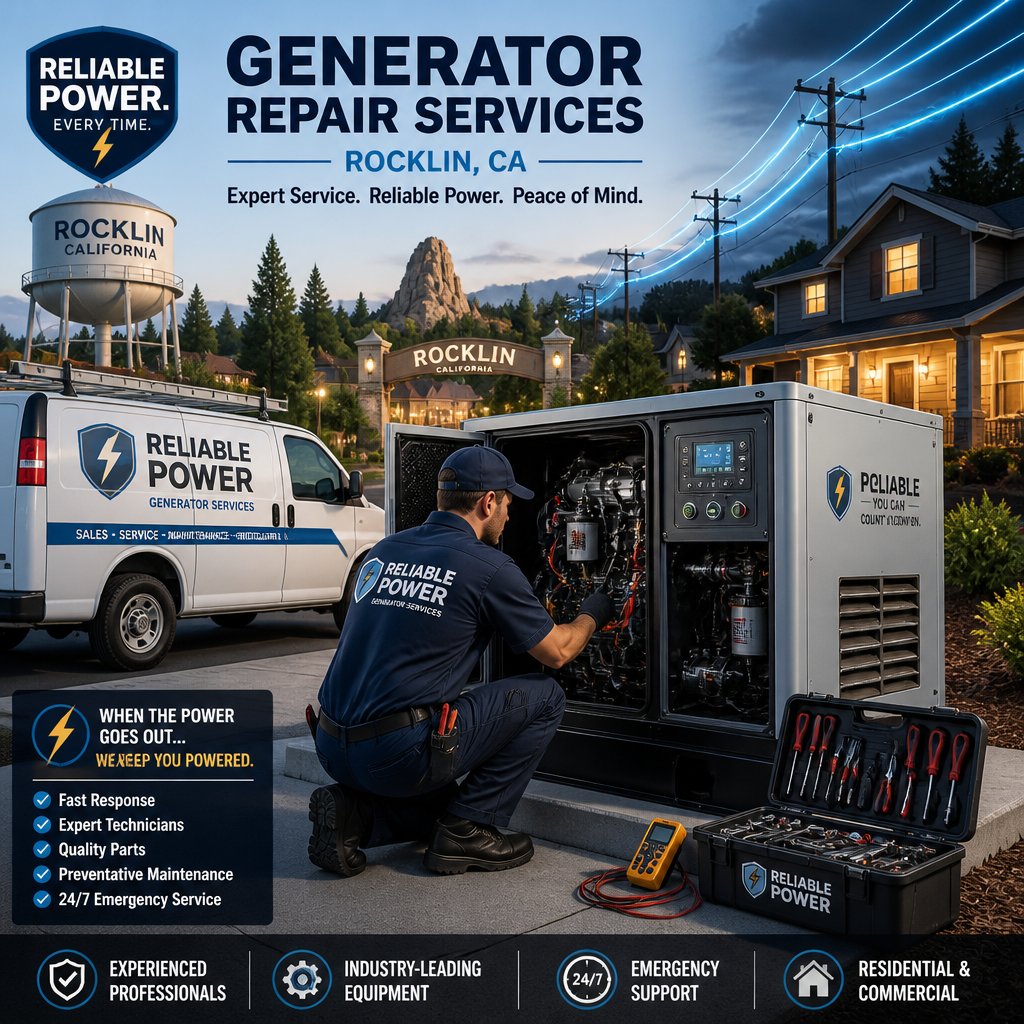
Generator repair services in Rocklin, CA can make sure your backup power is ready when storms hit or the utility cuts out. If you own a home generator, even minor issues can leave you powerless if you wait too long.
If your generator is slow to start, runs rough, or just doesn’t keep up with your needs, go ahead and schedule a repair before the next outage. Acting early can protect your home, cut down on stress, and help your system do its job when your family really counts on it.
AAA Electrical Services keeps things straightforward: safety-first electrical work by licensed professionals. You get honest pricing, same-day service if possible, and repairs focused on reliable backup power.
When to Schedule Service in Rocklin
Generators usually give you a heads-up before they fail. Watch for changes in startup, output, noise, fuel use, or breaker behavior—any of those can signal it’s time for generator repair or at least a checkup.
Generator Won’t Start or Stay Running
If your generator cranks slow, starts and stops, or shuts off during a test, you might be looking at battery, fuel, or control system trouble. If it can’t keep running, it’s not really backup power.
If you haven’t tested the generator in a while and it now struggles at startup, don’t wait. Fixing small problems early is a lot easier than dealing with a big breakdown.
Low Power Output, Surging, or Breaker Trips
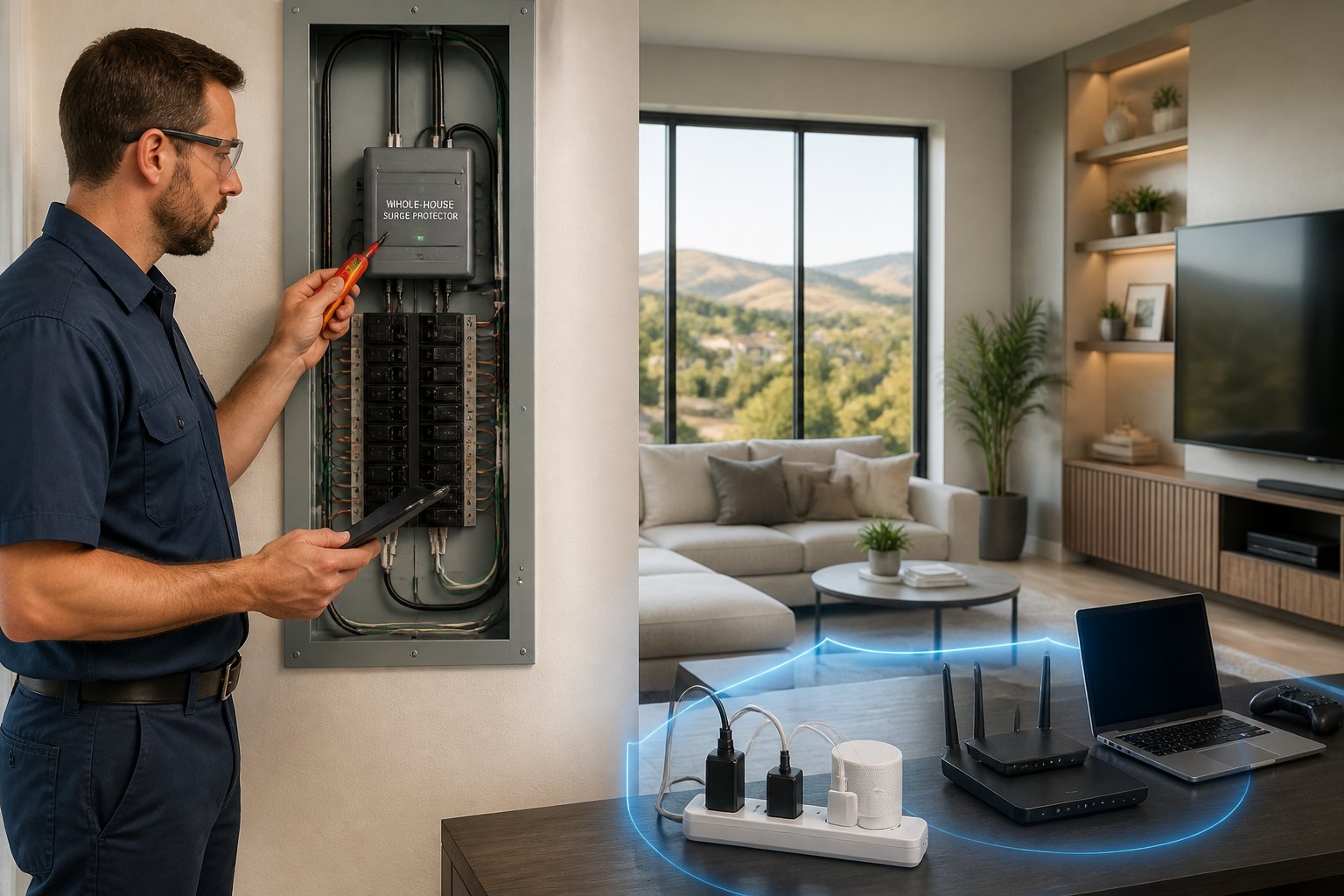
Flickering lights, stalling appliances, or a generator breaker that trips during use? That’s usually an output problem. Voltage swings and surges can mess with electronics and make your backup power less reliable.
Issues like these can come from worn parts, loose wires, fuel delivery trouble, or just too much load. A pro can track down the cause before it damages anything else.
Fuel Smells, Leaks, or Unusual Noises
If you notice fuel smells, leaks, harsh knocking, grinding, or popping sounds, shut the system down and call for help. That’s not just about performance—it’s a safety thing.
Changes in noise are easy to ignore, but they often mean something’s wearing out inside the engine or electrical compartment. Quick repairs help protect both the generator and your home.
What a Professional Repair Visit Should Include
A real repair visit is more than just flipping a breaker. You should get thorough testing, clear answers, and repairs that actually fix the problem.
The point is reliable backup power, so both electrical checks and safety reviews matter. A good tech will explain what failed, what’s working, and your options.
Electrical and Fuel System Diagnostics
Diagnosis usually starts with battery checks, wiring, ignition, and fuel delivery. Often, it’s a weak link in a chain of small parts causing issues.
For emergency generator repair, techs with stocked vans can often fix things on the spot—no need for a second visit.
Transfer Switch, Panel, and Load Checks
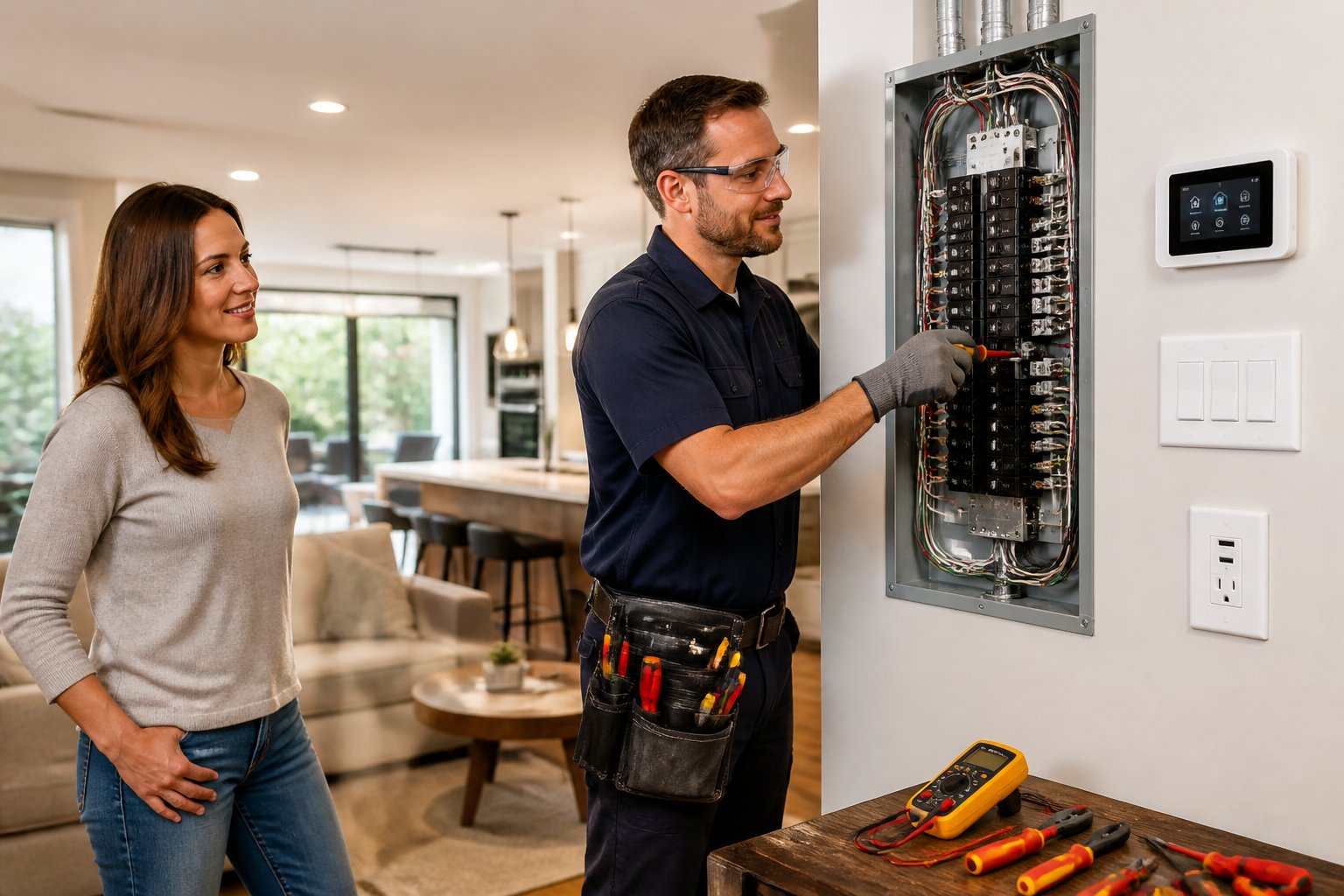
Even if the generator’s fine, a bad transfer switch or panel can keep it from powering your home. The tech should check that power flows where it should and that you’re not overloading the system.
Backup power depends on the whole setup, not just the generator. Loose wires, worn parts, or wrong settings can cause repeat headaches.
Clear Repair Options and Safety Testing
You deserve a simple explanation of what’s wrong, how to fix it, and what it’ll cost. Honest pricing matters, especially when you’re weighing a quick fix versus a bigger repair.
After repairs, the tech should test the system under load so you know it’ll work when you need it. Safety checks are the last step for real peace of mind.
Standby and Portable System Differences
Standby and portable generators both offer backup power, but they’re built for different needs. The right repair approach depends on how your system’s wired, how often you use it, and what you want to keep running.
A permanently installed home generator usually needs different care than a portable you roll out just for outages. Repairs should fit the equipment, not just the symptom.
How Standby Units Support Whole-Home Power
A standby generator connects directly to your home and can start up automatically when the power goes out. That’s a solid choice if you want coverage for critical circuits or most of the house.
These systems run through a transfer switch and may power heating, refrigeration, lights, and key appliances. Installation and repair for standby units should always focus on code compliance and safe operation.
Common Portable Unit Problems and Limitations
Portable generators can have pull-start issues, stale fuel, worn outlets, or cord problems. Since setup is manual, user error can also affect performance.
They’re handy for short outages, but usually cover less and require more hands-on effort. If your needs have changed, repairing a portable may not be enough.
When a Backup Power Upgrade Makes Sense
Upgrading makes sense if outages are getting longer, your unit’s too small, or your home’s electrical demand has grown. A bigger or better-matched system can make a real difference when the lights go out.
It’s worth comparing repair costs to the price of a new generator. The right choice should fit your home and how you actually live.
Maintenance That Helps Prevent Breakdowns
Generator maintenance is one of the easiest ways to avoid surprise outages. A steady service routine keeps your standby generator ready, especially before fire season, heat waves, or storms.
Routine care helps the system last longer and keeps little problems from turning into big ones. That’s a real win if your family relies on backup power.
Routine Inspections, Load Testing, and Fluids
A solid inspection checks for visible wear, wiring, mounting, control settings, and heat damage. Load testing shows how the system performs under pressure, not just at idle.
Don’t skip fluids. Oil, coolant, and fuel quality all affect performance, and bad fuel can cause startup headaches down the line.
Battery, Filters, and Seasonal Readiness
Weak batteries are a top cause of no-start problems. Filters and belts can quietly age out, even if the unit seems fine during quick test runs.
Before wildfire season, summer, or winter storms, it’s smart to get a quick service check. Catching weak parts early beats losing power when you need it most.
How Standby Generator Service Protects Warranties
Regular service might help you stay within manufacturer guidelines, which matters for warranty claims if something major fails.
It also gives you a service record, making future repair decisions a little easier and more informed.
Repair vs. Replacement for Long-Term Reliability
Not every issue is worth repairing, especially with older units or those with a history of problems. Sometimes, installing a new generator is just the smarter choice for reliable backup power.
Weigh things like age, parts availability, repair frequency, and how much of your home you want covered. That way, you won’t end up throwing good money after bad.
Signs Repeated Repairs Are No Longer Cost-Effective
If your generator needs service all the time, parts are tough to find, or repair quotes keep climbing, replacement may make more sense. A common rule: if repair costs hit half the price of a new unit, it’s probably time to upgrade.
If the old unit still struggles after every fix, a new one starts to look even better.
When Generator Installation Is the Better Option
Installing a new generator may be the way to go if your current one can’t keep up. If you want something quieter, more efficient, or that covers the whole house automatically, a replacement can be the cleanest solution.
A new install also lets you update wiring, transfer switches, and safety controls all at once. That can mean better reliability for years.
Choosing the Right Size for Essential Circuits or Whole-Home Coverage
Sizing matters—a lot. Too small, and you’ll overload it. Too big, and you’re just wasting money.
You can pick a system for just the essentials or go for whole-home coverage. The right size depends on your budget, what you need to run, and how comfortable you want to be during an outage.
Choosing a Local Electrical Team With Confidence
You want a repair team that keeps things simple, safe, and honest. Licensed work, clear communication, and respect for your home go a long way.
AAA Electrical Services puts family safety first, offers flat-rate pricing, and same-day service when possible. That’s a big deal when you need generator repair or standby service without more hassle.
Licensing, Certifications, and Code Compliance
Generator work should always be done by pros who know local electrical codes. Licensed, insured, and certified techs help you avoid unsafe repairs and failed inspections.
Code compliance isn’t just for show—it matters for both repairs and installs. Safe wiring, proper transfer gear, and correct load handling aren’t the places to cut corners.
Same-Day Response, Stocked Vans, and Honest Pricing
Same-day service really matters when the power’s out. Stocked vans mean techs can fix most issues right away, saving you from a second appointment.
Expect upfront pricing—no surprises. Clear estimates help you decide fast and keep the process low-stress.
Service Area Coverage Across Rocklin and Nearby Communities
A local team should be ready for Rocklin, Roseville, Sacramento, Lincoln, Auburn, Folsom, Citrus Heights, Natomas, Fair Oaks, Rancho Cordova, El Dorado Hills, Carmichael, Woodland, and nearby spots. Local support is a lifesaver during storms or outages.
It’s also handy when you want one company for maintenance, repairs, and future installs. Knowing the area helps with fast scheduling and smoother service.
Frequently Asked Questions
Who should I call to diagnose and fix my generator?
Call a licensed electrician or a technician who specializes in generator repair. The right pro can test electrical, fuel, and transfer systems together, which usually finds the real problem faster.
How do I know if my generator needs repair or just routine maintenance?
If it starts, runs steady, and just needs cleaning, fluid, or a battery check, maintenance might be enough. If it won’t start, surges, trips breakers, or makes new noises, you probably need a repair.
Is it usually worth repairing an older generator, or is replacement a better option?
It depends on the age, how often it’s been fixed, and the repair cost. If repairs are frequent or close to half the price of a new unit, replacement is probably the better bet.
About how much does a typical generator service or tune-up cost?
Costs vary by unit type, needed parts, and how much testing is involved. A flat-rate quote is the easiest way to compare, and it should show labor, parts, and any extras.
Can a licensed electrician repair a generator, or do I need a specialized technician?
A licensed electrician can usually handle many generator issues, especially with wiring, transfer switches, or load problems. For engine or fuel issues, a tech with generator training may be the best pick.
How quickly can someone respond for emergency generator repairs?
Honestly, it varies. Sometimes you’ll get same-day service, especially if it’s a real emergency and the area isn’t slammed with calls. If the technician’s van is well-stocked with common parts, that definitely speeds things up—no waiting for shipments or running back and forth. Of course, if demand’s high or a rare part’s needed, you might wait a bit longer.