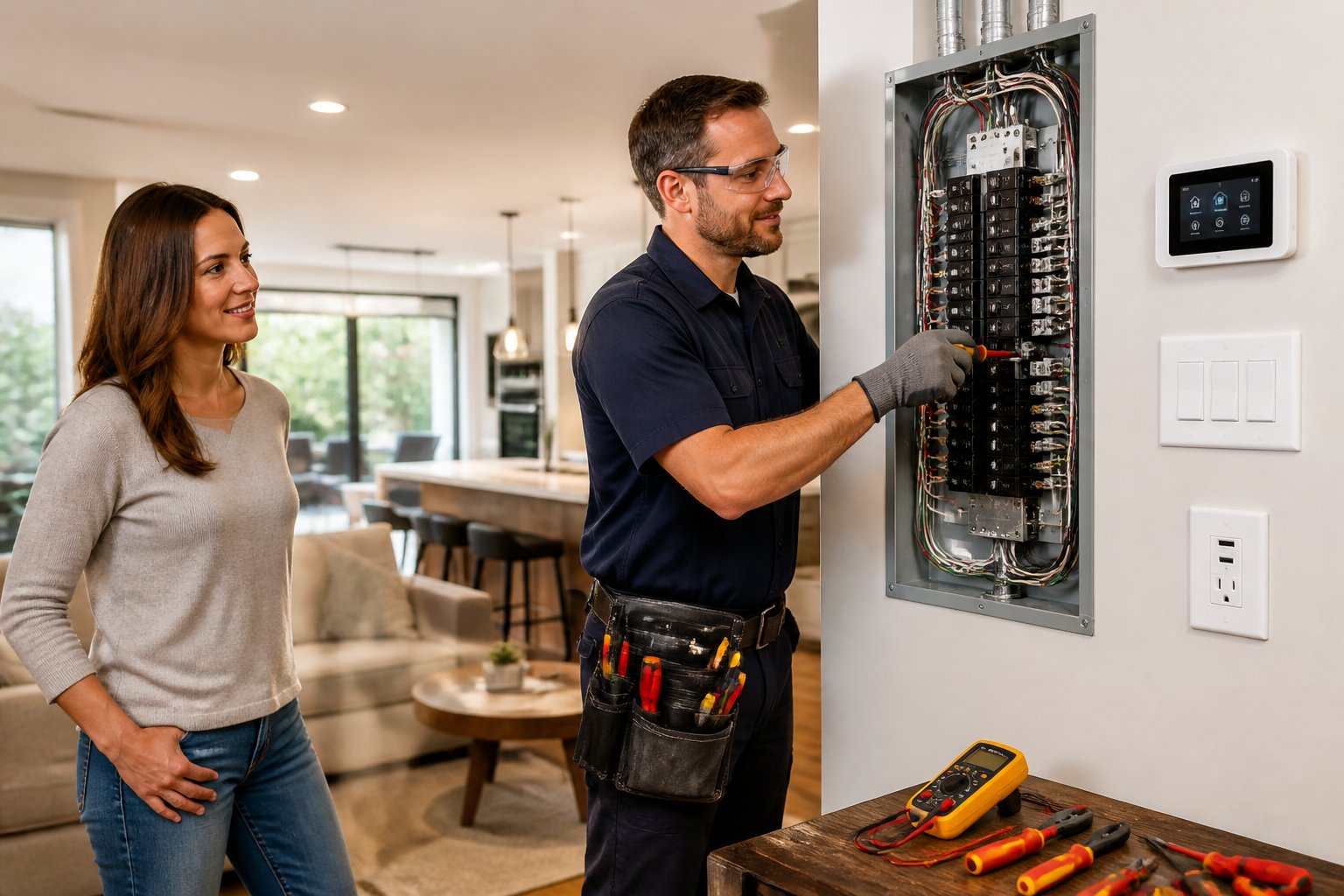
Wiring issues can feel risky and confusing, but you don’t have to figure it out alone. If you notice flickering lights, warm outlets, or your breakers tripping a lot in Antelope, CA, call a licensed electrician to check and repair your wiring so your home stays safe and up to code. Here’s what to watch for, when to contact a pro, and what repairs and upgrades usually look like in this area.
You’ll get simple troubleshooting tips, safety basics to protect your family, and a look at how hiring a certified team can save you time and stress. AAA Electrical Services focuses on safety, same-day service, clear flat-rate pricing, and vans stocked for most repairs—so you can get honest help, fast.
Understanding Home Wiring Repair
Good wiring repairs keep your family safe and your power reliable. Here’s what you should know about common problems in Antelope, the types of wiring you might have, and the warning signs that mean it’s time to call a pro.
Common Electrical Issues in Antelope CA
Antelope homes often deal with overloaded circuits from new appliances, old panels that can’t keep up, and loose or worn outlets. Outdoor wiring and older knob-and-tube or aluminum setups can get worse in the local heat and need a careful look.
You might see frequent breaker trips, lights dimming when you start big appliances, or outlets that only work sometimes. These problems usually mean overloaded circuits, bad connections, or worn-out breakers. Fixes can be as simple as tightening an outlet or as involved as upgrading your panel or adding circuits.
For quick repairs, pick a team with stocked vans, same-day service, and licensed, insured techs. That way, you get safer, code-compliant work and faster results.
Types of Residential Wiring Systems
Most Antelope homes use copper wiring with a breaker panel that splits power by circuit. Copper’s popular because it conducts well and lasts.
Older homes might have aluminum wiring or even knob-and-tube. Aluminum wiring expands and contracts, which can loosen connections and increase fire risk if not handled right. Knob-and-tube wiring doesn’t have grounding and doesn’t meet today’s code.
It helps to know if your home has grounded outlets, AFCI/GFCI protection, and a panel big enough for your needs. A licensed electrician can check your wiring, confirm grounding, and suggest panel upgrades or new circuits if needed.
Warning Signs of Wiring Problems
Watch for flickering or dimming lights when you start big appliances. That could mean voltage drop, loose connections, or overloaded circuits.
If you notice warm or discolored outlets, a burning smell, or buzzing switches, those are urgent. They usually mean poor connections or overheating, which can lead to electrical fires. Stop using that circuit and call a pro.
Other red flags: breakers that trip a lot, sparks when you plug things in, or old two-prong outlets with no ground. Get a professional inspection to find out what’s really going on and get it fixed right.
Hiring a Professional Electrician in Antelope CA
Pick a licensed local electrician who puts safety first, offers clear pricing, and can handle permits and inspections quickly. Look for same-day service, vans stocked for quick repairs, and techs who keep your home clean.
What to Look for in a Licensed Electrician
You want someone licensed and insured, with experience in Antelope and nearby places like Sacramento and Roseville. Check that the electricians are state-certified and background-checked. That lowers your risk and helps guarantee code-compliant work.
Look for flat-rate pricing and a reputation for same-day service. Vans stocked with common parts mean fewer delays. Ask if they wear uniforms and protect your home during the job.
Check for warranty and satisfaction guarantees. Make sure they handle the work you need—panel upgrades, EV charger installs, or surge protection.
Important Questions to Ask Before Hiring
Ask for their license number, proof of insurance, and state certification. Get references or check online reviews from people in neighborhoods like Natomas or Carmichael.
Find out how they price jobs—flat-rate, upfront quotes, or hourly. Make sure you know what’s included: permits, materials, cleanup. Ask if their vans carry parts for same-day repairs and what warranty they offer.
Confirm how fast they can schedule and respond in emergencies. If you’re a new customer, see if you qualify for the $35 discount or membership deals. Ask how they’ll protect your home and if they provide a written invoice.
Local Regulations and Permits
Antelope follows California electrical codes, and you’ll need permits for things like panel changes, major rewiring, and new EV charger installs. A licensed electrician should know what needs a permit and handle that for you.
Ask if they’ll pull permits and arrange inspections with your city or county. Check who contacts the inspector and who needs to be there for final checks. Skipping permits can cause headaches when selling your house or lead to fines.
Make sure your electrician knows the local inspection timelines and common code issues in places like Roseville or Elk Grove. Picking someone who handles permits makes your life easier and helps you avoid redo work.
Safety Precautions for Homeowners
Take simple steps to cut down on shock, fire, and injury risks. Turn off the power, use the right tools, and know when to stop and call a professional.
Electrical Safety Tips During Repairs
Always turn off the right breaker at the panel before touching any wiring. Double-check with a non-contact voltage tester or multimeter. Lock or tag the breaker so nobody flips it back on by mistake.
Wear insulated gloves and safety glasses. Use tools with insulated handles and rubber-soled shoes. Keep your work area dry—never work with electricity on wet floors.
Work with one wire at a time so you don’t short anything. Replace damaged wires, connectors, and wire nuts—don’t just wrap tape around frayed spots. Tighten terminal screws securely, but don’t overdo it.
When to Call a Professional
Call a licensed electrician for panel work, any job needing a permit, or anything involving your main service. If you have warm outlets, frequent breaker trips, burning smells, or see aluminum wiring, get help right away. These are bigger problems that DIY fixes can miss.
Call a pro for knob-and-tube, shared neutrals, or if your home is over 40 years old with original wiring. If you see sparks or have repeated outages, get a same-day inspection. A professional can get permits, make code-compliant repairs, and fix things safely.
AAA Electrical Services sends licensed techs who can inspect, repair, and upgrade wiring with clear, flat-rate pricing and stocked vans for quick repairs.
Protecting Your Home and Family
Install AFCI and GFCI protection where it’s required: kitchens, baths, garages, bedrooms—these devices trip faster than old breakers and cut fire and shock risks. Test GFCIs monthly and reset them if needed.
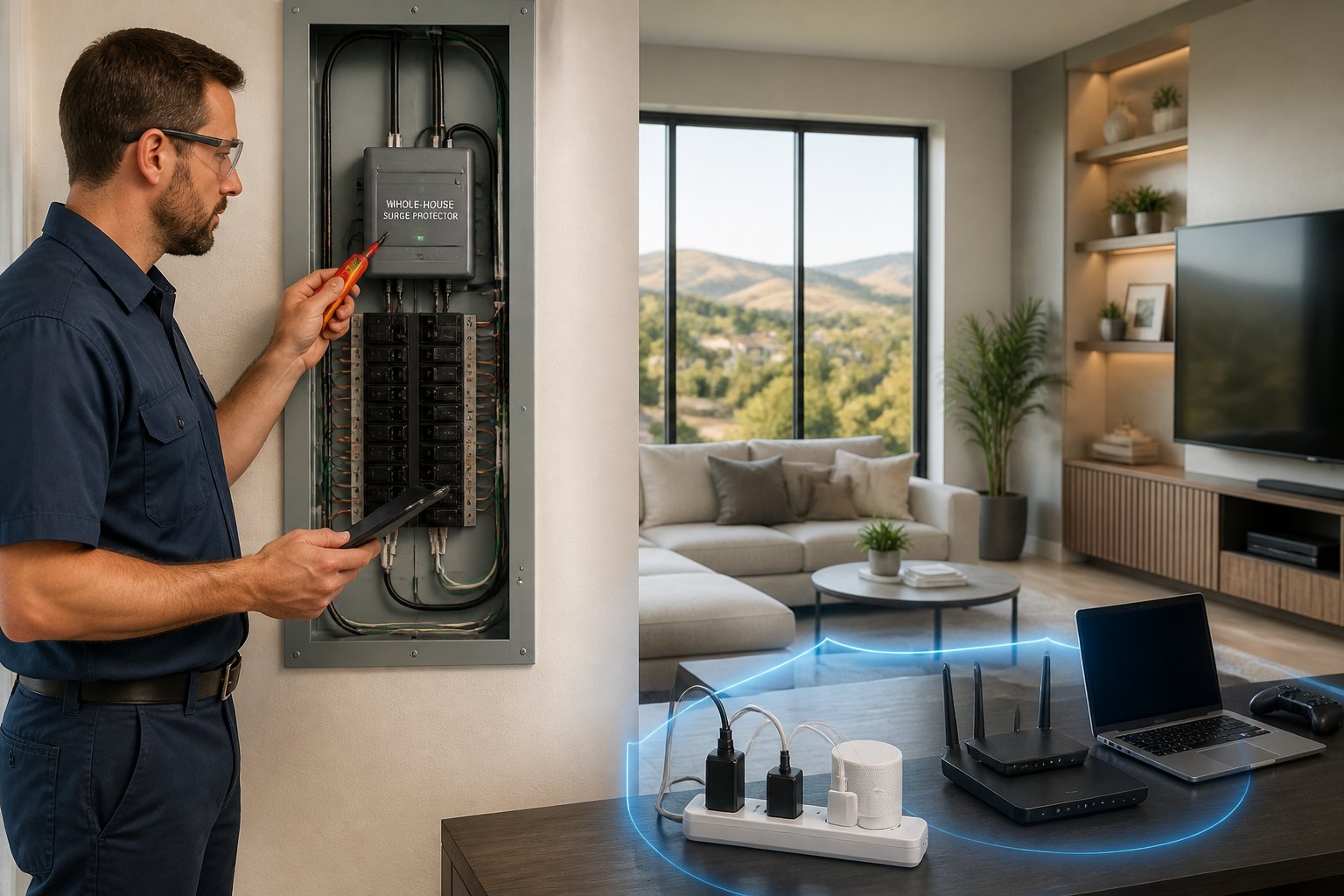
Keep flammable stuff away from panels and fixtures. Label circuits clearly at the breaker box so you or first responders can shut off power fast. Use surge protectors for expensive electronics and consider whole-home surge protection.
Schedule an electrical inspection every few years or after big remodels. Inspections catch hidden problems early and give you a list of what to fix or upgrade.
Step-by-Step Guide to Basic Home Wiring Repairs
Here’s how to safely cut power, swap outlets or switches, and fix damaged wiring. Go step by step, and if you feel unsure or run into weird wiring, stop and call a pro.
Shutting Off Power Safely
Turn off the main breaker before touching any wires. Stand on a dry floor and use one hand if you can—less chance for electricity to run through your body.
Label the breaker you shut off so nobody flips it back on. Use a non-contact voltage tester at the outlet or switch to make sure the power is really off. Test both hot and neutral wires.
Wear safety glasses and insulated gloves if you have them. If you need to remove the panel cover, just loosen the screws—don’t touch bus bars or exposed parts. If you see multiple circuits tied together or aluminum wiring, stop and call a licensed electrician.
Replacing Outlets and Switches
Once you’ve confirmed the power’s off, remove the wall plate and the screws holding the outlet or switch. Pull it out gently, leaving the wires attached so you can see how they connect.
Check the wire colors: black or red (hot), white (neutral), and bare or green (ground). If wires use backstab holes, move them to the screw terminals for a tighter, safer connection. Tighten screws firmly.
Match the new outlet or switch’s amperage and type to the circuit (like 20A for kitchen outlets). Reattach the ground wire. Turn the power back on and test with a plug-in tester or multimeter. If you get sparks, smells, or warmth, kill the power and call a pro.
Repairing Damaged Wiring
If you spot damaged insulation, nicks, or exposed copper, cut the power first. For short damaged sections, cut out the bad part and strip back about 3/4 inch of insulation on each end.
Use wire nuts and heat-shrink tubing or approved crimp connectors rated for your wire size. Match the gauge—14 AWG for 15A, 12 AWG for 20A. Twist wires together, cap them, then slide on the heat-shrink and shrink it tight.
Never leave splices exposed—always put them inside a box with a cover. If you find aluminum wiring, burnt insulation, or burned connections, stop and get a certified repair from a licensed tech.
Upgrading Your Home’s Electrical System
Upgrading your electrical system boosts safety, gives you more capacity for new stuff, and can even cut energy waste. Here’s why it matters and what code requirements can affect wiring work in Antelope, CA.
Benefits of Upgrading Wiring
New wiring and a modern panel lower fire risk and help your appliances run right. Old cloth or aluminum wiring can overheat; swapping in copper and the right breakers fixes that.
Upgrades let you add circuits for EV chargers, ACs, or a new kitchen without tripping breakers. That keeps your lights and devices on when you need them.
You might see less energy waste from old connections and loose wires. Better grounding and surge protection also shield your electronics from power spikes.
AAA Electrical Services sends licensed, background-checked techs who can do many repairs same-day with stocked vans. Flat-rate pricing means you know what you’ll pay.
Modern Electrical Code Requirements
Local codes follow the California Electrical Code, setting rules for grounding, AFCI/GFCI protection, and circuit sizes. AFCI protection is usually required in bedrooms and living spaces to prevent arc fires.
GFCI outlets must go in wet areas like kitchens, baths, garages, and outdoors. New jobs usually need tamper-resistant outlets and proper spacing in living areas.
Panels might need replacing if they aren’t labeled, have unsafe breakers, or can’t handle more circuits. Inspectors check wire size, breaker ratings, and how neutrals and grounds are set up.
Permits and inspections are required for most upgrades. Hiring licensed pros means your work meets code, passes inspection, and keeps your family safe.
Essential Tools and Materials for Home Wiring
You’ll want safety gear, basic hand tools, proper connectors, and the right wire types to handle home wiring repairs safely. Grab tools that actually fit your project—testing, cutting, stripping, fastening, mounting. No need to overcomplicate it.
Must-Have Tools for Wiring Repair
- Non-contact voltage tester — Start here to check if wires are live (without risking your fingers). It’s a quick safety check before you dive in.
- Multimeter — Measures voltage, current, and continuity. Handy for tracking down problems at breakers, switches, or outlets.
- Wire strippers — Go for a size that fits 14–12 AWG copper wire; that’s what you’ll find in most houses.
- Lineman’s pliers and needle-nose pliers — Grip, bend, or cut wire with less fuss.
- Screwdrivers (flat and Phillips) — Insulated handles are a must. Shocks are overrated.
- Cable cutters — Cleanly snip NM (Romex) and stranded wire—no squashing the conductor.
- Fish tape or wire puller — Makes threading new wire through walls or conduit way less painful.
- Flashlight or headlamp — You’ll want both hands free in crawlspaces or dark panels.
Stick with tools rated for electrical work and keep them organized in a tool bag or your truck. AAA Electrical Services techs keep vans loaded so they can wrap up most repairs in one shot.
Recommended Supplies for Safe Repairs
- Wire types — NM-B (Romex) for most indoor jobs, THHN for conduit. Match gauge to the circuit: 14 AWG for 15A, 12 AWG for 20A, and bigger for heavy appliances.
- Wire nuts and push-in connectors — Make sure they’re rated for your wire size and count. Twist-on nuts are classic, but push-ins can speed things up.
- Electrical tape and heat-shrink tubing — Heat-shrink’s great for a clean, tough seal on splices.
- Outlet and switch boxes — Swap out cracked or stuffed boxes for the right size (metal or plastic) to stay within code.
- GFCI and AFCI devices — Install ground-fault and arc-fault protection where code calls for it: kitchens, baths, garages, bedrooms.
- Cable staples and clamps — Secure NM cable within 8 inches of boxes and every 4.5 feet along the run. Keeps stress off the wire.
- Replacement devices and plates — Stock up on standard outlets, switches, and cover plates in a few basic colors.
Buy supplies that meet NEC and local codes for Antelope, CA, and the Sacramento area. Using proper parts cuts down on callbacks and helps keep everyone safe.
Troubleshooting Common Electrical Problems
You can spot and fix a lot of small electrical issues on your own, but some jobs really do need a licensed pro. Check your breaker box, outlets, and fixtures for warning signs like breakers that keep tripping or lights that dim for no reason.
Identifying Circuit Breaker Issues
If a breaker keeps tripping, jot down which circuits fail and when it happens. Unplug everything on that circuit and reset the breaker. If it trips right away, you’re probably dealing with a short or overloaded circuit.
Warm or scorched outlets, burning smells, or buzzing at the panel are big red flags. Stop using that circuit and call a licensed electrician. Overloads usually mean too many big appliances on one circuit—spread them out if you can.
Older homes around Sacramento often have worn breakers or outdated panels that just can’t keep up. A pro can test, swap out bad breakers, or upgrade your panel if needed. AAA Electrical Services runs same-day service and keeps vans stocked to handle most breaker fixes right away.
Dealing with Flickering Lights
Flickering lights? Could be a loose bulb, a bad socket, or just a bulb that doesn’t fit snugly. Try tightening or swapping the bulb before blaming the wiring.
If a whole room flickers, look for loose connections or overloaded circuits. Pay attention to when the flicker happens—does it line up with your AC or a big appliance kicking on? That’s usually a voltage drop from heavy loads.
One fixture flickering? That’s often a loose wire. Turn off the breaker and don’t mess with wiring unless you know what you’re doing. If flicker keeps coming back or spreads to other rooms, bring in a licensed tech to check connections, tighten terminals, and test for failing parts. Playing it safe keeps your family and home out of trouble.
Preventive Maintenance for Long-Term Safety
A little regular checking and quick fixes go a long way in keeping your home safe and avoiding expensive repairs later. Scheduled inspections, timely repairs, and a few good habits can save you headaches down the road.
Routine Electrical Inspections
Bring in a licensed electrician to check your panel, breakers, outlets, and visible wiring every 1–3 years—or sooner if you notice flickering lights, weird smells, or constant breaker trips. Inspections should include testing GFCIs and AFCIs, tightening panel connections, and looking for rust, water damage, or even rodent chewing.
Ask the tech to jot down what they find and what needs fixing now, what to watch, and what to plan for. If you’ve got an older panel, knob-and-tube, or aluminum wiring, get a full evaluation and talk upgrades. In Antelope and nearby, same-day service and loaded vans mean a lot of fixes get done right then and there.
Tips for Avoiding Future Wiring Problems
Don’t overload circuits—spread out those high-draw appliances and don’t use heavy-duty cords as a permanent fix. Unplug space heaters, window ACs, and similar stuff when you’re not using them. Replace cracked or loose outlets; skip any that feel warm.
Keep water away from outlets and make sure outdoor stuff has weatherproof covers. Trim trees away from exterior lines, and label your panel so you can kill power fast if you need to. Consider a home maintenance plan or set up annual checks to catch small problems before they turn into big ones.
AAA Electrical Services does safety-first work with licensed pros, clear pricing, and same-day help when you really need it.
Cost Factors for Home Wiring Repair in Antelope CA
Costs swing a lot depending on how old your wiring is, how much needs fixing, and whether you need permits or a panel upgrade. Local labor rates and parts availability play a role too.
Estimating Repair Expenses
Older homes in Antelope usually need more labor—sometimes you have to open walls or panels to reach buried wires. If you’ve got knob-and-tube, cloth-insulated wires, or a bunch of code violations, expect higher costs since replacement is the only real fix. Typical expenses: labor hours, new cable and outlets, boxes, permit fees from Sacramento County, and any breaker or panel parts.
For example, swapping out several bad circuits and adding outlets could take a few hours to a full day, and the price can vary a lot depending on how tricky things get. Need a panel upgrade (like moving to 200A or adding a subpanel)? Budget extra for the larger breaker, more wire, and inspection fees. Ask for an itemized estimate that spells out parts, labor, permits, and a little wiggle room for surprises.
Saving Money on Electrical Work
You can save money by grouping repairs into one visit—don’t spread it out over multiple calls. Work with a contractor who gives you flat-rate, upfront pricing so you don’t get blindsided by hourly charges. Membership deals and that $35 new-customer credit can help cut your bill if you qualify.
Make your home easy to work in and clear out work areas before the tech arrives—that saves labor time. Choose a licensed, insured electrician who keeps a “warehouse on wheels” so they usually finish repairs in one trip. Don’t skip permits or try risky DIY fixes to save a buck; it’ll cost more later if you need a redo or get fined. AAA Electrical Services sticks to these best practices to protect both your wallet and your family.
Frequently Asked Questions
Here are some quick answers to help you spot wiring problems, know when to call a pro, estimate costs, and handle emergencies. These focus on warning signs, inspection schedules, repair costs, and who to call around Antelope and Sacramento.
How do I know if my home wiring needs repair?
If your lights flicker when you use appliances, you might have loose or overloaded wiring.
Warm or discolored outlets and any burning smell—don’t ignore those.
Frequent breaker trips or buzzing switches? Those circuits are probably failing.
If your wiring’s over 20–30 years old, get an inspection even if things seem fine.
Can I tackle home wiring repairs on my own or should I hire a professional?
Honestly, you should call a licensed electrician for most wiring repairs.
Working on live circuits is risky—shocks, fires, and code violations aren’t worth it.
Swapping a switch cover? Sure, go for it.
But anything at the panel, adding circuits, or hardwired appliances—leave that to a pro.
What are the signs of electrical wiring issues in a house?
Flickering or dim lights when appliances start up can mean voltage drops.
Hot or sparking outlets and frequent breaker trips point to overloads or shorts.
Buzzing switches, burning smells, and charred outlet plates? Major hazards.
Ungrounded two-prong outlets and aluminum wiring in older homes add extra risk.
How often should the electrical wiring in my home be inspected?
Get a full electrical inspection every 3–5 years if your house is older or you’ve spotted problems.
Newer home but adding big appliances? Schedule an inspection before you install.
Also, get checked when you buy a house, after major renovations, or if breakers keep tripping.
Regular checks help you catch worn wires, overloaded circuits, and missing safety devices early.
What is the typical cost for residential electrical repair services?
Simple repairs like swapping outlets or switches usually run from the low to mid hundreds.
Panel repairs, circuit upgrades, or rewiring parts of the house can run into the thousands, depending on what’s needed.
AAA Electrical Services offers flat-rate pricing and keeps vans stocked for faster fixes.
Definitely ask for a clear estimate that lays out labor, parts, permit fees, and any follow-up work.
Who should I contact for electrical emergencies in my home?
If you catch a whiff of burning, spot sparks, or suddenly lose power in part of your house, go ahead and flip off the main breaker—then get out of there.
Call a licensed emergency electrician immediately.
Need same-day help in Antelope or nearby? Reach out to a local team that can actually show up fast.
You’ll want electricians who are fully licensed, insured, and upfront about pricing—plus, they should always put safety first.