You can spot a lot of electrical issues early if you know what to watch for and act quickly. Little things—like flickering lights, a breaker that keeps tripping, or an outlet that feels warm—can hint at bigger problems hiding out of sight. Paying attention now helps keep your family safe and your home in one piece. Plus, you’ll sleep a little easier.
If you notice new warning signs, don’t just brush them off as annoyances. Treat them like real safety concerns. A licensed electrician can spot problems before they turn into fires, shocks, or expensive repairs, and tell you if the issue is simple, urgent, or something bigger. Honestly, the sooner you catch trouble, the easier it is to fix—and the less likely you’ll need emergency repairs.
Key Takeaways
- Small warning signs usually show up before major failures.
- Changes in breakers and outlets can be clues to hidden hazards.
- Safe inspection habits help you know when it’s time to call a pro.
Red Flags You Should Never Ignore
It’s tempting to shrug off odd electrical behavior, especially if it only happens once. But even one-off changes at home can signal problems that need attention before they get out of hand.
Flickering Or Dimming Lights
Flickering or dimming lights might mean loose connections, overloaded circuits, or old wiring. If it happens in just one room or when a big appliance kicks on, that pattern can help you figure out what’s going on. If it keeps happening, take it seriously.
Burning Smell, Scorch Marks, And Sparks From Outlets
A burning smell near any outlet, switch, or fixture is a red flag. Scorch marks and sparks aren’t normal—they can mean overheating, damaged parts, or loose connections making a fire risk. If you notice any of these, shut off power to that spot if you can do it safely and call for help ASAP.
Crackling Sounds, Electrical Shocks, And Hot Outlets
Crackling sounds? That’s electricity arcing somewhere it shouldn’t. Even mild shocks aren’t something to ignore—they usually mean a fault that can get worse fast. Hot or warm outlets are just as concerning, since heat often points to resistance, loose wiring, or failing parts.
Discolored Outlets, Warm Outlets, And Loose Connections
Discolored outlets usually mean there’s been overheating, so the problem might already be lurking behind the wall. Warm outlets and loose connections often go hand-in-hand, and together they raise the risk of damage. If any outlet feels different than the rest, stop using it until someone checks it out.
What Breaker Trips And Power Loss Usually Mean
Breaker problems are your system’s way of protecting itself. If you keep losing power in part of your house, maybe it’s a temporary overload, a failing device, or something deeper that needs a pro’s eye.
Frequent Breaker Trips And Tripping Circuit Breakers
Frequent breaker trips usually mean the circuit’s carrying more than it should. If you reset the breaker and it trips again, that’s not just a fluke. Repeated circuit breaker trips deserve attention—they can mean a circuit isn’t safe for your home’s load anymore.
Overloaded Circuits, Short Circuits, And Ground Faults
Overloaded circuits happen when too many things plug into one line, especially in high-demand rooms. Short circuits—often from damaged wiring or bad equipment—can trip breakers instantly. Ground faults can trip protection devices if electricity starts flowing where it shouldn’t. The shutdown’s a safety feature, not just a hassle.
What To Check After Tripped Breakers Or Power Outages
After a breaker trips or you lose power, look for one appliance that might’ve caused it. Unplug a few things before you reset anything. If the breaker trips again right away, stop. That’s a sign there’s a bigger problem—don’t just keep flipping the switch.
When The Breaker Panel Or Main Electrical Panel Needs Attention
If your breaker panel feels hot, makes noise, smells burnt, or shows corrosion, it needs attention. Panels that trip a lot, can’t handle your modern needs, or look worn out might need repair or an upgrade. Panel issues can affect the whole house, so don’t wait too long.
Wiring And Outlet Problems Hiding In Plain Sight
A lot of serious electrical issues start small and stay hidden until something fails or a breaker starts acting up. Folks in Sacramento, Roseville, Elk Grove, and nearby spots often see the first clues at outlets, cords, or older wiring long before anything major happens.
Faulty Wiring, Loose Wiring, And Damaged Wires
Faulty wiring can create heat, arcing, and unreliable power. Loose wires might cause flickering, buzzing, or outlets that work only sometimes. Damaged wires can expose live conductors and raise the risk of shock. Usually, you’ll want a licensed electrician here—the real mess is often behind the wall.
Outdated Wiring And Aluminum Wiring In Older Homes
Outdated wiring is common in older homes and might not keep up with today’s electrical demands. Aluminum wiring—found in some older places—can loosen over time and heat up at connections if it’s not maintained. If your home has older electrical parts, regular electrical safety checks are even more important.
Damaged Cords, Dead Receptacles, And Loose Devices
Damaged cords can expose wires, overheat, or just fail under normal use. Dead outlets and loose devices might mean the outlet’s worn out or the wiring behind it is failing. If plugs don’t fit right or you have to wiggle a cord to get power, get that outlet checked.
Grounding And Bonding Problems That Increase Risk
Grounding and bonding direct fault current safely and keep your home’s electrical system safer. When those protections are missing or broken, shocks and equipment damage are more likely. You can’t always see these problems, so a proper electrical inspection is the best way to catch them.
How To Inspect Safely Without Taking Risks
You don’t need to open panels or touch live wires to spot early warning signs. The idea is to observe, test carefully, and know when to stop before things get risky.
Safe Visual Checks Homeowners Can Do
Look for scorch marks, discoloration, loose covers, buzzing, or cords that look cracked or frayed. Notice if lights act weird in one room, if outlets feel too warm, or if a breaker keeps tripping. These simple electrical inspections help you catch patterns before they turn into emergencies.
Using An Outlet Tester Or Multimeter Carefully
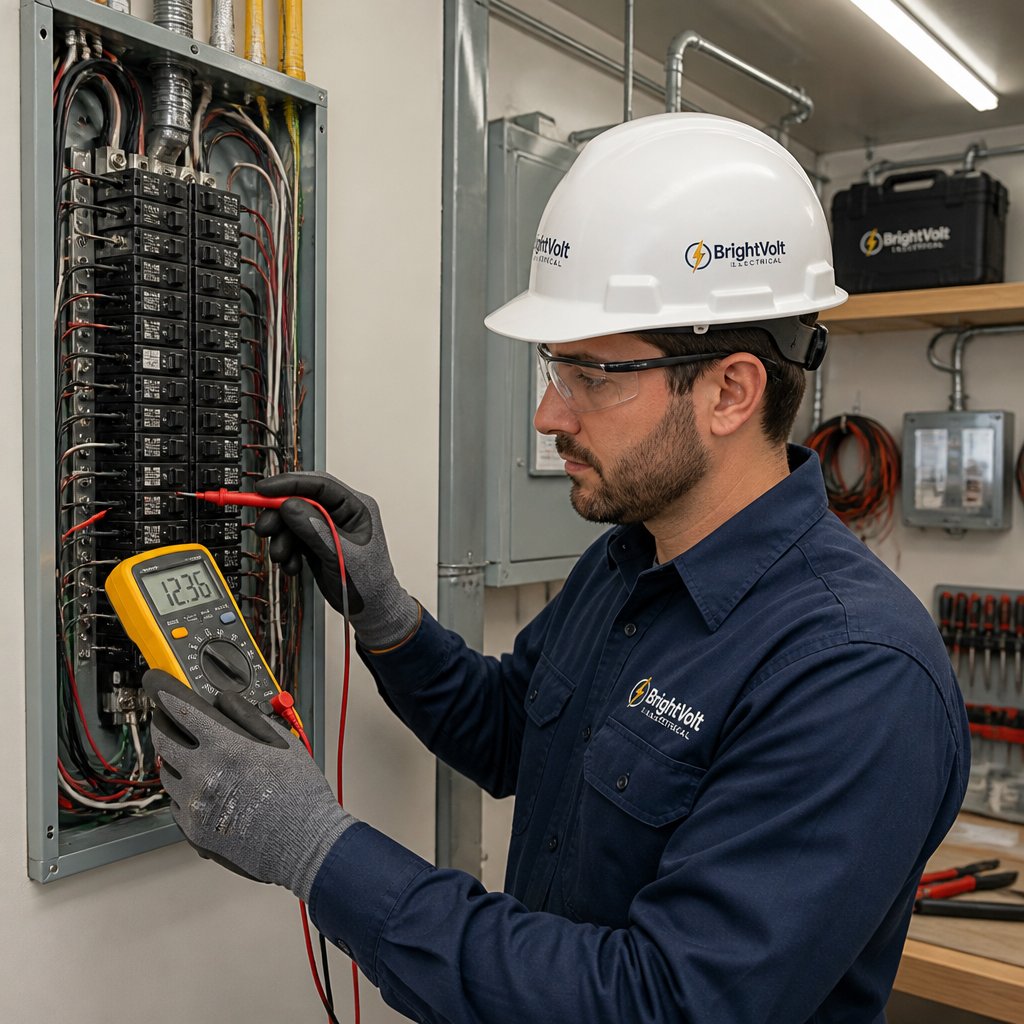
An outlet tester can confirm basic outlet function and catch wiring errors. A multimeter gives more detail, but only if you know how to use it safely and understand the readings. If you’re not sure, stop before you get in over your head.
Testing GFCI Outlets And Arc Fault Protection
GFCI outlets protect against shock in wet or risky areas. Arc fault circuit interrupters cut fire risk from dangerous arcing in living spaces. Test the buttons—if they don’t reset or trip like they should, that’s a warning sign.
Why Regular Electrical Inspections Matter
Regular electrical inspections catch aging parts, overloaded circuits, and hidden wear before they become emergencies. If you want long-term reliability, this is one of the easiest ways to protect your family and avoid surprise repairs. Routine inspections also help you plan upgrades before your system starts struggling.
When To Stop Troubleshooting And Call A Pro
Some issues are fine to observe, but not safe to fix yourself. If you’re dealing with heat, repeat tripping, burning smells, or hidden wiring, it’s time to call an electrician.
Can I Fix Electrical Problems Myself
You can probably reset a tripped breaker, swap a smoke alarm battery, or test a GFCI outlet. For anything involving wiring, the panel, repeated faults, or unknown causes, ask yourself—can I fix this without making things worse? If you’re not sure, it’s safer to call in a pro.
Situations That Need A Licensed Electrician Right Away
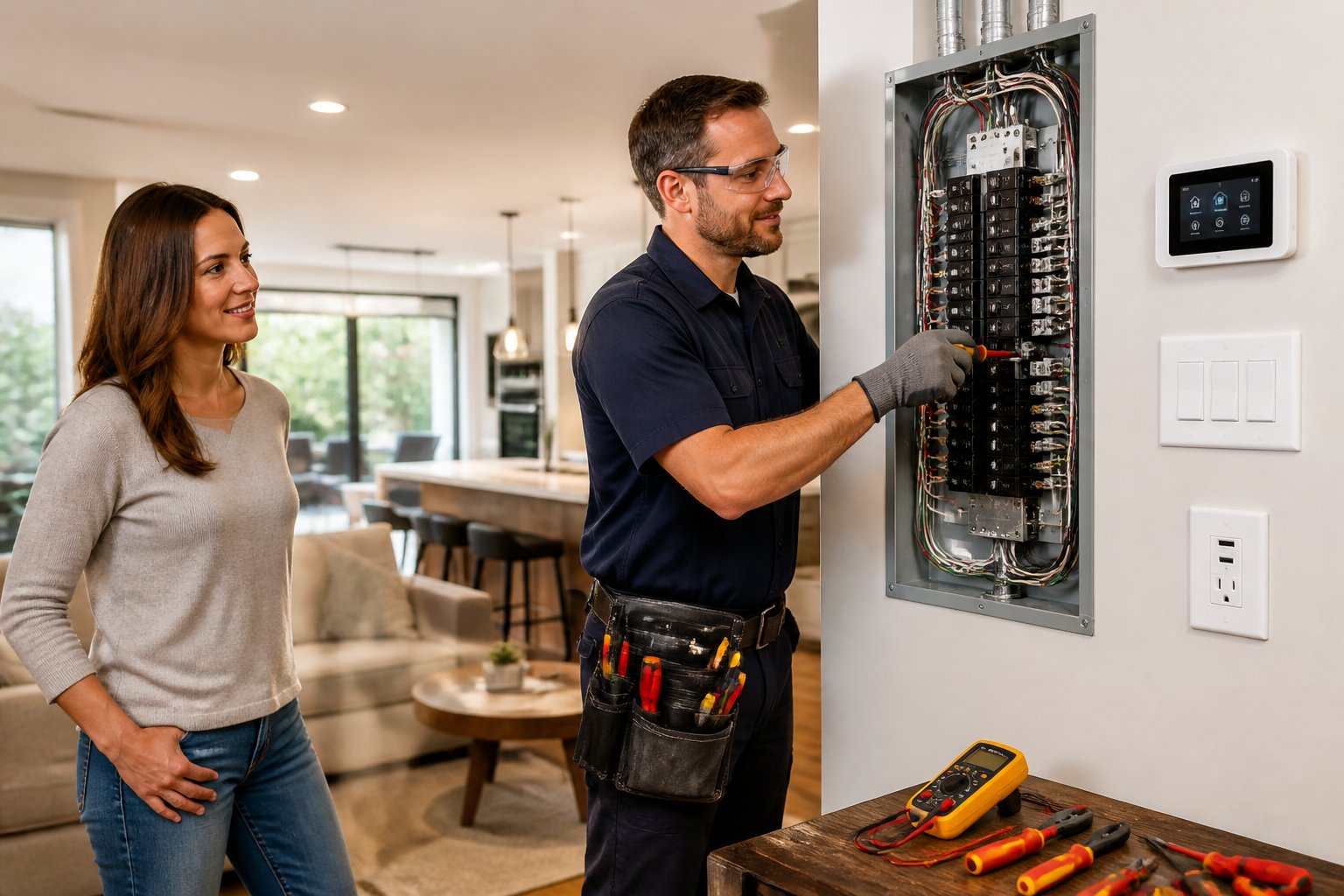
Call a licensed electrician right away if you notice burning smells, sparks, hot outlets, shocks, or a breaker that keeps tripping after resets. Same-day service really matters here, because waiting can turn a minor fix into a major hazard. AAA Electrical Services helps folks in Sacramento, Folsom, Fair Oaks, and nearby areas with fast, safety-first repairs.
What A Professional Electrician Will Check
A pro will look for loose connections, damaged devices, overloaded circuits, panel issues, and signs of heat or arcing. They’ll also figure out if the problem is just one outlet or part of something bigger. That kind of troubleshooting gives you real answers instead of guesswork.
Code, Safety Devices, And National Electrical Code Considerations
Repairs should always be checked against the national electrical code, especially with old wiring, added loads, or missing safety devices. A good inspection shows if your home needs more protection, new breakers, or better outlet coverage. Staying up to code isn’t just about rules—it’s about safety and reliability.
Preventive Upgrades That Reduce Future Risk
The best time to cut risk is before a problem keeps coming back. Smart upgrades boost safety, support new appliances, and help your home handle future needs without stressing the system.
Surge Protectors And Protection From Power Surges
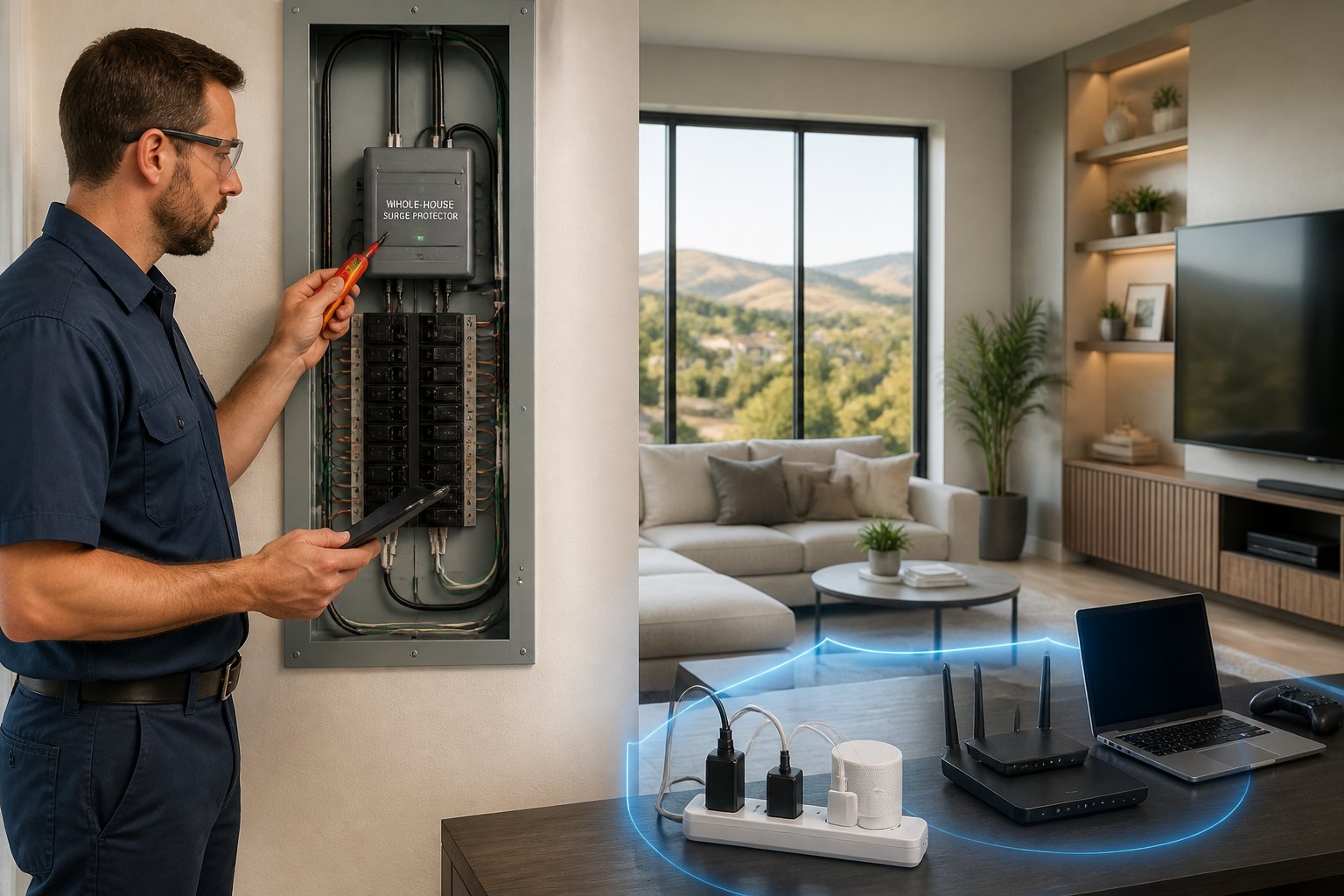
Surge protectors shield electronics from power surges from storms, utility issues, or big appliances turning on and off. Whole-home protection is extra useful if you rely on smart devices, computers, or entertainment gear. Layered protection beats a basic plug strip every time.
Panel Capacity, Modern Loads, And Future-Proof Planning
If you’re adding an EV charger, generator, solar, or more high-demand appliances, check your panel capacity. The main panel needs to handle current and future loads without constant strain. Thinking ahead helps you avoid repeat breaker trips and keeps things running smoothly.
Generator Readiness And Transfer Switch Safety
If you want backup power, make sure a transfer switch gets installed right so your generator works safely with your home’s system. Generator installation needs careful planning—unsafe connections can damage equipment or create backfeed hazards. Done right, you get comfort during outages and safer operation when the power’s out.
Scheduling Preventive Maintenance For Long-Term Reliability
Scheduling regular inspections and preventive maintenance catches wear early and keeps small issues from growing. It’s a smart way to protect your home in places like Citrus Heights, Rancho Cordova, Natomas, and Carmichael, where busy families count on reliable power. Preventive care gives you more peace of mind and fewer headaches.
Frequently Asked Questions
What are the most common warning signs that an electrical problem is starting in a home?
The most common warning signs are flickering lights, breaker trips, burning smells, hot outlets, and outlets that stop working. You might also hear buzzing, see discoloration, or notice devices that only work when you jiggle them.
Why do my lights flicker or dim, and when should I be concerned?
Lights can flicker or dim when a big appliance starts up, but if it keeps happening, it usually means loose wiring, an overloaded circuit, or a failing connection. If the same lights act up all the time or a whole room dims, get it checked.
What does a burning smell or warm outlets and switches usually indicate?
A burning smell almost always means something’s overheating—treat it as urgent. Warm outlets and switches can mean loose connections, worn parts, or too much current, and all of those need attention.
Are frequently tripping breakers or blowing fuses a sign of a bigger issue?
Yes, frequent breaker trips usually mean the circuit’s overloaded, damaged, or protecting you from a short or ground fault. If the same breaker keeps tripping after you reset it, don’t ignore it—find out why.
How can I tell if an outlet, plug, or extension cord is unsafe to use?
Stop using it if you see cracks, scorch marks, melted plastic, a loose fit, sparks, or if it feels hot. Any outlet or plug that smells burnt, looks discolored, or only works when you move it around should be replaced or checked out.
When should I call a licensed electrician instead of trying a quick fix myself?
If you notice heat, sparks, shocks, burning smells, breakers that keep tripping, or anything going on with hidden wiring, it's time to call a licensed electrician. Honestly, if you're even pausing to wonder, "Is this safe for me to handle?"—that's your cue to put down the screwdriver and call in someone who knows what they're doing.