Your home’s electrical system just hums along in the background, but honestly, your family’s safety leans on it every day. When breakers are outdated, undersized, or missing newer protections, you’re left with hidden risks—overheating, arc faults, ground faults, power surges. Any of those can fry your devices or even start a fire.
Modern breaker technology steps up home safety by catching electrical issues sooner, adding tougher circuit protection, and letting you take more control of your home’s power. That’s true whether you’re in an older Sacramento house, a busy Roseville neighborhood, or a remodeled spot in Elk Grove now packed with more gadgets and higher power needs.
A licensed electrician can help you sort out upgrades that fit your home, your panel, and your daily life. With the right mix of smart features, code-compliant protection, and a solid install, you’ll make your home safer and easier to manage.
Key Takeaways
- Modern breakers can spot problems faster.
- Upgraded panels help cut fire risk.
- Smart features mean more control and peace of mind.
What Modern Breakers Do For Home Safety
Modern breakers aren’t just there to kill the power when there’s a problem. They layer on more protection, give you a better view of what’s happening, and help you act before a small hiccup becomes a big headache.
How Smart Circuit Breakers Differ From Traditional Circuit Breakers
Traditional breakers mainly protect against overloads and shorts. Smart circuit breakers? They add monitoring, communication, and deeper fault detection so you actually know what’s going on behind the scenes.
Smart breakers can track circuit activity, flag weird behavior, and let you keep tabs on voltage and load in real time. That extra info is a lifesaver in homes with appliances, EV chargers, generators, and smart tech all pulling juice at once.
Core Protections: Overload, Ground Fault, Arc Fault, And Surge Risks
Modern breakers usually come with overload protection, ground fault protection, GFCI, and AFCI features to tackle different hazards. Overload protection keeps wires from overheating. GFCI and AFCI help cut shock and fire risks from ground faults and arcing.
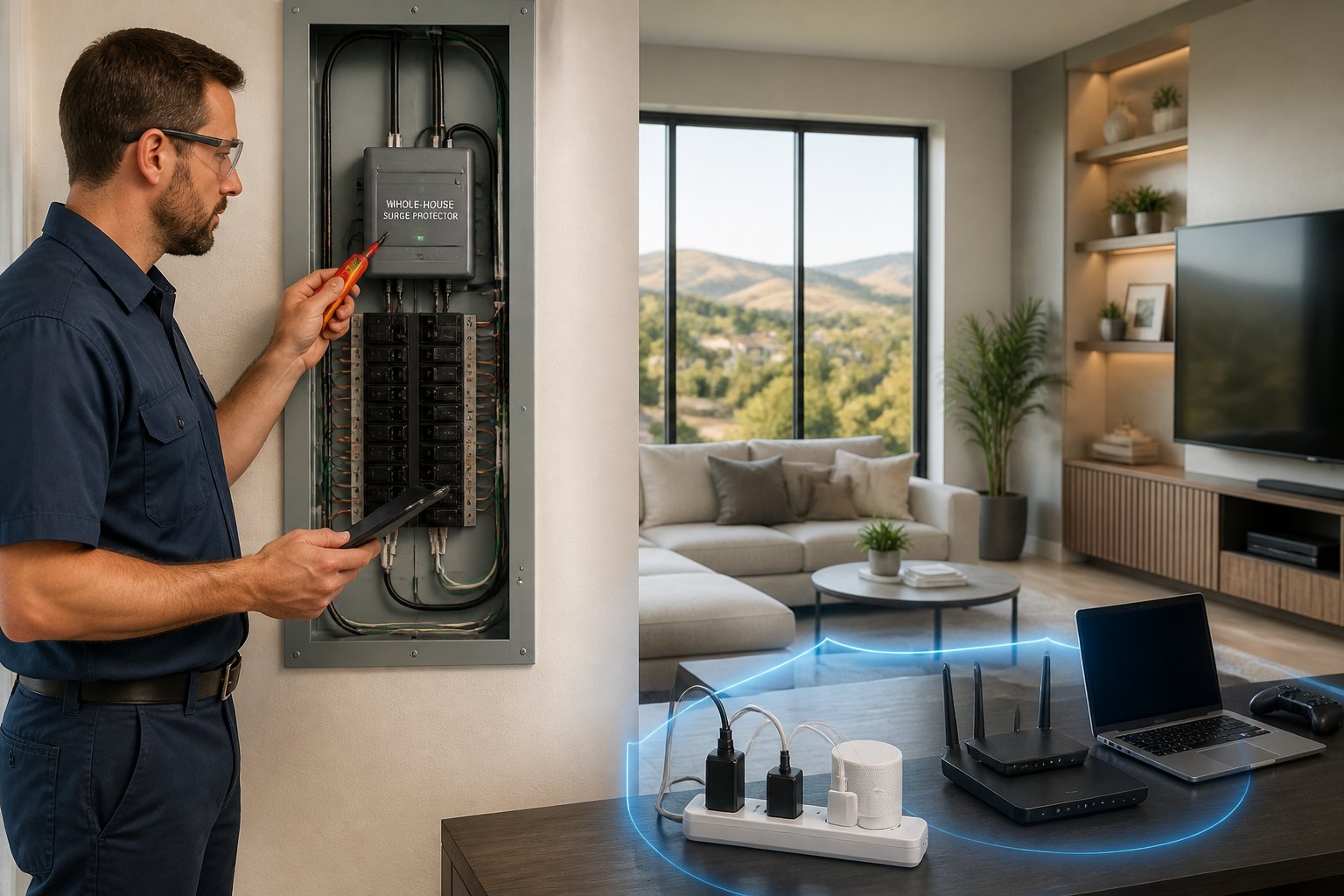
Surge protection matters too, especially with sensitive electronics. When these layers work together, your breaker system isn’t just tripping—it’s actually stopping electrical problems from spreading through your home.
Why Real-Time Monitoring Matters In Daily Home Use
Real-time monitoring shows you exactly how your circuits behave during normal life. If a breaker keeps tripping, voltage drifts, or a circuit acts up, you can catch it before it turns into a bigger repair.
This is a game-changer in busy homes—think laundry, kitchen gadgets, home office, chargers, all running at once. For folks who care about safety and reliability, that early warning is a real advantage.
Key Features That Improve Protection And Control
The biggest perks of modern breaker tech come from having more control and a clearer view of what’s happening. Features like remote monitoring, instant alerts, and load management help you act fast, protect your home, and use power smarter.
Remote Monitoring, Instant Alerts, And Real-Time Notifications
Remote monitoring lets you check circuits without cracking open the panel every time something seems off. Instant alerts and notifications tell you if a breaker trips, a circuit’s overloaded, or something’s not right.
That’s handy when you’re away or want an electrician to look things over before a service call. It speeds up troubleshooting and gives you more confidence that someone—or something—is keeping an eye on things.
Scheduling, Load Management, And Automated Energy Management
Scheduling and load management help you spread power use across the house. Some smart breaker systems use a microprocessor to automate energy management, balancing comfort, efficiency, and safety.
If you’re running high-demand appliances, this helps avoid stressing your system. It supports energy efficiency and demand response too, especially as homes add more devices or plan for upgrades.
Diagnostics And Predictive Maintenance For Early Problem Detection
Diagnostics and remote diagnostics can flag breaker issues before they become constant outages or fry your equipment. Predictive maintenance lets you fix worn parts, loose wires, or sketchy circuits before they get worse.
For folks in Sacramento, Folsom, and nearby, that means fewer surprises and a better shot at same-day service if something does go wrong. AAA Electrical Services leans on this approach to keep repairs fast, clear, and focused on long-term fixes.
Smart Panels, Integration, And Connected Home Benefits
A smart panel brings breaker-level control into your larger home system. That ties together safety, convenience, and energy planning in one spot.
How A Smart Panel Fits Into A Smart Home Ecosystem
A smart panel acts as the hub for your smart breakers and helps organize power for your whole house. It can make circuit-level data easier to manage alongside lighting, appliances, and security.
For anyone thinking about an electrical panel upgrade, this is a practical way to boost safety and flexibility. Smart panels also make it easier to plan for future needs—no more waiting until your panel is at its limit.
Smart Home Integration With Devices And Platforms
Smart home integration connects your panel with smart devices, automation features, and platforms like Apple HomeKit. That gives you more ways to monitor, shut off circuits, or automate power in different parts of your house.
Add occupancy sensors and you can cut wasted energy in empty rooms. If your home already runs on a smart ecosystem, a connected panel just makes everything feel more seamless and responsive.
Planning For Solar, Storage, And Future Energy Needs
Thinking about solar, battery storage, or renewables? A smart panel makes it easier to plan for distributed energy resources. It also helps you control loads as you add batteries, EV charging, or other tech.
Older panels just weren’t built for today’s demands. Upgrading to a modern panel gets your home ready for future growth and better energy management now.
When A Breaker Upgrade Makes Sense
You’ll want a breaker upgrade when your system starts showing its age—wear, strain, or constant tripping. The right move depends on your panel’s condition, your power needs, and how much flexibility you want for the future.
Warning Signs In Older Panels And Frequently Tripping Circuits
If your panel’s old, trips a lot, or can’t keep up with daily use, it’s probably time to think about new breakers or a bigger panel. Flickering lights, warm breaker covers, and constant resets are classic red flags.
Old load center gear struggles with modern appliances and efficiency goals. In Sacramento-area homes—especially those built ages ago—an inspection can help you decide if you need a single breaker swap or a full panel upgrade.
Matching Breakers To EV Chargers, Generators, And High-Demand Loads
High-demand gear like EV chargers and generators needs the right breakers and enough panel capacity. Sometimes a single-pole breaker or smart MCB is enough; other times, you’ll need bigger planning.
It all depends on how you use your house and how much space is left in your panel. If you’re adding charging, backup power, or heavy loads, think about efficiency and capacity right from the start.
Choosing Between A Single-Breaker Upgrade And Full Panel Work
Some homes just need a targeted breaker replacement. Others need a full panel upgrade for safety and performance. If the issue is isolated, a single breaker might fix it. But if you’re seeing problems across several circuits, the panel itself could be the culprit.
A licensed electrician can walk you through repair versus replacement based on your system’s shape. Honest advice makes it easier to pick a solution that’ll last, not just patch things up.
Installation, Code, And Safety Considerations
Breaker work isn’t a casual DIY project—it’s real safety work. Permits, code compliance, and brand compatibility all matter if you want a reliable, safe upgrade.
Why Professional Installation Matters More Than DIY Installation
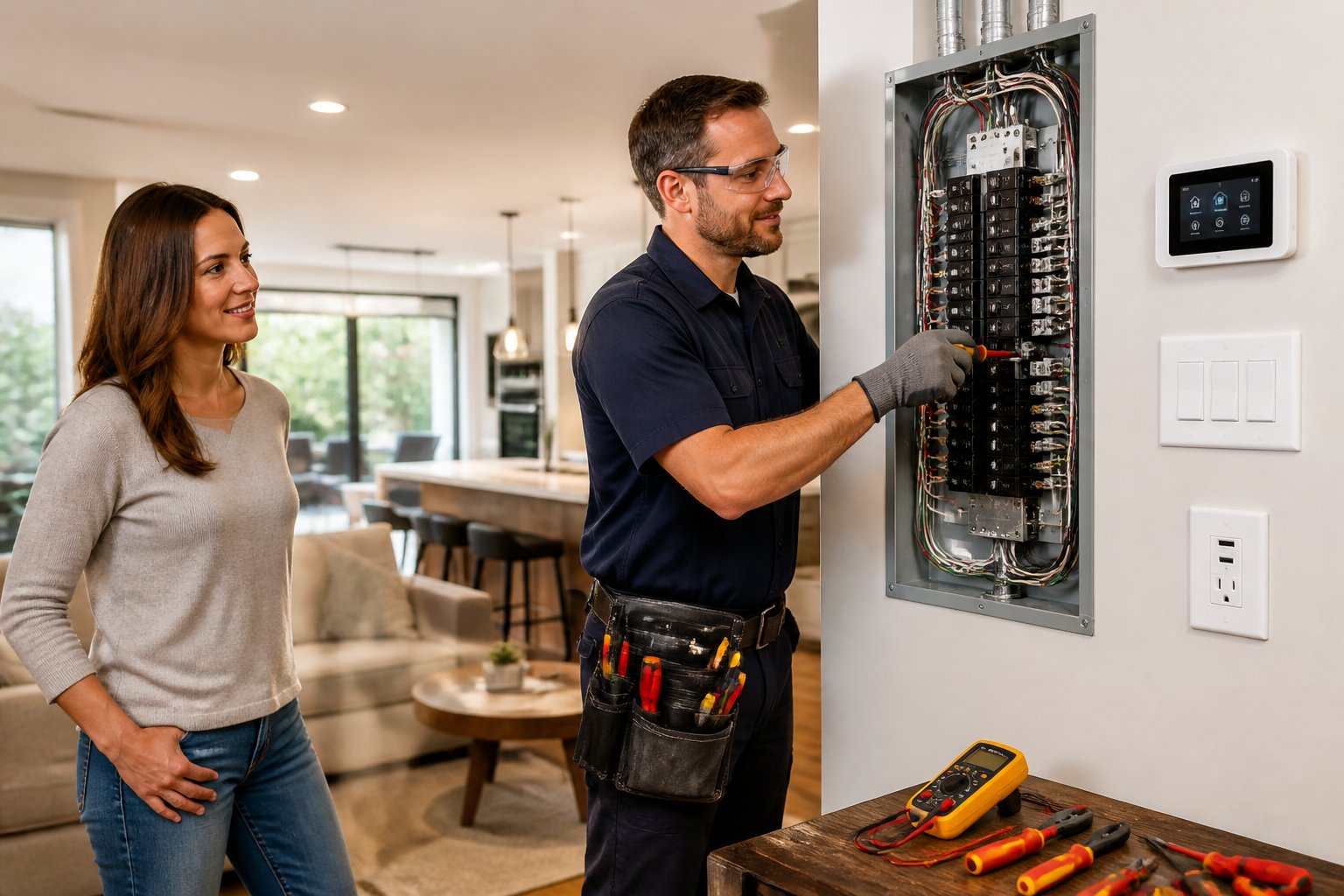
DIY installs can go sideways fast. One small slip inside a panel could mean shock, fire, or fried equipment. Licensed electricians know breaker installs, panel limits, and how to get the job done safely and cleanly.
Professional service also means quick repairs with stocked trucks and respectful techs who fix things right the first time. For you, that’s less chaos and better peace of mind.
Permits, Inspections, And National Electrical Code Basics
You’ll usually need permits for panel or breaker work—especially for bigger changes. The national electrical code (NEC) and local rules set the standards for safe installs and inspections.
Permits and inspections aren’t just red tape—they protect your family and make sure the work’s done right. Following the process keeps your upgrade reliable for years.
Compatibility, Ratings, And Brand-Specific Limitations
Breaker compatibility depends on your panel type, bus rating, and brand rules. For example, a GE smart breaker won’t fit every load center, even if the ratings look close.
Mixing the wrong breaker and panel can cause safety and code headaches. That’s why an electrician should double-check ratings, labels, and brand limits before starting any install.
How Homeowners Can Choose The Right Upgrade Path
The best upgrade path depends on your home’s age, electrical needs, and future plans. A thoughtful choice boosts safety now and keeps your place ready for whatever’s next.
Best Fit For Older Homes, Remodels, And Safety-First Upgrades
Older homes get a lot out of smart panels or breakers, especially when you want better monitoring and safer control. Remodels are also a good time to check if your panel can handle new appliances, lighting, or added circuits.
If safety’s your main worry, start with an inspection and focus on the biggest risks first. In places like Carmichael, Natomas, and Fair Oaks, that’s especially helpful if your home’s seen years of add-ons and patch jobs.
What To Ask An Electrician Before Approving Work
Ask if your panel has enough capacity, if remote monitoring is an option, and if the work supports future energy needs. Also, get clear on flat-rate pricing, same-day service, and whether the tech will explain things in plain English.
It’s smart to ask how the upgrade affects safety, surge protection, and any plans for EV or solar. Honest answers help you make a solid choice without being rushed.
The Future Of Smart Circuit Breakers For Residential Safety
Smart circuit breakers are heading toward more visibility, better control, and tighter integration with home energy systems. As homes add more gadgets and distributed energy, smart breakers and panels will only get more valuable.
That shift helps you protect your family and manage power more efficiently. For a lot of households, it’s not just about convenience—it’s about safer living and more predictable performance in the long run.
Frequently Asked Questions
What are the main signs my home’s electrical panel and breakers need an upgrade?
Frequent breaker trips, flickering lights, buzzing, warm panel surfaces, and trouble adding new circuits are all classic signs. If your home’s older or your power needs have grown with new appliances or EV charging, an inspection can show if it’s time for an upgrade.
How do smart circuit breakers help detect and prevent electrical fires?
Smart breakers monitor current, spot abnormal patterns, and alert you if a circuit acts up. That early warning helps cut the risk of overheating, arcing, or overloads turning into a fire.
What’s the difference between AFCI and GFCI protection, and where should each be used?
AFCI helps cut fire risk from dangerous arcing. GFCI helps prevent shock from ground faults. AFCI is usually for living spaces and bedrooms. GFCI is for kitchens, bathrooms, garages, laundry areas, and outside.
Can modern breakers protect sensitive electronics from power surges and voltage issues?
Modern breakers help with some power quality problems, and a lot of systems now come with surge protection built in. Still, if you’ve got sensitive electronics, you might want to add whole-home surge protection and make sure your panel’s in good shape to keep voltage steady.
How can I tell if my home is compatible with newer breaker and panel technologies?
It really comes down to your current panel’s brand, age, how much space and load it can handle, and what shape your wiring’s in. The best move? Ask a licensed electrician to check things out—they’ll let you know if you’re good to go with a smart panel, just need a breaker swap, or if it’s time for a full panel upgrade.
When should I call a licensed electrician versus troubleshooting a tripping breaker myself?
If a breaker trips just once because you plugged in too many things, you can usually reset it after unplugging a few devices. But if it keeps tripping, feels unusually hot, smells burnt, or just refuses to reset, it’s time to call a licensed electrician. Don’t try to force it—let a pro figure out what’s really going on.