Storms can leave behind electrical damage that’s easy to miss. Maybe your lights come back on, your outlets look fine, and the breakers seem quiet. But issues can still lurk inside walls, panels, devices, and outdoor connections.
The real danger? Storm-related electrical problems often show up later as fire or shock hazards, or just keep causing equipment to fail. So, even when things look okay, a careful check is worth it.
Around Sacramento, Roseville, Elk Grove, Folsom, and nearby spots, heavy rain, lightning, wind, and power outages all hit your system differently. If you call a licensed electrician quickly, you’re protecting your family, your appliances, and, honestly, your sanity.
Key Takeaways
- Storm damage can hide for days.
- Surge and moisture issues can spread.
- Early inspection can head off bigger repairs.
The Most Common Hidden Causes Inside A Home Electrical System
Inside your home, storm damage usually starts with a sudden electrical event and then creeps through wiring, outlets, and devices. You might not notice anything right away, especially if power returns and everything seems to work.
Power Surges During Lightning And Power Restoration
A power surge can hit when lightning strikes nearby or when the utility restores power after an outage. That spike stresses wiring, breakers, and electronics—even if it’s just for a split second. Over time, power surges can wear out your system, so checking things after a storm really matters.
Water Intrusion In Outlets, Wiring, And Panels
Heavy rain, leaky roofs, or flooding can let water sneak into outlets, junction boxes, wiring, and the panel. Water and electricity? Bad combo. Hidden moisture can cause corrosion, arcing, or breaker problems later on. Sometimes, even a little water turns into a bigger safety issue after things dry out.
Overloaded Circuits When Power Returns
When power comes back, everything in the house kicks on at once. Refrigerators, HVAC, sump pumps, lights, electronics—all pulling power together can overload old circuits. That strain often exposes damage left behind by the storm.
Damage To Appliances And Sensitive Electronics
Appliances and sensitive electronics are usually first to show signs of trouble. A surge might not fry them instantly, but it can shorten their lifespan or cause weird glitches later. If lots of devices start acting up, the root cause might be deeper in your system than you think.
How Storm Damage Can Start Outside And Spread Inward
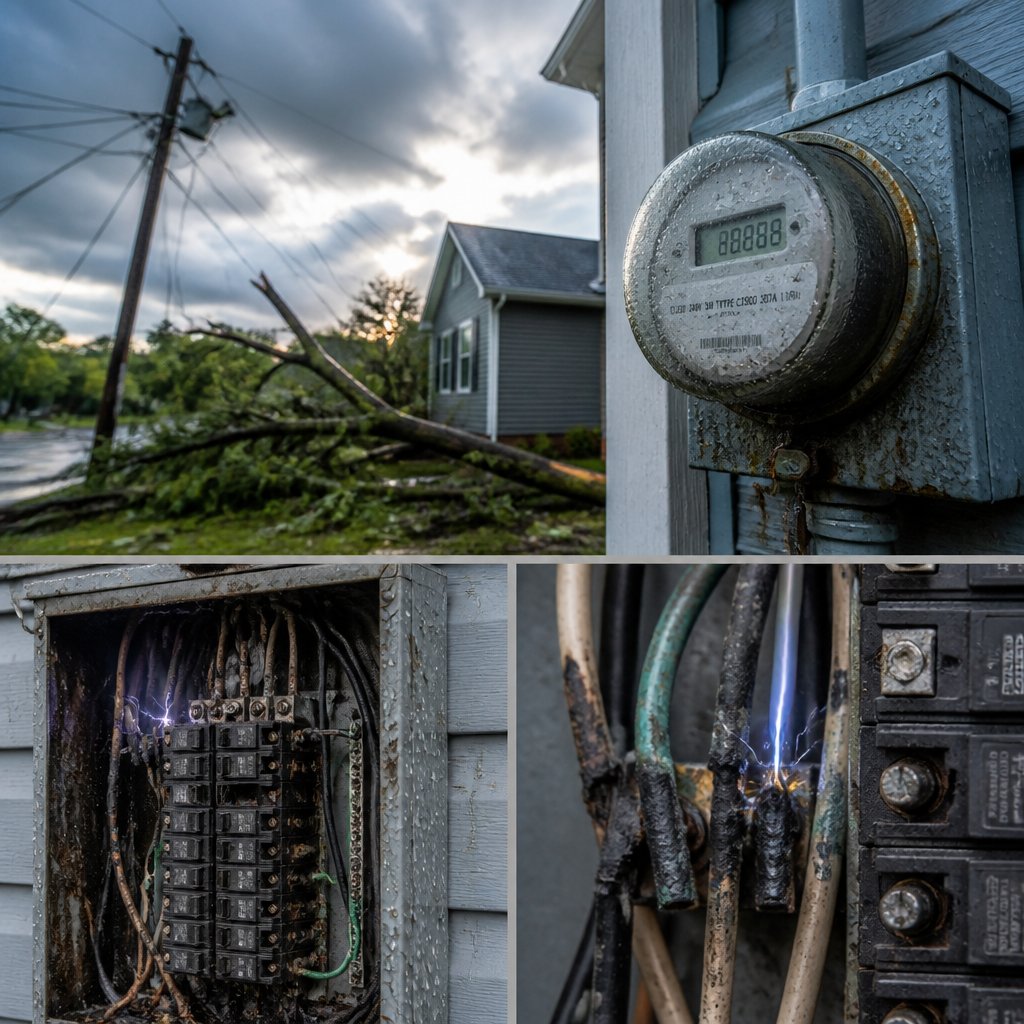
Storm damage often begins at the service point or on exterior gear before working its way inside. Damaged service lines, downed power lines, and wet outdoor circuits can send problems right into your home’s electrical system.
Damaged Service Lines And Meter Components
Strong winds, falling branches, or flying debris can mess up service lines or meter equipment. If those parts get hit, you might get unstable power or lose power in parts of the house. Watch for partial outages, odd voltage swings, or repeated breaker trips.
Downed Power Lines And Utility-Side Problems
Downed power lines are seriously dangerous—don’t even think about going near them. Even if the problem’s on the utility side, it can still reach your home through surges or interruptions when power comes back. After the storm, hidden stress might linger in the panel, wiring, or appliances.
Outdoor Circuits, Exterior Receptacles, And Weather Exposure
Exterior outlets, patio plugs, landscape lighting, garage circuits, and anything else exposed to weather usually take the first hit from moisture. These spots can corrode, short out, or cause problems indoors if damage spreads through shared circuits. In places like Natomas, Carmichael, or Fair Oaks, you’ll want to check these areas after heavy rain or wind-driven moisture.
Warning Signs That Point To Hidden Trouble
Some warning signs are subtle, others are hard to ignore. Flickering lights, repeated breaker trips, and GFCI issues after rain can all mean you’ve got storm damage that needs attention.
Flickering Lights And Partial Loss Of Power
If your lights flicker, dim, or you lose power in only part of the house, it’s probably more than just a utility glitch. That pattern can mean loose wiring, damaged connections, or a stressed circuit. If it hits more than one room, the panel or service gear might need a look.
Tripped Breakers And Breakers That Will Not Reset
Tripped breakers are a big red flag. If a breaker keeps tripping or won’t reset, it could be reacting to a fault, moisture, or overload from storm damage. Resetting it over and over can actually make things worse and hide the real issue.
Warm Outlets, Burning Smells, And Buzzing Sounds
Warm outlets, a burning smell, or buzzing noises are never good news. These can mean arcing, damaged insulation, or loose connections inside the wall or device box. If you spot them, stop using the circuit and call for help.
GFCI Outlets That Keep Tripping After Rain
GFCI outlets are built to protect wet areas, so if they keep tripping after rain, pay attention. Moisture might have gotten into the outlet, the box, or a connected outdoor circuit. If the same outlet trips after every storm, you probably need a pro to check it out.
What Homeowners Should Do Right After A Storm
First priority after a storm? Stay safe and don’t make things worse. A quick visual check, smart choices about unsafe circuits, and a fast call for help can really lower your risk.
What To Check From A Safe Distance
Look for obvious hazards: downed power lines, standing water near electrical gear, busted meter boxes, or sparks. Inside, check if lights, outlets, appliances, and the panel seem normal. Don’t touch anything wet or damaged, and stay away from outdoor gear if it’s unsafe.
When To Shut Off Power And Stop Using A Circuit
If you smell burning, hear buzzing, see smoke, or notice heat coming from an outlet or panel, stop using that circuit. If water’s reached any electrical gear, you might need to shut off power—if you can do it safely. Not sure? Leave it alone and wait for a pro.
Why You Should Call A Licensed Electrician
A licensed electrician can find damage you can’t see and help you avoid shock or fire risks. At AAA Electrical Services, people often want same-day service, clear answers, and repairs from techs who are clean, respectful, and show up with the right tools. That kind of help saves time and brings back some peace of mind.
How Electricians Find Damage You Cannot See
Hidden storm damage usually takes testing—not guesswork—to uncover. A pro inspection can spot trouble in the panel, on outdoor gear, and inside circuits that look fine at first.
Testing Panels, Breakers, And Affected Circuits
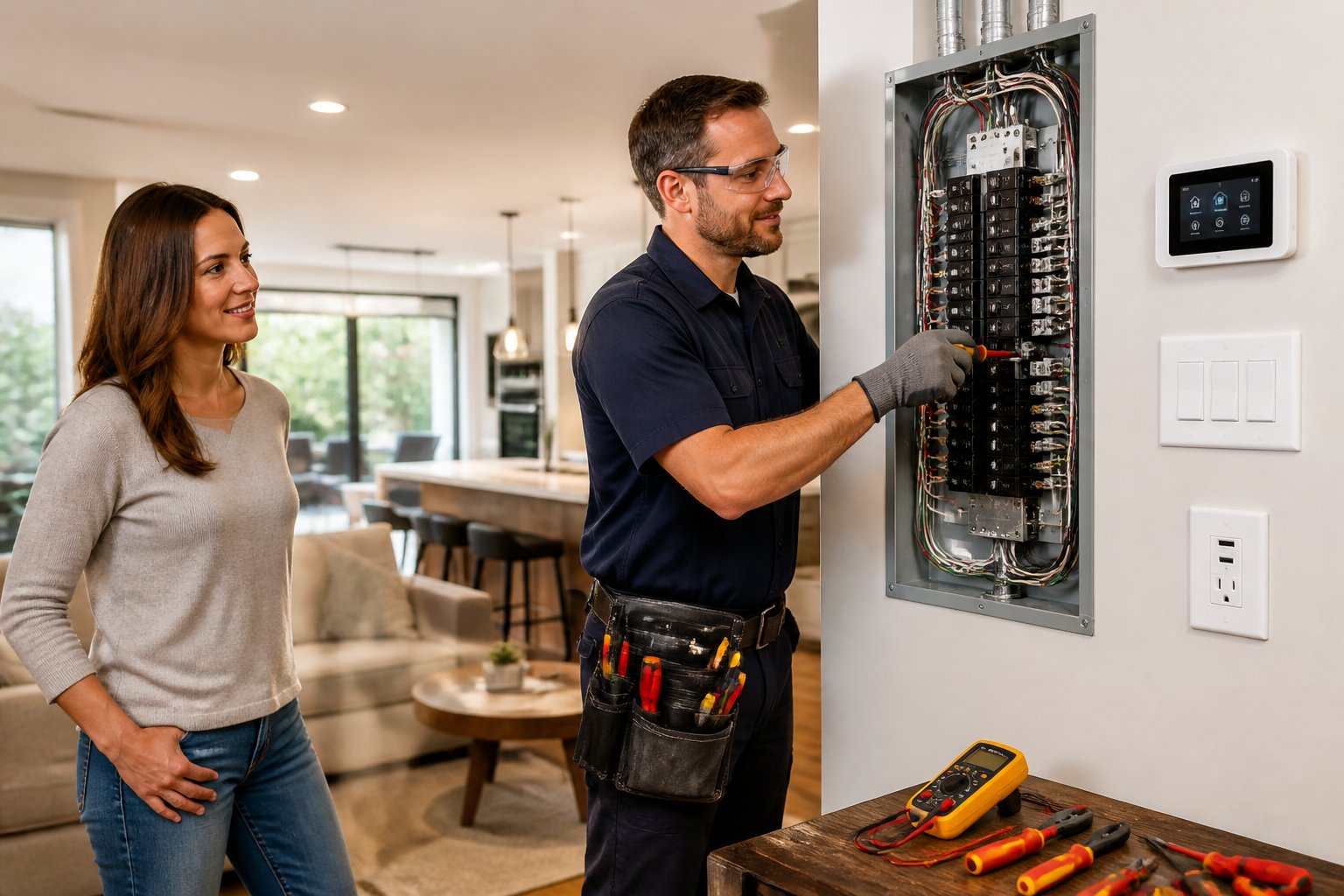
Electricians check breakers, bus connections, voltage, and how circuits behave to find weak spots. A breaker might look okay but still be damaged inside or at the connection. Careful testing can catch issues before they turn into bigger outages or safety hazards.
Checking Outdoor Equipment And Wet-Area Devices
Outdoor outlets, garage gear, laundry areas, bathrooms, and other damp spots need extra attention after storms. These places are more likely to trap moisture or show early corrosion. A pro can confirm if the equipment’s safe to keep using.
Documenting Damage For Repairs And Insurance
Good documentation helps with repair decisions and insurance claims. Photos, test results, and notes make it easier to track what went wrong. That way, you can plan repairs confidently and avoid repeat problems.
Ways To Reduce Risk Before The Next Storm
The best prep happens before the next storm shows up. A few targeted upgrades and some basic maintenance go a long way to protect your appliances, wiring, and home systems.
Install Surge Protectors For Better Equipment Protection
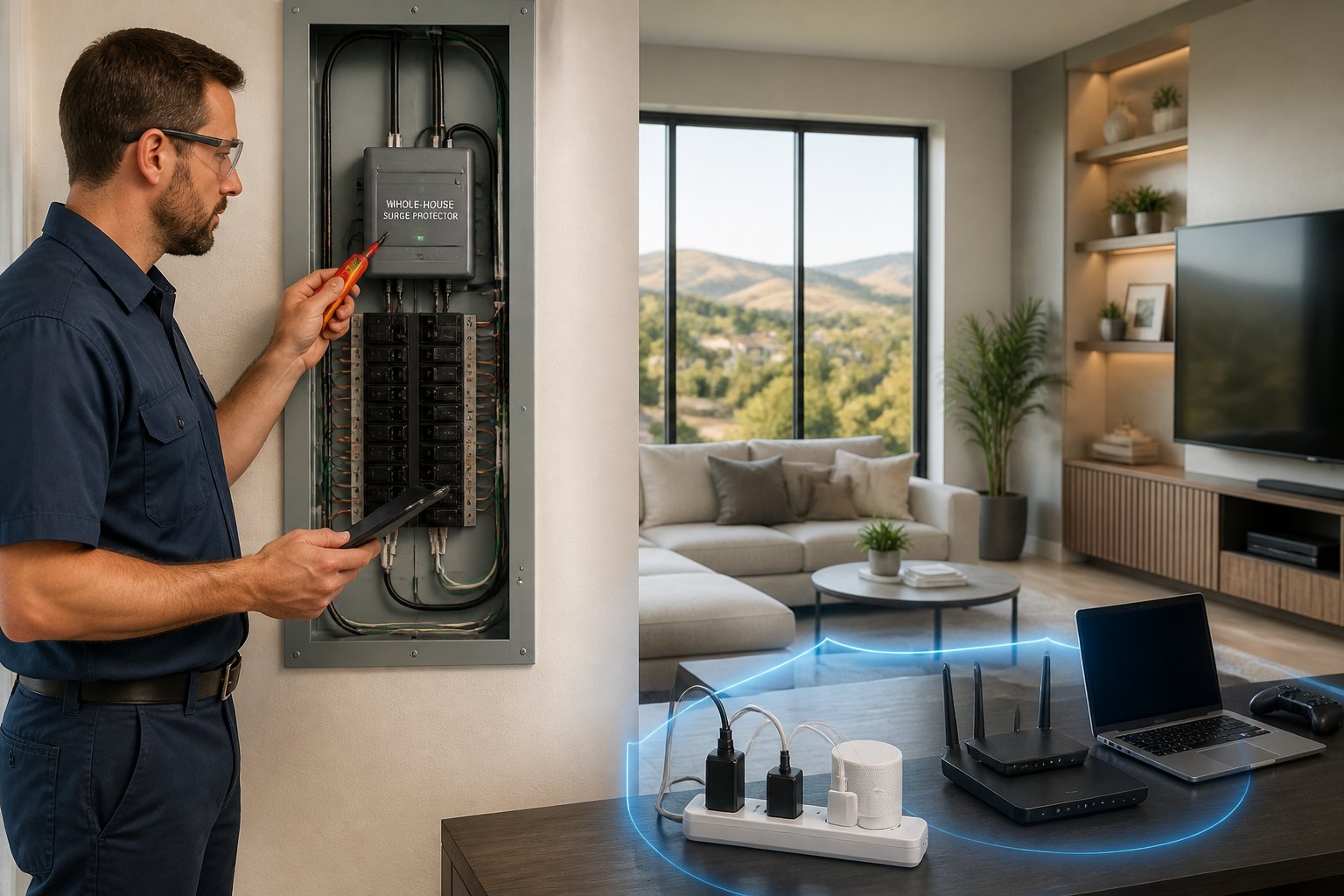
Whole-home surge protection and point-of-use surge protectors help blunt voltage spikes. They won’t stop every problem, but they can save electronics, appliances, and sensitive systems. If you’re adding surge protection, make sure it matches your home’s electrical setup.
Upgrade GFCI Protection In Vulnerable Areas
GFCI protection is vital in bathrooms, kitchens, garages, laundry rooms, crawl spaces, and outdoors. Upgrading here cuts shock risk when moisture shows up. It’s a smart move, especially in flood-prone or weather-beaten parts of the Sacramento area.
Elevate Electrical Components In Flood-Prone Spaces
If you’ve got low-lying electrical gear, raising it up helps reduce flood risk. Panels, outlets, switches, and appliance connections might need to be moved or protected in some spaces. In towns like Elk Grove, Lincoln, or Woodland, planning ahead can really pay off during heavy rain.
Plan Preventive Repairs For Long-Term Reliability
Small issues are easier to fix before another storm. Loose wires, old breakers, worn outlets, and undersized circuits can all become bigger headaches in bad weather. Preventive repairs help keep your home ready for storms, EV chargers, generators, or any upgrades down the road.
Frequently Asked Questions
How can I tell if my home experienced a power surge or a lightning strike during the storm?
You might see several devices fail at once, lights flicker, or electronics act odd after a storm. You don’t need a direct hit—nearby lightning or utility events can send surges into your home.
What are the most common signs of electrical damage that isn’t obvious right after a storm?
Flickering lights, tripped breakers, warm outlets, buzzing noises, and GFCI outlets that keep tripping are common hints. Some issues don’t show up until you use the system heavily again, so getting a pro inspection is wise.
Why might my electricity go out or start acting up days after the storm has passed?
Moisture, loose connections, and weakened parts can take time to fail. A circuit might work at first, then break down after it dries, cools, or carries a normal load again.
Can nearby lightning (without a direct hit) still damage wiring, outlets, or appliances?
Absolutely. Nearby lightning can send a surge through utility lines and into your system. That indirect hit can damage wiring, appliances, and sensitive electronics even if your house wasn’t struck directly.
How can storm surge or flooding affect a home’s electrical system even after the water is gone?
Floodwater can leave corrosion, debris, and hidden moisture inside outlets, panels, and junction boxes. After the water recedes, leftover damage can still create shock, fire, or breaker problems down the line.
Which home devices are most likely to be damaged by storm-related surges and voltage spikes?
Televisions, computers, routers, smart gadgets, refrigerators, HVAC controls, garage door openers—honestly, most electronics with circuit boards or digital controls can take a hit when a surge rolls through. If it plugs in and does something smart, it's probably at risk.