A faulty outlet can disrupt your day, but warning signs like heat, buzzing, sparks, or a burning smell deserve more than a quick fix. Knowing the cost to replace electrical outlet can help you plan, but the final price depends on the cause of the problem. A straightforward replacement may fall within a general range of $80 to $200, while damaged wiring, a hard-to-reach location, or a specialty outlet can add work. If you’re in the Sacramento area, an electrician can check the receptacle and circuit, then explain the recommended repair and its price before work begins. Learn what affects the cost and when to call for help.
Key Takeaways
- Treat cost ranges as a starting point: Outlet type, wiring condition, accessibility, and service fees all affect the final price, so request an estimate for your home.
- Act on outlet warning signs: Stop using an outlet that feels hot, sparks repeatedly, buzzes, looks discolored, or smells like burning, then contact a licensed electrician.
- Clarify the full scope before approving work: Ask what the quote includes, whether permits or repairs may add costs, and if handling several outlets in one visit changes the total.
What Does It Cost to Replace an Electrical Outlet?
Outlet replacement costs depend on the outlet type, wiring condition, and work involved. These estimates can help you plan, but an electrician can give you a quote based on your home and the specific repair.
Typical Cost to Replace an Outlet
Replacing an existing standard outlet typically costs $80 to $200, including parts and labor, according to HomeServe’s outlet cost guide. This is a general estimate, not a guaranteed price for Sacramento. Your final cost may vary based on the outlet, the electrician’s service minimum, and whether the electrical box or wiring needs repair.
A simple replacement in an accessible location may involve less work than replacing a specialty outlet or addressing damaged wiring. When comparing estimates, check whether each one includes labor, materials, and any service-call fee. An electrician can inspect the outlet and explain the work needed before providing a quote.
Parts, Labor, and Service-Call Fees
Your total may include the outlet, labor, and a minimum fee for the service visit. HomeServe reports electrician labor rates of about $50 to $130 per hour. A typical minimum service-call fee may range from $125 to $225, according to DoorstepHQ’s outlet and switch pricing overview. These figures vary by provider and location.
Hourly labor and a service minimum may not be separate charges that are added together. Ask how the estimate is calculated, and confirm the total before work begins. If the electrician finds a loose connection, worn wiring, or another issue, ask what needs repair and how it changes the price. AAA Electrical Services provides residential electrical services with clear upfront pricing.
Replace an Outlet or Install a New One?
Replacing an outlet typically uses the existing electrical box and wiring. If both are in good condition, the job may be relatively straightforward. Installing an outlet in a new location can cost more because the electrician may need to add a box, run wiring, and connect it to a suitable circuit.
Access can also affect the price. An easy-to-reach location may take less labor than one that requires opening a wall or working in a ceiling. If you’re planning to add outlets during a renovation, ask an electrician to assess the wiring route and whether the circuit can safely support the added demand. Best Pick Reports explains how outlet location and accessibility can affect installation costs.
What Affects Outlet Replacement Costs?
A simple outlet replacement may involve little more than installing a new receptacle in place of an existing one. The price can rise if you need a different outlet type, the wiring needs repair, or the work requires changes to a circuit. Access, permit requirements, and the number of outlets included in the visit can also affect the estimate.
For Sacramento homeowners, ask the electrician to explain what the quote includes before work begins. A clear estimate should distinguish the cost of the outlet itself from labor and any additional work needed to make the installation safe and code-compliant. These are the main factors that can shape your total.
Outlet Type, Rating, and Features
A standard outlet usually costs less to replace than a specialty model. GFCI outlets, USB outlets, and smart outlets can cost more because the devices themselves are more expensive and may take additional work to install. One contractor estimates specialty outlets and switches at $100 to $250 installed, though prices vary by location and project. Integra Electrical shares typical pricing for these options.
The outlet’s voltage and amperage rating matter, too. A 240-volt outlet may require heavier wiring or a dedicated circuit, especially if you’re adding a new connection for an appliance or EV charger. Best Pick Reports explains that the distance from the panel and the complexity of the wiring can affect installation costs. An electrician can confirm what your home and intended use require.
Labor Rates in the Sacramento Area
Labor costs depend on how long the work takes and what the electrician needs to do. Replacing an accessible outlet is typically more straightforward than diagnosing intermittent power, repairing wiring, or modifying a circuit. Contractors may also have minimum visit charges, so the cost of a short repair may not reflect labor time alone.
As a general benchmark, HomeServe reports labor rates of $50 to $130 per hour. This is not a specific rate for Sacramento, and actual quotes depend on the contractor and job details. When you request an estimate, ask whether it includes the visit, labor, and parts, and whether additional repairs would be priced separately. AAA Electrical Services offers upfront pricing, so you can review the proposed work before it begins.
Outlet Location, Access, and Wiring Condition
An outlet that’s easy to reach and connected to sound wiring is generally simpler to replace than one in a cramped or hard-to-access area. The electrician may need extra time if the outlet is behind built-in furniture, inside a finished space, or requires new wiring to be run through a wall. Best Pick Reports notes that accessibility can affect installation costs.
The condition of the wiring can also change the scope of the job. Loose, damaged, or outdated wiring may need repair before a new outlet can be installed safely. That work adds to the cost, but it can address the underlying cause of problems such as a loose plug or intermittent power. If an outlet feels hot, sparks, or shows discoloration, stop using it and arrange an inspection.
Permits, Code Requirements, and Extra Repairs
A like-for-like replacement may have different requirements from adding a new outlet or changing a circuit. Whether a permit is needed depends on the project and local rules, so ask your electrician to confirm the requirements and include any permit fees in the estimate. As a general reference, HomeGuide lists permit costs of $50 to $350 when permits are required. Fees vary by location and scope of work.
An inspection may also uncover a need for circuit or panel work, particularly if you’re adding a high-demand appliance or the existing system can’t support the planned load. Ask the electrician to explain which repairs are necessary for safety or code compliance and which upgrades are optional. If panel work is recommended, review AAA Electrical Services’ panel options and discuss how the proposed work affects the total quote.
Cost to Replace Multiple Outlets at Once
Replacing several outlets during one visit may lower the average cost per outlet compared with scheduling separate appointments. The electrician can handle the work in one trip, which may reduce repeated service-call charges and setup time. One contractor estimates that replacing multiple outlets or switches together can save $20 to $40 per item compared with separate visits. Integra Electrical provides this estimate, but actual savings depend on the home, outlet locations, and any repairs needed.
Before requesting a quote, list the outlets you want replaced and note their locations and symptoms, such as loose plugs, sparking, or loss of power. Ask whether the estimate covers all the listed outlets and how the price would change if the electrician finds damaged wiring. Comparing the cost of one combined visit with separate appointments can help you decide which approach makes sense.
How Do Outlet Types Compare in Cost?
Outlet prices vary by type, but the device is only one part of the total. Labor, wiring condition, access, and any needed circuit work can affect the final estimate. These figures are general price ranges, not a quote for a particular home. A licensed electrician can inspect the outlet and recommend an option that suits your needs and meets applicable code.
Standard Outlets
Replacing an existing standard outlet typically costs about $80 to $200, including labor and materials, according to HomeServe’s outlet cost guide. The job may cost less when the outlet is easy to reach and the wiring is in good condition. Damaged wires, loose connections, or a worn outlet box can add time and repair costs.
Before replacing a standard outlet, consider what you plug into it and where it is located. The outlet’s rating needs to match the circuit and intended use. If the existing outlet feels loose, shows discoloration, or does not hold plugs securely, ask an electrician to inspect it rather than simply installing a new device. A professional can check for underlying issues and confirm whether a standard outlet is appropriate.
GFCI and AFCI Outlets
GFCI outlets help protect against electric shock in areas where moisture may be present, including kitchens, bathrooms, garages, and outdoor spaces. Replacing one typically costs $90 to $200, including labor and materials, according to HomeGuide’s GFCI cost guide. The total can vary based on access, wiring condition, and whether the electrician needs to troubleshoot the circuit.
AFCI protection helps reduce fire risk from certain electrical arcs. It may be provided by an outlet or a circuit breaker, so the cost depends on the setup and the work required. Requirements for GFCI and AFCI protection vary by location and applicable code. An electrician can check the circuit and confirm which type of protection is appropriate for the outlet’s location.
USB and Smart Outlets
USB outlets combine standard receptacles with built-in USB ports, offering a convenient way to charge compatible devices. Installation typically costs about $150 to $340, according to Best Pick Reports’ outlet cost overview. The price depends on the outlet model and installation conditions. Check the product specifications to make sure its charging capacity fits your needs.
Smart outlets may offer app controls, scheduling, or integration with a home automation system. The outlet itself can cost $25 to $50 more than a standard model, though installation affects the total. Before purchasing one, check its compatibility with your home’s wiring and smart-home setup. An electrician can verify the circuit and install the outlet safely.
When Upgrades Require Wiring or Circuit Work
Replacing an outlet can become a larger project if the wiring is damaged, the circuit is overloaded, or the new outlet needs a different electrical setup. Installing an outlet in a new location may require running wire, making wall openings, or adding a dedicated circuit. These tasks can increase labor and materials costs.
If the electrical panel needs an upgrade to support additional demand, the project may cost another $1,000 to $2,000, according to Best Pick Reports. Ask your electrician to list outlet replacement separately from any recommended wiring or panel work. This helps you understand what the project includes and why each repair may be needed. For panel concerns, AAA Electrical Services can assess your electrical panel and explain the available next steps.
When Should You Replace an Electrical Outlet?
An outlet may need replacement if it no longer holds plugs securely or shows signs of damage. Some problems come from normal wear, while others can point to overheating or a wiring issue. Pay attention to changes in how an outlet looks, feels, or sounds, and stop using it if you notice a warning sign.
Look for Loose Plugs, Heat, or Discoloration
If a plug slips out easily or falls from the outlet, the receptacle’s internal contacts may be worn. A loose connection can cause unreliable power and heat, so don’t keep using the outlet or try to tighten it yourself.
Check for dark marks, melted plastic, cracks, or a faceplate that feels warm. Discoloration or heat can signal damage inside the outlet or wall. Avoid touching an outlet that feels hot, and don’t remove its cover. HomeGuide identifies loose plugs, heat, and discoloration as signs an outlet may need repair or replacement. Ask a qualified electrician to inspect the outlet and determine what work is needed.
Watch for Buzzing, Sparks, or Burning Smells
An outlet shouldn’t buzz, crackle, or produce repeated sparks during normal use. A brief spark can sometimes happen when plugging in an appliance that is switched on, but large or repeated sparks, especially when nothing is being plugged in, need attention. A burning or hot-plastic smell is another reason to stop using the outlet.
These symptoms can point to a loose connection, damaged components, or overheating. Don’t remove the faceplate or attempt a repair. If you see smoke or flames, move away and contact emergency services. For other warning signs, arrange an inspection promptly. AAA Electrical Services offers residential electrical repairs in the Sacramento area.
Stop Using the Outlet and Call an Electrician
If an outlet is hot, discolored, buzzing, sparking, or smells like it is burning, stop using it. Don’t plug in another device to test it, cover the outlet, or repeatedly reset a tripped breaker. Unplug connected devices only if you can do so safely.
If you can reach the correct breaker without going near smoke, flames, or exposed wiring, turn off the circuit. Otherwise, keep away and call for help. A licensed electrician can inspect the outlet and wiring, identify the cause, and determine whether the receptacle or other parts of the circuit need repair. If you’ve noticed problems with several outlets, mention them when scheduling so they can be assessed during the same visit.
Can You Replace an Electrical Outlet Safely?
Turn Off the Breaker and Verify the Power Is Off
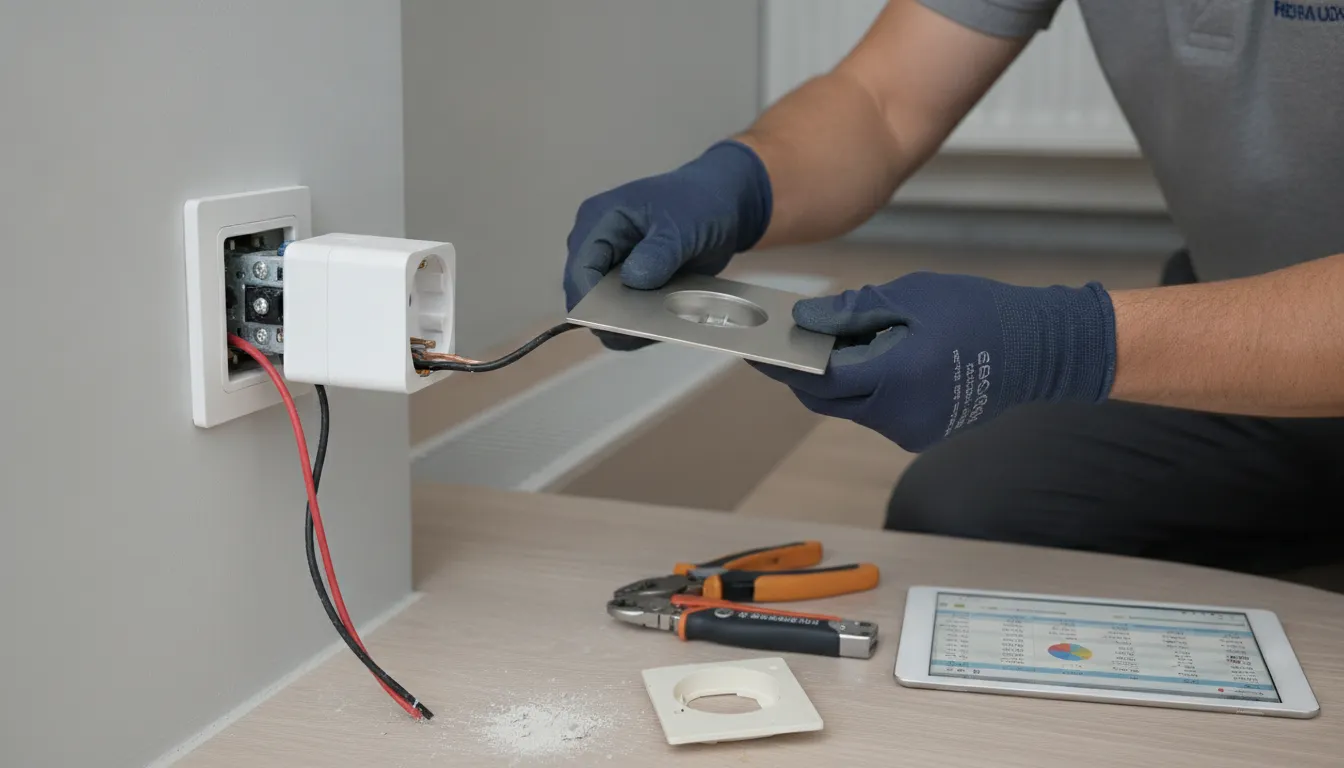
Before starting outlet work, turn off the breaker that controls the outlet. Then use a voltage tester to confirm that power is off before touching the outlet or its wiring. Don’t rely on the breaker label alone, since labels can be inaccurate and a box may contain wires from more than one circuit. If the tester detects voltage, or you’re unsure how to use it, stop and call an electrician. HomeGuide recommends checking for voltage before beginning outlet repairs. Never touch exposed wiring to see if it is live.
Avoid Wiring, Rating, and Connection Mistakes
An outlet must suit the circuit, its location, and the protection required. Incorrect wiring, loose connections, or an outlet with the wrong rating can lead to shock, overheating, or fire. Older wiring may lack a ground wire or may not be compatible with a replacement outlet. Don’t guess based on appearance or assume the existing installation is correct. If you find damaged insulation, unfamiliar wiring, or signs of overheating, stop and contact an electrician. Outlet replacement guidance also stresses choosing an outlet that matches the circuit and installation needs.
Test the Outlet and Follow Local Code
After installation, the outlet needs testing to confirm it works and provides the intended protection. The proper test depends on the outlet and existing wiring. For example, a GFCI can provide shock protection in certain situations, but it does not add a ground wire to an ungrounded circuit. Local code can also affect which outlet is required and how it must be installed. HomeGuide explains the limits of replacing an ungrounded two-prong outlet with a GFCI. If you’re unsure whether the wiring meets code, have an electrician assess it rather than relying only on a plug-in tester.
Choose a Licensed Electrician When Safety Is a Concern
Call a licensed electrician if an outlet feels warm, looks discolored, sparks, buzzes, or no longer holds a plug securely. Professional help is also the safer choice when wiring is old or damaged, a breaker trips repeatedly, or you can’t verify that power is off. An electrician can assess the outlet, grounding, circuit capacity, and panel, then explain any repairs needed. The Electricians Co. recommends licensed service for safety and code compliance. Sacramento homeowners can learn about AAA Electrical Services’ residential electrical work or request help with an outlet concern.
How Can Sacramento Homeowners Get a Clear Quote?
A clear quote should explain what work the electrician recommends, what it will cost, and whether additional work could affect the total. Ask for an itemized estimate before approving outlet replacement. It should account for parts, labor, permits, and possible repairs so you can compare options and understand the scope of the job.
Confirm Labor, Parts, Permits, and Possible Repairs
Ask whether the estimate includes the outlet, labor, and any service-call fee. If the electrician may need to open a wall or repair damaged wiring, ask how that could change the price. Permit requirements depend on the work and local rules, so confirm whether a permit is needed and who will handle it.
As a general reference, national cost guides report electrician labor rates of about $50 to $130 per hour, with minimum callout fees often ranging from $100 to $200. Permit fees and wall repairs may add to the total. These figures are not a Sacramento-specific quote, so ask for pricing based on your home and the work involved. eLocal’s outlet cost guide explains common cost factors.
Ask About Multi-Outlet Pricing and Upgrades
If you have several outlets that need attention, ask whether replacing them during one visit will affect the price. One appointment may cost less than scheduling separate visits, but savings depend on the number of outlets, their locations, and the condition of the wiring. Request the cost per outlet as well as the total for all the work.
You can also ask about upgrades, such as a GFCI outlet or a model with USB ports. The electrician can check whether your existing wiring and circuit are suitable, and explain whether the upgrade requires additional work. Ask for each option to appear separately on the estimate so you can compare costs before deciding. Integra Electrical’s outlet and switch guide notes that project complexity can affect pricing.
Choose Licensed Technicians and Upfront Pricing
Before booking, check that the electrician is licensed to perform residential electrical work in California. Request a written estimate that describes the work, lists parts and labor, and identifies potential extra charges. If the electrician discovers an issue that changes the scope, ask for an updated price and approve it before the additional work begins.
It’s also useful to compare estimates, read recent reviews, and ask what warranty applies. Make sure each estimate covers a similar scope, since a lower price may not include the same parts or repairs. HomeGuide’s outlet repair cost guide recommends checking credentials and requesting a detailed estimate. A clear quote should show what you’re paying for and explain any costs that could change.
Request Outlet Service From AAA Electrical Services
Sacramento-area homeowners can contact AAA Electrical Services about outlet or switch concerns. The company says its technicians are licensed, background-checked, and drug-tested, and offers same-day service and clear upfront pricing. Before work begins, ask the technician to explain the recommended repair, what the estimate includes, and whether wiring or code-related issues could affect the price.
AAA Electrical Services reports that 93% of repairs are completed on the spot. The work needed and time required will depend on what the technician finds. If an outlet feels warm, sparks, or gives off a burning smell, stop using it and ask an electrician for help. Share any symptoms you’ve noticed when requesting service so the team can understand the issue and discuss next steps.
Related Articles
- Switches and Outlets
- Electrical Outlet Installation Sacramento Homes Need
- Electrical Outlet Upgrade Services: Rocklin, CA Guide
- How to Identify Outlets Nearing End of Lifespan
- Best Ways to Maintain Safe Outlet Usage Throughout the Home
Frequently Asked Questions
How much should I budget to replace an outlet in Sacramento?\ A standard replacement often falls between $80 and $200, including parts and labor, but this is a general estimate rather than a Sacramento-specific quote. The outlet type, wiring condition, access, and service-call fees can change the total. Ask for a written estimate based on your home.
Does replacing several outlets at once cost less?\ It may. Combining the work into one visit can reduce repeated service fees, though the savings depend on outlet locations and whether repairs are needed. Share the full list of outlets when requesting an estimate.
Can I replace a standard outlet with a GFCI or USB outlet?\ Possibly, but the right option depends on the location, circuit, and existing wiring. A GFCI outlet may be appropriate in areas where moisture is a concern, while a USB model offers built-in charging ports. An electrician can check compatibility and local code requirements.
When should I stop using an outlet and call an electrician?\ Stop using it if it feels hot, sparks repeatedly, buzzes, shows dark marks, or smells like burning. Don’t remove the cover or test it with another device. If you see smoke or flames, move away and contact emergency services.
Is outlet replacement a safe DIY project?\ Electrical work can pose a shock or fire risk if the circuit is live or the wiring is unsuitable. If you can’t verify the power is off, find damaged wiring, or feel unsure about the installation, leave the work to a licensed electrician.