If your breaker trips, buzzes, or just won’t reset, you need to act fast to keep your home safe and the lights on. A quick circuit breaker replacement in Elk Grove can head off electrical hazards and bring reliable power back. Here’s what matters: when it’s time to replace, what the process actually looks like, and how to pick a licensed pro who puts your family’s safety first.
You want same-day service, clear pricing, and technicians who respect your home. AAA Electrical Services brings 40+ years of local experience, vans stocked for faster fixes, and certified, background-checked techs so you get honest work—no surprises.
Let’s dig into what a proper replacement involves, common mistakes to avoid, local code must-knows for Elk Grove, and how upgrades can protect your home and make your system future-ready.
What Is Circuit Breaker Replacement?
Circuit breaker replacement means pulling out a worn or busted breaker and popping in a new one that fits your panel and your home’s needs. This restores safe, reliable protection for your circuits and keeps appliances and wiring from overheating or getting damaged.
Purpose of Circuit Breakers
Circuit breakers stop too much electrical current from flowing. If there’s a fault, short, or overload, the breaker trips and cuts power to prevent fires and equipment damage. Breakers also let you safely shut off a circuit for repairs.
You count on breakers to protect big stuff—ovens, HVAC, EV chargers. The right breaker matches the wire size and the appliance’s draw. If it’s old, damaged, or just not the right size, it might not trip when it should—or it might trip way too often.
Licensed electricians check panel rating, wire size, and breaker type before swapping anything. That keeps you up to code and safe. AAA Electrical Services rolls up with stocked vans for quick repairs when a breaker fails.
Signs Your Circuit Breaker Needs Replacing
Watch for breakers that keep tripping on the same circuit, especially when there’s no clear reason. If it happens a lot, the breaker might not handle normal loads or could have an internal fault. Buzzing, burning smells, scorch marks, or a hot panel are urgent red flags—stop using that circuit and call a pro.
Breakers that won’t reset, are cracked, or feel loose in their slots also need to go. Old breakers—sometimes 25 to 40 years old—lose reliability from age and moisture. Adding new high-draw devices like EV chargers or an electric range? The panel may need upgraded breakers or even a full panel upgrade.
A good tech will test with a multimeter, check wiring, and suggest the right repair or upgrade. Honest, flat-rate pricing and licensed pros help you plan the fix without last-minute surprises.
Risks of Delaying Replacement
Wait too long, and you risk electrical fires and fried appliances. A breaker that won’t trip lets wiring overheat, melt insulation, and possibly start a fire. Even one that trips too much can wear out sensitive electronics.
Ignoring signs like burning smells or scorch marks? That can turn into big repair bills and dangerous late-night emergencies. Old panels might hide other problems—loose connections, outdated fuse conversions—so putting off repairs could mean you’ll need a bigger upgrade down the line.
Certified techs who show up quickly and carry parts help protect your home and family. Same-day service gets your circuit back safely, with less downtime.
Why Choose Circuit Breaker Replacement in Elk Grove?
You want safe, code-compliant work done fast, with no hidden costs. Here’s what’s different in Elk Grove, what safety rules matter, and why working with local pros pays off.
Unique Electrical Needs in Elk Grove
Elk Grove homes often have older panels but newer loads—think EV chargers, heat pumps, all the stuff we plug in now. If your house went up before the 2000s, your breakers could be 25–40 years old and worn out from use or moisture. Frequent tripping, buzzing, or a breaker that won’t reset? Clear signs you need help.
With everyone plugging in devices and EVs, demand spikes. Upgrading breakers or the panel can prevent overloads and protect your stuff. Ask about panel capacity, AFCI/GFCI needs, and whether your meter/main can handle an upgrade.
Local Safety Standards and Compliance
Elk Grove follows California and local codes that seem to change every year. Work has to meet NEC and city inspection standards to pass permits and resale checks. Get it wrong, and you could fail inspection, run into insurance headaches, or wind up with unsafe wiring.
Licensed electricians know the right breaker types, how to ground properly, and where AFCI/GFCI protection is required (kitchens, baths, bedrooms). Keep your permits and receipts—they’re proof you’re up to code if you ever sell or need to file a claim.
Benefits of Working With Elk Grove Professionals
You get fast, safety-first service from licensed techs who stock parts for on-the-spot repairs. Stocked vans mean most jobs finish in one trip. Flat-rate, upfront pricing means no surprise fees.
Local pros know Elk Grove’s inspection quirks and can get to you faster. Certified installers test everything after replacement and clean up before they go. AAA Electrical Services even offers a $35 new-customer discount and membership savings if you want regular checkups.
The Circuit Breaker Replacement Process
Here’s what you can expect when a pro checks your panel, removes a bad breaker, and installs a new one. The focus? Safety, correct parts, and making sure power is steady.
Inspection and Assessment
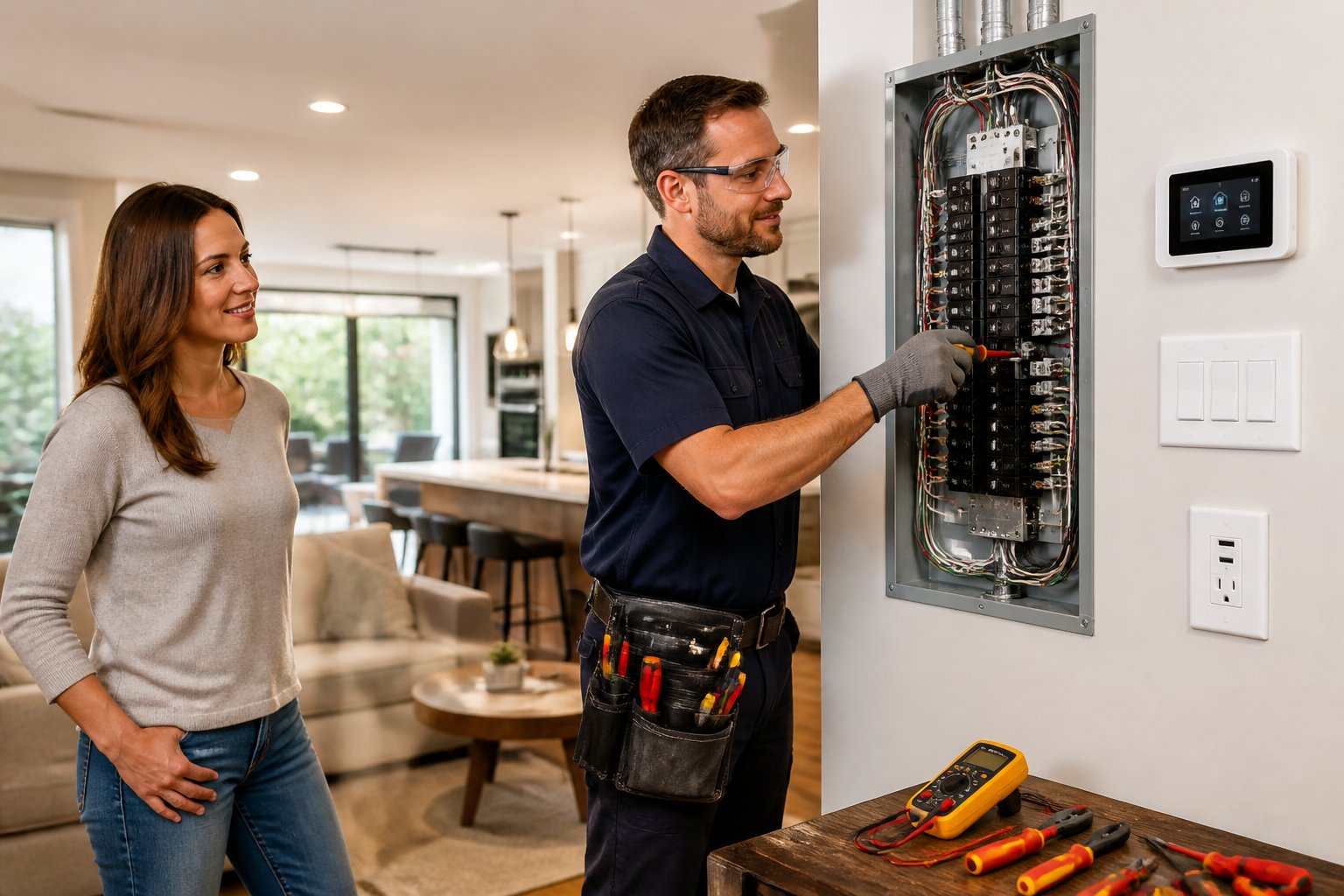
First, the main breaker gets switched off and locked out if possible. A licensed tech looks for scorch marks, loose wires, rust, and checks the breaker’s make and amp rating. They’ll test the branch circuit with a multimeter to confirm voltage and see if the breaker really failed—or if there’s a problem further down the line.
They’ll check panel capacity next. If it’s full, rusted, or uses obsolete breakers, you might hear a recommendation for an upgrade. Ask if they’ve got the parts in their van—stocked vans often mean same-day fixes.
Watch for safety steps: PPE, tagging circuits, following code. You should get a clear quote before work starts, with flat-rate pricing and any permit info.
Removing the Old Circuit Breaker
The tech will shut off the main and double-check with a voltage tester that the panel’s dead. They’ll loosen the breaker’s terminal screw, free the wire, and then unclip or unscrew the breaker from the bus bar.
If the breaker’s burned, melted, or loose, the tech will show you and explain why. They’ll also check the wire insulation and neutral/ground for damage. If the wire’s bad, it needs repair or replacement before installing a new breaker.
Keep kids and pets away while the panel’s open. The tech should label the circuit and note what it serves, so the new breaker matches the load.
Installing the New Circuit Breaker
The tech will make sure the new breaker matches the panel brand and amp rating. They’ll strip the wire to the right length, tighten the terminal to spec, and seat the breaker firmly on the bus. Good seating stops arcing and overheating.
Once installed, they’ll restore power and test the circuit under load with a clamp meter or receptacle tester. The breaker should hold without false trips, and grounding/neutral paths need to be right.
You’ll get a quick walk-through of what was done, warranty info, and any suggestions for follow-up—maybe a panel upgrade if needed. AAA Electrical Services usually has parts on hand and leaves your place tidy.
How to Select the Right Electrician in Elk Grove
Pick an electrician who puts your family’s safety first, offers clear pricing, and can finish most jobs in one visit. Focus on response time, licensure, and whether the tech comes prepared.
Qualities to Look For
Choose a licensed, insured electrician who explains things clearly and respects your home. Look for uniforms, ID, and a clean work area.
Companies with stocked vans fix more in one trip—less time, less cost.
Flat-rate pricing matters. You want a written estimate before work starts and no surprise fees. Friendly techs who explain risks and steps in plain English make a difference.
Questions to Ask Before Hiring
Ask if the tech is background-checked and how long they’ve been local. Get an estimate that lists parts, labor, and permit fees.
Confirm same-day availability for urgent issues. Ask if the van carries common breakers and parts.
Always check on guarantees—what’s covered, how long it lasts. Ask for references or read current local reviews about punctuality and cleanliness.
Certifications and Licensing
Make sure the electrician has a California contractor license for electrical work. Ask for their license number—call the state board if you want to double-check.
Ask about ongoing training (Nexstar, state-certified courses). That shows they’re up to date on code and safety.
The company should carry liability insurance and worker’s comp. That way, you’re protected if something goes sideways during the job.
FYI: AAA Electrical Services sends licensed, insured techs and offers same-day service with flat-rate pricing.
Cost Factors for Circuit Breaker Replacement
Prices can swing depending on breaker type, labor, permits, and whether you need a panel upgrade. Knowing what drives cost helps you plan and avoid surprises.
Average Price Ranges
A simple single-breaker swap usually runs $100–$300 for parts and labor.
Main breakers or service-panel replacements can hit $800–$2,500+ depending on amperage and panel brand.
Typical costs:
- Parts: $20–$600 (single breakers are cheap; main breakers or new panels, not so much)
- Labor: $75–$200 per hour, usually 1–4 hours for standard jobs
- Permits/inspection: $50–$300, varies by code
Older homes or uncommon parts? Expect higher costs.
Influences on Cost
Panel size and amperage drive up material costs—a 200-amp main isn’t cheap.
Old or corroded wiring often needs upgrades, which adds labor and parts.
Permit fees and electrician rates vary around Sacramento. Travel, emergency service, and panel relocations or subpanels all bump up the bill.
Want branded, top-quality breakers or AFCI/GFCI protection? Expect to pay more. Licensed, safety-focused pros might cost extra but lower your fire and shock risk.
How to Get an Accurate Estimate
Get at least two written quotes listing parts, labor, permits, and inspections.
Ask the electrician to inspect the panel, check amperage, and look for corrosion or code issues before quoting.
Look for flat-rate, upfront pricing and same-day options if you need it fast. Mention member discounts or the $35 new-customer credit when comparing.
Make sure the tech is licensed, insured, and carries stocked vans for one-and-done replacements.
Safety Tips for Homeowners During Replacement
Here’s how to keep your family, pets, and home safe during a breaker swap: shut off power clearly, keep kids and pets away from the panel, and know when to call a pro.
Shutting Off Power Safely
Turn off the main breaker before touching anything—seriously, don’t skip this step. Stand on something dry. If you’ve got them, use insulated tools. No labeled main? Shut off the main disconnect at the meter, or just call your utility company and ask.
Wear safety gear: rubber-soled shoes, safety glasses, and gloves rated for the voltage. Take off rings and watches. When flipping breakers, keep one hand behind your back—yeah, it feels awkward, but it helps avoid shocks.
Once you’ve killed the power, double-check with a non-contact tester or multimeter to make sure it’s actually off. Lock or tag the panel so nobody flips it back on while you’re working.
Keeping Children and Pets Safe
Set up a safety zone around the panel—a baby gate, closed door, whatever works. Hang a sign so people know you’re working and shouldn’t barge in.
Turn off anything noisy or distracting in the workspace. If you’ve got kids or pets, have another adult wrangle them somewhere else. Pet carriers or crates outside the area help, too.
Keep all tools, screws, and tiny bits in a closed container (honestly, who wants to dig one out of a dog’s mouth?). When you’re done, sweep up and make sure the panel covers are tight before letting everyone back in.
When to Avoid DIY Solutions
See burn marks, melted insulation, or that hot electrical smell? That’s a hard stop—call an electrician. Same goes if you need to change panel amperage or add new circuits.
If you can’t tell which wire is which or the breakers aren’t labeled, don’t risk it. Complicated panels, aluminum wiring, or old fuse conversions can get dicey and may need permits or inspections.
Sometimes you just want it done right and fast. AAA Electrical Services sends out licensed technicians with stocked vans and flat-rate pricing—worth considering if you’re not 100% sure.
Long-Term Benefits of Upgrading Circuit Breakers
New breakers lower fire risk and handle modern appliances better. You get clearer protection, fewer blackouts, and gear that actually meets today’s safety standards.
Enhanced Home Safety
Modern breakers trip when there’s a short or overload, cutting the chance of fire. Old ones? Sometimes they stick, which is how wires overheat and things get dangerous. Swapping them out for code-compliant models helps protect your family and your home.
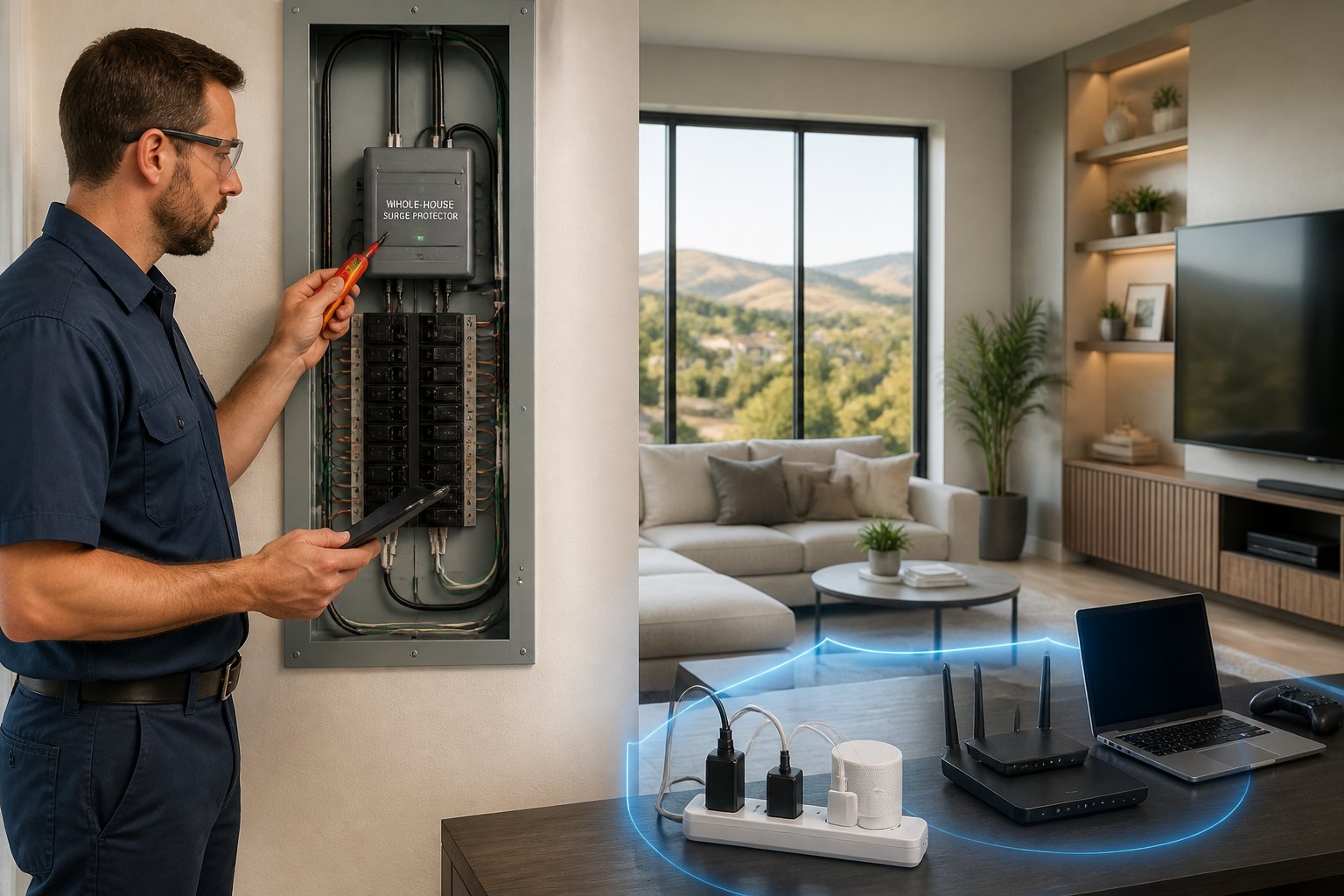
Upgrades also let you add surge protection right at the panel, so your TVs, computers, and fridge aren’t toast after a storm. During replacement, licensed techs check grounding and bonding so you’re not getting stray voltage in random places.
A good local team follows code, shows up in uniform, and leaves things tidy—honestly, that’s underrated.
Improved Electrical System Performance
New breakers handle heavier loads and balance things better. You can run the EV charger, washer, and microwave without tripping the whole house. Expect fewer interruptions and steadier voltage for your electronics.
Upgrading also makes future changes easier. New panels fit more circuits and accept the latest breaker types, so adding an EV charger or AC circuit later is way less hassle. Stocked vans mean you’re not waiting days for parts, either.
After an upgrade, labeling’s clearer and connections are tested—saves time on future repairs and helps avoid heat issues from loose screws. AAA Electrical Services does flat-rate pricing and same-day jobs with licensed techs, so you’re not left hanging.
Common Mistakes to Avoid When Replacing Circuit Breakers
Don’t skip shutting off the main power. Working live isn’t worth it. Always check with a tester before touching anything.
Using the wrong breaker type or size is a classic mistake. A mismatched breaker trips too much or fails to protect the circuit at all. Match panel label and wire gauge to the right amp rating.
Don’t jam wires into terminals—loose or damaged connections heat up and arc. Strip just enough insulation and tighten screws to spec.
Old or overcrowded panels might not take new breakers or meet code. If it looks corroded, maybe just upgrade the panel instead of patching it.
If you don’t know what you’re doing, skip the DIY. Bad installs can void insurance and create hazards. Call a licensed pro—safety-first work keeps your family safer.
Don’t buy parts from sketchy sources. Counterfeit breakers fail more often. Use certified replacements and, if in doubt, let a pro with a stocked van bring the right gear.
Always test after you’re done. Reset the breaker, check the circuit under load. If it’s still acting up, stop and call a tech for same-day help and honest pricing.
If you’re in Elk Grove, AAA Electrical Services does certified, family-safety-first work with flat-rate pricing and stocked vans for quick fixes.
Understanding Local Codes for Elk Grove Electrical Work
Local codes set the rules for replacing a circuit breaker in Elk Grove. They focus on safety, grounding, breaker sizing, and city inspection requirements.
Elk Grove uses the California Electrical Code, based on the NEC. Your new breaker needs to match the panel and wire size, and you might need a permit and inspection.
Old panels with rust or double taps might need a full upgrade, not just a breaker swap. Watch for GFCI or AFCI requirements in bedrooms, garages, and outdoors—codes change, so don’t assume.
Hire a licensed electrician who knows local rules and how to get through inspections. AAA Electrical Services offers same-day service, flat-rate pricing, and stocked vans so you’re not stuck waiting.
Quick checklist:
- Make sure breaker type and amperage match panel and wires
- Pull permits if needed, and get the city inspection
- Install GFCI/AFCI protection where code says
- Replace corroded or unsafe panels, not just breakers
Following code keeps you safer and helps you pass inspection the first time.
Frequently Asked Questions
Here’s what people ask most: costs, who to call, what’s legal for DIY, what to do when a breaker acts up, the 80% rule, and Elk Grove permit stuff.
How much typically does a residential circuit breaker replacement cost in Elk Grove?
Most single breaker swaps run $100 to $300.
Full panels or several breakers? More, depending on labor and parts.
AAA Electrical Services does flat-rate, upfront pricing and will quote you over the phone.
Same-day service is often possible, and their vans are stocked to speed things up.
Are there any recommended professionals for replacing circuit breakers in Elk Grove?
Look for a licensed electrician with good local reviews and panel experience.
Choose a company that’s insured, background-checked, and state-certified.
AAA Electrical Services sends certified techs who follow safety-first practices and offer a satisfaction guarantee.
Ask about flat-rate pricing and if the tech carries what’s needed to finish the job in one go.
Can a homeowner legally replace their own circuit breaker?
California lets homeowners work on their single-family homes, but local rules vary.
If it touches the main panel or needs a permit, it’s usually better to call an electrician.
Even if it’s legal, breaker swaps carry shock and fire risks.
If you’re unsure, hire a pro or at least get an inspection after.
What steps should be taken when a circuit breaker needs fixing?
Turn off affected circuits and unplug stuff.
Check for burning smells, visible damage, or breakers that won’t reset.
If the breaker keeps tripping or shows heat or damage, call a licensed electrician.
Note when trips happen and what was running—it helps the tech figure it out.
What does the 80% rule for breakers refer to?
The 80% rule says don’t load a breaker above 80% of its rating for long periods.
For a 20-amp breaker, keep continuous loads at 16 amps or less.
This prevents overheating and nuisance tripping.
Electricians use this rule when sizing circuits for appliances and HVAC.
Is a permit required for circuit breaker replacement in Elk Grove, California?
If you're just swapping out a single breaker, you might not need a permit. But when it comes to changing or upgrading the whole panel, that's a different story—permits are usually a must.
Elk Grove goes by Sacramento County's building and electrical codes, and those tend to call for permits with most panel work.
Honestly, it's best to double-check with the Elk Grove Building Division, or just bring in a licensed electrician. They'll know the ropes, handle the permits, and set up inspections so you don't have to stress about it.