Worried your home’s wiring might be unsafe or just plain old? An electrical safety inspection in Loomis gives you a real sense of what’s risky, what needs fixing, and how to keep your family and home protected. A solid inspection catches hazards like frayed wiring, sketchy breakers, or bad grounding—stuff you want to know about before it turns into a fire or major headache.
Here, you’ll get a handle on what inspectors actually check, how long it all takes, and what it typically costs around Loomis. Licensed pros, honest flat-rate pricing, and even same-day service can make the whole process a lot less stressful.
If you’re in Loomis, or nearby in Roseville, Rocklin, or Folsom, an inspection is a real stress-reliever. AAA Electrical Services has been around for over 40 years, with fully stocked vans and technicians who treat your place like it’s their own.
What Is an Electrical Safety Inspection?
An electrical safety inspection checks your wiring, outlets, panels, and other electrical stuff to spot hazards, code violations, and anything that needs repair or a swap-out. It’s all about finding safety risks and giving you clear next steps to keep your home and family safe.
Overview of Inspection Process
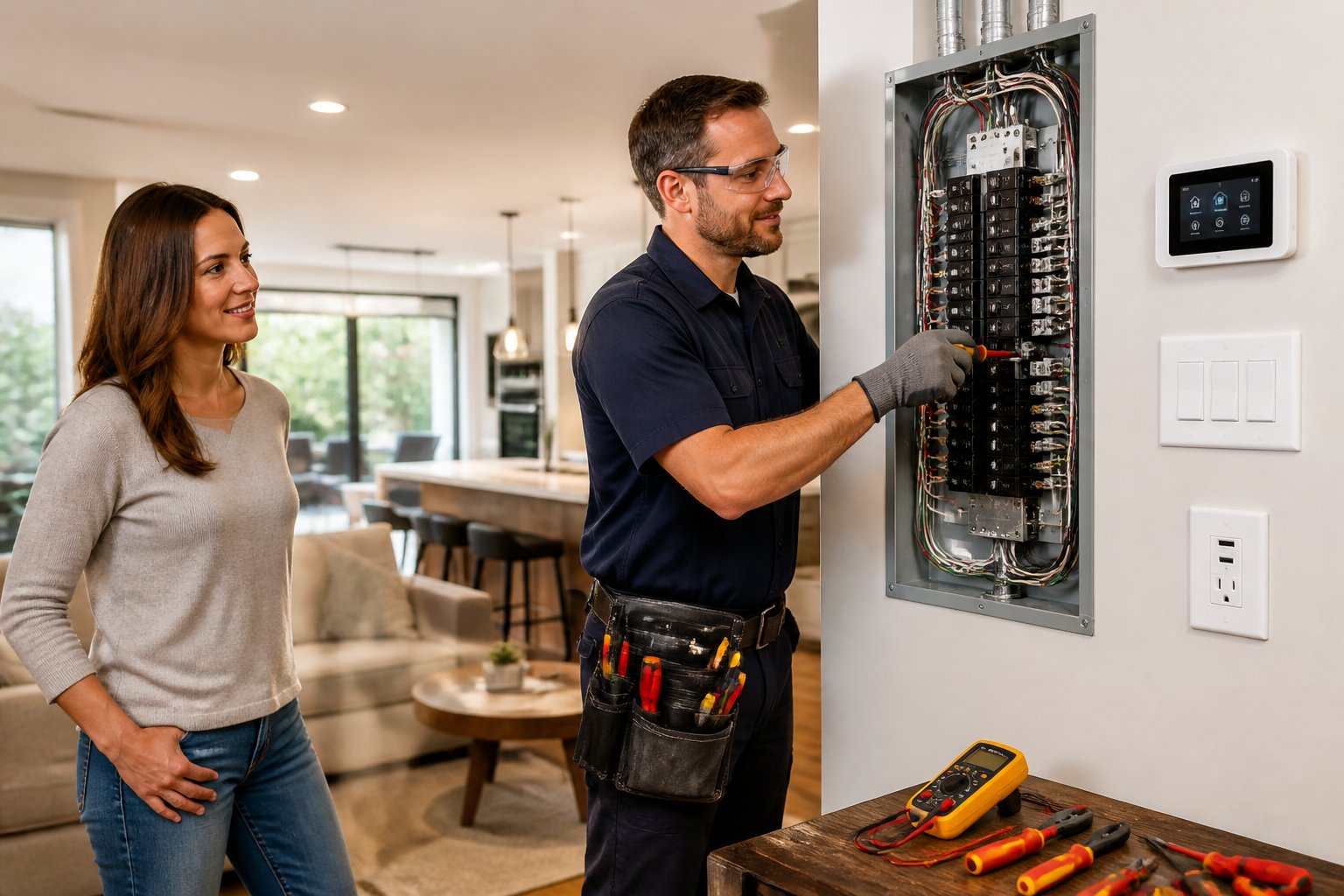
A licensed technician comes out and visually checks accessible wiring, outlets, switches, and your main panel. They’ll test breakers, look for double-tapped breakers, check grounding and bonding, and keep an eye out for overheating or corrosion.
The inspector will test a handful of outlets for correct wiring and polarity, using tools like a multimeter to check voltage and continuity. You get a written report—defects, safety risks, and recommended repairs with ballpark costs.
If you’ve got old knob-and-tube wiring, aluminum wiring, or obvious DIY jobs, they’ll call those out. Often, techs can do some repairs right away since their vans are loaded with common parts.
Key Goals of a Safety Inspection
The big goal? Lowering fire and shock risks by finding worn or unsafe stuff. Inspectors focus on anything that’s an immediate danger—think exposed live wires, overloaded circuits, or missing grounding.
They also want to make sure things like alarms, hardwired smoke detectors, and appliances work safely. That helps you avoid nuisance breaker trips and equipment failures.
Inspections flag things that aren’t up to current code (even if they’re not an emergency), so you can plan upgrades like new panels or AFCI/GFCI protection. You walk away with a clear repair list and a timeline for action.
Legal and Regulatory Requirements
Local and state rules set standards for wiring, device ratings, and safety devices like GFCIs and AFCIs. Inspectors compare your setup to current code, pointing out what’s not compliant.
For bigger repairs or panel upgrades, you might need permits and follow-up inspections. Your inspector or electrician should let you know when that’s the case. In most of the Sacramento area, only licensed, insured techs can do permitted work.
AAA Electrical Services can walk you through local permit requirements, handle the paperwork, and do code-compliant repairs to get you through inspections wherever you live in their service area.
Why Schedule an Electrical Safety Inspection in Loomis?
An inspection uncovers worn wiring, overloaded circuits, and outdated panels before they cause fires or power outages. It also checks code compliance, keeps your insurance company happy, and can even save you cash on repairs and claims.
Local Safety Concerns
Loomis homes often have a mix of old wiring and newer additions, which can hide problems behind walls. This setup means loose connections, crumbling insulation, and ungrounded outlets are pretty common.
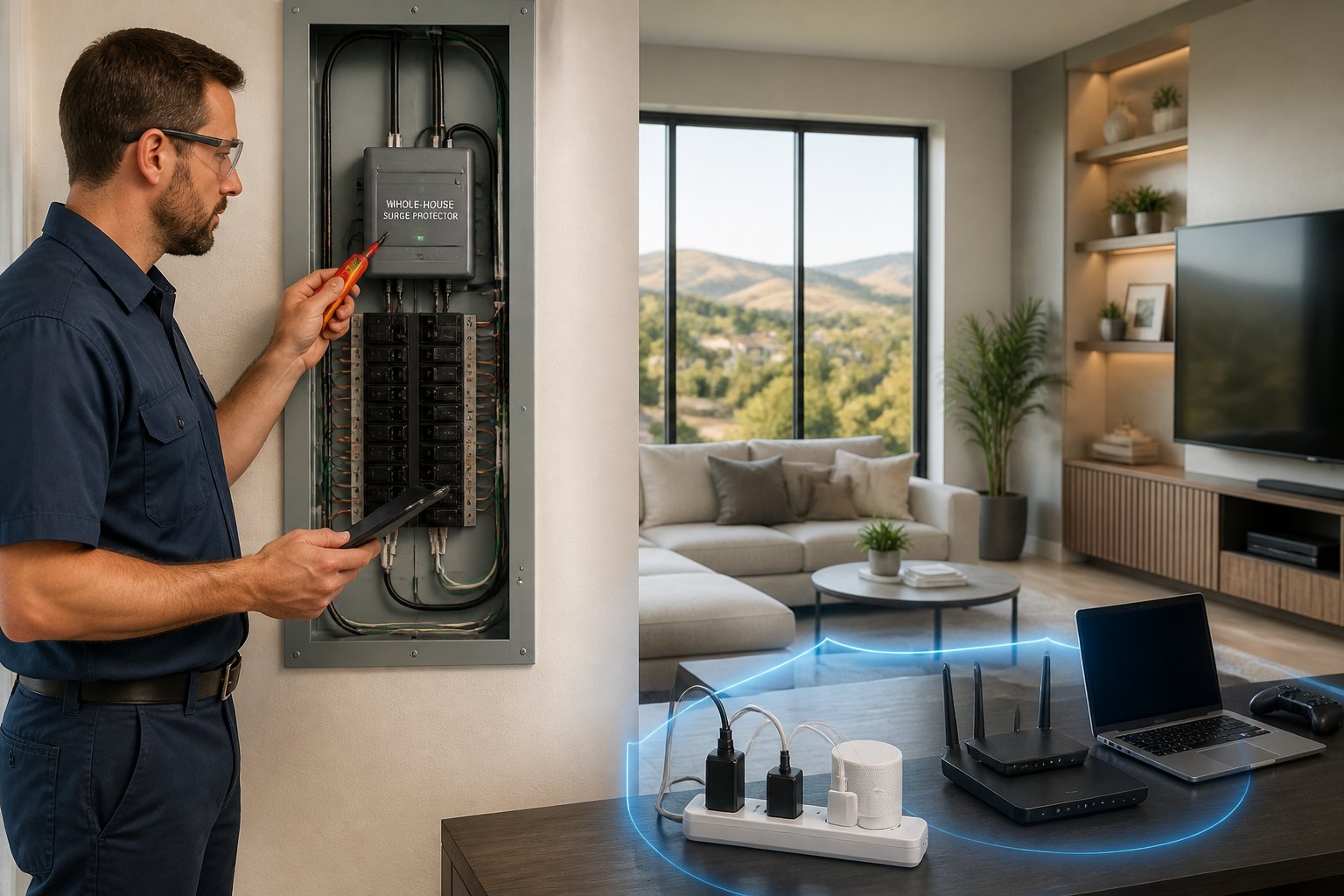
Wildfire season adds another layer of worry. Inspections look for overloaded circuits and poor grounding that could spark during high winds or power surges. They’ll also check surge protection for your sensitive electronics.
If you’re out near rural areas, don’t forget about outdoor wiring and sheds. Outdoor outlets, meter bases, and weatherproofing need regular checks to keep moisture and critters out.
Top Reasons for Inspections
You want your family safe and your fire risk as low as possible. Inspections catch hot spots, bad breakers, and overloaded circuits so you can fix them before they become a crisis.
Inspections are good for your wallet, too. Finding issues early means you avoid big, expensive repairs and maybe even lower your insurance. Plus, you’ll have documentation for selling or refinancing your home.
With AAA Electrical Services, you get quick, clear repairs. Their licensed techs show up with stocked vans, offer same-day service when they can, and stick to flat-rate pricing so there’s no nasty surprises.
Electrical Hazards Specific to Loomis
A lot of Loomis homes still have old fuse boxes or too-small panels that can’t handle modern loads like EV chargers and HVAC systems. Inspections will show if you need a panel upgrade or a new breaker.
Pests and storms can mess up outdoor wiring and conduits. Techs check meter cans, service entrances, and conduit seals to keep water and animals out.
If you’ve remodeled your kitchen or added an ADU, odds are there’s some DIY wiring or a mix of old and new. Inspections make sure connections, GFCI/AFCI protection, and grounding are up to today’s safety standards.
Common Issues Identified During Inspections
Inspections usually turn up wiring, circuit load, and panel problems that need quick attention. Taking care of these issues fast keeps your family safe and helps you dodge expensive repairs down the road.
Outdated Wiring Systems
Older Loomis homes often have cloth-insulated or knob-and-tube wiring that just doesn’t meet current safety codes. These wires can get brittle, crack, or lose insulation, making short circuits and fires more likely. You might notice breakers tripping a lot, flickering lights, or warm outlets—classic red flags for inspectors.
Inspectors check insulation, splicing, and grounding. If grounding’s missing or aluminum wiring pops up, they’ll recommend upgrades. Usually, that means swapping out circuits or running new wiring to bring things up to code and cut fire risk.
AAA Electrical Services can do full wiring evaluations and upgrades the same day if they’ve got the parts. Their techs put safety first and actually take time to explain what needs fixing and why.
Overloaded Circuits
Too many devices or big appliances on one circuit? That’s how you get overloaded circuits. Kitchens, home offices, and garages are hot spots—space heaters, microwaves, EV chargers, you name it. You’ll notice breakers tripping over and over, or outlets that feel too warm.
Inspectors measure loads, check breaker sizes against wire gauge, and look for shared neutrals or sketchy multi-wire branch circuits. Fixes might mean adding dedicated circuits for heavy appliances, spreading out loads, or installing bigger breakers with the right wire.
If you’re tired of tripping breakers, upfront pricing and same-day service can be a lifesaver. Proper repairs stop annoying outages and help prevent overheating.
Faulty Electrical Panels
Electrical panels can wear out, rust, or just not keep up as your home changes. Inspectors look for loose bus connections, burned or discolored breakers, double-tapped breakers, and missing labels. Any of this can lead to arcing, heat, or sudden power loss.
A bad panel might just need a fix, or it could call for a total replacement. Upgrades usually mean putting in a modern breaker panel, swapping out bad breakers, adding surge protection, and labeling everything clearly. This makes your system safer and lets you add things like EV chargers or solar without worry.
AAA Electrical Services sends licensed, background-checked techs who give you clear estimates and can often finish repairs quickly, thanks to their well-stocked vans. That means less downtime and a safer home.
Step-By-Step Electrical Safety Inspection Process
This process checks your wiring, devices, and safety systems so you know what needs fixing, replacing, or immediate attention. It reveals issues that impact fire risk, shock hazards, and whether you’re up to code.
Initial Assessment
It starts with a walk-through. The inspector checks your panel, outlets, switches, lights, visible wiring, and any big appliances.
They look for overheating, loose wires, burned insulation, and any DIY jobs that might not be up to code.
Expect questions about when you last had electrical work done and whether you use high-load stuff like EV chargers or a home generator. They’ll also check for proper grounding and GFCI/AFCI protection in bathrooms, kitchens, garages, and outside.
The inspector notes serial numbers, breaker labels, and any immediate dangers. If they spot something that could cause fire or shock, they’ll tell you to shut it off or book repairs ASAP.
Detailed System Evaluation
Next, the inspector uses meters and analyzers for voltage checks, continuity tests, and load testing on key circuits.
They’ll open the panel to look at wire connections, bus bars, and breaker condition.
Old knob-and-tube, aluminum wiring, thin conductors, and overloaded circuits get extra scrutiny. The inspector checks if your panel can handle your current and future needs—like EV charging or solar.
If you have surge protection, smoke alarms, or generator switches, those get tested too. Outdoor lighting, garage door circuits, and subpanels all get a once-over for safety and proper installation.
Reporting and Recommendations
You’ll get a straightforward report listing defects, safety issues, and what work’s recommended. The report includes photos and organizes fixes by priority: urgent hazards, repairs to plan, and upgrades for future safety or code compliance.
Expect clear suggestions like “replace GFCI in kitchen,” “upgrade 100A panel to 200A,” or “add AFCI protection in bedrooms.”
You’ll see cost ranges and whether same-day repairs are an option. AAA Electrical Services can handle repairs with flat-rate pricing, well-stocked vans, and licensed techs who actually clean up after themselves.
The report lays out next steps, permit needs, and a suggested timeline so you can keep your home safe.
Choosing a Certified Electrical Inspector in Loomis
Pick someone who puts safety first, has legit credentials, and answers your questions about costs, timing, and repairs. Local experience, solid references, and upfront pricing make a big difference.
Credentials and Experience
Look for a valid California electrical contractor license and state certifications. Ask for license numbers and check them on the Contractors State License Board site before you book.
Go with inspectors who’ve done plenty of residential jobs in Loomis or nearby towns like Roseville or Auburn. Experience with older homes and panel upgrades is important—Loomis houses often mix old and new wiring.
Make sure they’re insured and background-checked. If repairs come up, a licensed, insured inspector protects you if something goes sideways. If you want fast fixes, ask about same-day service and stocked vans—AAA Electrical Services does that, with Nexstar-trained techs.
Local Reputation
Find inspectors who work in Sacramento-area communities you know—Folsom, Lincoln, Carmichael, and so on. Local work means they understand unique code quirks and Loomis-specific issues.
Check recent reviews on different sites, looking for details like punctuality, clear reports, whether they highlight safety priorities, and how well they explain your repair options. Ask neighbors or your realtor for recommendations.
Make sure the inspector gives you a written report with photos and a prioritized fix list. A clear, itemized report helps you plan and get accurate quotes.
Questions to Ask Before Hiring
Before you hire, ask: “Are you licensed and insured? Can I see your license number?” and “Do you provide a written, itemized report with photos?” Get real answers.
Ask how long the inspection takes and if they test GFCIs, AFCIs, grounding, and panel labeling. If you’re thinking about EV chargers or solar, check if they inspect for those too.
Clarify cost and payment before you commit. Ask about flat-rate pricing, any extra fees for re-inspections, and whether they offer same-day repairs. Ask for references from recent Loomis clients so you know you’re hiring someone reliable who communicates clearly.
How to Prepare for Your Electrical Safety Inspection
Before your inspection, grab any key documents, clear paths to panels and equipment, and jot down concerns like flickering lights or dead outlets. Just a few simple steps can make the whole process smoother and help the inspector spot safety or code issues fast.
Pre-Inspection Checklist
Make a quick list for the inspector. Include the age of your electrical panel, recent electrical work or permits, locations of problem outlets, and spots where you’ve added big appliances like an EV charger or generator. Snap photos or take notes about loose cover plates, burned-smelling outlets, or switches that don’t work.
Unplug small appliances from sketchy outlets and try to label circuits if possible. Pull together receipts or service records for new equipment—solar inverters, panel upgrades, that kind of thing. Make sure pets are secured, and have someone at home who can answer questions about weird electrical issues or recent breaker trips.
Access and Clearances Needed
Check that your main panel and any subpanels are easy to reach and well-lit. Leave at least 30 inches wide and 36 inches deep of clear space in front of panels so the inspector and techs can work safely. Clear away boxes, bikes, storage bins, and plants from around meters, panels, and big junction boxes.
If wires run through your attic or crawlspace, make those access points easy to get to. Uncover circuit breaker labels and take off any temporary coverings from outlets or switches. If you think you’ll need a code-level repair, AAA Electrical Services techs can often handle fixes the same day since their vans are stocked and they use flat-rate pricing.
Benefits of Regular Electrical Safety Inspections
Regular inspections help you catch hidden wiring problems, cut fire risk, and protect your home insurance and resale value. They also make sure outlets, panels, and breakers follow current safety rules and actually work right.
Fire Prevention
A good inspection will turn up frayed wires, loose connections, overloaded circuits, and hot breakers—stuff that could start a fire. Electricians test outlets, check the panel, and look at junction boxes behind walls if needed.
If you’ve got old knob-and-tube or aluminum wiring, inspections flag those so you can plan upgrades. Smoke alarm placement and circuit protection (AFCIs, GFCIs) get checked, too, especially in bedrooms, kitchens, and bathrooms.
AAA Electrical Services techs use a checklist to spot hotspots and wires showing heat damage. Fixing these right away lowers the chances of a fire and keeps your family safer.
Insurance Compliance
Insurance companies usually want your wiring up to code to keep your coverage or get you better rates. An inspection documents your electrical system’s condition and shows you’re handling risks.
If you ever need to file a claim after a fire or electrical failure, having inspection reports helps prove you did routine maintenance. Some insurers even give discounts for homes with recent inspections and repairs.
You can schedule an inspection before renewing your policy or after major electrical changes. AAA Electrical Services gives you clear reports you can send to your agent for compliance or rate reviews.
Property Value Protection
Buyers in Loomis and nearby areas expect safe wiring and a clean electrical record. An inspection report can reassure buyers and help speed up a sale by cutting down on last-minute repair requests.
Dealing with problems found in an inspection keeps small issues from turning into expensive rewiring or panel replacement later. Upgrades like a modern panel, dedicated EV circuits, or properly installed GFCIs boost buyer confidence.
Having records of inspections and repairs shows you’ve kept up with maintenance. That kind of transparency can help you hold your asking price and make negotiations less of a headache when you sell.
Cost Factors for Electrical Safety Inspections in Loomis
Inspection prices depend on your home’s size, how in-depth the inspection is, and whether you need repairs or permits. Most local companies offer flat-rate checks, but they’ll add fees for panel testing, load calculations, or appliance checks.
Service Pricing Breakdown
Basic home inspections in Loomis usually start at a flat rate for a single-family house. That covers a visual check of wiring, outlets, switches, and the main panel. You’ll get an itemized quote showing what’s included.
Extras cost more—things like thermal imaging, AFCI/GFCI testing, checking smoke and CO devices, or evaluating whole-home surge protection. If you need a detailed written report for selling or permits, expect an added fee.
Some companies give discounts for new customers or members. AAA Electrical Services, for example, offers $35 off your first service and a 10% membership discount, so you can save a bit while still getting flat-rate pricing.
Influencing Factors
Home size and age matter a lot. Older or multi-story homes take longer to inspect because wiring is often hidden or quirky. That means more labor and sometimes extra troubleshooting fees.
Panel type and condition affect price, too. Subpanels, fused panels, or ones with known problems need extra attention. If the inspector finds hazards, you might get a repair estimate or need to pay for a re-inspection.
Accessibility and repairs can bump up costs. Hard-to-reach panels, attic or crawlspace work, and permits all add labor and fees. Same-day service and stocked vans can speed up repairs and cut down on return visits, which could save you money in the end.
Post-Inspection Steps and Recommendations
After the inspection, you’ll get a clear report and a prioritized list of fixes. Expect safety items, recommended upgrades, and notes on cost or scheduling to help you figure out your next steps.
Understanding the Inspection Report
Read the report carefully. It’ll list safety hazards first—stuff like exposed wiring, bad grounding, or overloaded panels. Each item should say where it is (for example: garage subpanel, kitchen outlet), why it’s a risk, and if it needs quick action.
Look for photos and code references. Photos help you see the problem. Code references let you know if something fails current standards. Pay attention to anything marked “urgent” or “correction required.” Hang onto the report for permits or future buyers.
If you’re confused by something, ask the inspector to break it down and explain what needs fixing. Get a ballpark cost and how long repairs might take. That way you can plan your budget and schedule.
Addressing Required Repairs
Start with the big safety stuff: bad breakers, missing GFCIs in wet areas, open splices. These cut shock and fire risk, so get them handled first. Book licensed work ASAP if something’s marked urgent.
Pick techs who offer same-day service and carry common parts. That way, they can fix most issues on the spot and you won’t need as many follow-up visits. Always confirm flat-rate pricing or get a clear written estimate before work starts.
Ask your tech to show you what they fixed and any new parts. Request receipts and permit paperwork if your city needs it. If you go with AAA Electrical Services, mention your membership or first-time discount to save on repairs.
Frequently Asked Questions
Here’s what usually happens during an inspection, how often to get one, common problems, warning signs to watch for, who’s qualified, and how long it all takes.
What should I expect during a home electrical safety inspection?
A licensed tech will check your main panel, breakers, outlets, switches, and visible wiring.
They’ll test grounding, GFCIs, AFCIs, and look for overloaded circuits or unsafe connections.
The inspector might run power tests on certain circuits and use special tools to spot hidden problems.
You’ll get a written report with hazards and clear repair suggestions.
How often should I have an electrical safety inspection performed?
Most homes should get inspected every 3 to 5 years.
If your place is over 30 years old, had big renovations, or you notice weird issues, schedule one sooner.
It’s also smart to get inspected before buying or selling, or after a flood or fire.
Regular checks help keep your place up to safety standards.
Can you tell me the common electrical issues found during an inspection?
Inspectors often find loose or corroded connections, worn wiring, and overloaded circuits.
Other common problems are ungrounded outlets, missing GFCIs, and outdated panels.
Faulty breakers, reversed polarity, and bad attic or garage wiring show up a lot too.
These raise shock and fire risk and usually need fast repair.
What are some signs that I might need an electrical safety inspection soon?
Watch for flickering or dimming lights, frequent breaker trips, or warm outlets and switches.
Burning smells, buzzing from outlets or the panel, or visible scorch marks are big red flags.
If you use a lot of extension cords, have sparking outlets, or see exposed wires, it’s time for an inspection.
Also schedule one after big renovations or when you add major appliances.
Who is qualified to perform an electrical safety inspection?
A licensed electrician or state-certified tech should do the job.
Make sure they’re insured and background-checked if they’re coming into your home.
Pick a company with local experience and upfront pricing.
AAA Electrical Services has licensed, insured techs and same-day service around Sacramento.
How long does a typical electrical safety inspection take to complete?
For most single-family homes, an electrical safety inspection usually runs about 1 to 2 hours. If you’ve got a bigger place or an older house with some, let’s say, “interesting” wiring, you might be looking at 2 to 4 hours instead.
Afterward, the inspector hands you a written report and talks you through any hazards they found, plus what you should probably do next.