If you’re considering an EV charger installed in Rocklin that’s safe, quick, and fits your home, you’re in the right spot. Here’s what you can expect and how to make the process less of a headache. You’ll see how licensed electricians handle panel checks, permits, and clean installs so your charger works reliably and your family stays safe.
We’ll walk through picking the right charger, what it might cost, and what the installation looks like in Rocklin and nearby places. AAA Electrical Services offers same-day service, flat-rate pricing, and certified techs who treat your home like it’s their own—details that make planning a bit less stressful.
Keep this post around as you compare options, figure out basic maintenance, and get a glimpse of how future charging tech could change your home’s energy use.
EV Charger Installation Services in Rocklin
You can get safe, fast EV charging at home or work—no curveballs. Licensed electricians check your panel, run dedicated circuits, handle permits, and leave the site tidy so your family stays safe.
Residential EV Charger Solutions
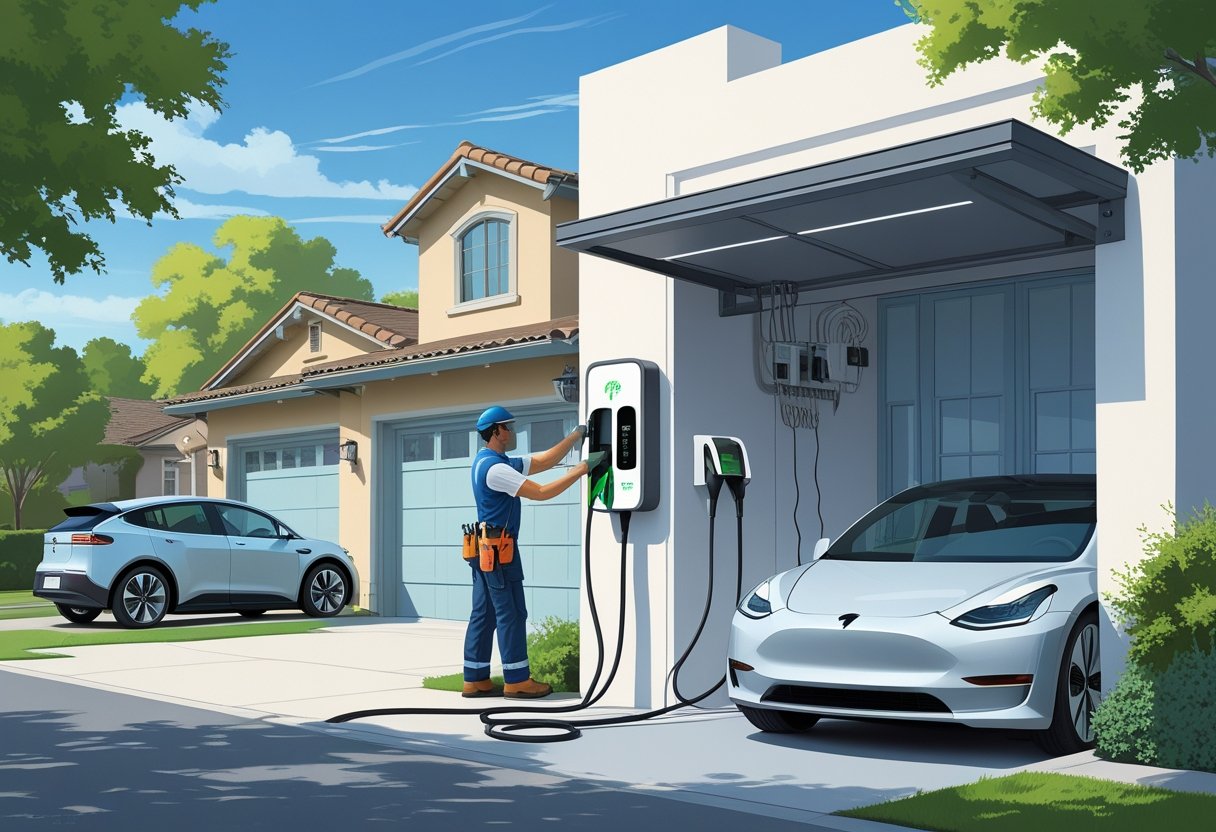
You can put a Level 2 charger in your garage or driveway and cut overnight charging from “all night” to just a few hours. A technician checks your electrical panel capacity, breaker space, and cable runs before recommending a charger and circuit size.
If your panel needs an upgrade, the tech will lay out costs and timelines. Flat-rate pricing and same-day service options are common. Many techs arrive with the right parts to finish most installs in one visit—less hassle for you.
They’ll make sure you get GFCI protection, code-compliant wiring, and a solid mount. Permits and inspection-ready paperwork come standard, so you’re not left chasing down documentation.
Commercial EV Charging Options
For businesses, commercial installs are all about traffic flow, access, and managing the electrical load. You’ll see choices like single-point Level 2 stations, several chargers on a shared circuit with load balancing, or future-ready conduits for easy expansion.
Site assessments cover parking layout, ADA access, signage, and utility capacity—no detail too small, honestly. Installers handle metering, payment networks (if you want public access), and toughen up outdoor units. Timelines and pricing are upfront, so you can plan for customer access and hours.
Ongoing service plans cut downtime. Techs trained in commercial setups can also walk you through incentives or local programs to help with costs.
Home vs. Public Charger Installations
Home installs focus on convenience, safety, and fitting your daily routine. You’ll get a dedicated circuit, home-friendly mounting, and a setup built for overnight charging. Installers aim for minimal mess and quick work.
Public or workplace installs need to be durable, accessible, and set up for user management. Equipment is weather-rated, vandal-resistant, and often networked for payments and monitoring. Sometimes the electrical work demands bigger service upgrades and coordination with utilities.
Which is best? If you drive daily and park at home, a residential Level 2 is usually the way to go. For businesses or public access, get ready for commercial-grade hardware, maintenance, and clear signage to keep things smooth.
Choosing the Right EV Charger
Pick a charger that fits your driving habits, garage wiring, and budget. Think about your daily range, how fast you want to charge, and if you want smart controls for scheduling and energy use.
Level 1, Level 2, and DC Fast Chargers
Level 1 uses a regular 120V outlet—adds maybe 3–5 miles of range per hour. It’s fine if you drive short distances and park overnight, but it’s slow.
Level 2 runs on 240V and adds 12–60 miles per hour, depending on your car and amperage. Most homeowners go with Level 2 for daily charging. You’ll probably need a 40–50 amp circuit or even a panel upgrade, so plan for some electrician time and cost.
DC Fast Charging is for public use and adds a ton of range in 20–60 minutes. It needs high-voltage gear and just isn’t practical for most homes. If you drive a ton or run a business, stick to public DC fast chargers rather than putting one at your house.
Compatibility With Vehicle Types
Check your car’s onboard charger and connector type first. Most U.S. EVs use SAE J1772 for Level 1/2 and CCS or CHAdeMO for DC fast charging. Teslas have their own plug but you can use adapters.
Look at your car’s onboard charging power (kW) to see how fast Level 2 will work. If your car maxes out at 7.2 kW, plugging into an 11.5 kW charger won’t make it faster. Also, consider battery size and your daily miles. Smaller batteries charge up faster; big ones might need higher amperage to fill quickly.
Smart Charger Features
Smart chargers come with Wi‑Fi, scheduling, and energy monitoring. Scheduling lets you charge during low-rate hours—nice for your wallet. Energy reports track kWh used and can help you manage your home’s energy.
Look for load sharing, app alerts, and voice assistant support if you’re into home automation. Ground-fault protection and thermal management matter for safety. Pick a unit that’s ready for future upgrades, and make sure your installer sets up access controls and firmware updates for extra security.
AAA Electrical Services sends certified techs for safe, same-day installs in Rocklin and nearby areas.
EV Charger Installation Process
Here’s what actually happens: what gets checked, what permits you’ll need, and how installers keep your home safe. The job usually starts with a site review, moves through local approvals, and ends with safety checks and testing.
Site Assessment and Planning
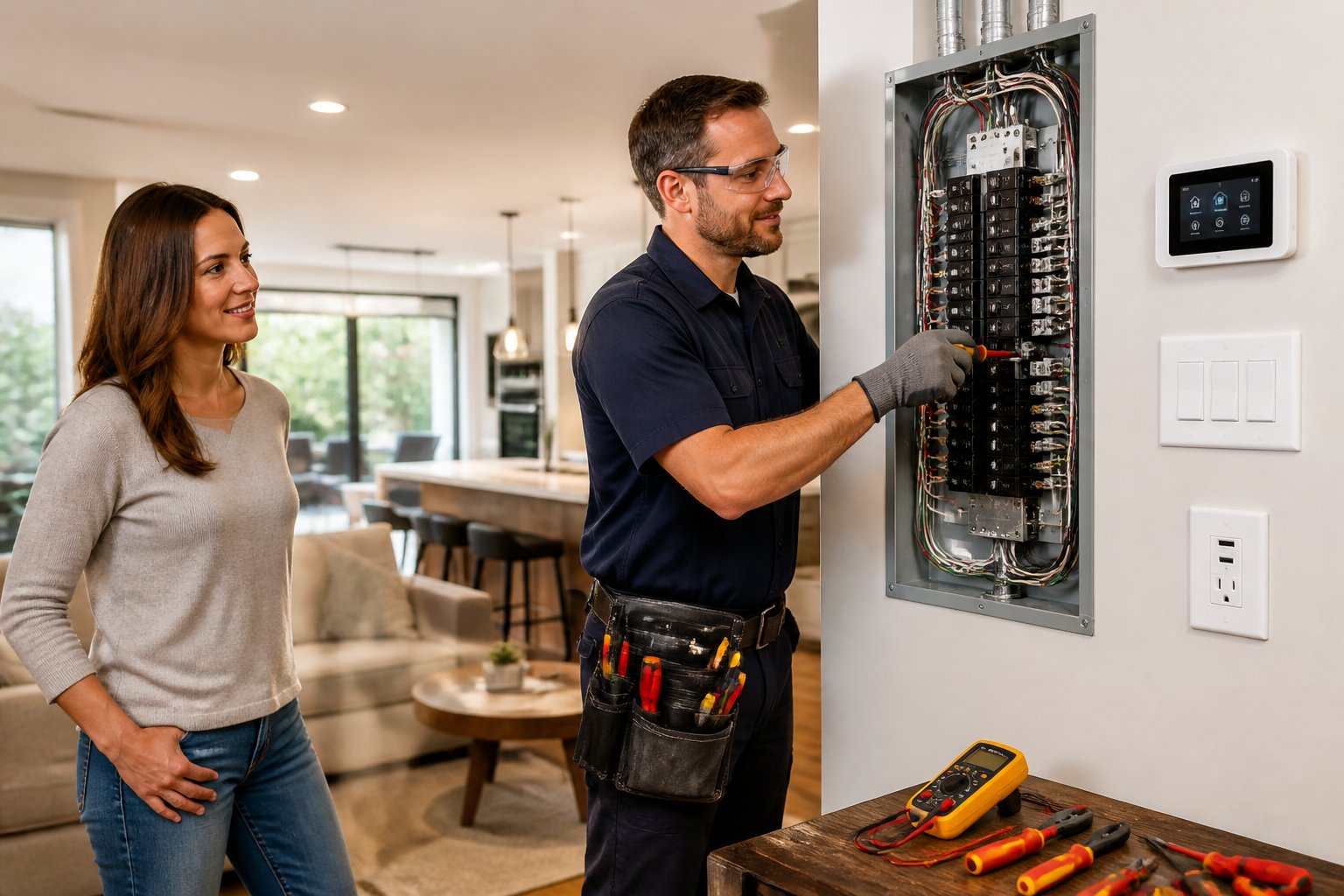
An electrician checks your main panel, meter, and where you want the charger. They’ll measure the distance from panel to car, look for any obstacles, and decide if you need conduit or a new circuit.
If your panel doesn’t have spare capacity, you might need a panel upgrade or some circuit rework. The tech will confirm what kind of charger you want (Level 2’s pretty standard) and the amperage your EV accepts so charging speed matches your needs.
You’ll get a written estimate for parts, labor, and any panel work. Ask about same-day service or stocked vans—if the parts are on the truck, you’ll wait less.
Permitting and Local Requirements
Most Rocklin installs need a city or county permit and an inspection after installation. Your installer pulls the permit, handles paperwork, and schedules the inspection with Rocklin or Placer County.
Permit fees and inspection rules vary, so your electrician should explain the costs and timelines. Some upgrades, like panel changes, add a bit more complexity and extra permits.
Keep copies of your permits and the inspection report—they help with future home sales or any warranty claims.
Safety Considerations
All work should follow the National Electrical Code and local rules. Installers turn off power, use GFCI or RCD protection as needed, and label new breakers for easy ID.
Techs should be licensed, insured, and background-checked. Ask about their training and whether they run post-installation tests, like voltage checks and a full charging test with your EV.
AAA Electrical Services puts safety first, offers flat-rate pricing, and often brings parts on stocked vans to finish jobs faster and leave less mess.
Cost of EV Charger Installation
Most home installs in Rocklin cost between $546 and $2,750. The price depends on charger power, wiring needs, and whether your panel needs an upgrade.
Factors Affecting Installation Cost
Charger type matters: a basic Level 2 charger and standard labor usually stay on the lower end, while higher-output units and smart chargers bump up the cost. If your panel doesn’t have enough capacity, you might need a panel upgrade or subpanel—that can add several hundred to over a thousand bucks.
Distance from the panel to your parking spot affects wiring and conduit length. Long runs, tough conduit paths, or concrete cutting mean more labor. Permits and inspection fees in Placer County add fixed costs. If you need a dedicated 40–50 amp circuit, that wiring and breaker are part of the price. Always get a written quote that lists parts, labor, permit fees, and any needed panel work.
Potential Rebates and Incentives
You might qualify for federal, state, or utility rebates to lower your out‑of‑pocket cost. California offers incentives, and some Sacramento-area utilities have rebates for Level 2 chargers or panel upgrades. Check the Clean Vehicle Rebate Project, local utility programs, and Rocklin city permit fee waivers for current deals.
Most rebates need an itemized invoice, installer license number, and proof of purchase. Using a licensed, insured electrician who’s familiar with local programs—like AAA Electrical Services—helps make sure your paperwork’s right and speeds up approval.
Why Hire a Licensed Electrician in Rocklin
Hiring a licensed electrician protects your home, keeps everything legal, and helps you avoid future headaches. A pro handles permits, inspects your panel, and picks the right Level 2 charger and circuit for safe, fast charging.
Qualifications and Experience
You want someone who knows EV chargers and local codes. Licensed electricians have formal training, state certification, and hands-on experience with breakers, panel upgrades, and dedicated circuits.
Look for techs who’ve done plenty of EV installs in Rocklin and nearby cities like Roseville and Sacramento. That experience helps them know if your panel needs an upgrade or if a subpanel makes more sense than running conduit forever.
Ask about certifications and how many EV chargers they’ve put in. Also, see if they bring the right tools and stocked parts to finish the job in one shot. That saves you time and keeps things tidy.
Warranty and Insurance
A licensed electrician carries insurance to protect you if something goes sideways. They also offer workmanship warranties that cover installation problems, not just the charger’s own warranty.
Check for liability coverage and get a written warranty period before work starts. Warranties should cover both labor and any mistakes that mess with your home’s electrical safety.
If you go with a company like AAA Electrical Services, make sure they’re fully licensed, insured, and back up their work with a satisfaction guarantee. That way, if anything needs fixing, you’re not stuck with surprise bills.
Ensuring Code Compliance
Local building codes and utility rules matter for EV chargers. A licensed electrician files permits, schedules inspections, and follows Rocklin and Sacramento County codes. This helps you avoid failed inspections and unsafe wiring.
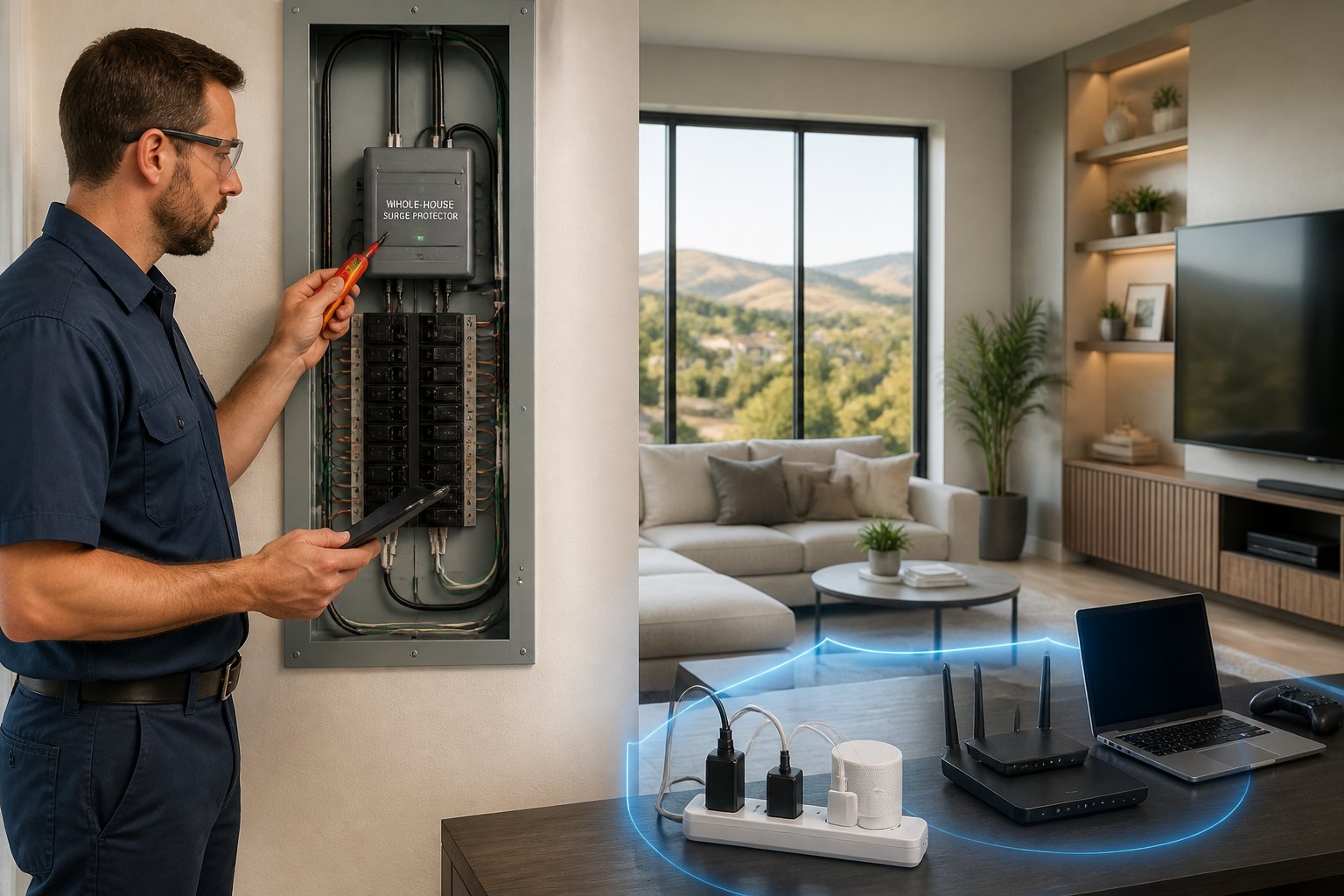
They’ll size circuits right and use approved breakers, conduit, and surge protection to meet code. Proper grounding and load calculations prevent overloads and cut fire risk.
Permits keep your homeowner insurance valid and make resale easier. A pro documents the install so you have proof that the charger and panel changes are safe and legal.
Popular EV Charger Brands Available in Rocklin
You’ll find chargers for daily driving, faster home top-offs, and smart energy features. Pick a model that fits your car’s inlet, your typical range needs, and whether you want app control or load management.
Tesla Wall Connector
The Tesla Wall Connector is a solid choice for fast home charging if you drive a Tesla. It delivers up to 48 amps on a 60A circuit, so you can add a lot of range overnight. Installation usually needs a dedicated circuit and a nearby panel.
If you already have a Tesla, the connector works with vehicle settings for scheduled charging and limits. Non-Tesla drivers can use it with an adapter, but check compatibility first.
AAA Electrical Services can install this unit and make sure your panel can handle the load, so you don’t end up with tripped breakers or sketchy wiring.
ChargePoint Home Flex
ChargePoint Home Flex is a flexible Level 2 option with 16–50 amp settings. You can dial in the amperage to match your panel, handy if your home can’t take a full 50A circuit. It’s got Wi‑Fi, so you can start/stop charging, monitor sessions, and check energy use in the app.
The unit fits most EVs with a standard J1772 plug. It also works with smart-home setups and utility demand-response programs, which might cut charging costs during peak times.
JuiceBox and Other Leading Brands
JuiceBox models from Enel X give you solid app control, power sharing, and adjustable amps—anywhere from 16 up to 40+, depending on the model you pick. They’re a good fit if you want scheduled charging, real-time power tracking, or you’re juggling multiple chargers on one panel.
There are other solid options too: compact, weatherproof units with basic LED displays, and you can usually choose between hardwired or plug-in setups. When you’re comparing, check max amps, Wi‑Fi reliability, how it’s installed (hardwired or NEMA plug), and what the warranty looks like.
If you’re in Rocklin, it’s honestly worth finding an electrician who’s licensed and offers flat-rate pricing, same-day service, and shows up with a van stocked for the job. You want it done safely and quickly, no surprises.
Maintaining Your EV Charger
Keep your charger clean, secure, and on a regular check schedule. A little routine care saves you headaches and keeps charging reliable.
Regular Inspections and Upkeep
Once a month, glance over the charger and cable for any cracks, frayed insulation, or obvious wear. Check plug pins and connector seals for dirt or corrosion. Wipe things down with a soft cloth and mild detergent—don’t spray anything into the connector.
See if the mounting hardware and pedestal bolts are still tight. Make sure the cable isn’t pinched or kinked wherever it sits. Every three months or so, test the GFCI or built-in safety switch; just follow the manufacturer’s instructions.
Every 1–3 years, or after any weird electrical event (like a power surge), get a licensed electrician to look at the circuit, breaker, and wiring. If you’re in Rocklin, AAA Electrical Services can do these checks and usually fit you in the same day.
Troubleshooting Common Issues
If your charger won’t start, check the breaker and any external safety switches first. Reset if needed, then try again. If you see an error code, jot it down and check your manual or the app for what it means.
Slow charging? Could be a loose connection, an underpowered circuit, or maybe your car’s own onboard charger is the bottleneck. Double-check the connector is seated and your circuit amperage matches the charger’s rating. If the cable heats up, stop charging and call a tech—don’t risk it.
If you keep getting faults, hear buzzing, or the breaker keeps tripping, call a licensed electrician. AAA Electrical Services usually has the parts on hand for same-day fixes, so you can get back to normal quickly.
Environmental Benefits of EV Charging
Charging your EV at home really cuts down on your household’s pollution. Electric vehicles don’t spit out tailpipe exhaust, so the air around your place gets a little cleaner. That’s better for your family and the neighborhood.
Pairing home charging with solar panels? Even better. When you charge from solar, your car’s running on renewables—less demand on the grid, fewer fossil fuels in the mix.
Charging at night or during low-demand hours helps ease grid strain. It’s a small thing, but it makes the whole system a bit greener and more efficient.
A home EV charger can future-proof your place and support local sustainability goals. Level 2 chargers speed things up and encourage more folks in Rocklin to go electric. It’s always smart to have a licensed pro handle the install for safety.
AAA Electrical Services offers same-day installs and flat-rate pricing. Their techs focus on family safety and usually finish the job in one visit.
Benefits at a glance:
- Cleaner local air and fewer greenhouse gases
- Option to charge with solar for almost zero emissions
- Less grid strain if you charge off-peak
- Faster, safer charging at home with a pro install
Future Trends in EV Charging Technology
EV chargers are only going to get faster and smarter. We’ll see more high-power Level 2 and DC fast chargers—less time waiting, more time driving.
Smart chargers will sync with your home and the grid, shifting charging to the cheapest or greenest hours, using solar when it’s there. That can save you money and help the local grid.
Vehicle-to-home (V2H) and vehicle-to-grid (V2G) tech is picking up steam. Your car’s battery could back up your house during outages or even sell energy back to the grid. That’s pretty cool, and it might lower your bills too.
Wireless and plug-and-play chargers are coming along—daily charging gets easier and tidier, with installs that actually fit most garages and driveways in Rocklin.
Home electrical panels might need upgrades to keep up. AAA Electrical Services can check your panel and suggest what’s needed, always with flat-rate pricing. Having a licensed pro keeps things safe for your family.
Rebates and incentives keep popping up. Local programs and federal credits can make installation more affordable. Definitely ask about what’s available before you commit.
Frequently Asked Questions
Here’s where you’ll find answers about costs, permits, charger types, and how long installs usually take in Rocklin. Local rules, Tesla compatibility, what to expect—it’s all covered.
What's the average cost of installing an electric vehicle charger in Rocklin?
Most installs run from $546 to $2,750.
Final price depends on charger level, wiring distance, and if your panel needs an upgrade.
Can I have a Tesla charger installed at my Rocklin home?
Absolutely. You can get a Tesla Wall Connector or a charger with a NEMA outlet and an adapter for Tesla vehicles.
A licensed electrician will check the circuit size and mounting spot to meet Tesla specs.
Are there any local regulations in Rocklin for installing an EV charger?
Rocklin follows California electrical codes and local building rules for placement, wiring, and safety.
Permits, inspections, and maybe HOA rules can all play a part, depending on your neighborhood.
How long does it typically take to install an EV charger in Rocklin homes?
Most Level 2 installs take 2–6 hours.
If your panel needs upgrades or there’s trenching, it could take a day or longer.
Do I need a permit for EV charger installation in Rocklin, California?
Yep, most installs in Rocklin need a permit and a final inspection for code compliance.
Licensed electricians usually take care of permits and inspections so everything’s above board.
What types of EV chargers are available for installation in Rocklin?
You’ve got a few options: Level 1 (120V), Level 2 (240V), or, if you’re dealing with something a bit more demanding, hardwired DC fast chargers.
Most folks end up picking Level 2 for home charging—it’s faster for daily use and just makes sense if you want something that’ll last.
When it comes to electrical work, it’s smart to have a licensed pro handle things—keeps your house and family safe, no question.
If you’re in Rocklin or around there, AAA Electrical Services can send out certified techs, offer up-front, flat-rate pricing, and even get to you the same day if you’re in a hurry.