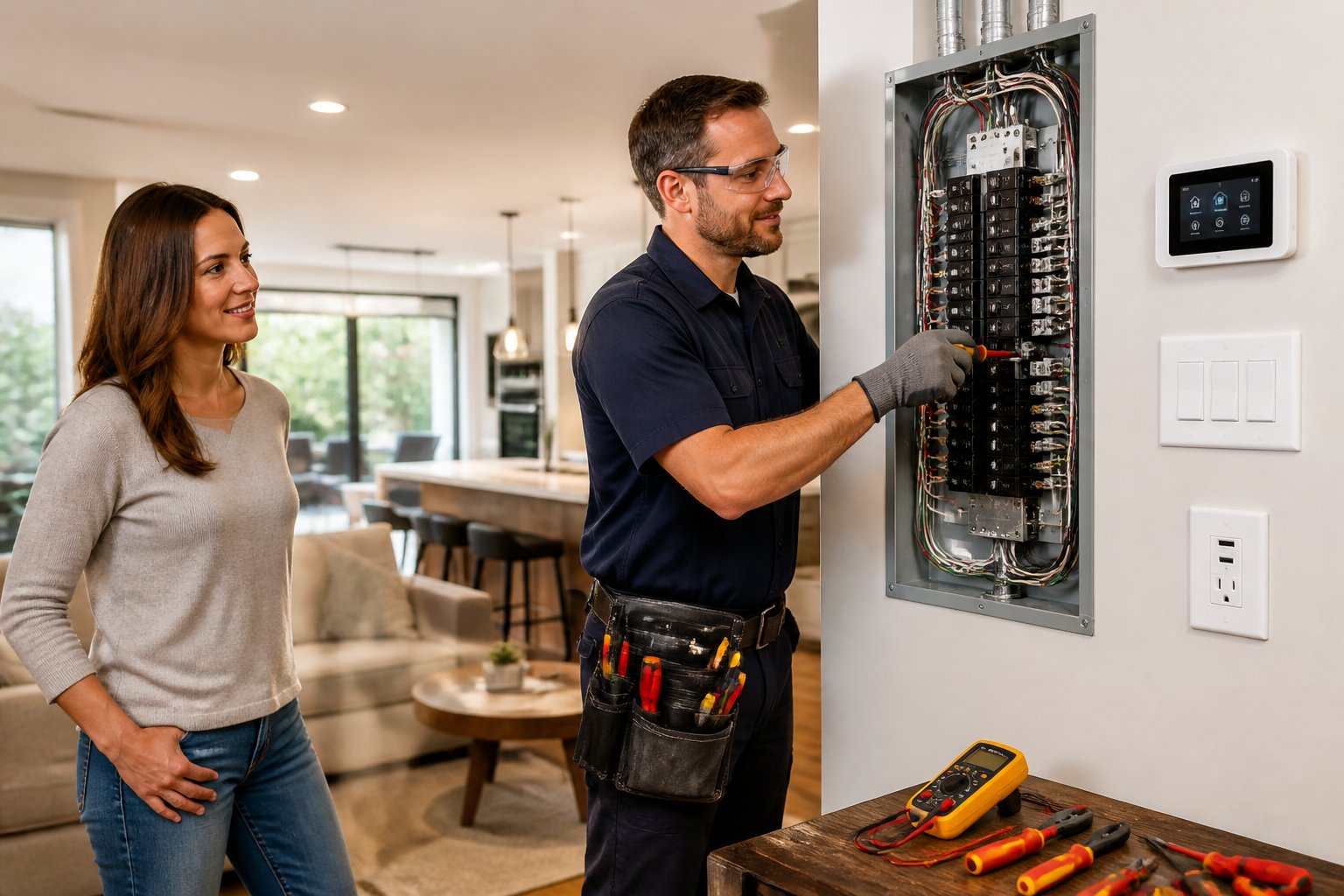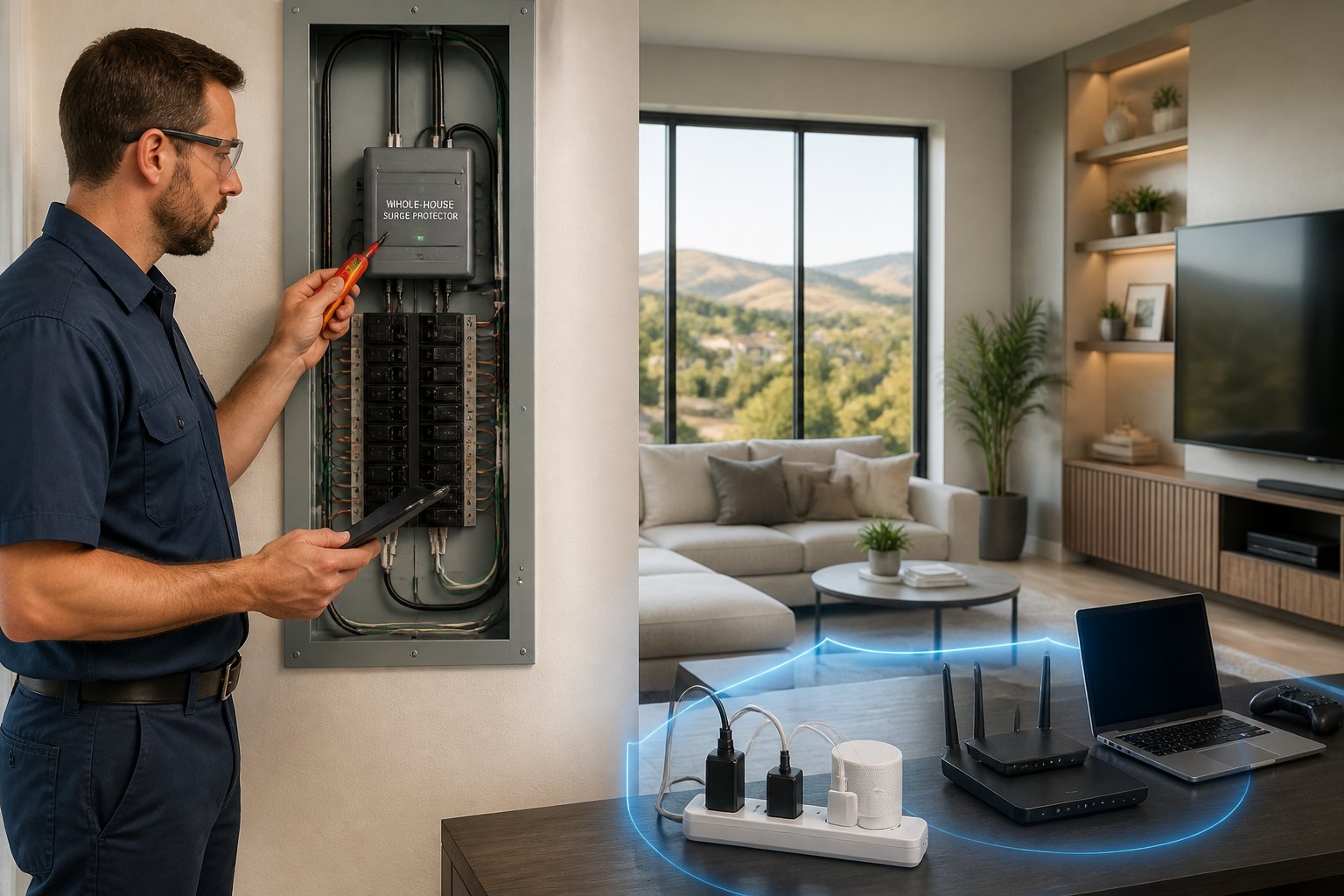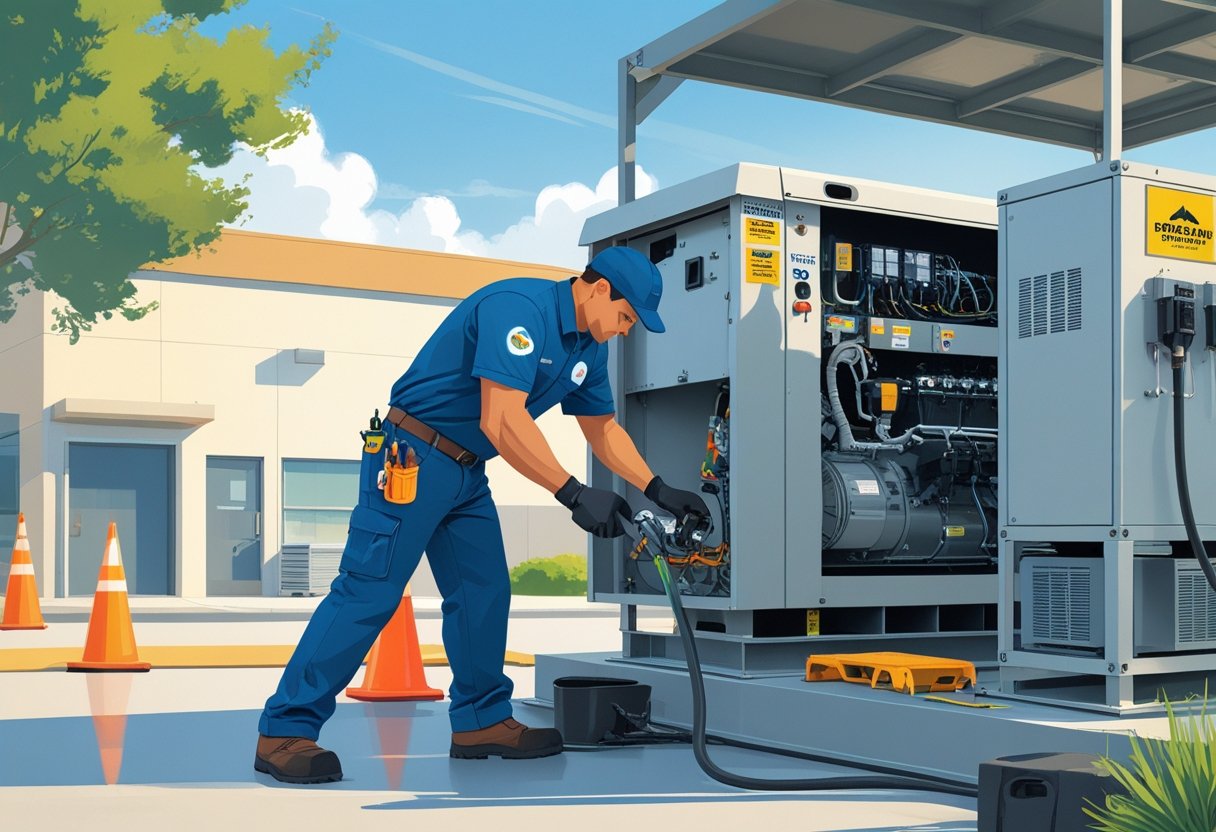
Keeping your generator ready in Rocklin helps your home stay safe and comfortable when the power goes out. You get peace of mind when a licensed, safety-first team inspects, maintains, and repairs your generator—often the same day—so it starts up when you need it most. Here’s what professional maintenance covers, how often you should schedule service, and the signs that say you need help now.
We’ll cover why flat-rate, transparent pricing and well-stocked vans for quick fixes matter, and what to consider when picking a local provider. AAA Electrical Services brings over 42 years of local experience, licensed techs, and a family-safety-first approach to keep your backup power ready.
Let’s get into some simple maintenance tasks, seasonal tips for Rocklin’s climate, and how a tailored maintenance plan can protect your home and budget.
What Is Generator Maintenance Service in Rocklin?
Generator maintenance keeps your backup power ready, safe, and up to code. It means routine checks, replacing parts, and testing so your generator actually starts and runs when Rocklin loses power.
Overview of Generator Maintenance
Generator maintenance is all about scheduled inspections and tune-ups. A technician checks the engine oil, coolant, air filter, battery, fuel lines, and transfer switch. They look for leaks, corrosion, worn belts, and loose wiring. They’ll run the unit under load to make sure it starts automatically and supplies stable voltage.
Service visits follow a checklist and service log. You’ll get a clear report of what was inspected, what was replaced, and any recommended repairs. That way, you can plan costs and avoid nasty surprises during outages.
Types of Generators Common in Rocklin
In Rocklin, you mostly see standby (automatic) home generators and portable units. Standby generators hook up to your home’s transfer switch and run on natural gas or propane. They start up on their own when the grid goes down and power the main circuits.
Portable generators use gasoline and provide power through extension cords or a manual transfer switch. Some properties use commercial diesel generators for bigger loads. Each type needs different things checked—fuel system for portables, automatic transfer switches and controls for standbys.
Importance of Regular Generator Service
Regular service cuts down the chance your generator will fail during an outage. Wear, stale fuel, dead batteries, and dirty filters are common reasons for no-starts. Preventive maintenance finds these problems early and helps your equipment last longer.
A tech will also inspect exhaust, mounts, and wiring to protect your safety. Licensed pros follow codes and spot transfer switch or panel issues that could cause dangerous backfeed. For fast, transparent care with stocked vans and same-day options, AAA Electrical Services is a solid choice for Rocklin.
Benefits of Professional Generator Maintenance
Professional maintenance keeps your generator ready, safe, and cost-effective. You get longer equipment life, more reliable starts during outages, and lower repair costs over time.
Enhanced Generator Lifespan
Regular professional checks swap out oil, filters, and worn parts before they cause bigger damage. Technicians look over cooling systems, fuel lines, and batteries to stop corrosion and fuel breakdown that can ruin engines.
A trained tech follows the manufacturer’s schedule and logs service dates. This keeps your warranty in good shape and helps you plan for big replacements.
When parts are worn, a stocked van lets the tech finish repairs that day. That means less downtime and a generator that’ll last for years.
Increased Reliability During Power Outages
Techs run load tests and simulate outages to check your generator starts and carries the intended load. They tune voltage and frequency settings so your fridge, HVAC, and medical devices stay powered without surges.
Battery tests and transfer switch inspections make sure the system switches over quickly when the grid fails. You avoid failed starts or surprise shutdowns during storms or emergencies.
You’ll get documentation of service and recommended fixes. That gives you confidence your generator will work when you need it.
Cost Savings Over Time
Routine maintenance stops small issues from turning into major repairs. Changing oil, tightening connections, and cleaning fuel systems are cheap steps that help you avoid engine replacement or expensive control module failures.
A service agreement often includes discounts on parts and priority scheduling for same-day service. That saves money and lowers your chances of paying emergency rates during peak outages.
Keeping the generator efficient also lowers fuel use and reduces wear on other home systems, stretching your original investment and keeping your family safer.
Key Generator Maintenance Tasks
Keep your generator ready by checking its key systems on a schedule you can actually follow. Focus on inspections, oil and filter care, and battery health to avoid surprise failures and make sure your unit starts when you need it.
Routine Inspection and Testing
Check the generator visually at least once a month and run it under load every 1–3 months. Look for fuel leaks, loose connections, frayed wires, and cracked hoses. Check the control panel for error codes and make sure the automatic transfer switch works.
Run the generator for 20–30 minutes with a moderate electrical load. This keeps fuel moving, warms the engine, and charges the battery. Log run time, any faults, and fuel level so you can spot trends early.
Schedule a full professional inspection yearly or after heavy use. Techs can test voltage output, exercise governor and ATS settings, and do load bank testing to confirm reliable performance.
Oil and Filter Replacement
Change engine oil every 50–100 hours of run time or at least once a year, depending on your manual. Use the oil grade listed in your owner’s manual and swap the oil filter at the same time to protect the engine.
Check engine oil before each monthly run and top off if needed. Dirty or low oil leads to overheating and shortens engine life. Keep spare oil and filters handy so you can do service quickly.
Record the date, hours, and oil type after each change. If you’d rather have a pro do it, AAA Electrical Services offers flat-rate, transparent pricing and stocked vans to handle most services in a single visit.
Battery Checks and Replacement
Test the battery voltage and specific gravity (if needed) each month. A healthy battery usually reads above 12.4 volts at rest; lower means less cranking power. Clean battery terminals and use dielectric grease to fight corrosion.
Look over battery mounts and cables for tightness and damage. Replace batteries every 3–5 years or sooner if they fail load testing. If you rely on the generator for emergencies, keep a sealed, charged spare battery on-site.
Consider a battery maintainer or trickle charger for standby units that sit idle long stretches. Good battery care prevents no-start situations when you need power most.
Customized Maintenance Plans for Rocklin Residents
You get tailored plans for your property size, generator type, and outage risk. Plans focus on safety, reliable starts, and clear pricing so you know what to expect.
Residential Generator Service Plans
Pick a plan that fits your whole-house or single-circuit generator. Plans include annual inspections, oil and filter changes, battery tests, transfer switch checks, and software updates as needed.
Techs check electrical connections and run a load test to make sure your furnace, fridge, and medical equipment stay powered during an outage.
Members get priority scheduling and a 10% discount on repairs (permits and subcontractors not included). You’ll see flat-rate pricing up front and can get same-day service if a problem threatens safety.
Crews use stocked vans to finish most repairs on the first visit, so you’re not waiting around for parts.
Commercial Generator Service Solutions
Commercial plans focus on runtime, scheduled load-bank testing, and fuel-system checks to protect critical gear. Techs log run hours, inspect transfer switches, and test control panels per manufacturer specs.
You get routine reporting and recommended service intervals, so you meet insurance and code requirements.
Plans offer emergency response and staged maintenance for multi-generator sites. You’ll get transparent, flat-rate quotes for parts and labor, and can add membership perks for faster service.
Licensed pros handle safety-first work so your business stays open and employees stay safe when the power goes out.
How to Choose a Generator Maintenance Service Provider in Rocklin
Find a provider that puts family safety first, shows clear pricing, and can fix most problems the same day. Check certifications, local experience, and how they handle service calls and warranties.
Qualifications and Certifications
Hire a company with licensed electricians and generator-specific training. Ask to see state certification and proof of insurance before work starts. That protects you if someone gets hurt or there’s damage during service.
Look for techs trained by major generator makers and Nexstar-style programs. Those credentials mean they follow factory procedures, use the right parts, and keep your warranty valid. Make sure they use original or approved parts.
Check for background checks and any local permits needed. A certified, insured team that shows credentials and explains code requirements gives you safer, more reliable service.
Experience with Local Power Needs
Pick a provider who understands Rocklin’s weather and outage patterns. Rocklin gets storms and grid maintenance; a tech who knows local causes of outages will diagnose problems faster.
Ask how many Rocklin homes they service and for local references. A company with common parts in their van can usually finish repairs on the first visit. That “warehouse on wheels” approach cuts down on repeat trips and downtime.
Ask about maintenance plans and testing frequency for standby units. Regular exercises, oil/filter changes, and transfer-switch checks matched to Rocklin’s climate will help your generator last longer.
Customer Service and Support
Choose a company that communicates clearly and uses transparent, flat-rate pricing. You want written estimates, clear timelines, and notice of any permit or extra-cost items. Avoid vague quotes that leave you guessing.
Check service hours and emergency response. Same-day service and local dispatch mean less time without power. Ask about warranties on parts and labor, and get contact info for follow-up.
If you care about family-safety-first work, ask how techs protect your home—shoe covers, cleanup, and being respectful. A provider who promises clean, certified technicians and a satisfaction guarantee makes maintenance less stressful.
Warning Signs Your Generator Needs Service
Watch for odd sounds, trouble starting, or visible damage. These signs usually mean your generator needs attention to keep your home safe and ready during outages.
Unusual Noises or Smells
If your generator makes grinding, knocking, or high-pitched squeals, stop using it and call a tech. Grinding can mean worn bearings or a loose fan. Knocking might point to timing or fuel issues that could get worse if ignored.
A burning or fuel smell is serious. It could signal fuel leaks, oil on hot parts, or electrical overheating. Any odd odor or smoke needs checking right away to prevent fire or carbon monoxide risks.
AAA Electrical Services techs carry stocked vans and often diagnose noisy generators the same day. They’ll check mounts, belts, exhaust, and the alternator to find the root cause.
Starting Difficulties
If your generator won't start, stalls, or needs multiple tries, it probably has fuel, battery, or ignition problems. A weak battery, corroded terminals, or a bad starter often cause failed starts. Clean or replace battery connections and check battery health.
Hard starting after months of sitting usually means old fuel or clogged filters. Drain stale gas, replace filters, and check the carburetor or injectors. For units that auto-start but fail during outages, the automatic transfer switch or control module might need testing.
Keep a maintenance log of run-hours and service dates. Regular checks every few months help prevent surprise failures.
Visible Leaks or Corrosion
Look under and around your generator for oil, coolant, or fuel puddles. Leaks can lead to engine failure or fire hazards. Trace any wet spots to seals, hoses, or fittings and mark them for repair.
Corrosion on battery terminals, wiring, or metal parts hurts reliability. White powder on terminals or green rust on fittings means moisture or acid exposure. Clean corrosion carefully and replace badly corroded parts.
Surface rust on mounts or the frame can hide deeper problems. If you spot a lot of corrosion or any fluid leak, schedule a professional inspection. Fast action protects your generator and home.
Seasonal Generator Maintenance Tips for Rocklin
Keep fuel fresh, check oil and filters, and confirm automatic transfer switch operation so your generator runs when you need it. Schedule a professional tune-up at least once a year and after long outages to avoid surprises.
Preparing for Summer Power Demands
Summer in Rocklin means heat—and higher electricity bills. Before things get sweltering, check your generator’s battery. Clean the terminals, and swap the battery every 3–5 years or if the voltage doesn’t meet the specs. Change the engine oil and oil filter before those peak months, since hot weather breaks oil down faster than you’d expect.
Clear at least 3 feet of debris and plants from around the generator for better airflow. Take a look at the air filter; if it’s dirty or clogged, just replace it. Fire up the generator under load for 30–60 minutes and make sure it’s holding steady voltage and frequency. Test the automatic transfer switch while you’re at it.
Keep a labeled fuel container handy, and if your generator sits unused for a month or more, add a fuel stabilizer. Got a service plan? Schedule a pre-summer checkup so techs can show up with the right parts and (hopefully) fix things on the first visit.
Winterization Best Practices
Cold snaps can really test your generator. If your manual says so, use winter-grade oil, and swap out oil and filter before winter hits. Check the spark plugs—if they look worn or corroded, replace them so you don’t get stuck with a no-start on a freezing morning.
Look over coolant levels, hoses, and belts for any cracks or wear. If your model has a block heater, test it now, not when you need it. Keep the battery charged up, since cold weather zaps capacity; a battery maintainer can help if you expect long outages.
Don’t let snow or ice block the exhaust, and check that enclosure seals aren’t letting in moisture. Store winter-grade fuel additives and run the generator once a week for 15–20 minutes under load to keep things lubricated. If you want some extra reassurance, book a pro winter check with AAA Electrical Services—they’ll do safety inspections and offer flat-rate pricing.
How Often Should You Schedule Generator Service?
Keep your generator ready by following a solid service plan. Regular checks help prevent breakdowns, protect your home, and keep your warranty valid.
Manufacturer Recommendations
First, check your generator’s owner manual for the schedule. Most standby generators need a full service every 12 months or after 200–300 run hours, whichever comes first. That usually covers oil and filter changes, coolant check, spark plug inspection, and a load test.
Pay attention to any seasonal advice. If you use your generator a lot during winter or after long outages, get it serviced soon after. Keep records of all services—warranty companies love that, and it helps techs spot recurring issues.
Usage Frequency Considerations
How often should you service your generator? Well, it depends. If you only run weekly exercise cycles, once a year is probably enough. If you use it for long outages or to power a bunch of appliances, every 6 months is safer.
Test under load at least once a year to see if it can handle your important circuits. If you live where weather gets wild or outages are common, check the battery, fuel lines, and transfer switch more often. If you hear weird noises, get hard starts, or see warning lights, don’t wait—call a local, licensed team for same-day service.
Reliable Emergency Generator Maintenance in Rocklin
When the power goes out, you want someone who shows up fast and keeps your home running. Technicians come prepared with parts, up-front pricing, and a focus on safety for your family and property.
24/7 Availability
Storms and outages don’t care about business hours. Our team handles emergency calls 24/7, so you can get a licensed tech any time, day or night.
You get direct phone access and priority scheduling for Rocklin homes, which cuts down your wait when everyone else is calling too.
When they show up, techs check fuel and oil, battery health, transfer switch, and make sure everything vents right. Their vans are stocked to finish most repairs right then—no waiting days for parts.
You’ll get clear, flat-rate prices and honest updates about what’s needed and how long it’ll take.
Rapid Response Protocols
When you report an emergency, dispatchers confirm your location, generator model, and the problem so they send the right person. You’ll get an arrival window and real-time updates—no guessing when help will show.
Techs are Nexstar-trained, state-certified, background-checked, and follow “clean home certified” practices. They’ll treat your place with respect.
On site, they follow a checklist: safe shutdown, diagnostics, component tests, and if needed, temporary fixes to restore power. Stocked vans solve about 93% of issues right away. AAA Electrical Services gives you clear estimates and can set up follow-up maintenance to help prevent another breakdown.
Contacting a Generator Maintenance Specialist in Rocklin
If your generator needs work, call a local specialist—don’t wait. Quick, safe service keeps your home powered when you need it most.
Here’s what helps when you call:
- Know your generator’s make, model, and age.
- Mention any weird symptoms: hard starts, odd noises, fuel smells.
- Ask about same-day service and flat-rate pricing.
You’ll get licensed technicians who take safety seriously. They show up in uniform, bring stocked vans, and usually fix things on the first visit.
Mention your warranty or service plan up front so they can prep the right parts and avoid extra trips.
If you’re in Rocklin or nearby, ask about service coverage for your area. AAA Electrical Services covers Rocklin and surrounding cities with certified, background-checked techs.
Get a written estimate before work starts, and ask about membership discounts or the new-customer $35 deal. Upfront pricing and clear communication help protect your budget and your peace of mind.
Frequently Asked Questions
You’ll find answers about what gets checked during a service visit, warning signs, how to tell if the job was done right, how often to schedule service, safety tips, and what’s safe to DIY versus what needs a pro.
What items are typically checked during a generator service visit?
Techs look at fuel lines, filters, and fuel quality to catch clogs or leaks.
They test the battery, charging system, and starter so your generator actually starts when you need it.
Oil and coolant levels get checked—and changed if they’re low or dirty.
They’ll replace or clean the air filter, spark plugs, and check the exhaust system.
Finally, they inspect the control panel, transfer switch, and run a full-load test to see if everything holds up.
Are there specific signs that indicate my generator needs professional servicing?
If it’s hard to start, stalls a lot, or makes weird noises, it’s time to call someone.
Smoky exhaust, fuel smells, or leaks mean you need urgent service.
If the generator runs but doesn’t deliver power, you might have a transfer switch or control problem.
Unusual vibration, error codes, or a weak battery are also warning signs.
How can I tell if my generator maintenance was performed correctly?
You should get a detailed report listing what was checked, what was replaced, and any fixes.
The generator should start up easily and run at normal RPM with steady voltage during the test.
No leaks, clean filters, and tight connections are good signs.
AAA Electrical Services techs bring stocked vans for on-the-spot repairs and explain what they did before they leave.
How often should I schedule maintenance for my home standby generator?
At the very least, get it inspected once a year and after any big outage.
Some brands want oil changes every 100–200 hours of use—check your manual.
If you run it a lot, go for service every 6 months to keep things reliable.
Plan for seasonal checks before winter and summer, since Rocklin weather can be unpredictable.
What safety precautions should be taken when maintaining a generator?
Always turn off the generator and let it cool before touching anything under the hood.
Work outside or in a well-ventilated spot to avoid carbon monoxide.
Gloves and eye protection are smart when handling fuel, oil, or batteries.
Keep kids and pets away during maintenance.
Let a certified tech handle anything with fuel systems, electrical parts, or the transfer switch.
Can I perform any generator maintenance tasks myself, or should I always call a professional?
You can handle some basics—like checking the oil, glancing at the air filter, or just making sure the area around your generator stays clear.
If you’re comfortable and stick closely to the owner’s manual, you might also replace air filters or top off fluids. Just don’t cut corners with safety.
But when it comes to anything involving fuel lines, cooling systems, electrical panels, or those intimidating transfer switches, that’s really a job for a certified technician.
Honestly, if you want repairs done quickly and safely, it’s hard to beat calling a local pro—especially one who offers flat-rate pricing and actually screens their techs.