You want lighting that looks great and keeps your family safe in a Davis home. Good lighting makes rooms feel bigger, cuts energy use with LEDs and smart controls, and reduces safety risks when licensed pros install everything to code. Here’s what to plan, how installation usually goes, and when to call a certified electrician so your home stays bright and secure.
You’ll find advice on picking fixtures that fit your style and needs, when you might need a panel or circuit upgrade, and how smart lighting can save cash. Expect practical steps, local tips for Davis and Sacramento-area homes, and some no-nonsense advice on hiring people who treat your place with care.
Understanding Lighting Installation for Davis Homes
Good lighting keeps your home safe, comfortable, and energy-smart. Let’s look at codes, fixture types, and ways to save on energy while staying within Davis rules.
Key Considerations for Davis Homes
Check local building codes and permit rules before you start. Davis and Yolo County require permits for new circuits, moving fixtures, and any exterior lighting that might affect sidewalks. Always match fixture ratings to the spot—wet‑ or damp‑rated fixtures for outside and covered porches.
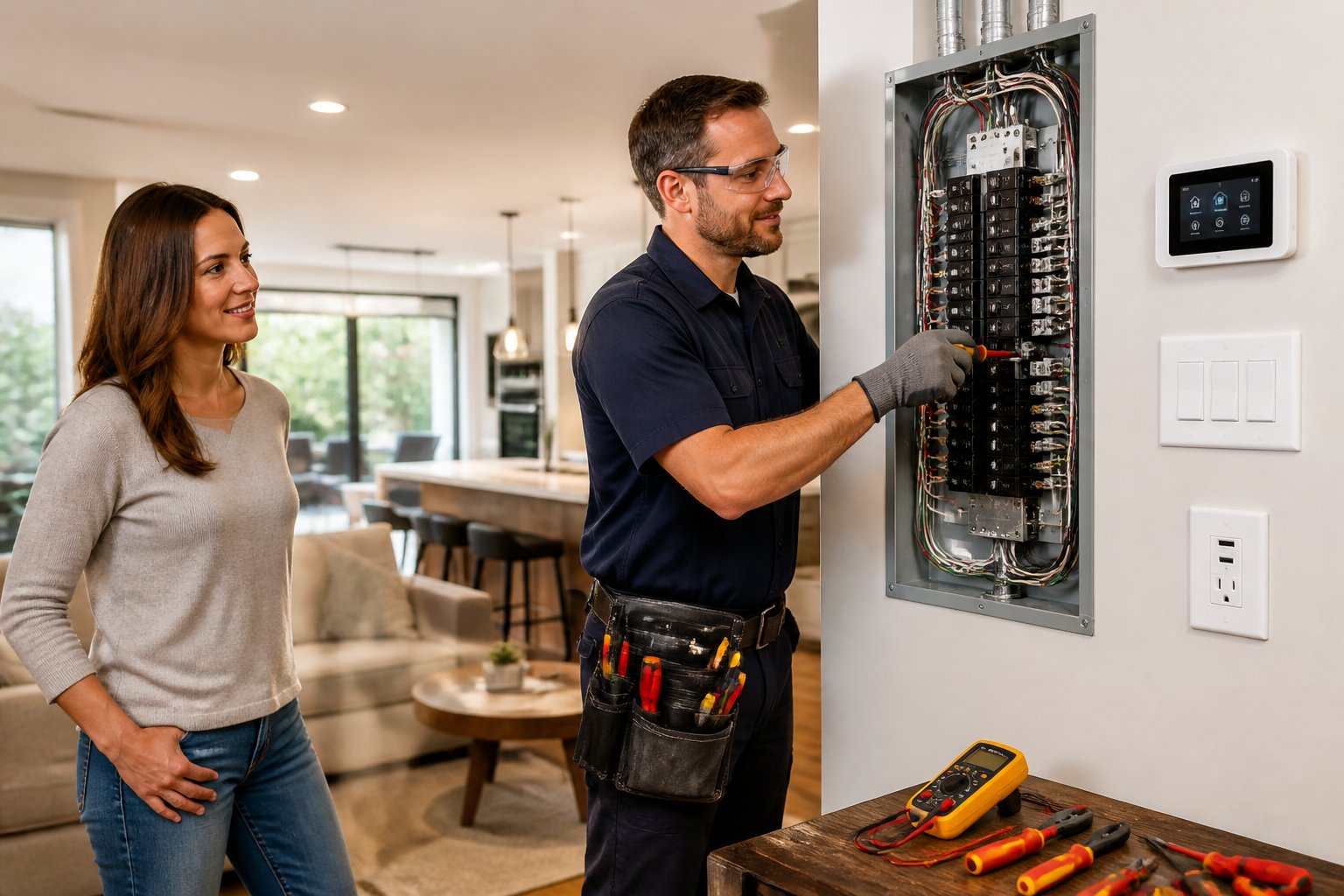
Think about your home’s electrical capacity. Older Davis homes often have limited panel space; you might need a subpanel or a bigger main panel to safely add new lighting circuits. Plan fixture placement to avoid glare on windows and screens, and make sure outdoor safety lighting covers steps and entries.
Safety and comfort matter. Use tamper‑resistant outlets and GFCI protection where it’s needed. Ask for a written plan and code‑compliant diagrams so the inspector signs off the first time.
Types of Residential Lighting
Layer your lighting: ambient, task, and accent. Ambient lights up the whole room—think recessed cans or ceiling fixtures. Task lighting handles work areas like kitchen counters or desks; under‑cabinet LEDs or pendants help you see what you’re doing. Accent lighting draws attention to features—wall washers, track lights, or directional fixtures.
Pick fixtures by room and what you need. Bathrooms need damp-rated fixtures and vanity lights at eye level for fewer shadows. Outdoors, go for motion sensors and dusk‑to‑dawn controls for safety. In living areas, dimmable LED fixtures keep things flexible.
Pay attention to wiring and controls. Smart switches, dimmers, and scene controllers let you adjust for comfort and save energy. Use the right gauge wire and balance loads across circuits so you don’t trip breakers.
Energy Efficiency Standards in Davis
Davis follows California’s energy rules, which push for LEDs and efficient controls. LEDs use about half the energy of old bulbs and last way longer. Use ENERGY STAR or Title 24–compliant fixtures for new installs and upgrades.
Add smart controls and timers. Stuff like photocells, occupancy sensors, and programmable dimmers cut down on wasted hours and lower your bill. For outdoor lighting, pick shields and warm‑white LEDs (2700–3000K) to keep light where you want it and meet local dark‑sky preferences.
Check for rebates and incentives. Local utilities sometimes refund part of the cost for efficient fixtures or controls. If you want help planning or need fast service, AAA Electrical Services offers safety-first work, flat-rate pricing, and stocked vans to keep the job moving.
Planning Your Home Lighting Project
Start by matching each room’s needs to the right fixtures and controls. Think about brightness, placement, and how the work fits your schedule and budget.
Assessing Your Lighting Needs
Walk through each room and jot down what you do there. Note tasks like reading, cooking, or working, and mark spots that need brighter, focused light versus softer, ambient light.
Measure ceiling heights and room sizes. This affects fixture size and brightness (lumens). Kitchens and bathrooms usually need more lumens and moisture-rated fixtures.
Check existing wiring, switches, and your panel’s capacity. Older homes may need circuit upgrades before you add new fixtures or dimmers. If you want smart controls or plan for an EV charger later, think about future power needs now.
Pay attention to safety and code. Exterior lights, stair lighting, and bathroom fixtures all have to meet local requirements. If you’re not sure, licensed pros can check things out and offer advice.
Creating a Lighting Design Plan
Sketch a simple layout: ambient, task, and accent layers. Ambient gives general light, task lights focus on work zones, and accents spotlight features like art or plants.
Choose fixture types for each job: recessed cans for ambient, under-cabinet strips for counters, pendants over islands. Match bulb color temperature to the room—warm for living spaces, cool for work areas.
Draw a wiring and switch map. Mark fixture spots, switch locations, and which circuit powers what. This avoids surprises during install and helps techs work faster when they show up with stocked vans.
Add in controls: dimmers, timers, motion sensors, and smart switches. These boost comfort and save energy. Label the plan with target brightness and fixture models to keep choices clear.
Budgeting for Installation
Split costs into three buckets: fixtures and bulbs, materials (wiring, boxes, switches), and labor or permit fees. Add 10–15% for surprises, like bad wiring or drywall patches.
Get flat-rate quotes from licensed electricians who are upfront about pricing. Ask if their vans carry parts for same-day fixes and whether permits are included.
Tackle upgrades by safety and impact. Replace unsafe or ancient fixtures first, then add accent or smart features later to spread out costs. Take advantage of any deals—like $35 off first service or a membership discount—to lower your upfront spend.
Hang on to warranties and electrician certifications. That paperwork can save you headaches if you need more work later in Sacramento, Roseville, Folsom, or nearby towns.
Choosing the Right Lighting Fixtures
Pick fixtures that fit each room’s use, size, and style. Think about brightness, color temperature, and safety features that actually protect your family and home.
Fixture Styles for Davis Residences
Match fixture style to your home’s vibe and the room’s job. If you’ve got an older Craftsman or bungalow in downtown Davis, warm-bronze or wood-accent pendants and wall sconces look great. For modern builds, try slim matte-black or brushed-nickel fixtures with clean lines.
Measure your room before you buy. A 12x12 room usually needs a 12–18-inch fixture; bigger living rooms need layered lighting (overhead plus task and accent). In kitchens, use bright, shadow-free pendants over islands and under-cabinet lights for counters. Bedrooms? Go for dimmable ceiling lights or recessed cans with bedside lamps for flexibility.
Pick durable, easy-to-clean fixtures. Use damp- or wet-rated options for bathrooms and covered porches so you stay up to code.
LED vs. Traditional Lighting
LEDs save energy and last way longer than old-school bulbs. A typical LED can cut lighting energy by 70–90% and run 15,000–25,000 hours or more, so you’re not changing bulbs every year.
Check lumens for brightness, not watts. For cozy spaces, pick 2700–3000K color temp; for kitchens and work areas, 3000–4000K gives clearer task lighting. Look for dimmable LEDs with compatible switches to avoid flicker. Make sure fixtures are LED-ready or rated for your bulb type.
Double-check safety and compatibility. Use fixtures and bulbs that meet local codes. If you want help, licensed electricians (like AAA Electrical Services) can install LED fixtures and update dimmer circuits for safe, reliable lighting.
Outdoor and Landscape Lighting Options
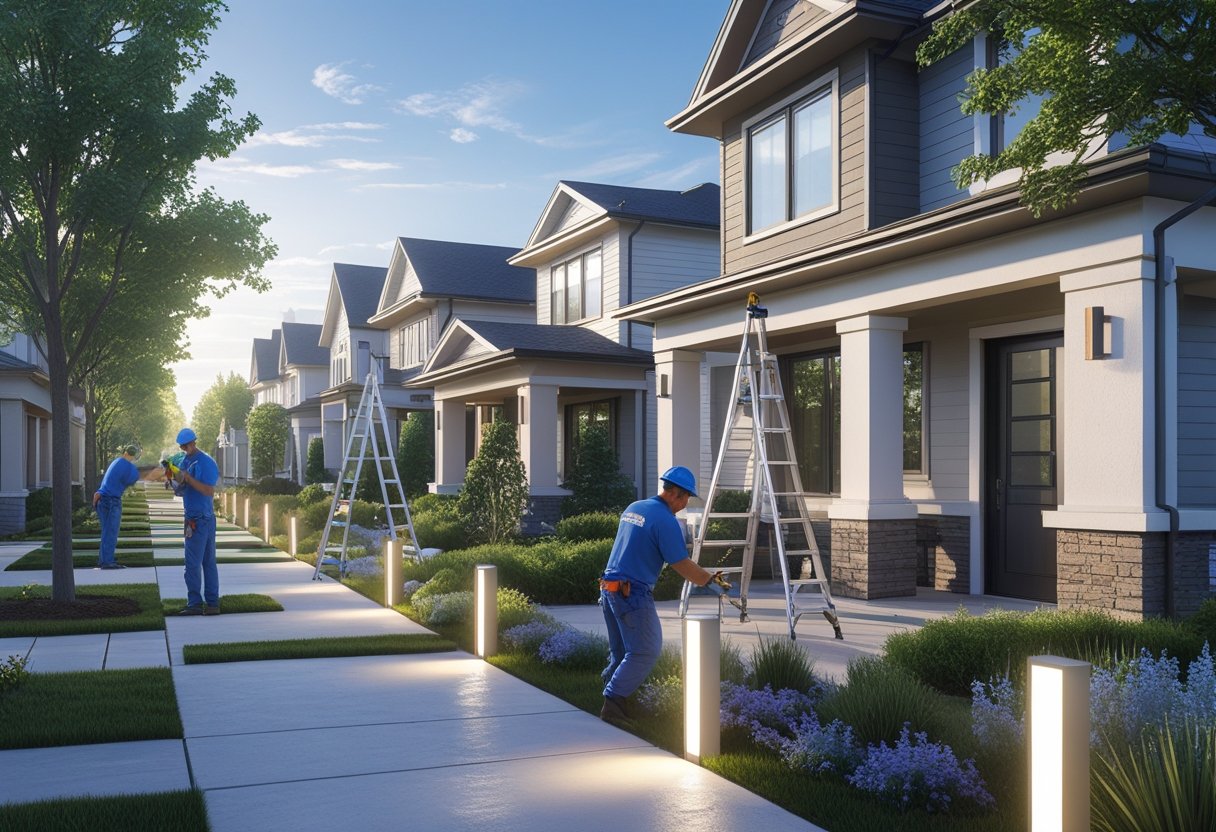
Outdoor lighting bumps up safety, curb appeal, and lets you use your yard after dark. Start with path lights and low-level step lights to prevent trips—pretty common in Davis neighborhoods.
Use downlights or wall-mounted sconces near entrances for clear sightlines. For landscaping, pick LED spotlights on adjustable mounts to highlight trees or architecture. Always use fixtures rated for wet locations and GFCI protection on outside circuits.
Put lights on timers, motion sensors, or smart controls to balance security and energy use. Solar fixtures can work for low-use paths, but hardwired LEDs give steady brightness and work with surge protection and your home’s circuits.
The Lighting Installation Process
Here’s what to clear, who should handle the work, and how long each step typically takes so your project stays safe and on track.
Preparing the Space
Clear a 6–10 foot area around the fixture and access panel so the electrician has room to work. Move fragile stuff, wall art, and furniture out of the way—especially if it blocks ladders or wiring paths. If the work will kill power to a circuit, unplug sensitive electronics and get them out of the zone.
Label any switches or dimmers you want to keep. Note where attic access, crawlspaces, and closets are in relation to the fixture. If you’re in Davis or nearby, mention any special access rules the tech should know about.
Leave a clear, well-lit path from the entry to the work area. It speeds things up and helps keep your home cleaner and safer.
Working with Licensed Electricians
Hire a licensed, insured electrician for any new wiring or fixture swaps. Licensed techs know code, use the right wire gauge, and install safety devices like AFCIs or GFCIs in the right spots. Always ask to see credentials and proof of insurance before they start.
Expect the crew to wear uniforms and use drop cloths to protect floors—it’s a good sign they care about your home. If the company runs stocked vans, they can often finish repairs the same day. Confirm flat-rate pricing and any deals, like $35 off for new clients or a membership discount.
Get a written scope and permit info if the job needs inspection. That protects you and helps the work pass local code.
Installation Timelines
A simple fixture swap? Usually 30–90 minutes. Recessed lighting or multi-fixture installs can take 2–6 hours per room, depending on attic access and how tricky the wiring is. Full-room lighting redesigns or rewiring often take a day or more.
Panel upgrades or new circuits for EV chargers need permits and inspections—plan for 1–2 weeks for scheduling and approvals. Same-day service can speed up repairs or single-fixture installs, but bigger jobs get scheduled after an on-site estimate.
Ask for a clear start time, expected duration, and any follow-up inspection date so you can plan around the work.
Smart Lighting Solutions for Davis Homes
Smart lighting can save energy, boost comfort, and make your home safer. You can pick bulbs, switches, and controls that fit your routine, save electricity, and work with other devices.
Features of Smart Lighting
Smart bulbs and switches let you change brightness, color temp, and on/off times from your phone. Look for LED smart bulbs with at least 800 lumens for living rooms, 400–600 lumens for bedrooms. If you want warm evenings and crisp daylight for chores, pick tunable white (2700K–5000K).
Sensors make life easier and safer. Motion sensors can turn on hallway or porch lights at night. Daylight sensors dim or shut off lights when the sun’s out. Timers and scenes let you change multiple lights with one tap.
Pick systems using Zigbee, Z-Wave, or Wi‑Fi based on your home. Zigbee and Z‑Wave are better for lots of devices; Wi‑Fi is simpler but can bog down your router. Make sure devices are rated for indoor or outdoor use and meet local codes.
Integrating Home Automation
Connect smart lighting to your home’s automation hub or voice assistant for hands-free control. Set up routines like “Goodnight” to turn off downstairs lights and dim bedroom lights. Link lights to door sensors or cameras so entry lights flip on when there’s motion.
When adding smart wiring or switches, use licensed electricians to avoid code headaches. A pro can swap switches, add circuits, or upgrade panels if you need more power for new devices. This helps prevent flicker or overloads.
Think about future needs—EV chargers, solar panels, smart thermostats. Planning now makes it easier to grow your system. Pros can help place hubs, routers, and smart gadgets so your network stays strong across the house.
Controlling Lights Remotely
Remote control puts lighting at your fingertips from anywhere—just open an app or a web portal. You can turn off lights you forgot, set up vacation schedules, or double-check that porch lights are on at dusk. Most apps even show you how much energy you’re using, so you might spot some savings.
Use strong, unique passwords and turn on two-factor authentication for your accounts. Update your router’s firmware regularly and, if you can, keep smart devices on a guest network. These habits help keep hackers out.
Need help with installation or a quick repair? AAA Electrical Services offers same-day service with flat-rate pricing. Their techs show up with fully stocked vans, so most fixes get done in one trip. They also stick to a safety-first approach in your home.
Sustainability and Eco-Friendly Lighting
Cutting energy use and reducing waste isn’t that hard—choose long-lasting fixtures, smart controls, and efficient bulbs. Even small changes, like switching to LEDs or picking more durable materials, can really improve comfort and lower your bills.
Selecting Sustainable Materials
Go for fixtures made from metal, glass, or certified wood. These last longer than cheap plastics and are easier to recycle. Try to find fixtures with replaceable parts, so when something breaks, you don’t have to toss the whole thing.
Pick LEDs with good drivers and modular designs. If you want dimmable LEDs, make sure they match your dimmer to avoid flicker or early burnout. ENERGY STAR and DesignLights Consortium (DLC) labels are good signs of quality and efficiency.
For outdoor fixtures, use marine-grade or weather-resistant finishes to prevent corrosion, especially with Davis’ weather swings. Ask your tech about fixture lifespan and recycling options. AAA Electrical Services can help you find fixtures that hit the sweet spot between durability, safety, and cost.
Reducing Energy Consumption
Switch every room to LED bulbs—they use about 70–80% less energy than incandescents. Start with high-use spots like porch lights, kitchen cans, and hallways for the biggest impact.
Add smart controls: occupancy sensors in the garage, motion lights outside, programmable timers, or smart bulbs to dim at night or shut off empty rooms. Dimmers and color-tunable LEDs help keep living spaces comfortable without wasting power.
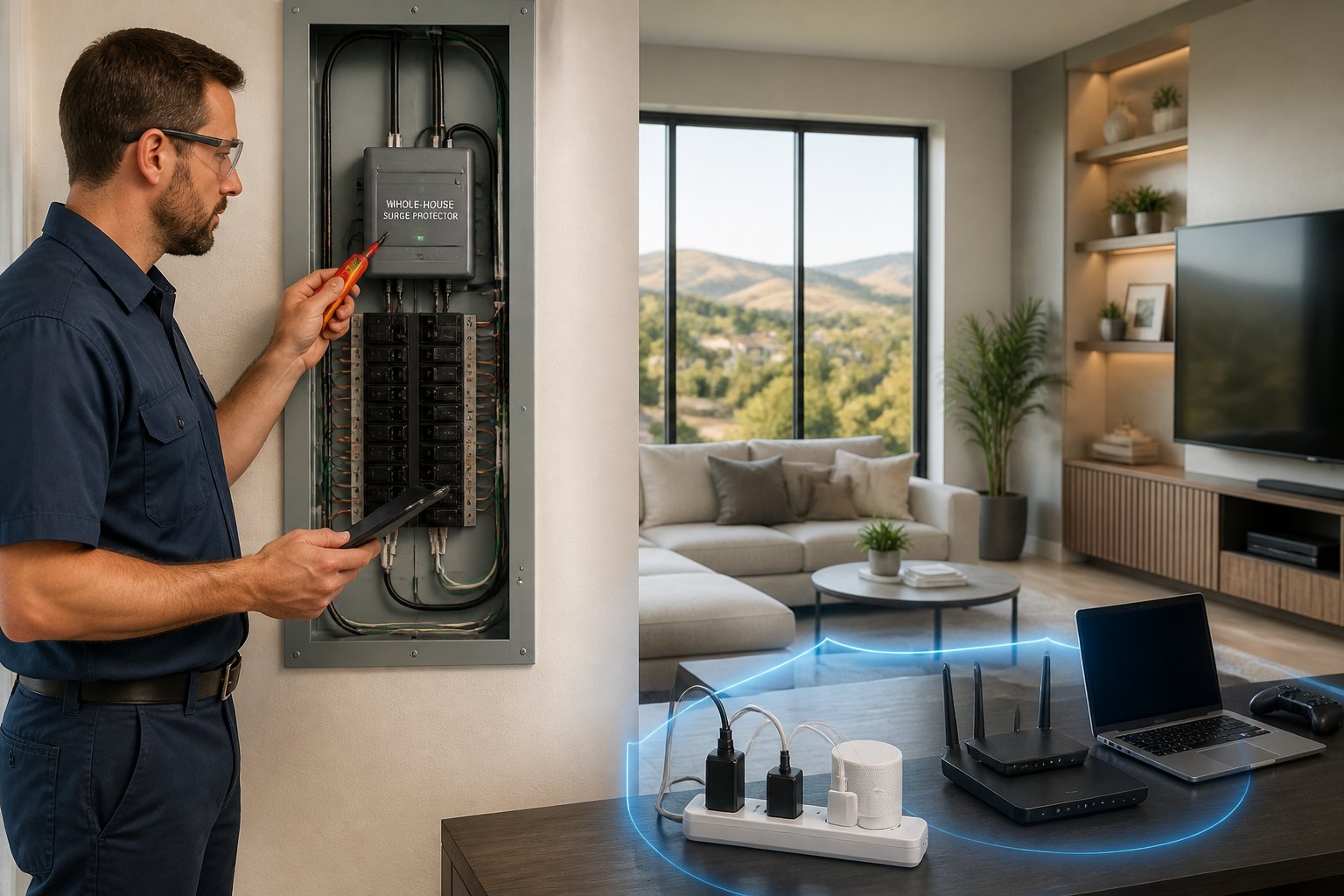
If you’re adding smart lighting, consider pairing upgrades with a panel or surge protection service. That way, your system can handle future EV chargers or other smart loads. A good technician will set up efficient circuits and recommend controls that fit your home and keep your family safe.
Safety Guidelines and Regulations
Stick to local rules and basic electrical safety to protect both your family and your house when installing lighting. Check if you need permits, label your circuits, and call in licensed professionals for wiring or new fixtures.
Local Building Codes in Davis
Davis goes by the California Electrical Code, plus local tweaks that affect wiring, fixture spacing, and permit requirements. You’ll need a permit for new circuits, ceiling fixtures, recessed lighting, or anything that changes your home’s electrical load. Permits mean you get inspections for safe grounding, proper box fill, and the right breaker size.
Inspections happen at rough-in and final stages, so plan for those when you schedule work. Living in a historic district or having solar/EV gear? More rules might apply. Hire a licensed electrician who knows Davis codes—they’ll get permits and pass inspections faster.
Electrical Safety Tips
Always turn off power at the breaker before touching any wiring. Double-check with a voltage tester to make sure the circuit’s dead. Don’t overload a circuit—stick to fixture and cable ratings.
Replace old cloth-insulated wiring and fix loose connections right away. Install GFCI protection where needed—outdoors, garages, basements, and crawl spaces. Keep the panel clear and label your breakers for quick shutoff. For bigger jobs, hire licensed pros like AAA Electrical Services for safe, code-compliant work and a tidy finish.
Hiring Lighting Installation Professionals
Find someone who puts family safety first, offers clear pricing, and shows up on time. Certified electricians who bring the right parts and know Davis-area codes are a must.
Selecting Qualified Contractors
Look for at least a few years of residential lighting experience in Davis or nearby cities like Sacramento or Roseville. Ask for references from similar recent jobs—think recessed lights, outdoor fixtures, or ceiling fans. Get a written estimate that includes flat-rate pricing, labor, parts, and permits so there are no surprises.
Choose techs who show up in uniform, drive stocked vans, and offer same-day service when possible. Ask how they handle surprises during installation and if they guarantee their work. A clear timeline and communication plan help you plan around your home life and keep everyone safe.
Verifying Licenses and Insurance
Ask for the electrician’s state license number and check it with the California licensing board. Make sure they carry liability and workers’ comp insurance—ask for proof before work starts. This protects you if there’s an accident or damage.
Make sure your contractor follows Davis codes and pulls any needed permits. If you’re hiring a company, check that their techs are background-checked and Nexstar- or state-certified. AAA Electrical Services meets these standards and focuses on safety-first work, transparent pricing, and speedy repairs.
Maintaining and Upgrading Your Lighting
Keep your lights safe and running well by checking bulbs, fixtures, and controls regularly. A little maintenance goes a long way for safety and energy savings.
Routine Maintenance Tips
Swap out bulbs that flicker, dim, or buzz—use LEDs rated for your fixture. Outdoor lights need wet-location bulbs.
Tighten loose fixtures and clean lenses to prevent hot spots and keep light output up. Always turn off power at the breaker before working on wiring or fixtures.
Check switches and dimmers for heat or cracks. If a switch feels warm or trips a breaker, stop using it and call for repairs.
Test exterior and motion sensors every month. Replace backup batteries and trim plants that block sensors or fixtures.
Keep a log of when you change bulbs, clean fixtures, or have wiring checked.
For quick fixes, look for a provider with stocked vans and same-day service in the Sacramento area.
When to Upgrade Fixtures
Upgrade if you spot corrosion, exposed wiring, or fixtures that don’t meet modern safety standards. Old porcelain or cloth-insulated wiring should be replaced.
Choose LED fixtures or retrofit kits to save energy and cut heat. ENERGY STAR or similar ratings mean better efficiency.
If you’re adding high-draw devices like EV chargers, solar, or a new HVAC, upgrade your panel and circuits first. This helps you avoid nuisance trips and keeps things safe.
Smart switches and dimmers give you zone control and energy savings. For panel work, circuit changes, or hardwired smart installs, hire licensed techs to keep your family safe.
AAA Electrical Services offers safety-first work, flat-rate pricing, and certified techs if you need pro help with upgrades or inspections.
Frequently Asked Questions
Got questions about lighting installs in Davis? Here’s some practical advice on safe DIY steps, how to vet pros, warranty coverage, and how your home’s wiring might affect your choices.
What are the best practices for DIY lighting installation in homes?
Turn off power at the breaker before doing anything. Use a voltage tester to make sure the circuit’s dead.
Match new fixtures and bulbs to your existing voltage and socket type. Follow the fixture’s instructions and use the right size wire connectors.
If you need to swap a ceiling box, make sure it’s rated for the fixture’s weight. Not sure? Call a licensed electrician so you don’t risk a fire or structural problems.
How can I find reputable lighting installation services near me?
Check listings for licensed electricians in Davis and nearby spots like Sacramento and Folsom. Look for companies that show their licensing, insurance, and offer same-day service.
Ask if techs are background-checked and if their vans are stocked for quick repairs. AAA Electrical Services is an option if you want family-safety-first work and flat-rate pricing.
What should I look for in reviews when choosing a lighting installation company?
Look for reviews mentioning on-time arrivals, clear pricing, and tidy work. If people say the crew finished in one visit, that’s a good sign.
Pay attention to comments about communication and safety. Honest estimates and respectful techs matter more than a single perfect review.
What types of lighting installations are covered under a typical home warranty?
Most home warranties cover built-in lighting fixtures and hardwired systems, but usually skip bulbs, transformers, and decorative fixtures. Check for exclusions on wiring and code upgrades.
If your project needs a panel upgrade or new circuits, warranties probably won’t cover that. Ask your warranty provider for a detailed list before hiring anyone.
Are there specific lighting design recommendations for custom homes?
Plan for layers: ambient, task, and accent lighting to fit how you use each room. Dimmers and separate circuits give you control and flexibility.
LED fixtures offer long life and energy savings. For big rooms or high ceilings, hire a pro to calculate load and mounting needs so everything’s safe and up to code.
How does the electrical infrastructure of a home affect lighting installation choices?
Panel capacity really shapes what you can do—if you’re out of room for new circuits, or your panel’s ancient, you might be looking at an upgrade or maybe adding a subpanel before you can go wild with new lights.
Wiring type? That’s a biggie too. If your place still has knob-and-tube or aluminum wiring, it might be time to swap it out just to keep things safe and up to code. Honestly, it’s smart to have a licensed electrician check things over and help you figure out the safest next step.