Upgrading or installing an electrical panel in the Sacramento area protects your home and gives you space to add EV chargers, solar, or new appliances—without those annoying tripped breakers. Honestly, you want a licensed, safety-first team that offers flat-rate pricing, same-day service, and comes prepared with stocked vans. Most issues get fixed in just one visit, so you’re not left waiting.
Here’s what you can expect for panel installation, local costs and incentives, how pros handle permits and inspections, plus a few simple maintenance tips to keep your system safe. AAA Electrical Services brings over 40 years of local know-how and certified techs who treat your home with respect.
You’ll get a feel for choosing a trustworthy installer, what types of panels make sense for Sacramento homes, and some ways to future-proof your setup for EV charging or solar.
Overview of Panel Installation in Sacramento Area
Panel work here centers on safe, code-compliant upgrades, timely repairs, and options that fit homes and businesses across the region. You’ll see choices for capacity, subpanels, and integration with generators or solar—all built around local needs and codes.
What Is Panel Installation?
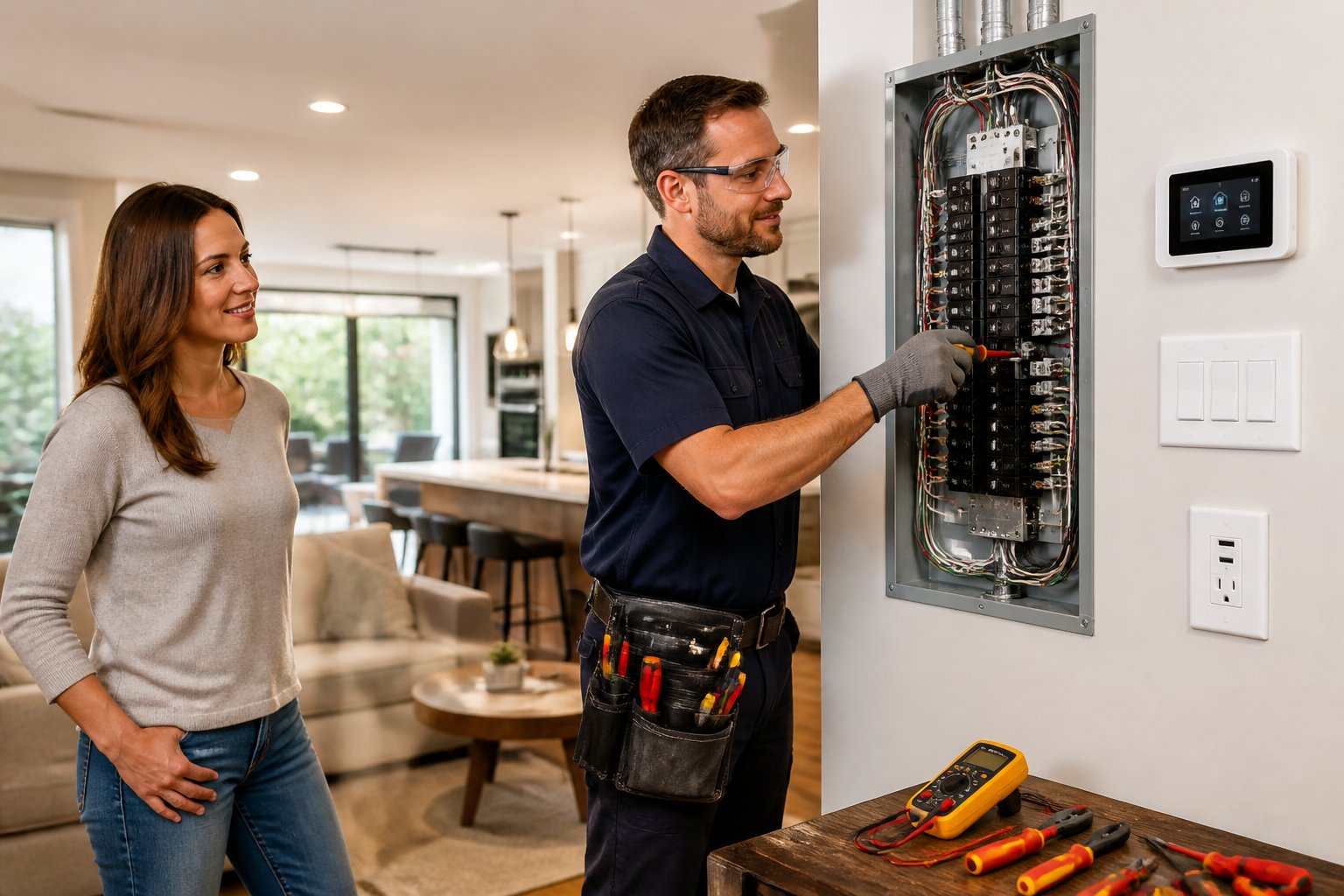
Panel installation means replacing or upgrading your main electrical panel, the thing that distributes power throughout your home or business. Techs check your load needs, swap out old panels, and wire new breakers so everything runs safely.
Expect a full inspection of your existing wiring, breaker compatibility, and grounding. Permits and code checks are just part of the deal in Sacramento and nearby cities like Roseville and Elk Grove.
Techs will test for overloaded circuits, corrosion, and outdated panels that can’t keep up with today’s loads. If you’re thinking about EV charging or a generator, mention it early so they can size the panel right.
Residential Versus Commercial Installations
Residential panel work usually means 100–200 amp service upgrades, adding subpanels, or getting ready for EV chargers or solar. Most installs take a few hours to a day, depending on what you’re adding and how fast you get permits.
Commercial work? That’s a different beast—bigger service sizes, complex metering, and business-grade breakers. These jobs often need coordination with building managers, utilities, and can take longer to permit.
You want techs who understand both settings and put safety first. Same-day service and stocked vans get homes back online quickly, while commercial jobs need solid project planning and certified crews.
Local Industry Trends
Lately, more Sacramento-area homeowners are upgrading panels for EV chargers, whole-home generators, and solar tie-ins. Upgrades and subpanels help you add appliances without blowing breakers.
Permits and code enforcement are getting stricter across Sacramento, Folsom, and Rancho Cordova. So, installers need to be fully licensed and follow inspection rules.
Flat-rate, upfront pricing and techs who carry parts for quick fixes make life easier. AAA Electrical Services fits this bill with same-day service, stocked vans, and a safety-first mindset you can actually trust.
Benefits of Professional Panel Installation
A pro install cuts fire risk, keeps you up to code, and gets your home ready for bigger power needs. It can also cut energy waste and lower repair costs in the long run.
Enhanced Safety and Compliance
A licensed electrician checks wiring, grounding, and breaker placement to stop hazards before they become a problem. Properly tightened connections and the right breaker sizing lower the chance of overheating and electrical fires.
Permits and inspections make sure the work meets Sacramento-area code and utility rules. That protects your family and helps if you ever need to sell your home or file an insurance claim.
Techs use tested parts and follow manufacturer specs. You get paperwork—warranty info and inspection reports—to prove the job was done right.
Improved Energy Efficiency
A modern panel balances loads so circuits don’t overload and your devices run smoother. That means less wasted electricity from tripping breakers or voltage drops.
Upgrading lets you add dedicated circuits for EV chargers, HVAC, or solar systems without stressing the old lines. This keeps you from constantly resetting breakers and helps appliances last longer.
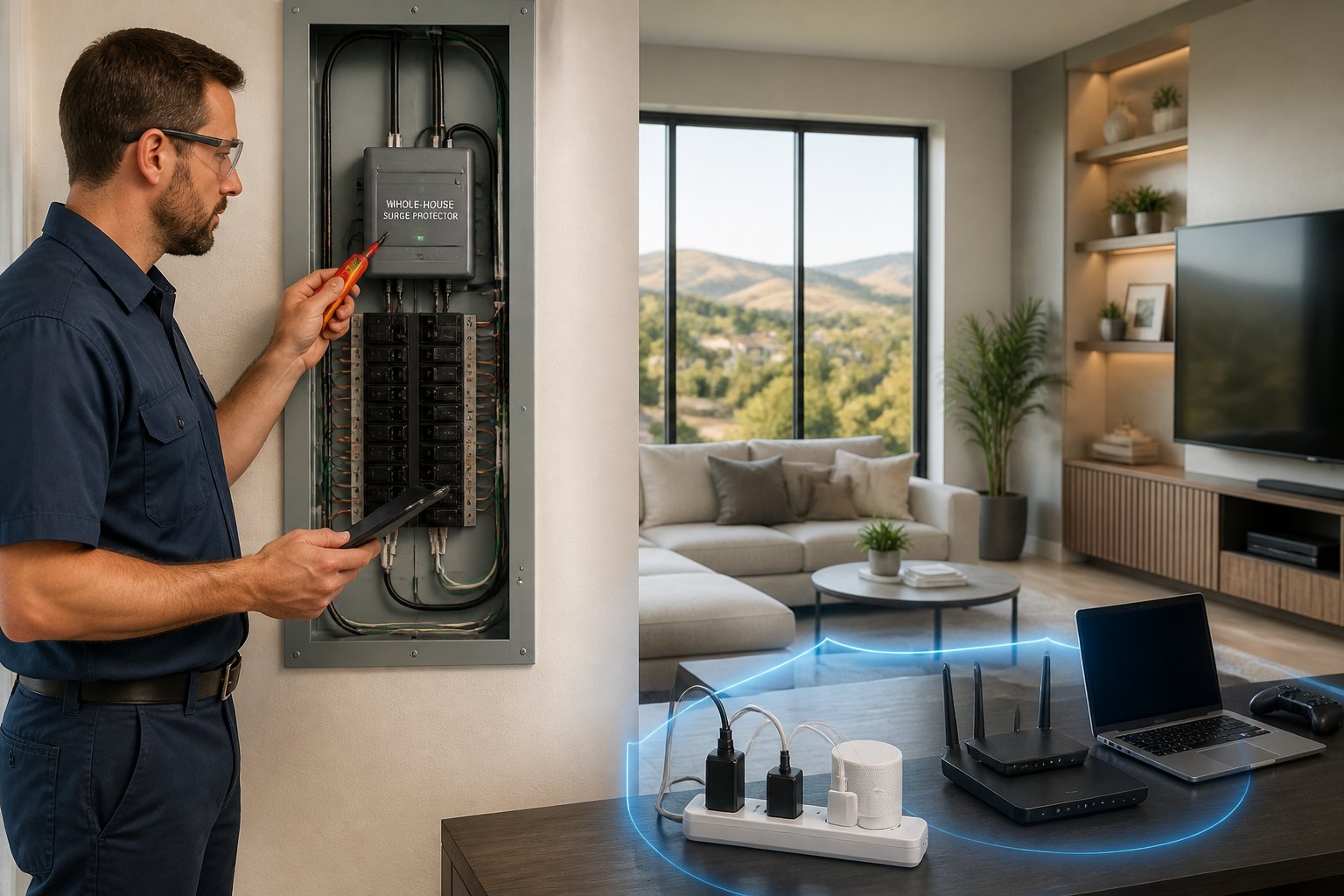
Techs might recommend energy-saving upgrades like AFCI/GFCI breakers and surge protection. Those extras protect sensitive electronics and cut the risk of damage from power spikes.
Long-Term Cost Savings
A good install avoids repeat calls for nuisance trips or overheating. Fewer repairs mean you spend less on labor and parts over the panel’s life.
If you future-proof with the right panel size, you’ll save money when you add an EV charger, new HVAC, or expand your home. You skip the panic (and price) of emergency upgrades later.
Pick a pro who carries parts in their van and offers flat-rate pricing. Same-day fixes and no surprises on the bill? That’s peace of mind.
Choosing the Right Panel Installer
Go with a local, licensed crew that puts safety first, offers clear pricing, and brings the parts needed to finish most jobs that day.
Licensing and Certifications
Check that your installer holds a California electrical contractor license and that every tech is state-certified. Don’t be shy—ask for license numbers and look them up with the California Contractors State License Board.
Look for extra training—Nexstar, manufacturer certs for panels and transfer switches. These show the crew knows modern gear and local code requirements.
Make sure the company has liability and workers’ comp insurance. Ask for proof before work starts, so you’re not on the hook if something goes wrong. Also, ask if they background-check techs who’ll be in your home.
Experience With Sacramento Area Projects
Hire someone who’s done plenty of jobs in Sacramento and the cities you care about. Local experience matters for permits, inspections, and dealing with utilities.
Ask how many panel installs or upgrades they do each year, and if they handle generator tie-ins or EV-ready panels. A team that stocks parts in their vans can usually finish in one trip, which means less downtime for you.
Make sure they know county and city rules in places like Roseville, Elk Grove, and Folsom. That helps avoid delays or expensive rework.
Customer Reviews and Testimonials
Read up-to-date reviews that mention punctuality, clear pricing, and cleanup. Look for feedback on same-day service, friendly techs, and invoices that match the estimate. These details show if a company keeps its promises.
Ask for local references you can actually call. Keep questions simple: Did the crew show up on time? Was the place left clean? Were permits and inspections handled?
If you want a provider with 40+ years of local experience, flat-rate pricing, and a safety-first approach, AAA Electrical Services is worth a mention.
Panel Installation Process in Sacramento
Let’s break down what happens during a panel install—from the first visit to the final checks. You’ll see how the team sizes up your home, handles permits, works on install day, and cleans up after.
Initial Site Assessment
A tech inspects your electrical panel, meter, service entrance, and grounding. They measure your current load, note old wiring, and check breaker capacity to recommend the right panel size and circuit layout.
Expect a chat about future needs like EV charging, generators, or solar. They’ll record appliance loads and flag upgrades that prevent overloads. If you’ve got a fused or obsolete panel, they’ll point out safety risks—overheating, buzzing, or frequent trips.
They’ll also look for access headaches—tight attics, landscaping, garage clutter—that could slow things down. Ask for a written estimate that lists parts, labor, and any extras like conduit or meter relocation.
Permitting and Local Codes
Your installer pulls the permits with the city or county office covering Sacramento and nearby towns. This keeps things up to California and local building codes, plus utility rules for meter and service work.
Permits usually cover panel size, breaker types, grounding, and clearances. The tech files plans or an application, pays fees, and you’ll get permit info with expected inspection timing. If you need meter upgrades or service changes, the utility might need to coordinate a shutdown.
Make sure your installer checks code details—panel clearance, arc-fault/ground-fault protection, proper bonding. This helps avoid delays or rework at inspection. Ask about permit costs and who handles the paperwork; most licensed companies roll that into their service.
Installation Day Steps
Techs show up with tools and a “warehouse on wheels” van so they can finish most jobs same day. They shut off power at the meter or main, remove the old panel, and label circuits.
Next, they mount the new panel, install breakers, and upgrade grounding or bonding if needed. If you ordered a surge protector or subpanel, they’ll wire and test those too. If they find corroded conductors, hidden knob-and-tube wiring, or other surprises, they’ll keep you updated about changes in scope or cost.
They test each circuit, check load balance, and verify GFCI/AFCI protection where required. Expect a quick walk-through of what’s changed and a written receipt listing parts, labor, and any warranty or service agreement.
Final Inspection and Cleanup
Once wiring’s done, the installer schedules the municipal inspection and helps coordinate with the inspector. The inspector checks code compliance and signs off if everything looks good.
Techs fix any minor issues the inspector flags, then retest circuits. They tidy up, haul away debris, and leave panel covers and paperwork in place. You should get labeled breaker IDs, permit/inspection docs, and info for any new gear like surge protectors.
Confirm warranty terms and ask how to reach the team for follow-up. If you like quick fixes and clear pricing, mention same-day service and flat-rate options when you book future work.
Types of Panels Commonly Installed
Here’s what you should know about the panel types that fit most Sacramento homes, how they handle power needs, and what to check before you commit.
Electrical Panels
Electrical panels (main service panels) distribute power to your home’s circuits. You’ll see common sizes like 100A, 150A, and 200A. Pick a size based on your home’s square footage, big appliances, and any planned upgrades like EV chargers or new HVAC.
During install, techs check wire condition, grounding, and breaker compatibility. Permits and code compliance matter in Sacramento and nearby cities. Licensed pros doing safety-first work reduce fire risk and keep your circuits balanced.
If your panel’s old, overcrowded, or uses outdated breakers, it’s time for an upgrade. AAA Electrical Services offers flat-rate pricing, same-day service, and stocked vans for speedy fixes.
Solar Panels
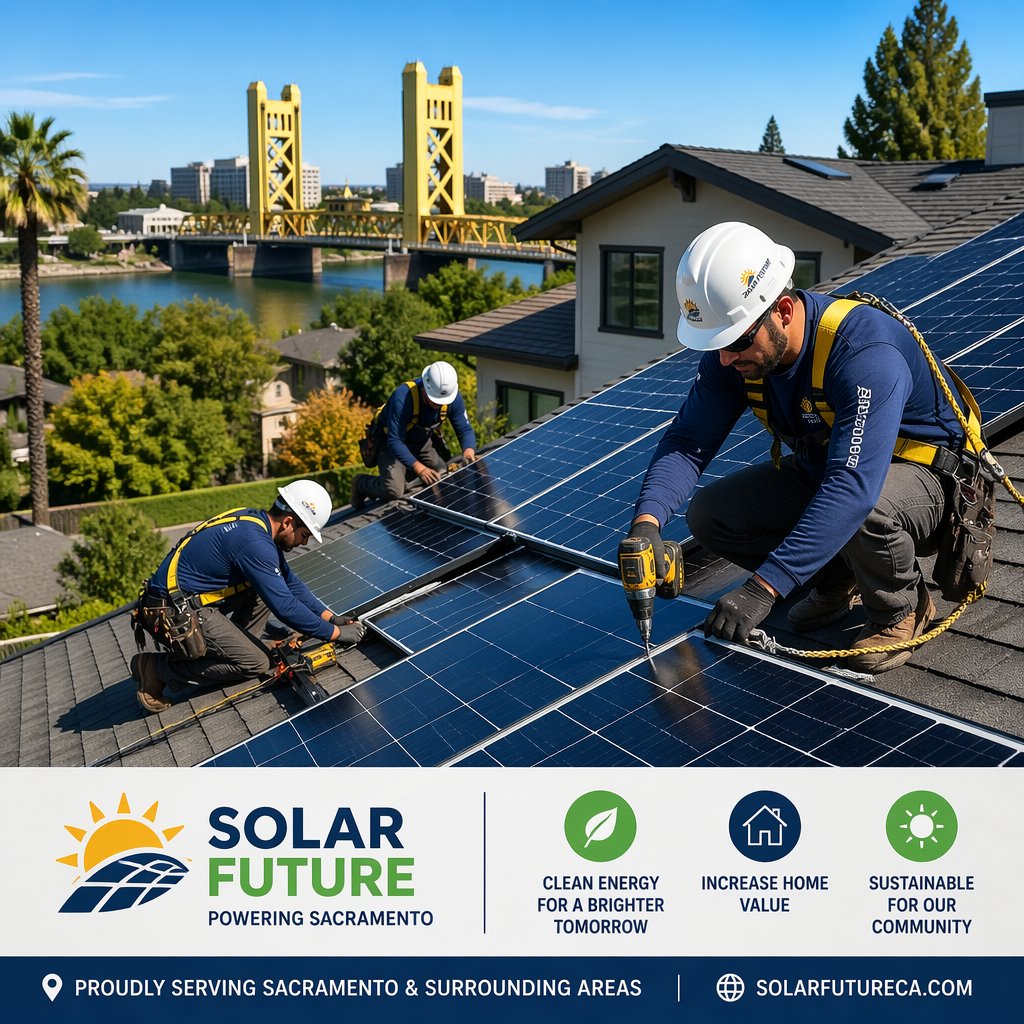
Solar panels turn sunlight into electricity and connect to either the main panel or a dedicated subpanel. You’ll size your solar array based on roof space, production goals, and local sunlight. Inverters and, if you want, batteries decide how much solar power you can use or store.
Installers check your main panel’s capacity and might suggest a panel upgrade or tie-in kit. Sacramento permits and utility agreements affect timing and costs. Solar maintenance means checking mounts, inverter status, and panel cleanliness.
Think ahead—plan for extra capacity if you’ll want an EV charger or addition later. Good grounding and safety practices protect both your solar system and your home.
Smart Panels
Smart panels add monitoring and control to old-school panels. You can see circuit-level energy use, get alerts for overloads, and sometimes even turn circuits on or off remotely. Super handy for spotting high-usage devices and managing energy.
Smart panels often work with solar systems and EV chargers. Installation might mean new breakers, comm modules, and a network connection. Your electrician will check if your home wiring works with the new tech and suggest upgrades if needed.
Smart panels can save you trips to the breaker box and help you plan for future electrical needs. Honest pricing and certified techs make sure the upgrade goes smoothly and keeps your family safe.
Cost Factors in Sacramento Panel Installation
You’ll notice costs shift depending on the panel parts you pick, how long a licensed electrician spends on the job, and the local permit and inspection rules. Most folks want clear, flat-rate pricing and quick service—no surprises—so it’s worth asking if the crew comes prepared.
Material Costs
Material prices depend on panel amperage, brand, and the accessories you need. Swapping a basic 100–150 amp panel costs less than installing a 200 amp or bigger one. You’ll also pay for new breakers, bus bars, grounding gear, and any permits or meter socket changes if there’s a meter upgrade in the mix.
Need new wiring, surge protection, or a subpanel? Add those to the list. Top-notch breakers and surge gear cost more up front, but they last longer and keep things safer. Always ask for an itemized parts list—no reason to guess what you’re paying for.
Labor Charges
Labor costs swing with the job’s complexity and what local electricians charge around Sacramento. A straightforward panel swap might take just a few hours, but if you need rewiring, panel relocation, or utility coordination, the workday stretches out.
Fully licensed, background-checked techs may charge more per hour, but they cut risk and make sure everything’s to code. AAA Electrical Services, for example, offers flat-rate, upfront pricing and brings stocked vans, so many jobs wrap up in a single visit—that can actually save you on labor.
Permit and Inspection Fees
Permits and inspections? Yeah, they’re required almost everywhere in the Sacramento area and add to the bill. Permit fees depend on your city or county; usually, you’re looking at a few hundred bucks, but it varies between Roseville, Elk Grove, Folsom, and the rest.
Inspections by the local building department make sure your panel meets code and is safe. If the inspector finds issues, you’ll pay for fixes and maybe a reinspection fee. Don’t forget to budget for permits, inspection costs, and any utility work if the meter or service drop needs changes.
Incentives and Rebates Available Locally
You might be able to cut your panel upgrade costs with utility rebates and tax credits. Read the fine print, keep your receipts, and pull permits before work starts—don’t skip those steps.
Sacramento Municipal Utility District Programs
SMUD often gives rebates for upgrades tied to EV chargers, panel improvements, and energy storage. If your property’s in SMUD territory and you follow their specs, you could qualify.
Usually, you’ll:
- Apply online or call before installing anything.
- Show proof of purchase, a permit, and the final inspection.
- Use a licensed electrician—otherwise, you’re out of luck.
Rebate details and names change, so check SMUD’s website or call them. AAA Electrical Services can help with paperwork, permit-ready installs, and making sure you meet SMUD’s tech rules, which boosts your odds of approval.
State and Federal Tax Credits
California and the federal government both offer tax incentives for energy upgrades that can bring down your panel project cost. Federal credits might cover part of the install for qualifying energy storage or whole-home upgrades tied to renewables.
A few things to know:
- Eligibility shifts year to year, and depends on what you’re installing and who’s doing the work.
- You’ll need invoices, permits, and inspection proof to claim credits.
- Some state programs have income or location limits.
Talk to your tax advisor to see how these credits apply to your case. Keep every scrap of documentation—you never know when you’ll need it at tax time.
Maintenance Tips After Installation
Keep your new panel safe and reliable by checking it regularly, looking for warning signs, and calling a pro if things get dicey. Staying on top of this stuff protects your family and helps you avoid those annoying, unexpected outages.
Routine Inspections
Take a look at your panel every 3–6 months. Check for loose screws, burn marks, rust, or moisture near the box. Make sure the door shuts tight and the circuit labels are still easy to read.
Test ground-fault and arc-fault breakers—just follow the manufacturer’s test button instructions every six months. Walk around the house and see if any lights dim or outlets feel warm. Keep at least 36 inches clear around the panel so you can get to it fast if you need to.
Jot down anything odd and keep a simple log with dates. Bring that log to your next service call—it’ll help techs spot patterns and fix things quicker.
Troubleshooting Common Issues
If a breaker trips, turn off or unplug whatever’s on that circuit, then reset the breaker. If it trips right away again, stop using those devices and label them. Flickering lights? Usually a loose connection—try tightening bulbs and checking switches before blaming the panel.
Hear buzzing or popping from the panel? Turn off the affected circuit and don’t touch the box. Warm breakers or a burning smell are major red flags—cut power if you can do it safely and keep everyone away.
For minor stuff like a single tripped breaker or a loose outlet, you can try basic fixes. But if it doesn’t respond or just feels unsafe, don’t mess around—call a pro.
When to Call a Professional
Call a licensed electrician if breakers keep tripping, you smell burning, or you see sparks or scorched wires. Also call if you’re adding high-draw stuff like EV chargers, generators, or new HVAC—don’t risk overloading the panel.
Ask for same-day service if you’ve got a safety risk or no power. Pick techs who are licensed, insured, and background-checked. If you’re in Sacramento or nearby, AAA Electrical Services offers flat-rate, same-day visits and keeps vans stocked for quick fixes. Hang onto your records and receipts—they help with warranties and future upgrades.
Future Trends in Sacramento Panel Installations
More and more homeowners are planning panel upgrades to power EV chargers and solar arrays. New panels give your home space to grow and cut down on annoying breaker trips.
Smart panels and home energy monitoring are catching on. They let you track usage, spot issues early, and shift loads to save energy. Handy, right?
Expect local programs and rebates to help with costs. Sacramento and nearby cities keep rolling out incentives to lower your upfront price.
Contractors are leaning into fast, tidy service—same-day visits, flat-rate pricing, and stocked vans so you’re not left waiting around.
Safety-first isn’t going anywhere. Licensed, background-checked techs will keep handling permits and code compliance so your install meets all the local rules.
Thinking ahead? You might want a panel that supports future tech like battery storage. That move keeps your home’s value up and leaves your options open for energy resilience.
AAA Electrical Services brings over 42 years of local know-how and a family-safety-first attitude to installs across Sacramento and nearby towns. Honest pricing and certified techs give you some peace of mind—not a bad thing these days.
Frequently Asked Questions
Here’s where we tackle common questions about cost, safety, permits, timelines, and upkeep. You’ll also find tips for picking a local electrician and what programs might help offset upgrade costs.
What should I consider before choosing a residential panel installation service in the Sacramento area?
Check their license and insurance first. Make sure the tech is state-certified and background-checked.
Ask about their experience with panel upgrades, breaker swaps, and generator tie-ins. Look for flat-rate pricing and written estimates—no one likes surprise bills.
Find out who handles permits and inspections. In Sacramento, you almost always need permits and an approved inspection before the job’s officially done.
Go with teams that protect your home during work. Uniforms, cleanup, and stocked vans for quick fixes are all good signs.
How can I find qualified professionals for panel installation in my local Sacramento neighborhood?
Look for local companies with decades of experience or great reviews. Check recent feedback about punctuality, communication, and quality of work.
Call and ask: Are you licensed in California? Do you carry insurance? Will you get permits and handle inspections?
Ask for a written scope, timeline, and flat-rate quote. Check if they offer same-day service and if their vans have the parts for quick repairs.
What are the latest safety standards for electrical panel installations in California?
Panels must meet the National Electrical Code and California code updates. That means proper breaker sizing, grounding, and AFCI/GFCI protection where needed.
No open neutrals or overloaded circuits allowed. Inspectors check clearances, labeling, and secure mounting.
Installers should follow local utility rules for meter and service work, pull permits, and pass the city or county inspection.
Can you explain the process and timeline for installing a new panel in my home?
First, the electrician checks your service, wiring, and load needs. You’ll get a written quote and they’ll pull the necessary permits.
On install day, expect your power to be off for several hours. The crew removes the old panel, installs the new one, reconnects circuits, and labels everything.
Afterward, the inspector comes by to approve the work. Usually, it’s 1–3 days for planning and permits, one day for installation, then inspection scheduling.
What kind of maintenance should I expect after the installation of an electrical panel?
Plan on a visual check and tightening connections every few years. Watch for tripped breakers, flickering lights, or burning smells—call a pro right away if you notice any of that.
Consider annual or biannual electrical inspections to catch wear or code updates. Surge protection and grounding checks keep your devices and family safer.
Keep the panel area clear and labeled so first responders can find shutoffs in an emergency.
Are there any incentives or rebates for upgrading my electrical panel in the Sacramento area?
You might find local utility or state programs that help with energy efficiency upgrades, especially if you're adding solar, EV chargers, or a whole-home energy system. It's worth checking with your utility or browsing California energy programs to see what's out there right now. Honestly, a good installer usually knows the ropes and can guide you through the paperwork.
AAA Electrical Services offers safety-focused upgrades, flat-rate pricing, and same-day service around Sacramento and nearby cities.