You want your home to feel safe, steady, and ready for daily life. That’s why electrical tune ups can really boost peace of mind—they help you spot small problems before they turn into outages, shocks, or fire risks. For Sacramento-area families, that kind of reassurance matters, whether you’re in an older Carmichael house, a newer build in Roseville, or a busy Elk Grove home.
When a pro checks your system, you get a clear sense of how things are running. It supports electrical safety, keeps maintenance on track, and makes routine electrical maintenance feel less stressful. You know a licensed electrician has looked at the important stuff.
Key Takeaways
- Small electrical issues are easier to solve early.
- A checked system feels safer and more reliable.
- Professional care helps you plan ahead with confidence.
What A Tune-Up Checks First
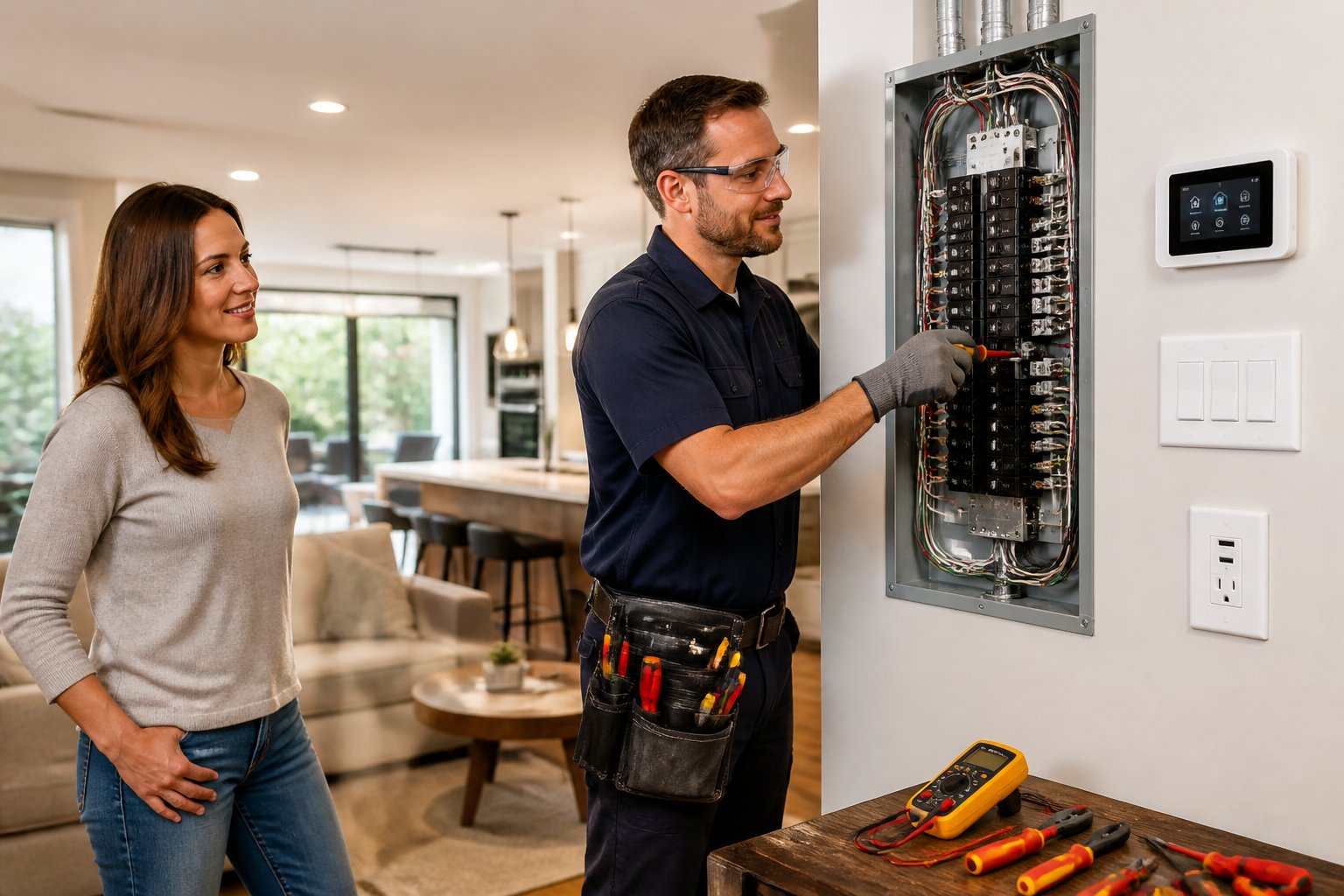
A thorough electrical panel tune-up starts with the parts that control power and show the first warning signs. During a panel inspection, a licensed electrician looks for wear, heat, corrosion, loose parts, and any hints that your electrical panels need attention before things get worse.
Electrical Panel And Breaker Testing
The electrical panel is usually the first stop—a control center for your home. Testing breakers and making sure they reset properly can uncover overloaded circuits or aging parts before they cause headaches.
A careful inspection shows if the panel is keeping up with your needs, whether you’ve got a standard board, an older setup, or something newer that still needs electrical inspections.
Outlets, Switches, And Visible Wiring
Outlets, switches, and visible wiring can quietly wear out. A tune-up might turn up loose outlets, heat damage, or wiring issues that hint at hidden problems inside walls or in busy rooms.
This step matters most in kitchens, garages, and home offices—places where outlets work overtime. It helps you see if you need a quick fix or something more involved.
Grounding, GFCI, And AFCI Protection
Grounding keeps faults away from people and gear. A professional checks GFCI protection in wet spots and AFCI devices (arc-fault circuit interrupters), which cut down arc-related fire risks.
If your home has AFCIs, a tune-up makes sure they actually work. These checks help you trust that your electrical system is protecting the places where your family spends time.
Warning Signs Homeowners Should Not Ignore
Some electrical problems give you a heads-up before things get urgent. Notice changes in lighting, heat, smell, or how breakers act? Those could point to bigger hazards.
Flickering Lights, Dimming Lights, And Power Changes
Flickering or dimming lights might seem like no big deal, but they can mean loose connections, overloaded circuits, or a panel that’s struggling. If lights change when you use appliances, your system might be asking for a checkup.
Power changes show up before a breakdown in Sacramento, Natomas, and Folsom homes. If you catch it early, you can dodge bigger repairs and get back to stable power faster.
Warm Outlets, Burning Smells, And Buzzing Sounds
Warm outlets aren’t normal, and neither are burning smells or buzzing near switches, outlets, or the panel. Those can mean overheating, bad wiring, or something else that could get dangerous.
If you spot any of these, don’t wait—schedule same-day service if you can. Fast help from AAA Electrical Services can cut your risk and get you answers quickly.
Frequent Breaker Trips And Power Failures
Frequent breaker trips usually mean a circuit’s overloaded, a breaker’s failing, or something’s pulling too much power. Power failures might point to damaged wiring or a panel problem that needs a pro.
When breakers trip more than once, your system’s trying to protect you. A licensed electrician can zero in on the cause and help you get reliable power again before things get worse.
How Tune-Ups Help Prevent Fire And Shock Risks
A tune-up does more than boost performance—it helps you spot fire hazards and shock risks before they reach your family. By checking weak spots early, a professional can cut the odds of small issues turning into emergencies.
Catching Loose Connections And Faulty Wiring Early
Loose connections can make heat, sparks, and annoying power glitches that only get worse. Faulty, bad, or outdated wiring can hide risk, especially in older homes that have seen lots of changes.
A good inspection makes it easier to catch these while they’re still manageable. That’s a big reason homeowners value preventative care—it can prevent electrical fires before they start.
Reducing Overloaded Circuits And Hidden Heat
Overloaded circuits are common in busy homes. Kitchens, laundry rooms, and entertainment spaces can all push a circuit too far, creating hidden heat and raising the risk of electrical fires.
Routine checks help a pro spot circuits that need balancing or upgrades. That attention lowers fire hazards and gives you more confidence in your daily routine.
Improving Protection Against Electrical Shocks
Electrical shocks happen with weak grounding, damaged outlets, or broken protection devices. A tune-up helps you catch those weak points before someone gets hurt.
That’s especially true in damp spots—bathrooms, kitchens, garages, outdoors. Better protection means fewer hazards and a safer home.
Why Reliability And Comfort Matter Day To Day
Peace of mind isn’t just about emergencies. It’s also knowing your home can handle daily life without surprise outages or stressed equipment.
Fewer Interruptions And More Stable Power
When your system’s maintained, you’re less likely to deal with random outages or weird performance issues. Stable power makes cooking, laundry, remote work, and school way easier.
That reliability matters in homes across Sacramento, Citrus Heights, and Woodland, where families rely on power all day. A tune-up helps keep things comfortable and predictable.
Protecting Appliances From Power Surges
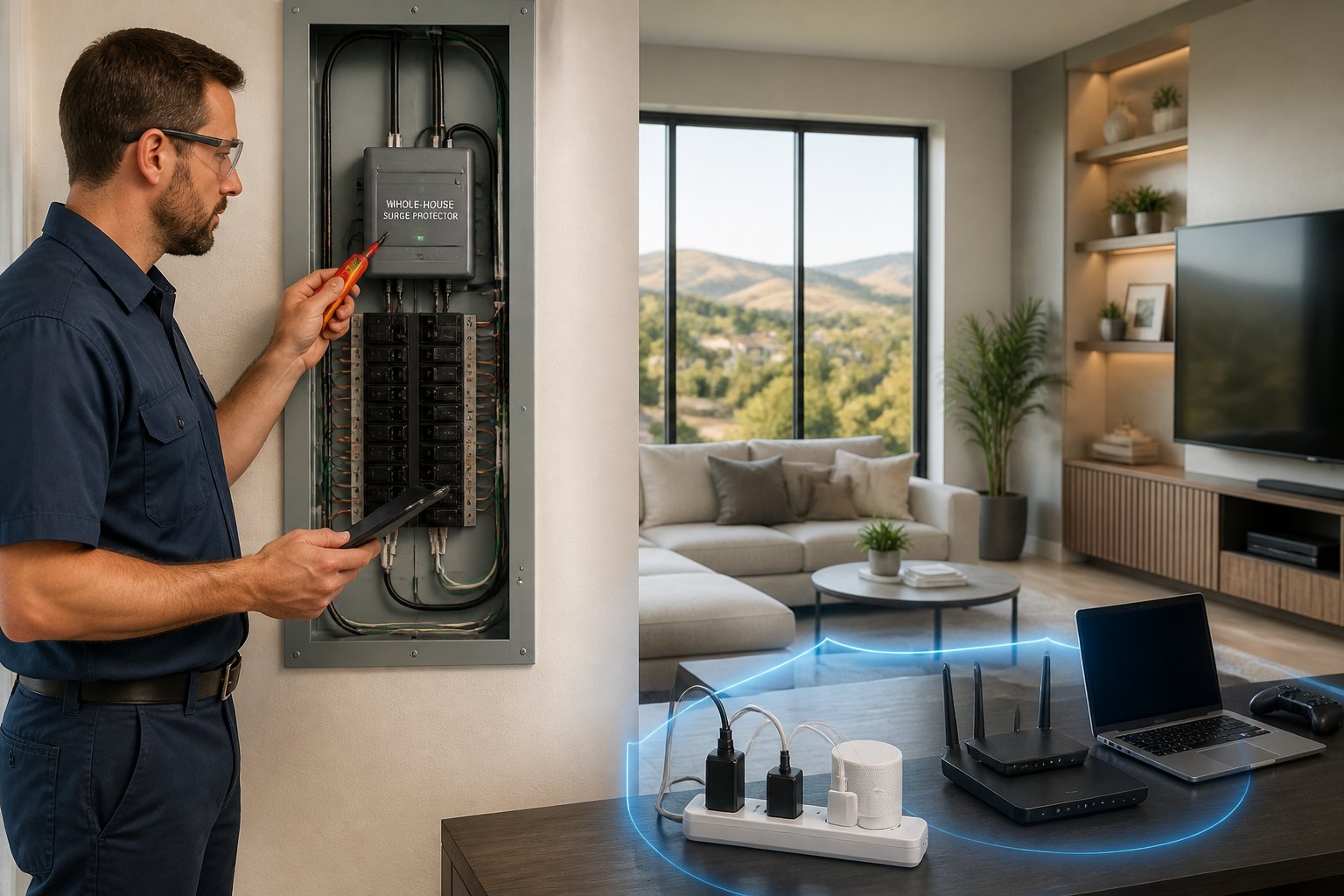
Power surges can mess up electronics and appliances over time. A professional reviews surge protectors and system condition so your home’s better defended against sudden spikes.
That extra protection can save you from costly repairs and replacements. It also helps your appliances last longer.
Supporting A Safer, More Efficient Home
A well-maintained system can boost energy efficiency by cutting wasted power from bad connections, overloaded circuits, or old parts. It also helps protect your home’s value by showing you’ve taken care of the electrical system.
That mix of safety, comfort, and reliability just makes life easier—and maybe more appealing to future buyers. Clean maintenance records can also help if you ever sell.
Preparing The Home For Modern Electrical Demands
Today’s homes need more from their electrical systems than ever. Charging devices, running big appliances—your setup has to keep up with how you actually live.
Panel Capacity For High-Powered Appliances
High-powered appliances can strain an old panel if it wasn’t built for today’s needs. If you see frequent trips, dimming, or not much spare capacity, it might be time for an upgrade.
A pro can help you figure out if your panel fits your needs or if it’s time to plan for something better. That planning saves stress when you add new gear later.
Planning For EV Chargers And Smart Switches
EV chargers need capacity planning, and smart switches add convenience—plus a little more demand. If you’re thinking about either, you want a system that can handle it without safety worries.
Future-proofing matters here. A licensed electrician can walk you through panel space, circuits, and long-term reliability before you buy new tech.
When Older Systems Need Upgrades
Old wiring and panels might not cut it for modern life. If your house was built decades ago, it might need upgrades for safety, efficiency, and all the stuff you use now.
That doesn’t always mean a full replacement. It does mean you’ll want honest advice from a pro so you can make smart choices for your home.
When To Call A Licensed Electrician
Some electrical issues are simple, but most need a licensed professional who can inspect, explain, and fix things safely. Calling early can save you time, lower risks, and keep your home on track.
What A Professional Inspection Should Include
A pro should check the panel, breakers, outlets, wiring, grounding, and look for corrosion or heat damage. They’ll give you clear advice so you know what’s urgent and what can wait.
You deserve straight answers, not sales pressure. Good maintenance is about giving you info you can trust.
Why Licensed Professionals Matter For Safety
A licensed electrician brings training, code knowledge, and the right tools for complex jobs. When you need troubleshooting or repairs—especially for panels or wiring—licensed pros are the safest bet.
That’s even more true for ongoing breaker problems. Skilled work protects your family and keeps things reliable.
Building A Routine Maintenance Schedule
Routine maintenance works best as part of your home care plan. Scheduling regular inspections helps you stay ahead of wear, weather, and changes—like new appliances or remodels.
For lots of homeowners, having that schedule is a relief. You’re not waiting for a disaster. You’re choosing prevention, and that’s just easier.
Frequently Asked Questions
What safety issues can an electrical tune-up help detect before they become emergencies?
A tune-up can reveal loose connections, faulty wiring, overloaded circuits, worn breakers, and heat damage before they get serious. It can also uncover weak grounding or failing protection devices that raise fire or shock risk.
How often should homeowners schedule an electrical tune-up for their house?
Most folks benefit from a tune-up every few years, sooner if the home’s older, has new big appliances, or shows warning signs. If you’re in Sacramento, Roseville, or nearby and your system gets heavy use, more regular checks make sense.
What does an electrician typically check during a home electrical tune-up?
An electrician checks the panel, breakers, outlets, switches, grounding, visible wiring, and safety devices like GFCI and AFCI protection. The goal is to find worn parts, hidden hazards, and anything that could mess with reliability.
Can an electrical tune-up help reduce the risk of electrical fires or shocks?
Absolutely. It can catch loose connections, damaged wiring, and overloaded circuits early. It also helps confirm safety devices work, which is a big deal for protection.
Will an electrical tune-up improve the reliability of outlets, switches, and breakers in my home?
Usually, yes—especially if there’s wear, bad connections, or small component failures. A pro can fix weak spots, swap bad parts, and make your system more dependable day to day.
How can regular electrical maintenance help prevent unexpected power problems and costly repairs?
With regular electrical maintenance, you can catch little problems early—before they turn into outages or expensive fixes. Honestly, it just makes life less stressful when you really need the lights to work. Plus, it’s easier to plan your budget when you’re not blindsided by big repair bills.