A power outage can turn a hot Sacramento afternoon into a stressful one, especially when your air conditioner, refrigerator, or medical equipment depends on electricity. A home generator can help keep essential systems running, but choosing one takes more than picking a model with a familiar name. You’ll need to consider which appliances matter most, how much power they require, what fuel is available, and whether you prefer automatic backup or a portable unit. Safe placement and a properly installed transfer switch matter, too. This guide explains how to compare generator types, estimate your needs, and prepare for professional generator installation and repair in the Sacramento area.
Key Takeaways
- Choose a generator for the backup you need: Compare standby, portable, inverter, and solar options based on the appliances and circuits you plan to power.
- Get a professional load assessment: Have a qualified electrician account for running watts, startup demands, fuel access, and your home’s electrical setup before selecting a model.
- Plan for safe installation and upkeep: Confirm placement, permits, and transfer-switch details, then follow the manufacturer’s maintenance schedule and arrange service when problems arise.
Which Generator Types Suit Sacramento Homes?
The best generator for your Sacramento home depends on what you want to power, how much backup you need, and whether you want a permanent installation or a portable option. Since summer heat can make air conditioning a priority, list your essential appliances and systems before comparing models. Then consider the options below and discuss your home’s electrical setup with a qualified technician.
Use standby generators for automatic backup
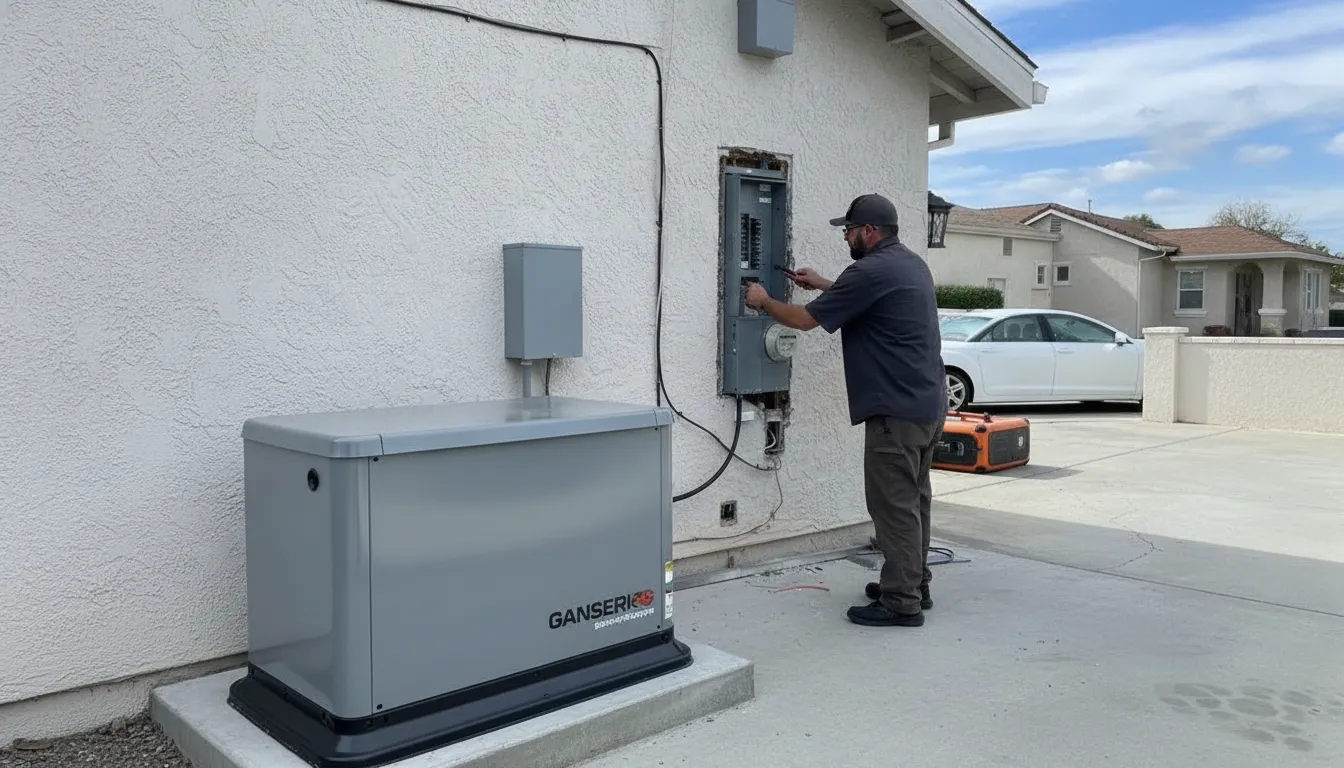
A standby generator is permanently installed outside your home and connected to a fuel source, often natural gas or propane. When utility power goes out, an automatic transfer switch shifts the connected circuits to generator power. You don’t have to move equipment or start the generator yourself.
Depending on its capacity and setup, a standby system can support key appliances and systems, such as refrigeration, lighting, air conditioning, or home security. It’s worth checking fuel availability and having an electrician assess your panel and electrical loads before choosing a model. Consumer Reports’ generator buying guide explains how standby generators provide automatic backup. For help assessing installation options, explore AAA Electrical Services’ generator installation and repair services in the Sacramento area.
Choose portable or inverter generators for flexible, limited power
A portable generator can supply power to a few selected appliances during an outage. Unlike a standby system, it usually requires manual setup and operation. Always run a fuel-powered portable generator outdoors, far from doors, windows, and vents, and follow the manufacturer’s instructions to reduce the risk of carbon monoxide exposure.
Inverter generators are a type of portable generator. Many adjust their output to match demand and operate more quietly than conventional portable models. Their capacity varies, so check the running and starting requirements of the appliances you plan to use. A portable unit may suit occasional, limited backup, but it needs safe storage and routine care. This Sacramento home generator guide compares standby, portable, and inverter options.
Use solar generators for smaller loads and shorter runtimes
A solar generator typically combines a battery with an inverter and can recharge through solar panels or a wall outlet. It can be a convenient option for smaller loads, such as phones, laptops, lights, and some compact appliances. Since it doesn’t burn fuel while supplying power, it also avoids the exhaust produced by gas- or propane-powered generators.
Capacity and recharge time matter. A small battery may run down quickly if you connect several devices, and solar charging can take longer when sunlight is limited. Many units aren’t designed to run central air conditioning or several high-demand systems for an extended period. Before buying, check the unit’s output, battery capacity, and recharge options against the devices you need to power. SafeTouch’s overview of home generator types explains why solar models are generally suited to smaller loads and shorter runtimes.
Choose whole-home or essential-circuit coverage
The type of generator is only one part of the decision. You’ll also need to decide whether you want to power most of your home or focus on selected circuits. Whole-home coverage may include major appliances and cooling equipment, but it requires careful load planning and a generator sized to meet those demands.
Essential-circuit coverage prioritizes specific needs, such as refrigeration, lighting, internet access, medical equipment, or a security system. It may allow you to choose a smaller-capacity generator, depending on which circuits you select and how you plan to use them. Make a list of what you want to run at the same time, then ask an electrician to review your loads and transfer-switch options. A home standby generator can support important systems during an outage, though actual coverage depends on the generator’s capacity and installation.
How Do You Size a Home Generator?
Choose a generator based on the appliances and circuits you want to use during an outage, not just your home’s square footage. A qualified electrician can calculate the load, account for startup demands, and recommend a capacity that fits your household.
List the appliances, circuits, and systems you need to power
Start by listing the equipment you consider essential during an outage. That might include your refrigerator, lights, internet equipment, and medical devices. You may also want heating or air conditioning, a well pump, or kitchen appliances. Note which circuits supply these items, since backing up selected circuits can require a different setup than powering the whole home.
Consider which appliances you’ll use at the same time. You might be able to switch off one item before turning on another, which can affect the capacity you need. A generator buying guide from Consumer Reports can help you compare generator types. For a home-specific load assessment, contact a qualified electrician or explore generator installation services in the Sacramento area.
Add running watts and account for motor startup
Check the appliance label or manual for its running wattage, then add the wattage of the items you expect to run at the same time. Appliances with motors, such as air conditioners, refrigerators, and pumps, may need more power briefly when they start. This startup demand can be higher than the power they use once running.
If the manufacturer lists starting watts, include that figure when planning for startup. The highest demand matters when multiple appliances may start around the same time. If specifications are unclear, ask an electrician to verify the loads rather than guessing. A professional can also review how your circuits and transfer switch will work with the generator, helping ensure the system can handle the equipment you’ve chosen.
Factor in Sacramento heat, cooling needs, and outage duration
Think about the conditions your household needs to manage during an outage. Sacramento summers can make cooling a priority, but central air conditioning may require substantial power, especially when its motor starts. Decide whether you need to run the full system or can stay comfortable by powering selected rooms, fans, or other essential circuits. Your answer can change the generator capacity you need.
Consider how long you may need backup power and which systems must remain available throughout an outage. Fuel supply affects how long a generator can run, while regular checks help keep a standby unit ready for extended use. Generac’s standby generator guidance recommends checking oil levels during continuous operation. An electrician can help weigh cooling needs, essential equipment, and realistic runtime expectations.
Allow for future needs without oversizing
Your power needs may change if you add an EV charger, replace heating or cooling equipment, or install new appliances. Tell your electrician about planned projects when discussing generator capacity. You may not need to power every future addition during an outage, but sharing your plans can help the electrician recommend a system that still fits your priorities as your household changes.
A generator that is much larger than your needs may add equipment and installation costs without providing useful capacity. Aim for a size that covers your selected loads and their startup demands, with an appropriate margin. Ask the installer to explain the load calculation and how it accounts for future plans. AAA Electrical Services offers generator installation, repair, and service for Sacramento-area homeowners.
What Should You Compare Before Choosing a Generator?
A generator should match your household’s power needs, fuel access, and electrical system. Comparing these details before you buy can help you avoid paying for more capacity than you need or choosing equipment that cannot be installed as planned. Consider both the generator itself and the support you’ll need to keep it ready for an outage.
Compare fuel, availability, runtime, noise, and emissions
Most home standby generators use natural gas or liquid propane. Natural gas units connect to a utility line, while propane models draw fuel from an on-site tank. Check which option your property can support and whether you’ll have access to fuel during the outages you’re preparing for. Generac’s home generator guide outlines the basics of these fuel types.
Ask how runtime changes with fuel supply and the amount of power the generator is producing. Compare noise levels and emissions, too, especially if the unit will be near bedrooms, outdoor seating, or neighboring homes. Placement rules and available space can affect your options, so discuss these factors with an electrician before choosing a model.
Check capacity, warranty, parts, and local service
Confirm that the generator can handle the circuits and appliances you want to run. Its capacity needs to account for the extra power some equipment draws when starting, not just the amount it uses while running. Ask what the warranty covers, how long it lasts, and which service providers can perform warranty work.
Parts access and repair support matter even if the generator runs only occasionally. Find out who can inspect and service the unit in the Sacramento area, and how often the manufacturer recommends maintenance. AAA Electrical Services provides generator installation and repair for local homeowners. A technician can assess your needs and help you understand what ongoing service the system may require.
Confirm compatibility with your electrical system and transfer switch
Before settling on a generator, ask whether your electrical panel can support the installation. Your home may need panel work, new circuits, or other updates. The generator, panel, and transfer switch must all work together and support the circuits you intend to power.
A transfer switch moves your selected circuits, or the whole home if the system is designed for it, from utility power to generator power. Correct installation helps prevent electrical backfeed, which can put utility workers and others at risk. Ask your installer to explain the transfer switch setup, what the system will power, and how they’ll test it. This overview of professional generator installation explains why a properly connected transfer switch matters.
Choose a model that fits your home, not just a brand name
Start by deciding what you want to keep running during an outage. Your priorities might include a refrigerator, lights, and a few essential circuits, or they may extend to central air conditioning and most of the home. These choices affect the generator’s capacity, fuel requirements, transfer switch, and installation cost.
Ask an electrician to assess your home’s electrical loads and explain the trade-offs between different system sizes. Choosing the largest model or a familiar brand does not automatically make it the right fit. A properly sized generator should support your priorities without unnecessary capacity. AAA Electrical Services can help Sacramento-area homeowners review their electrical needs and discuss generator services.
What Happens During Professional Generator Installation?
A standby generator installation starts with planning, not wiring. The technician needs to understand what you want to power, check whether your property can accommodate the equipment, and coordinate the electrical and fuel connections. The exact work depends on your home, generator model, and local requirements. Here’s what homeowners can expect.
Assess electrical loads, site, and fuel supply
The technician will ask which appliances and systems you want to use during an outage. You may prioritize essentials such as a refrigerator, lights, heating and cooling, or medical equipment. This information helps determine the generator capacity and whether it should serve selected circuits or a larger portion of the home.
The assessment also includes your electrical panel, potential installation locations, and available fuel sources, such as natural gas or propane. Fuel supply can affect the equipment choice, installation plan, and expected runtime. Share any future plans, such as adding an EV charger, so the technician can account for them when reviewing your needs. AAA Electrical Services offers generator installation and repair for Sacramento-area homeowners.
Plan safe placement, clearances, and service access
The installer will identify a suitable location based on the generator manufacturer’s instructions and local requirements. The unit needs appropriate clearance from windows, doors, vents, and other openings, as well as enough space for technicians to inspect and service it. The site should also provide a stable surface and a practical route for electrical and fuel connections.
The technician may consider noise, weather exposure, and how exhaust could affect people in or around the home. Don’t choose a location based only on convenience or appearance. Placement requirements vary by model and property, so have the installer confirm the details before work begins. Generac’s standby generator information explains how these systems provide backup power when utility service is interrupted.
Install the transfer switch and connect electrical and fuel systems
A transfer switch connects the generator to the home’s electrical system. When utility power goes out, it moves the selected circuits to generator power. When utility service returns, it switches them back. Correct installation helps prevent dangerous electrical backfeed, which can put utility workers and others at risk. This work should be handled by a qualified professional, not attempted as a DIY project.
The installer will complete the electrical connections and arrange the approved fuel connection for the generator. Depending on the equipment and home, fuel work may require coordination with a qualified specialist or utility provider. Ask who will handle each part of the project before work starts. Learn more about how a transfer switch supports a safe power changeover.
Secure permits and inspections, then test the system and explain its use
Permit and inspection requirements depend on the installation, fuel type, and local jurisdiction. Before work begins, ask which approvals apply and who will arrange them. Confirm that required permits and inspections are complete before operating the generator. Your installer can explain the process and help coordinate the necessary steps.
Once installation is complete, the technician should test the generator and transfer switch to confirm that they work as intended. Ask for a walkthrough of startup and automatic operation, warning indicators, routine maintenance, and what to do if the system fails to start. Make sure you know how to contact a technician for service. AAA Electrical Services provides generator service for homeowners in the Sacramento area.
What Safety and Permit Issues Matter in Sacramento?
Check local permits, inspections, and California requirements
Permit and inspection requirements can vary by city, county, generator type, and the electrical or fuel work involved. Before installation, contact your local building department or ask your electrician to confirm what applies to your property. Get clear answers about which permits are needed, who will obtain them, and whether an inspection is required before you operate the system.
A licensed electrician familiar with Sacramento-area requirements can help coordinate the work and check that the installation follows applicable codes and manufacturer instructions. Ask about permitting when comparing estimates, rather than assuming it is included. AAA Electrical Services offers generator installation and repair in the Sacramento area. You can also check its service locations to see whether your home is covered.
Prevent carbon monoxide exposure with safe placement and ventilation
Generators produce carbon monoxide, a gas with no color or smell that can be deadly. Never operate a portable generator indoors, in a garage, or near doors, windows, or vents. The CDC recommends placing portable generators at least 20 feet from the home, with exhaust directed away from openings. Follow your generator’s instructions and local requirements for its exact placement.
Standby generators also need proper clearance, airflow, and service access. Ask your installer to explain how the unit’s location and exhaust direction protect your household. Install carbon monoxide alarms as directed, and leave the home immediately if an alarm sounds. Call emergency services from outside.
Prevent electrical backfeed with a properly installed transfer switch
A transfer switch connects a generator to selected circuits or your electrical panel while separating your home from utility power. This helps prevent electricity from feeding back into utility lines, where it could endanger utility workers or others. Never connect a generator directly to a wall outlet or use an improvised connection.
Have a qualified electrician select and install a transfer switch that matches your generator and electrical system. Ask which circuits it will power and how to use the switch during an outage. The installation should follow applicable codes and the manufacturer’s instructions, and the system should be tested before you rely on it. Include the transfer switch in regular inspections so problems can be addressed before an outage.
Follow manufacturer guidance for fuel storage and weather exposure
Fuel needs depend on the generator. Standby models may use natural gas or liquid propane, while portable models often use gasoline. Follow the manufacturer’s instructions for fuel connections, storage, and handling. Keep fuel in approved containers and in a suitable location away from heat and ignition sources. Have a qualified professional install or inspect gas and propane connections.
Keep the generator free of leaves and debris, and maintain the clearances needed for airflow and service. Use only covers or enclosures approved for your model, and never block ventilation to protect the unit from rain. Check the manufacturer’s information on home standby generators for guidance on fuel and operation. Ask your installer to show you how to inspect the equipment safely before an outage.
When Does a Generator Need Repair?
A generator should be ready before an outage, not just when the lights go out. If yours has been sitting unused, follow the manufacturer’s instructions for inspections and testing. A weak battery, low or old oil, or a dirty air filter can interfere with starting and reliable operation. Regular checks help you spot these issues before you’re counting on backup power.
Pay attention to changes in how the generator sounds, smells, and performs. Trouble starting, repeated shutdowns, warning lights, or inconsistent power can signal a problem. Some causes may be straightforward maintenance needs, while others involve the fuel system, engine, electrical connections, or transfer switch. If your home loses power while the generator is running, the issue may be in the connection between the generator and your electrical system.
Don’t open equipment or attempt repairs if you’re unsure how to do so safely. Generators involve fuel, heat, and electricity, so a wrong step can put your household at risk. If you notice smoke, a fuel leak, damaged wiring, or another serious warning sign, stop using the generator and arrange a professional diagnosis. A qualified technician can identify the cause and recommend the appropriate repair. AAA Electrical Services provides generator repair and installation for Sacramento-area homeowners.
It won’t start, transfer power, or keep running
If your generator won’t start, stalls shortly after starting, or fails to supply backup power, arrange an inspection rather than waiting for the next outage. Common causes include a weak or dead battery, low or old oil, a clogged air filter, or a fuel supply problem. Generators that sit for long periods without inspection may be more likely to develop these issues. Follow the manufacturer’s maintenance schedule, and ask a generator service provider to check the unit if it continues to struggle.
If the generator runs but your home has no power, the problem may involve the transfer switch, a tripped breaker, or an electrical connection. Avoid repeatedly restarting the unit or resetting breakers without knowing what caused the issue. A technician can inspect the generator and connected components to pinpoint why power isn’t reaching your home.
Notice unusual sounds, smoke, fuel odors, or leaks
A sudden change in sound, such as persistent knocking or grinding, may point to a mechanical problem. Smoke, a strong fuel odor, or visible fluid around the generator also needs prompt attention. If you can turn the unit off safely, do so, keep people away, and contact a professional. Don’t touch leaking fuel or try to find the source while the generator is running.
A fuel leak can create a fire hazard, while smoke may indicate overheating or another fault. Don’t assume the generator is safe to use just because it still runs. Stop using it until a technician checks the equipment and identifies the cause. Generators consume fuel during operation, but a sudden fuel smell, visible leak, or unexpected change in performance should be treated as a warning sign, not routine operation.
Watch for warning lights, low output, or repeated shutdowns
Warning lights and fault codes can alert you to a problem with the generator. Check the owner’s manual to understand what an indicator means and whether it instructs you to shut the unit down. Don’t ignore a warning or keep operating the generator if the manufacturer advises against it. Low or inconsistent output, flickering lights, or appliances that behave unusually may also point to a generator or electrical-system issue.
Repeated shutdowns can have several causes, including low oil, overheating, fuel delivery trouble, or an electrical fault. If the generator runs but doesn’t power your home, a transfer-switch issue, tripped breaker, or faulty connection may be involved. A professional generator repair service can help diagnose the problem. Note any fault messages and when the symptoms occur so you can share those details with the technician.
Stop using unsafe equipment and arrange a professional diagnosis
Stop using the generator and arrange service if you notice smoke, leaking fuel, unusual heat, damaged wiring, or recurring electrical problems. Keep children and pets away from the unit, and don’t attempt repairs unless you’re qualified to do the work. If you suspect carbon monoxide exposure, leave the area immediately and contact emergency services.
Generator repairs can involve electrical connections, fuel systems, and components that become hot during operation. A technician can inspect the equipment, identify the cause, and determine whether it needs repair or maintenance. Professional service can also help prevent unsafe work or repairs that need to be redone. To discuss a generator concern or arrange a service visit in the Sacramento area, contact AAA Electrical Services.
How Do You Maintain a Generator?
Regular maintenance helps keep your generator ready for an outage and can reveal small problems before they affect performance. Your maintenance plan should cover the generator, fuel system, and, for standby units, the transfer switch. Follow the owner’s manual for model-specific instructions and leave electrical or mechanical repairs to a qualified technician.
Check oil, filters, battery, and visible connections
Use the owner’s manual to check oil and learn when to change it and replace filters. Some service intervals depend on operating hours, while others are based on time, so keep track of both. A weak or aging battery can stop a standby generator from starting, even if the unit has seen little use. Look for corrosion on battery terminals, frayed wires, or connections that appear loose, but only perform checks the manufacturer identifies as safe for homeowners.
Never touch exposed wiring or open the generator cabinet to investigate a problem. If you notice wear or aren’t sure what a check involves, arrange a service visit. AAA Electrical Services provides generator installation and repair for Sacramento-area homeowners.
Inspect fuel lines and cooling components, as applicable
Look around the generator for visible fuel leaks, damaged lines, or unusual odors. If your model uses liquid cooling, follow its manual for coolant checks and keep air intakes and vents clear. Air-cooled units also need unobstructed airflow. Remove leaves and loose debris from around the equipment, but don’t remove covers or reach inside unless the manufacturer says it’s safe.
Fuel and cooling systems vary by model, so don’t guess which fluids or inspection steps to use. If you see a leak, smell fuel, or notice a warning light, stop using the generator and contact a qualified technician. Fuel and cooling system checks are key parts of generator maintenance, and a professional can confirm what your home system requires.
Exercise the generator and test it under load
A generator that sits unused for months may not be ready when the power goes out. Follow the manufacturer’s instructions for its exercise cycle, including how often to run it and how long the test should last. Many standby models have an automatic exercise setting. Check the manual to understand what the cycle tests and how to tell whether it completed successfully.
A short exercise cycle may not show how the generator performs while powering household equipment. A technician can test it under an appropriate load and check that it delivers steady power. Don’t connect appliances or change settings as a test unless the manual specifically permits it. Regular testing can help uncover issues, such as a weak battery or fuel problem, before an outage, as generator maintenance guidance explains.
Follow the manufacturer’s service schedule, even with infrequent use
A generator still needs maintenance when it rarely runs. Oil, filters, batteries, and fuel components can age over time, and dust or debris can collect around the equipment. Follow the schedule in your owner’s manual, and keep a record of service dates, operating hours, warning lights, and unusual sounds or behavior.
Maintenance requirements differ by model, so don’t rely on a generic schedule or extend service intervals just because the generator gets little use. Ask a qualified technician about tasks you’re unsure how to perform, especially those involving fuel, wiring, or internal components. Briggs & Stratton’s standby generator maintenance tips also recommend following the unit’s service guidance to help keep it ready for backup power.
Schedule regular transfer switch and system inspections
The transfer switch connects a standby generator to selected home circuits and helps prevent generator power from feeding back into utility lines. Have a qualified technician inspect it along with the generator. They can check that the switch operates correctly, connections are secure, and power transfers as intended.
During a service visit, ask the technician to review the generator’s output, controls, battery, fuel supply, and any alerts or changes you’ve noticed. Keep the area around the equipment accessible, but leave electrical testing and repairs to a professional. Regular transfer switch inspections are an important part of generator care. A maintenance plan can also help you track service and address concerns before the next outage.
How Do You Choose a Qualified Local Generator Technician?
A generator is only useful if it’s installed correctly and ready when you need it. Before hiring a technician, check their qualifications, ask how they handle permits and maintenance, and get a clear estimate. It’s also worth confirming that they serve your area and can respond if your system needs attention later.
Verify licensing, insurance, and relevant experience
Ask whether the contractor holds the licenses required for your project and carries appropriate insurance. California homeowners can check a contractor’s license through the Contractors State License Board. Then ask about experience with your generator type, fuel source, transfer switch, and electrical system. A permanently installed standby generator has different installation needs from a portable unit.
Find out who will do the work and whether they’ve serviced your generator’s make or model before. AAA Electrical Services’ technicians are licensed, background-checked, and drug-tested. Review the company’s generator installation and repair services to learn about its support for home backup power.
Ask who handles permits, inspections, repairs, and maintenance
Before work begins, clarify who will check permit requirements, submit applications, and arrange inspections. Ask how the installation will meet applicable codes, and request a written outline of who is responsible for each step. The details can vary by project, so don’t assume permits or inspections are included in an estimate.
Also ask whether the technician can service a generator installed by another company. Some providers repair and maintain systems installed by other contractors. For ongoing care, find out how often maintenance is recommended and whether it includes the transfer switch, fuel system, and testing under load. A written service plan helps you understand which checks are covered and when they’ll happen.
Request clear pricing and confirm Sacramento-area service
Ask for an itemized estimate that separates equipment, labor, electrical and fuel connections, permits, and site preparation. Check whether the price could change if the project needs extra wiring or work on your electrical panel. A detailed estimate gives you a clearer basis for comparing providers and helps prevent unexpected charges.
Confirm that the company serves your neighborhood and can return for repairs or maintenance. AAA Electrical Services serves the Sacramento metropolitan area; check its service locations to confirm coverage. When comparing maintenance plans, ask which system checks are included, whether technicians inspect fuel components, and how often they test the generator. A useful plan should describe the specific work, not just promise a general checkup.
Look for safety-focused service, responsive scheduling, and a satisfaction guarantee
Ask how the technician will address safe generator placement, electrical connections, and carbon monoxide risks. A qualified professional should explain the work in clear terms and discuss any concerns before starting. You can also ask how to get help if the generator fails during an outage, what response times to expect, and whether same-day appointments are available.
Before booking, read the service terms and confirm what the satisfaction guarantee covers. AAA Electrical Services offers same-day service, clear upfront pricing, and a 100% satisfaction guarantee. Ask how those commitments apply to your specific project, and what support is available after installation. Regular generator service and maintenance can help identify problems between outages and keep your system ready for use.
Related Articles
- How to Choose the Right Generator for Your House
- Home Generator Installation Sacramento CA: What to Expect
- How to Know if You Need a Generator
- How to Choose a Generator for Home Use
- What Size Generator Do I Need for My House?
Frequently Asked Questions
Can a home generator run central air conditioning during an outage?\ It depends on the air conditioner’s power requirements and the generator’s capacity. Since cooling equipment can draw extra power when starting, ask an electrician to include that demand in the load assessment before choosing a system.
Is a portable generator enough for a Sacramento home?\ It may work if you only need limited backup for selected appliances. If you want automatic power or need to run larger systems, such as central air conditioning, discuss a standby generator and its installation requirements with a qualified technician.
Do I need a permit to install a standby generator in Sacramento?\ Requirements depend on your property and the electrical and fuel work involved. Check with your local building department or ask your installer to confirm which permits and inspections apply before work begins.
How often should I have my home generator serviced?\ Follow the service schedule in your generator’s manual, even if it rarely runs. A technician can check the battery, fuel system, output, and transfer switch, and tell you which maintenance tasks your model needs.
Who can help with generator installation or repair near Sacramento?\ AAA Electrical Services provides generator installation and repair in the Sacramento area. Check its service locations, then ask about your home’s power needs, permits, pricing, and ongoing maintenance before scheduling.