
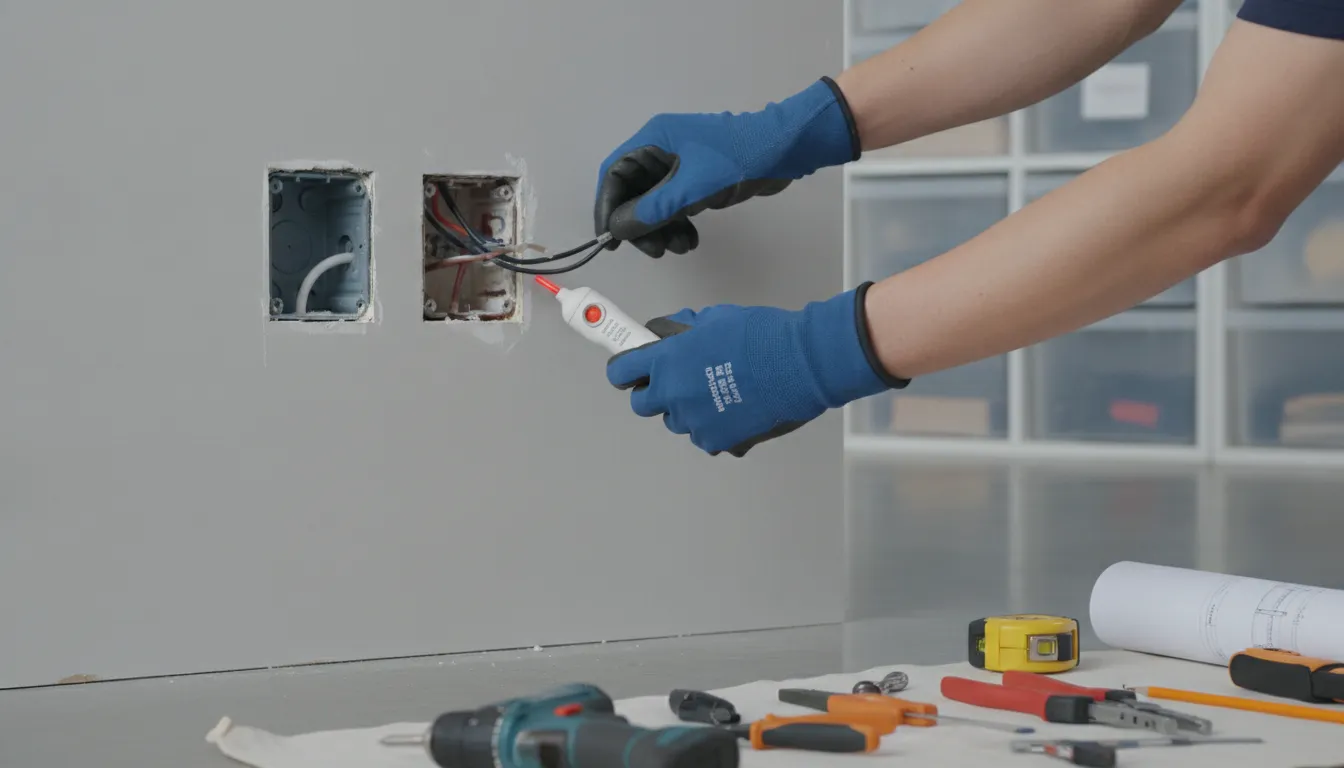
A better outlet location can make everyday tasks easier, whether you’re setting up a home office, arranging a television, or placing an appliance. But learning how to relocate an electrical outlet involves more than choosing a spot and opening the wall. Hidden cables, pipes, circuit limits, and local permit rules can all affect the work. Safety matters at every stage, especially when you can’t confirm what’s behind the wall or identify the wiring. This guide walks through the key planning and safety considerations, along with signs that it’s time to stop and get professional help. Sacramento-area homeowners can also contact a licensed electrician to assess the project before work starts.
Key Takeaways
- Choose the location with safety and daily use in mind: Check access, wall conditions, circuit capacity, and required outlet protection before starting.
- Confirm code requirements and test the work: Verify power is off, use suitable materials, keep wiring connections accessible, and check local permit and inspection rules.
- Bring in a licensed electrician when in doubt: Hidden obstacles, damaged wiring, or complex circuits call for professional assessment. AAA Electrical Services serves homeowners across the Sacramento area.
Plan the Outlet Location
Before relocating an outlet, choose a spot that works for your daily needs and can be wired safely. Consider what may be inside the wall, how the outlet will be used, and whether the circuit can support the devices you plan to plug in. If anything about the wall or wiring is unclear, have a licensed electrician assess the location before work begins.
Choose an accessible spot with enough space
Place the outlet where you can reach it easily and use it without running cords across walkways. Think about the room’s layout and what you’ll plug in: an outlet near a desk may need to stay clear of furniture, while one for a television should remain accessible behind the setup. Avoid locations where cabinets, appliances, or other fixtures could block the plug or cover plate.
The wall cavity must also have room for an appropriate electrical box and cable. Moving an outlet within the same space between two studs may make cable routing simpler, as R.T. Yoder notes in its outlet relocation guide. If your preferred spot requires a complicated route or extensive wall work, ask an electrician to review the options.
Check for studs, wiring, plumbing, ducts, and fire blocks
A wall may contain more than framing. Electrical cables, plumbing, ductwork, and fire blocks can all affect where an outlet can go and how wiring can reach it. A stud finder can help locate framing, but it may not identify every hidden obstacle. Don’t rely on it as confirmation that a cutting area is clear.
Before any opening is made, consider what may be behind the wall and avoid cutting deeply. A tool could damage a pipe or cable concealed in the cavity. If you find an unexpected obstruction, or aren’t sure what lies behind the surface, stop and contact a professional. An electrician familiar with residential electrical work in the Sacramento area can help assess the location and route.
Consider wall type, insulation, circuit load, and nearby appliances
The work can vary depending on whether the wall is drywall, plaster, tile, or masonry. Exterior walls may contain insulation or a vapor barrier, and older homes may have wiring or boxes that need closer inspection. Stud locations, available cable length, and electrical-box capacity can also affect whether the new location is practical. R.T. Yoder’s guide outlines several of these factors.
Think about what you’ll plug into the outlet. Devices with high power demands may need a dedicated circuit, and adding an outlet to a heavily used circuit may not be suitable. Before choosing a spot for an appliance such as a microwave, space heater, or power tool, have an electrician check the circuit’s capacity and confirm the outlet will be appropriate for its intended use.
Check GFCI or AFCI requirements
Some outlets and circuits need special protection. Ground-fault circuit interrupter (GFCI) protection helps reduce shock risk and is generally required in locations where electricity may be exposed to moisture, such as bathrooms, kitchens, garages, basements, and outdoor areas. Arc-fault circuit interrupter (AFCI) protection helps reduce fire risk from certain electrical faults and may be required for particular circuits.
Requirements depend on the outlet’s location, the circuit, and applicable code. Don’t assume that an existing outlet’s protection will meet the requirements for its new location. Ask a licensed electrician to confirm whether GFCI or AFCI protection is needed and whether the circuit requires changes. Checking before work begins helps ensure the relocated outlet is suitable for the space and its intended use.
Take These Safety Precautions
Outlet relocation involves electrical wiring and cutting into a wall. Make safety your first priority, and stop if you cannot confirm that the work area is safe. If you’re unsure at any point, contact a licensed electrician.
Turn off the correct breaker and prevent anyone from switching it back on
Switch off the breaker that supplies power to the outlet. Don’t rely on a wall switch, and don’t guess if the panel labels are unclear. If you can’t identify the correct breaker, ask an electrician to help.
Once the breaker is off, let everyone in the home know not to turn it back on. Place a clear note or tape over the breaker as a reminder while work is underway. This helps prevent someone from restoring power unexpectedly. R.T. Yoder’s outlet-relocation guidance also advises shutting off the circuit before starting.
Verify power is off with a properly rated tester before touching wires
After turning off the breaker, use a properly rated voltage tester to check the outlet and its wiring. Follow the tester’s instructions. Check that it works on a known live source before testing, then check it again afterward to confirm it is functioning.
Never assume the wires are safe because a breaker or switch is off. If the tester detects voltage, or you aren’t confident using it, don’t touch the wiring or continue. Have a licensed electrician identify the circuit and confirm it is de-energized. R.T. Yoder explains why testing matters: a switch alone doesn’t prove that power is off.
Wear eye protection when cutting into walls
Put on safety glasses before cutting or drilling into drywall. Dust and small pieces of wall material can fall or fly toward your eyes, particularly when you’re working overhead or in a tight space. Keep children and pets away from the work area, too.
Before making an opening, check both sides of the wall and look for wiring, plumbing, ducts, and other obstructions. A stud finder or inspection tool may help, but it can’t guarantee that the space is clear. If you can’t confidently identify what’s behind the wall, pause and ask an electrician to assess the location before cutting.
Stop if you find damaged wiring, unexpected cables, or other hazards
Stop if you find frayed or deteriorated insulation, aluminum wiring, unfamiliar cables, signs of overheating, or anything you can’t identify. Don’t cut, move, or reconnect wiring based on a guess. Pause as well if insulation, plumbing, HVAC ducts, or fire blocks make the cable route difficult to assess.
Kitchens, bathrooms, exterior walls, and outlets connected to multi-way switches can involve added requirements or complications. If the work involves any of these, contact a licensed electrician for guidance. AAA Electrical Services provides residential electrical services in the Sacramento area, including help with outlet and wiring work.
Gather Tools and Materials
Get a voltage tester, insulated tools, stud finder, and drywall saw
Gather a properly rated voltage tester, insulated screwdrivers and pliers, a stud finder, a drill, a wire stripper, and a drywall saw. Wear eye protection when cutting or drilling. A stud finder can help locate framing, but it may not detect every wire, pipe, or obstruction inside the wall.
Never rely on a wall switch or a noncontact tester alone to confirm wiring is safe to touch. Follow the tester’s instructions and verify it is working before checking the circuit. If you find unexpected wiring or cannot confirm that power is off, stop and contact a licensed electrician. This outlet relocation tool checklist can help you prepare.
Prepare a suitable box, compatible cable, approved connectors, outlet, and cover plate
Choose an electrical box designed for the wall and installation method, with enough capacity for the conductors and connections it will contain. The cable must suit the circuit’s wire gauge, rating, and installation conditions. You’ll also need connectors listed for the wire type and size, an outlet with the appropriate rating and features, and a compatible cover plate.
Don’t select parts based only on the old outlet’s appearance. Circuit and location requirements can affect which materials are suitable. If you can’t identify the existing cable or confirm which box and outlet will work, ask a licensed electrician to assess the installation before you buy components.
Have cable supports, fish tape, and wall-patching supplies ready
Fish tape may help guide cable through an open wall cavity, but insulation, fire blocks, and framing can limit access. Gather suitable cable supports and protection, and plan a route that keeps cable secure and clear of sharp edges. Don’t force cable through a space if you meet resistance or cannot see what lies ahead.
For the wall repair, have a utility knife, drywall patching materials, and paint supplies ready. Patch only after the electrical work and any required inspection are complete. Keep every junction box accessible, and never cover a box or splice with drywall. If routing involves drilling through framing or working around hidden obstacles, have a qualified electrician evaluate the path.
Match materials to the circuit, box requirements, and local code
Before purchasing materials, confirm the circuit’s rating, the existing cable type and gauge, and the electrical box’s fill capacity. Use connectors approved for the conductors being joined, and keep every splice inside a covered, accessible electrical box. Grounding and GFCI or AFCI protection requirements depend on the circuit and the outlet’s location.
Permit and inspection requirements may also affect the work. Check with the local building department before starting, and don’t assume materials used at one outlet will suit another. If you’re uncertain about the circuit or code requirements, AAA Electrical Services offers residential electrical services in the Sacramento area. A licensed electrician can help determine which materials and protections the installation requires.
Relocate an Outlet: Basic Steps
Moving an outlet involves more than cutting a new opening in the wall. The circuit, wiring method, wall construction, and local permit rules all affect how the work should be done. These steps outline what to consider, but they are not a substitute for electrical training. If you are unsure about the circuit or wiring, contact a licensed electrician before work begins. AAA Electrical Services handles residential electrical work in the Sacramento area, including outlet and circuit projects.
Confirm the circuit, location, cable route, and permit requirements
Start by identifying the circuit that supplies the outlet and choosing a new location that is convenient and accessible. The wiring route depends on the wall construction, stud locations, available cable, and anything else inside the wall. The move may also affect circuit capacity or required GFCI or AFCI protection. Before work begins, check with your local building department to find out whether a permit or inspection is required for your address. Rules can vary across the Sacramento area. The planning factors involved in moving an outlet include wall material, circuit type, and cable length.
Turn off and verify power before removing the outlet
An outlet must not be handled until its circuit has been switched off and a properly rated tester confirms that power is off. A switch position or a nonworking appliance does not prove that wiring is safe. Keep others in the household from restoring power while work is underway. If you cannot identify the correct breaker, or a tester indicates voltage is still present, stop and contact a qualified electrician. Testers must be in good condition and used correctly to provide a reliable reading. If you are not confident about confirming the circuit is de-energized, AAA Electrical Services can help with electrical repairs and installations.
Inspect the wiring and wall cavity before cutting a new opening
Before planning a wall opening, have the existing wiring and the space around it assessed. Look for signs of damage, overheating, loose connections, or cable that may not reach the proposed location. Wall cavities can also contain plumbing, other wiring, ducts, insulation, and fire blocking. A stud finder can help locate framing, but it may not identify every obstruction. Do not cut into the wall if you cannot confirm what is behind it. If the wiring is damaged or unfamiliar, or you find an unexpected obstruction, pause and call an electrician. The findings may change the safest route, materials, or permit requirements.
Install the new box and route compatible cable along an approved path
The new electrical box must suit the wall and provide adequate space for the wiring and connections. Cable type, size, supports, and protection must be appropriate for the existing circuit and comply with local requirements. Do not assume that spare cable can simply be extended or routed through a wall cavity. The path must protect the cable from damage and follow applicable rules for framing and penetrations. If the existing cable will not reach, an electrician can determine whether an extension is permitted and how it must be enclosed. Any junction box or splice must remain accessible after the wall is repaired. Never cover a box or connection permanently with drywall.
Connect and secure the wiring, install the outlet and cover, and test the work
The connections must match the circuit, grounding arrangement, outlet rating, and applicable electrical requirements. Wire color alone does not confirm a conductor’s function, particularly in older or modified wiring. Conductors must be in good condition and connected using approved methods. Any splice must be enclosed in a suitable electrical box with an accessible cover. Before power is restored, the completed work should be checked for secure connections, proper grounding, and required GFCI or AFCI protection. The outlet should then be tested with appropriate equipment. If the wiring is unfamiliar or test results are unexpected, leave the circuit off and have a licensed electrician inspect the work.
Patch the wall after required inspections and testing
Wait until the electrical work has been tested and any required inspection is complete before repairing the wall. Patching too soon can conceal a problem or prevent an inspector from reviewing the work. Once the installation has been checked, repair the opening with suitable wall materials. Keep the outlet and any junction box accessible, and do not cover them with drywall, cabinetry, or a permanent fixture. If the work disturbed insulation or fire blocking, make sure those materials are restored appropriately. When you are unsure whether the wall is ready to close, ask the electrician who completed or inspected the work to confirm.
Handle Wiring Safely
Outlet wiring can be difficult to assess by sight, and a mistake can create a shock or fire hazard. Keep the circuit off and verify it is de-energized before anyone handles the wiring. If you’re unsure about a connection or find damage, stop and contact a licensed electrician.
Photograph or label connections before disconnecting them
After the circuit has been switched off and power has been verified, a photo or labels can document how the existing outlet was connected. Take pictures before conductors are disconnected, and label them individually if there are several wires or connections to distinguish. These notes are only a reference, not proof that the original wiring was correct. Outlets may be switched or connected to more than one cable, and past work may not meet current requirements. If you can’t confidently identify the conductors and their purpose, don’t rely on a photo to reconnect them. Ask an electrician to assess the circuit and determine the safe connections.
Check conductor condition, grounding, cable type, and available length
Before existing wiring is reused, it should be checked for cracked insulation, corrosion, scorching, loose connections, and other signs of damage. A qualified electrician can also confirm that the circuit has a proper grounding path and that the cable type and size suit the circuit and installation location. The conductors must reach the new box without being stretched, pulled tight, or extended with an improvised splice. Damaged, ungrounded, aluminum, or unfamiliar wiring calls for professional assessment before work continues. An electrician can inspect the wiring and recommend the right repair or replacement through a residential electrical service.
Connect hot, neutral, and ground wires to the correct terminals
Each conductor must be connected to the correct terminal for the specific outlet and circuit. Device markings and manufacturer instructions help identify the terminals, but wire color alone is not enough to confirm a conductor’s purpose. Older wiring or previous repairs may not follow expected conventions. A mistaken connection can leave parts energized or create a shock or fire hazard, even if the outlet appears to work. If you aren’t trained to identify conductors and verify the circuit, don’t make the connections yourself. Have an electrician check the wiring, confirm the grounding path, and install an outlet that is compatible with the circuit. Electrical safety guidance also emphasizes the importance of safe electrical work.
Keep splices in a covered, accessible electrical box
Any wire splice must be made with approved connectors and contained inside a suitable electrical box with a cover. Keep the box accessible after the job is finished. Don’t conceal it behind drywall, cabinetry, or another permanent finish, since hidden connections can’t be inspected or serviced easily. The box also needs enough room for its conductors and connectors. If moving an outlet leaves wires at the old location, don’t bury them in the wall or leave them exposed. The correct solution depends on the wiring and wall, so have an electrician determine how to secure and enclose the conductors in a code-compliant, accessible box.
Secure and protect cable; never identify conductors by color alone
Cable must be routed and supported to protect it from nails, screws, sharp edges, heat, and other damage. The appropriate supports and protection depend on the cable type and where it runs, so don’t improvise or force a cable through a tight path. Wire color can offer a clue, but it doesn’t confirm a conductor’s function, especially in older or altered wiring. Electricians use appropriate testing equipment to identify conductors and check the circuit. If you find unexpected cables, damaged insulation, or signs of overheating, leave the circuit off and arrange an inspection before continuing. AAA Electrical Services provides residential electrical repairs and installations for Sacramento-area homeowners.
Check Code and Accessibility Requirements
Electrical requirements depend on your address, the work involved, and the codes adopted by your local authority. Before moving an outlet, confirm whether the project needs a permit or inspection, then check that the new location and wiring meet applicable requirements. A licensed electrician can help clarify what applies to your home and identify issues before you open the wall.
Confirm Sacramento-area permit and inspection rules with the local authority
Sacramento-area homeowners may need to contact different permitting offices depending on whether their home is in the city, county, or another local jurisdiction. Start by checking the authority that serves your address. The City of Sacramento’s permit information is a resource for city residents, while Sacramento County’s building department provides information for county residents.
Permit and inspection requirements can depend on the scope of the work, including changes to the wiring or circuit. Check before opening the wall so you can plan for any required inspection and avoid having to redo finished work. If you’re not sure which jurisdiction applies or what the project requires, ask the local building department or a licensed electrician.
Check grounding, box fill, cable protection, and circuit capacity
The new outlet needs a suitable electrical box and wiring that match the circuit. The box must have enough space for its conductors and connections, and the outlet must be properly grounded. Cables also need to be secured and protected along their route to help prevent damage to the insulation or loose connections.
Consider circuit capacity before moving an outlet to serve a new appliance or other high-demand equipment. A nearby outlet doesn’t necessarily mean the circuit can safely handle more load. Have the circuit assessed, especially if the outlet will power a heater, kitchen appliance, or other equipment that draws significant current. A guide to relocating outlets identifies grounding, box fill, cable protection, and circuit capacity as important checks.
Add required GFCI or AFCI protection
Ground-fault circuit interrupter (GFCI) protection helps reduce the risk of electric shock. It’s commonly required in areas such as kitchens, bathrooms, garages, basements, and outdoor spaces, but requirements depend on the outlet’s location and the code adopted by your jurisdiction.
Arc-fault circuit interrupter (AFCI) protection helps reduce fire risk by detecting certain dangerous electrical arcs. It may be required for circuits serving living areas and other parts of a home. When you relocate an outlet, don’t assume the protection that applied at its old location will also apply at the new one. Ask a licensed electrician or your local building department whether GFCI protection, AFCI protection, or both are required for the circuit and location.
Keep outlet and junction boxes accessible; never bury a box or splice
Outlet and junction boxes need to remain accessible after the wall is finished. Don’t cover a box with drywall, cabinetry, or another permanent surface, and don’t leave wire splices concealed inside a wall. If the old outlet location is no longer in use, any remaining splice must be enclosed in an approved box with a cover that can still be reached.
An electrician can determine how to handle wiring at the original location. Depending on the layout, that may involve removing unused cable or keeping connections inside an accessible junction box. Plan for this before patching the wall. If you find concealed splices, damaged wiring, or an unfamiliar connection, stop work and have a licensed electrician assess it.
Check placement, clearance, and reach requirements
Choose a spot that’s convenient to reach and won’t be blocked by furniture, doors, appliances, or built-ins. Think about what you’ll plug in: an outlet that works for a lamp may be awkward behind a desk or wall-mounted TV. Also consider the room’s moisture exposure, which can affect the protection the outlet needs.
If you’re placing the outlet to make it easier to reach for someone with limited mobility, consider its height, approach, and the space around it. Accessibility requirements can apply to certain properties or projects, so check with your local authority if they may affect your home. The cable route matters, too. Moving an outlet between nearby studs may simplify the work, but every route must protect the cable and meet applicable code. A qualified electrician can help assess the wall and choose a practical location.
Avoid Common Outlet-Relocation Mistakes
Relocating an outlet requires more than choosing a new spot and extending a cable. The work can involve hidden wiring or plumbing, the circuit’s capacity, suitable electrical components, and local code requirements. A rushed cut or an unsuitable connection can damage the home or create a shock or fire hazard.
Before work begins, confirm that the proposed location and cable route are safe and practical. Use materials that match the existing circuit, protect wiring inside the wall, and keep every splice in a covered box that remains accessible. The finished outlet may also need GFCI or AFCI protection, depending on its location and applicable code. If you find damaged or unfamiliar wiring, or can’t verify that the installation meets requirements, stop and get help from a licensed electrician. Homeowners in the Sacramento area can contact AAA Electrical Services for residential electrical work.
Check for hidden hazards before cutting into a wall
Before making an opening, check both sides of the wall for outlets, switches, plumbing fixtures, and other clues about what may be inside. A stud finder with wire-detection features can help, but it cannot confirm that a wall cavity is clear. Cables, pipes, ducts, insulation, and fire blocks may be concealed behind drywall.
Cut carefully and avoid making a deep cut into an area you haven’t inspected. If you encounter an unexpected wire, pipe, or obstruction, stop. Don’t cut, move, or work around it without knowing what it is and how to handle it safely. The R.T. Yoder guide to moving an outlet also recommends checking for hidden hazards before cutting. If you can’t confirm a safe route, ask a licensed electrician to assess the wall.
Use compatible cable, a suitable box, and approved connectors
The cable must match the existing circuit’s requirements, including its wire gauge and type. Don’t choose cable simply because it is on hand. The new outlet box must suit the wall and provide enough space for the conductors and connections. A remodel, or old-work, box is made for installation in an existing wall, but it still needs to be suitable for the specific location and wiring.
Use connectors and fittings approved for the cable and box, and follow their manufacturer instructions. Incompatible materials or a crowded box can damage conductors and lead to unsafe connections. Local code may also affect which materials and installation methods are allowed. If you can’t confirm that the cable, box, and connectors are right for the circuit, have a licensed electrician select and install them.
Keep wiring secure and splices enclosed in accessible boxes
Protect cable from sharp edges, nails, screws, and other damage inside the wall. It should be secured as required and routed so it won’t be pinched or strained. Any splice must be inside an approved electrical box with a cover, and that box must remain accessible after the wall is finished. Never conceal a splice or an abandoned outlet connection behind drywall.
If the original outlet location is no longer needed, its wiring still needs to be handled safely. Removing an unused cable may be an option, depending on how it is routed and connected. Otherwise, the connections must be enclosed in an accessible box. The R.T. Yoder outlet-relocation guide also notes that wiring left at the original location must be enclosed. If you’re unsure how to handle it, ask an electrician.
Verify power, install required protection, and test the finished work
Turn off the correct breaker before work begins, and make sure no one can switch it back on while the outlet is being relocated. Use a properly rated voltage tester to confirm the wires are de-energized before touching them. A breaker label is not proof that the power is off. If the tester indicates voltage, or you aren’t sure how to verify the circuit safely, stop and call a licensed electrician.
Depending on the outlet’s location and applicable code, the installation may require GFCI or AFCI protection. Once the work is complete, the outlet and any required protective devices need to be tested to confirm they operate correctly. Don’t restore power until the installation is finished and the area is clear. If you’re not equipped to complete and verify these checks safely, have a licensed electrician handle the work.
Know When to Hire a Licensed Electrician
Relocating an outlet can involve hidden wiring, structural obstacles, circuit limits, and local code requirements. If you find anything unexpected or are unsure how to proceed, stop work and contact a licensed electrician. Keeping the circuit off until it has been assessed can help prevent shock, fire, or damage to your home.
Get help with aluminum, damaged, ungrounded, or unfamiliar wiring
Stop if you find aluminum wiring, cracked or frayed insulation, signs of overheating, missing grounding, or connections you can’t identify. Older or altered wiring may not match what you expect, and a poor connection can create a shock or fire hazard. Don’t rely on wire color alone to identify conductors.
A licensed electrician can assess the wiring, identify compatible materials, and determine whether the existing circuit is suitable. R.T. Yoder’s guidance on moving electrical outlets recommends professional help when wiring is aluminum or deteriorated. If you uncover a problem, leave the power off and arrange an assessment before continuing.
Call an electrician for kitchen, bathroom, exterior-wall, or complex-circuit work
Outlet relocation in kitchens and bathrooms may involve specific protection and placement requirements. Exterior walls can contain insulation, while multi-way switches and circuits serving several rooms can make connections harder to identify. These details affect how an outlet can be moved safely.
A licensed electrician can assess the circuit, confirm what protection applies, and check that the new location meets relevant requirements. Professional help is especially important if the outlet will serve a high-demand appliance or you don’t know what else shares the circuit. R.T. Yoder’s outlet-relocation guidance recommends hiring a qualified electrician for work involving kitchens, bathrooms, insulated exterior walls, or multi-way switches.
Hire a professional when insulation, fire blocks, or other obstacles complicate routing
The route between the old and new outlet locations may be blocked by insulation, fire blocks, pipes, ducts, or structural framing. Cutting or drilling without knowing what’s behind the wall can damage building materials or other services. Trying to force a cable through an unsuitable route can also leave it improperly supported or protected.
An electrician can inspect the wall cavity and plan a suitable path for the wiring. If you can’t confirm that the route is clear and safe, don’t continue cutting or drilling. R.T. Yoder’s guide to relocating outlets recommends professional help when insulation, fire blocks, or similar obstacles complicate cable routing.
Get expert guidance on permits, circuit capacity, or code compliance
Permit and inspection requirements depend on the work and the local authority. Before relocating an outlet in the Sacramento area, check with the authority having jurisdiction or ask a licensed electrician whether a permit is required. An electrician can also assess grounding, box capacity, cable protection, and circuit capacity.
Don’t assume a circuit can support additional demand just because it currently works. The intended use of the outlet and other devices on the circuit matter. For questions about permits, capacity, or local requirements, get advice from a qualified electrician instead of guessing. The Ask Electricians discussion about moving an outlet also recommends seeking professional guidance on these issues.
Get Outlet-Relocation Help in Sacramento
Ask for licensed service and clear, upfront pricing
Relocating an outlet may involve rerouting wiring, checking circuit capacity, and confirming whether permits or inspections are required. Before booking, ask whether the electrician is licensed for the work and what the estimate covers, including labor, materials, and possible repairs if they find an issue inside the wall. You can check a contractor’s license through the California Contractors State License Board, and consult the local building department about permit requirements for your project.
Request a written estimate and ask the electrician to explain any costs that could change once work begins. Clear communication upfront helps you understand the scope and make an informed decision. AAA Electrical Services provides residential electrical work with clear, upfront pricing, so you can contact the team to discuss your outlet-relocation needs.
Have an electrician confirm safe placement and code requirements
An outlet’s new location should work for your daily needs without creating hazards or conflicting with wiring, plumbing, framing, or other features inside the wall. An electrician can assess the proposed spot, inspect the circuit, and identify whether the route is practical. This is especially important in kitchens, bathrooms, exterior walls, or areas where moisture, insulation, or nearby appliances may affect the installation.
Ask whether the location requires GFCI or AFCI protection, whether the circuit can handle the devices you plan to use, and whether permits or inspections apply. Requirements depend on the home and the work involved, so confirm details before the project starts. Wills Resource Electric also discusses safe, code-compliant decisions for Sacramento-area electrical projects.
Explore AAA Electrical Services for residential electrical work
If you’re considering an outlet relocation, reach out to AAA Electrical Services to ask about your project and available residential electrical services. Explain where the outlet is now, where you’d like it moved, and what you plan to plug into it. Mention any signs of an electrical problem, such as a warm outlet cover, flickering lights, or a breaker that trips repeatedly.
AAA Electrical Services serves the Sacramento metropolitan area with licensed, background-checked, and drug-tested technicians, upfront pricing, and a satisfaction guarantee. Before approving the work, ask about the recommended placement, circuit capacity, required safety protections, and any permit or inspection steps. You can also check the company’s service locations to see whether your home is within its service area.
Related Articles
- How to Safely Expand the Number of Outlets in a Room Without Overloading Circuits
- Outlet and Switch Upgrades Made Easy for Your Home
- How to Safely Improve Electrical Systems for Expanding Families
- How to Reduce Fire Risks Caused by Outdated Outlets—Safely and Simply
- Electrical Outlet Upgrade: Folsom
Frequently Asked Questions
Can I move an outlet myself?\ Outlet relocation involves wiring, wall construction, and code requirements, so it’s best suited to someone with the right electrical knowledge and tools. If you’re unsure about the circuit, connections, or wall cavity, leave the power off and hire a licensed electrician.
How do I know if the new outlet location is safe?\ A safe location should be easy to access, suitable for the devices you’ll use, and clear of hidden wiring, plumbing, ducts, and framing obstacles. An electrician can also confirm whether the circuit has enough capacity and whether the location needs GFCI or AFCI protection.
Will moving an outlet require a permit in Sacramento?\ Permit and inspection rules depend on your address and the scope of the work. Check with the local building department that serves your home before starting, or ask your electrician to help determine what applies.
Can an outlet be moved to a different wall?\ It may be possible, but moving an outlet farther away can require a more involved cable route and additional wall work. The electrician will need to assess the circuit, wall construction, and obstacles before confirming what’s practical.
When should I stop and call an electrician?\ Stop if you find damaged or unfamiliar wiring, a cable that still has power, an unexpected pipe or obstruction, or any connection you can’t identify. Sacramento-area homeowners can contact AAA Electrical Services to discuss residential electrical work and their outlet-relocation needs.