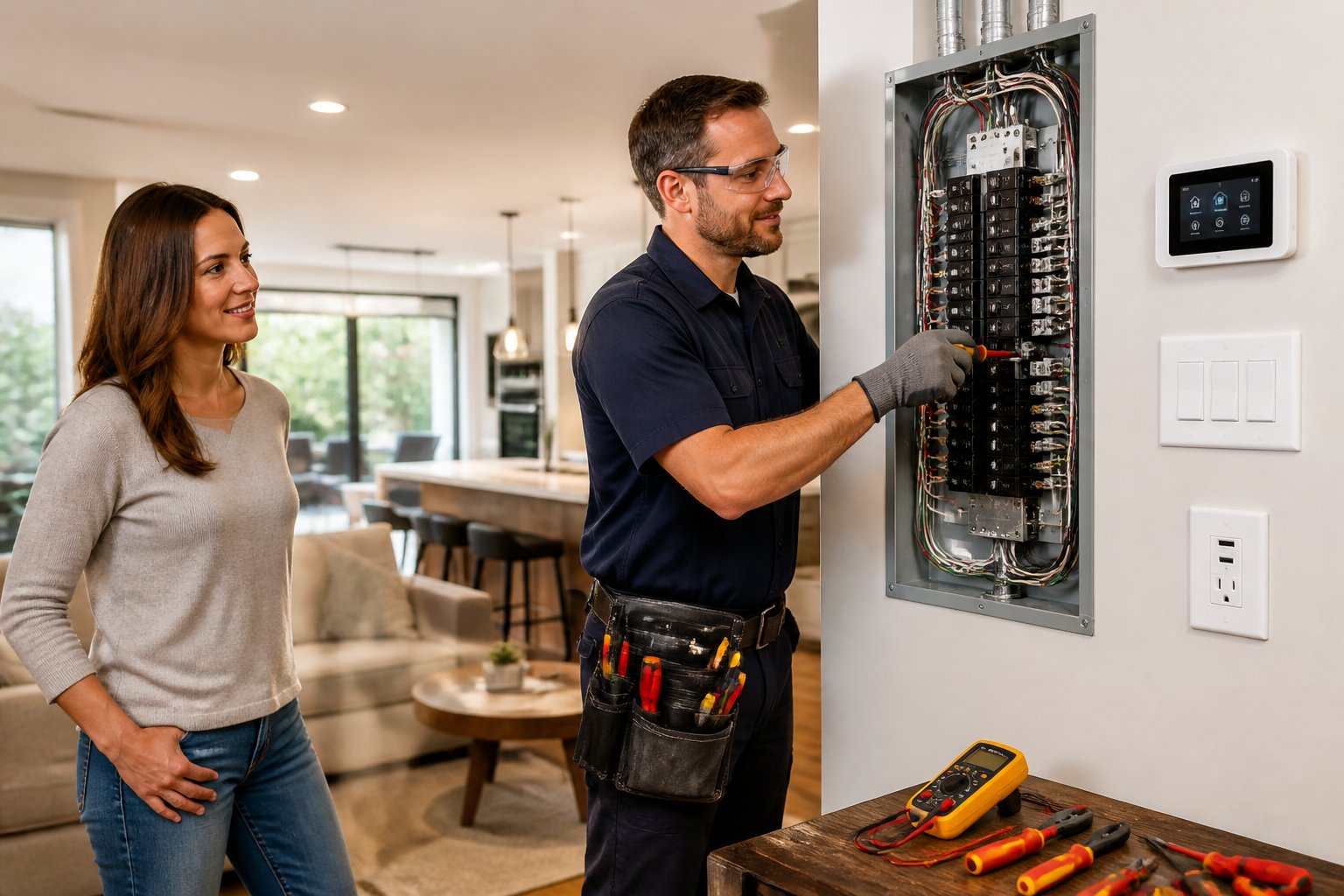
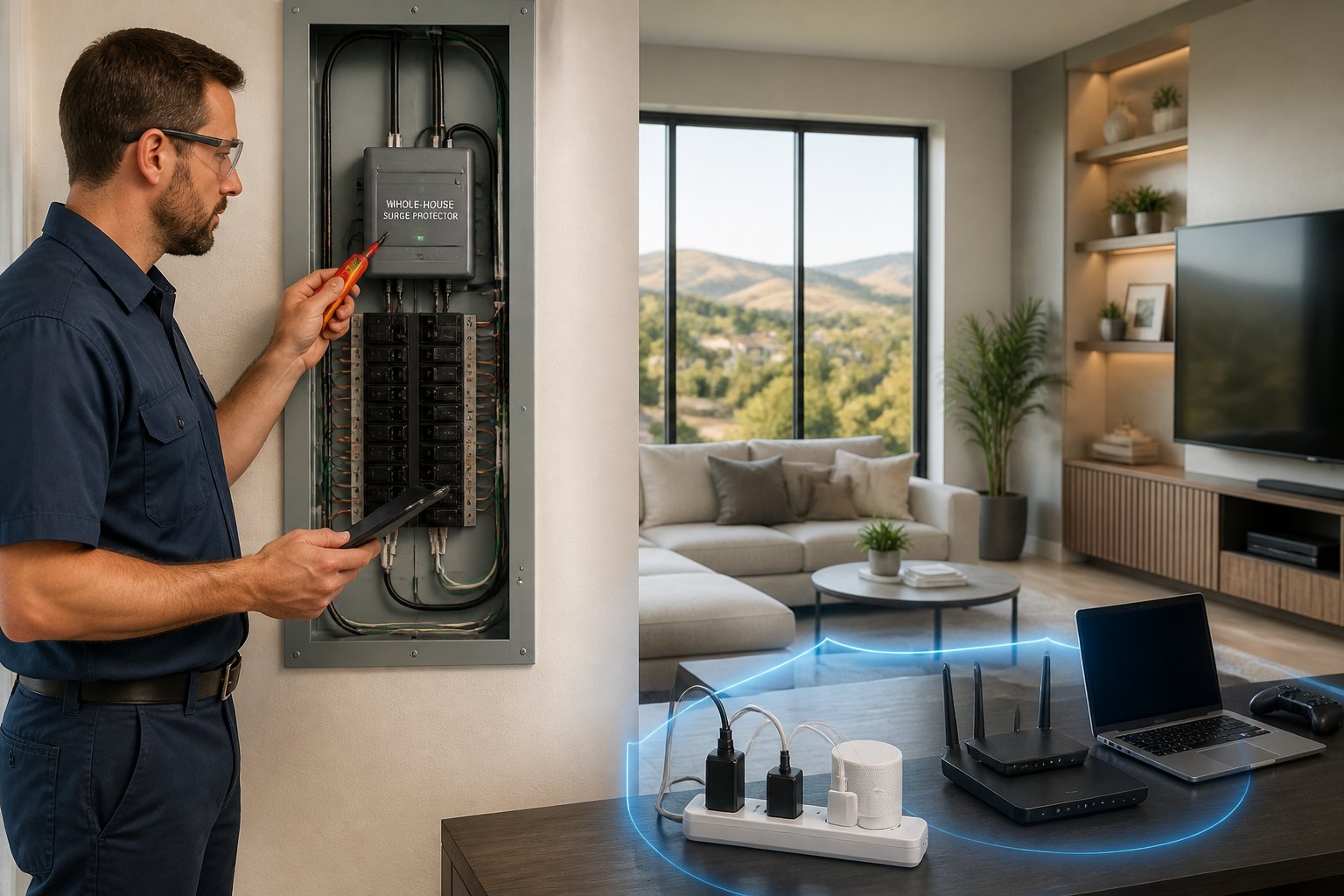
Thinking about outdoor outlet installation in Rancho Cordova? You can get weatherproof, code-compliant outlets that keep power handy for lighting, tools, and holiday decor while protecting your family and home from shocks and water damage. A licensed electrician installs a GFCI-protected, weather-rated outlet with proper sealing and permits so your outdoor power stays safe and reliable.
Let’s walk through what’s involved, a few local permit and code details, mistakes to avoid, and how to pick the right outlet for patios, gardens, or EV chargers. AAA Electrical Services does same-day service, flat-rate pricing, and keeps vans stocked—so most jobs wrap up in one visit. That means less hassle and more peace of mind for you.
What Is Outdoor Outlet Installation?
Outdoor outlet installation is just adding weather-safe power points to your home’s exterior. You get reliable outlets for tools, lights, decorations, and maybe even EV chargers, all while protecting wiring from moisture and damage.
Purpose of Outdoor Outlets
Outdoor outlets give you power for lawn equipment, string lights, and security devices—no more running cords through windows or doors. That’s a quick way to cut down tripping hazards and block water from sneaking in around doors.
A good install uses GFCI (ground-fault circuit interrupter) devices. GFCIs trip quickly if current leaks out, slashing shock risk when things get wet. Weatherproof covers and corrosion-resistant materials keep contacts dry and make maintenance easier.
You can get dedicated circuits for heavy loads like electric mowers or EV chargers. That helps avoid nuisance trips and overloading indoor circuits. Licensed pros follow local codes so you’re good for inspections and insurance.
Types of Outdoor Electrical Outlets
A standard 120V receptacle handles lights, tools, and decorations. If kids are around, use tamper-resistant models. Always look for outlets rated for outdoor use.
GFCI outlets have built-in shock protection and usually sit as the first device on a circuit, shielding everything downstream. For big power needs, a 240V receptacle works for EV chargers or heavier equipment—these need bigger wiring and a dedicated breaker.
Weatherproof covers come as flip lids (for unused plugs) or in-use “bubble” covers that seal around a plugged-in cord. Go for metal or UV-resistant plastic housings to handle sun and rain. A licensed electrician can help you pick the right outlet for your needs.
Where to Install Outdoor Outlets
Put outlets where you’ll use them: patios, decks, garage exteriors, and near landscape lighting transformers. Try to have at least one near each outdoor living space so you’re not dragging long extension cords everywhere. Mount outlets 12–18 inches above the ground for easy reach and to keep them out of puddles.
Keep outlets clear of sprinkler spray and roof drip lines. For pools or hot tubs, always use GFCI-protected outlets at code-required distances—a pro will know the right setbacks. If you’re planning for an EV charger, put the outlet or box close to the driveway and run cable inside a protected conduit.
A licensed electrician checks breaker size, wire gauge, and code compliance. That’s the kind of safety-first work that keeps your family and home protected. AAA Electrical Services can often finish outdoor outlet installs in a single visit with stocked vans and same-day service.
Benefits of Professional Outdoor Outlet Installation in Rancho Cordova
Letting a pro handle your outdoor outlets keeps your family safe, meets local codes, and uses products that actually last through our hot, wet summers. You get weatherproof outlets, proper grounding, and work that doesn’t keep breaking down.
Safety and Compliance
A licensed electrician installs GFCI or weather-resistant receptacles wherever code calls for them. That’s your best bet for avoiding shocks when using tools, lawn gear, or string lights.
Pros test and ground circuits, check panel capacity, and add dedicated circuits if needed. This helps prevent overloads that could trip breakers or even start a fire.
Local technicians follow Rancho Cordova and California electrical codes, pull permits, and schedule inspections when required. That way, your work passes official checks and your home insurance stays in good standing.
Weatherproof Solutions
Outdoor outlets take a beating from rain, dust, and sun. Pros use in-use covers, sealed boxes, and the right silicone or gaskets so water doesn’t reach the wiring.
You’ll get durable materials like UV-rated plastic or metal covers, plus corrosion-resistant screws. That helps cut down on cracking, rust, and future repairs.
Installers put outlets at the right heights and spots to dodge puddles and irrigation spray. They’ll even test the outlet after install—sometimes during real weather—just to confirm a tight seal.
Increased Home Value
Well-installed outdoor outlets add practical value for buyers who want patios, yard lighting, or an EV charger. Buyers spot finished, code-compliant wiring right away (and they notice DIY shortcuts, too).
Upgrades like GFCI protection, surge protection, and weatherproof fixtures show you cared about safety and quality. That can make your listing pop in Rancho Cordova and nearby neighborhoods.
If you go with a reputable local company, mention the license, warranty, and any service guarantees. Those details reassure buyers and help when inspectors check out the electrical system.
Choosing the Right Outdoor Outlet for Your Needs
Pick outlets that fit what you want to do outside and the weather you get. Think about safety features, durability, and how often you’ll use tools, lights, or chargers.
GFCI Versus Standard Outlets
You really should use GFCI outlets for almost every outdoor spot. A Ground Fault Circuit Interrupter (GFCI) senses small current leaks and cuts power in a flash. That’s what protects you from shocks if cords get wet or tools touch damp ground.
Standard outlets don’t offer that protection. Use them only inside weatherproof enclosures or if a GFCI already protects the circuit upstream. Put GFCIs where there’s foot traffic, near pools, or on patios. Label the outlet so you know it’s GFCI-protected.
Local code in Rancho Cordova and nearby areas usually requires GFCI for outdoor outlets. Hire a licensed electrician to install or test them. AAA Electrical Services is always focused on safety, with licensed pros and same-day service if something needs fixing fast.
Selecting Durable Outlet Covers
Pick covers rated for outdoor use and suited to your local weather. In-use (bubble) covers work best if you plan to leave cords plugged in during rain. These seal around the plug and keep water out.
Material matters: get UV-resistant plastic or corrosion-resistant metal for longer life. Mount covers on a gasketed, weatherproof box and seal any gaps with exterior-grade caulk to block moisture and pests. Stainless steel hinges and screws help avoid rust.
If your outlet sits near sprinklers or under gutters, angle the placement or add a small overhang to dodge direct water spray. A licensed tech can recommend the exact cover type and install it with flat-rate, upfront pricing—so you know what you’re paying before work starts.
Outdoor Outlet Installation Process
Here’s what we check before starting, how we run wiring and make connections, and the safety steps we wrap up with to protect your home and family.
Initial Site Assessment
A licensed tech inspects the exact spot you want the outlet. They look for water sources, check distances from doors or windows, and plan the wiring route. They’ll also check the wall type (stucco, siding, brick) and any landscaping that might get in the way.
They measure to make sure the outlet will meet code for height and clearance. If you have an existing circuit, they test its load to avoid overloading. If you need a new circuit or subpanel, they’ll explain permits and give you a flat-rate price before starting.
Techs note GFCI placement and weatherproof box options. If you’re in Rancho Cordova or nearby, same-day service and stocked vans often mean quick, on-the-spot fixes.
Wiring and Connections
Techs run conduit or outdoor-rated cable from your main panel or a nearby subpanel to the outlet spot. They use UF-B or THHN in conduit, depending on the route and code. Wires are sized to the circuit’s amperage—usually 15A or 20A for standard outdoor outlets, or 30A+ for EV chargers.
They ground directly to the panel and check bonding on metal boxes. GFCI protection goes in at the outlet or breaker. All connections use approved wire nuts, crimped lugs, or terminal screws, sealed up tight in weatherproof boxes.
A weatherproof cover rated for in-use protection goes on, and they seal the hole with outdoor caulk or foam. If you need a meter or permit, they’ll coordinate with inspectors and handle the paperwork.
Final Safety Checks
After wiring, the tech tests the outlet with a GFCI tester, voltage meter, and load test tool. They check polarity, grounding, and make sure the GFCI trips like it should. Circuit labels at the panel get updated so you know which breaker works the outlet.
They inspect sealing, cover fit, and conduit supports for weather resistance and durability. The installer cleans up and shows you how to reset the GFCI and use the cover. If you go with AAA Electrical Services, they’ll walk you through safety steps, explain flat-rate pricing, and mention any membership or new-customer deals.
Electrical Codes and Permits in Rancho Cordova
You need to follow local rules, get the right permits, and pass inspection to install outdoor outlets safely. That’s what keeps your family safe, insurance valid, and avoids expensive rework.
Local Regulations for Outdoor Outlets
Rancho Cordova uses the California Electrical Code, which is based on the National Electrical Code (NEC). You’ll need GFCI-protected outlets for most outdoor spots. These protect you from shocks when outlets get wet.
Mount outlets in weatherproof boxes with in-use covers that seal up when a plug’s inserted. Use outdoor-rated, tamper-resistant receptacles if kids could get to them. If an outlet sits within 6 feet of a pool or spa, extra NEC rules kick in for bonding and GFCI.
If you run new wiring, it needs to be buried to the right depth or run in conduit above ground. Only use outdoor-rated wiring and wet-location conduit fittings. Local amendments might add extra rules—check with Rancho Cordova’s building department or your electrician.
Permit Requirements
Most outdoor outlet installs need a building or electrical permit in Rancho Cordova. This covers new circuits, panel taps, or swapping a standard outlet for a dedicated or EV-ready circuit. Minor repairs (like just replacing a damaged cover) might not need a permit—but always double-check with the city.
When you apply, draw up a simple plan showing outlet locations, circuit size, wire type, and box details. Pay the permit fee and keep the permit on site during work. If a licensed electrician’s handling it, they’ll usually pull the permit and handle documentation.
Permits protect your home and make sure work meets insurance and resale standards. If you skip a permit and something goes wrong, your insurer might deny a claim. For quick, code-compliant service, hire a licensed team that offers same-day service and flat-rate pricing.
Inspection Process
After you pull a permit and finish the install, schedule an inspection with Rancho Cordova’s building department. The inspector checks wiring, box support, grounding, GFCI protection, burial depth, and weatherproofing. Make sure the job’s accessible and only power off when you’re told.
Inspectors look for correct breaker size, labeled panel, proper wire gauge, secure conduit, and correct outlet height and placement. If they flag issues, you’ll get a correction notice and a shot to fix them. A licensed electrician can usually come back the same day to handle common issues.
Once the inspector signs off, keep the final inspection record with your home docs. That proof helps when you sell and gives you peace of mind knowing the outdoor outlets meet safety standards.
Tips for Maintaining Outdoor Electrical Outlets
Check outlets regularly, keep covers tight, and block water and pests from getting at wiring. Regular checks, solid weatherproofing, and timely pro repairs will keep your outdoor power safe and working.
Regular Inspections
Take a look at every outlet outside every few months, and definitely after big storms. Pop open the cover and see if there are any cracks, loose screws, or rust. If the outlet feels warm or you see sparks when you plug something in, stop right there—turn off the circuit at the breaker.
Grab a plug-in tester or a simple multimeter. Check that the wiring and ground are correct. For GFCI outlets, press the “Test” and “Reset” buttons to make sure they trip and restore power. Keep a short checklist: cover looks good, mounting is tight, no rust, GFCI works, voltage checks out.
Jot down the date and any weird stuff you notice. That little log helps if you ever need to call an electrician, and it might even reveal patterns—like water sneaking in or critters chewing wires.
Protecting from Weather Damage
Swap out cracked or loose covers for weatherproof in-use covers so you can leave cords plugged in and still protected. Always pick covers rated for wet locations and that seal up tight. Use silicone caulk around exterior boxes only if the box is designed for it—otherwise, you might just trap moisture inside.
Keep outlets and wiring higher than any possible flood lines, and trim back landscaping so hoses and sprinklers don’t soak them. Stick to outdoor-rated cords and devices. In winter, brush off snow and ice gently—don’t use hot water or metal tools that can crack covers or nick wires.
Try adding a small drip loop where cords enter the outlet. It helps keep water from running straight into the box. If you’re in Rancho Cordova or nearby, grab components rated for the local weather and summer heat.
When to Call an Electrician
Call a licensed electrician if you smell burning, see scorch marks, melted plastic, or if outlets spark. Persistent moisture inside a sealed cover, a GFCI or breaker that keeps tripping, or needing new wiring or more circuits—those are all reasons to call in a pro.
Ask for someone who offers same-day service, flat-rate pricing, and comes with a stocked van so most fixes can happen right away. Tell them where the outlet is, what you noticed, and if the GFCI tripped. AAA Electrical Services handles Rancho Cordova and nearby areas if you want fast, local help from licensed pros.
Common Outdoor Outlet Installation Mistakes to Avoid
Focus on safe placement, proper grounding, and using outdoor-rated materials. Sorting these out early saves you from water damage, shocks, and repeat service calls.
Improper Placement
If you put an outlet too close to water or where it gets direct spray, you’re asking for corrosion and possible shock. Try to keep outlets at least 3 feet from irrigation heads. Tuck them under eaves or behind trim if you can, just to cut down on rain exposure.
Mount outlets high enough to use but not so low they’re at risk—usually 18–48 inches above finished grade for most outdoor stuff. Don’t put outlets where cords cross walkways or doorways; that’s just a trip hazard and wears out cords.
Think ahead: put outlets near patios, grills, or garden storage so you’re not stuck with extension cords everywhere. If you’re not sure about spacing, have someone come out for a quick assessment.
Ignoring Grounding Requirements
Outdoor outlets need proper grounding to keep things safe. A bonded ground conductor and a solid connection to your grounding system prevent dangerous voltage from appearing on the outlet.
If your home doesn’t have a good ground or uses old wiring, you might need a new circuit or a GFCI-protected branch. Don’t try to get by with non-grounding adapters—they’re not real protection.
Have an electrician check grounding resistance and make sure the ground rod or panel connection meets code. Good grounding cuts down your risk of shock and helps protect sensitive gear from surges.
Using Incorrect Materials
Indoor-grade boxes, outlets, or covers just can’t handle outdoor conditions. Always use weather-resistant, outdoor-rated outlets, in-use covers for plugged devices, and boxes made of corrosion-resistant metal or PVC.
Install GFCI outlets or breakers for every outdoor circuit to meet code. Use UL-listed, wet-location wiring, and seal all cable penetrations with the right caulk or gaskets.
If you want quick, reliable service, look for a provider with stocked vans and same-day installs. AAA Electrical Services brings common outdoor parts so most jobs get finished in one trip.
Why Hire a Licensed Electrician in Rancho Cordova?
Outdoor outlets have to deal with weather, moisture, and heavy use. Licensed electricians know local codes and install GFCI protection, weatherproof boxes, and proper grounding—keeping your family safer.
You dodge safety risks like shocks and fires when a pro handles the job. Licensed techs follow the National Electrical Code and local rules, which can help you avoid headaches later.
A good electrician brings the right tools, parts, and experience to get it done right the first time. AAA Electrical Services stocks their vans and offers same-day service, so repairs usually don’t drag out.
Hiring a licensed pro protects your home insurance and resale value. Work done to code gives you a clear record for inspections and future buyers.
Look for licensed, insured, and background-checked techs. Ask about flat-rate pricing, guarantees, and safety practices so you’re not left guessing.
Frequently Asked Questions
Here are answers about costs, timelines, wall types, safety, permits, and how to find a local installer in Rancho Cordova. You’ll get practical info to help you plan and keep your family safe.
What factors influence the cost of installing an outdoor outlet?
Materials matter. A weatherproof GFCI outlet, a sealed in-use cover, and conduit all cost more than a basic, indoor-type outlet.
The distance from your panel changes the price. Long cable runs, trenching, or fishing through walls adds labor and parts.
Permits and inspections tack on fees. If your panel needs an upgrade or you need a new circuit, expect higher costs.
Service features play a role too. Same-day service, flat-rate pricing, and stocked vans that avoid return trips can shift the total.
How do I find reputable outdoor outlet installation services in Rancho Cordova?
Look for licensed, insured, and state-certified electricians. Ask for license numbers and proof of insurance before hiring.
Find companies with local experience and lots of good reviews. You can mention you want techs who treat your home with care and clean up after themselves.
Ask about flat-rate pricing and same-day options. See if they carry most parts on the van so you’re not waiting for a second trip.
AAA Electrical Services offers safety-first work by licensed pros and same-day service.
What is the average time frame for installing an outdoor electrical outlet?
A simple install on an easy-to-reach wall usually takes 1 to 2 hours. That covers running wire, installing a GFCI, and mounting a weatherproof cover.
More involved work—like running conduit, trenching, or adding a new circuit—can take all day or longer. If you need a panel upgrade or have to wait for permits, it’ll stretch out.
If they’ve got the parts on hand, you might be done in one visit. If not, a second trip may be needed for inspections or extra parts.
Can outdoor outlets be installed on any type of exterior wall?
Most exterior walls can take an outdoor outlet, but the construction type makes a difference. Wood-frame walls are easiest; masonry or stucco need special anchors and drilling.
Plan for proper weather sealing. Use a gasketed, in-use box and seal all the holes to keep moisture out.
If you have vinyl siding, use mounting blocks or box mounts meant for that surface. A good electrician will match the method to your wall.
What are the safety considerations for outdoor outlet installation?
Use a GFCI or GFCI-protected circuit to avoid shock hazards. California code usually requires GFCI protection for outdoor outlets.
Pick weatherproof, in-use covers that seal even when a plug’s installed. Keep exposed wiring in conduit and use outdoor-rated cable where you need it.
Test new outlets with a GFCI tester after installation. Make sure connections are tight, grounds are secure, and the circuit’s labeled at the panel.
Are permits required for outdoor outlet installation in Rancho Cordova?
Yeah, you’ll probably need a permit and an inspection for outdoor outlets in Rancho Cordova. That’s just how they make sure everything lines up with local and state electrical codes.
Usually, your electrician handles the permit, schedules the inspection, and deals with any corrections (if something’s off). It’s smart to double-check whether permit fees are already in your quote—sometimes they sneak in extra charges.
If you hire a licensed, insured electrician who actually knows the Rancho Cordova rules, the whole thing tends to go a lot smoother. Keeps you out of trouble with code issues, too.