Living in Lincoln, CA, you know sudden power spikes happen—storms roll in, the grid hiccups, or a big appliance kicks on. A whole-home surge protector at your electrical panel blocks those spikes before they fry your appliances, wiring, or electronics. It saves you money, and honestly, a lot of headaches.
Let’s break down how surge protection works, what types make sense for homes in Lincoln, and what actually happens during a professional install. AAA Electrical Services handles the job with licensed pros, flat-rate prices, and a focus on safety—so you can decide what’s right for your family and your house.
The Importance of Surge Protection in Lincoln CA
Surge protection shields your home and business from sudden voltage spikes, protects expensive electronics, and helps prevent wiring damage or even fire. If you know your local risks and how surge protection actually works, you’ll make better choices about what to install.
Why Surge Protection Matters
Power surges come from lightning, utility switching, or just your own appliances cycling. One surge and—bam—TVs, computers, fridges, HVAC units, and all that smart-home stuff could be toast. Repairs or replacements? Not cheap.
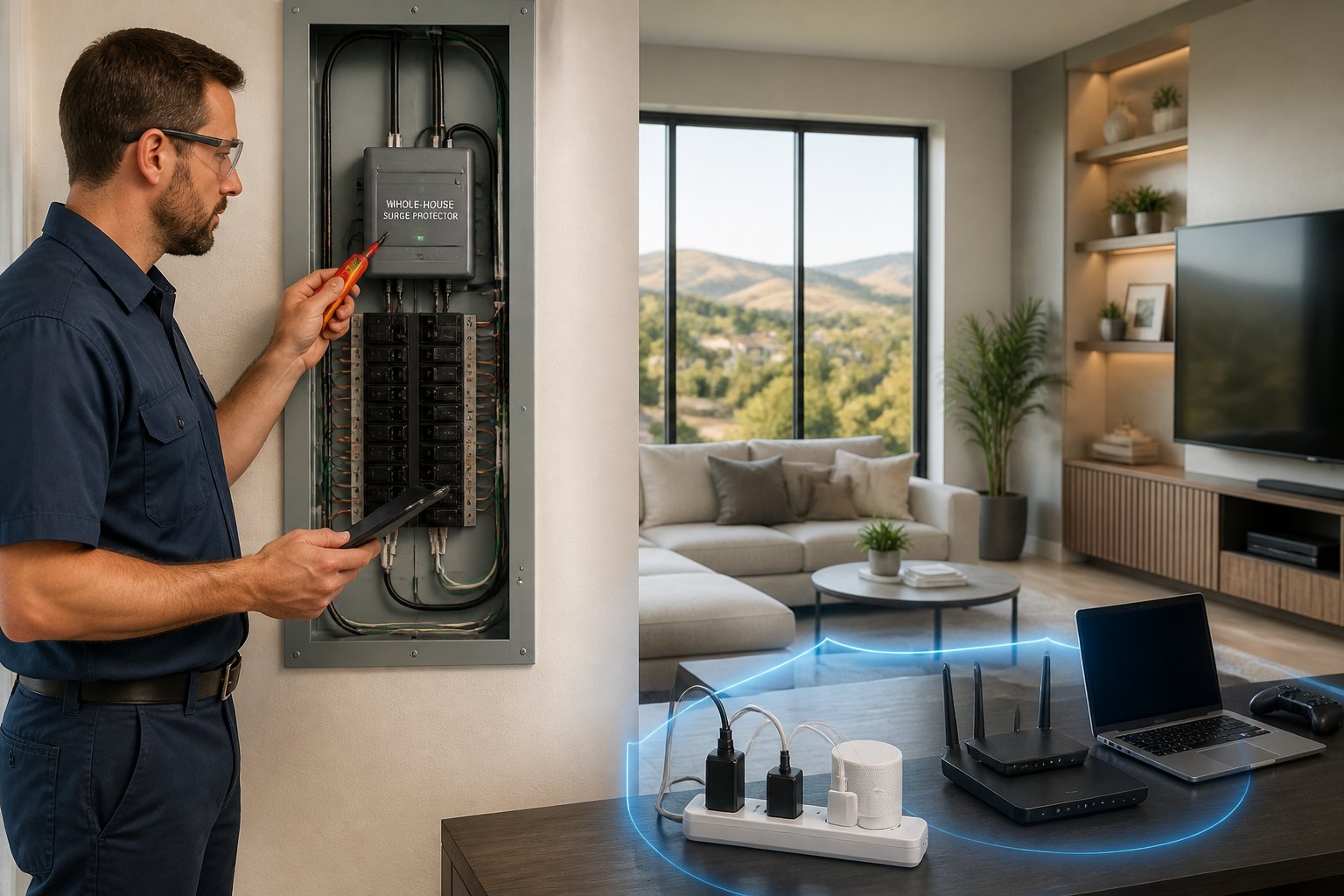
Whole-house surge protectors go at the main panel and send excess voltage safely to ground. You should still use surge strips for things like computers and home theaters. Licensed electricians check response time, joule rating, and grounding to make sure your setup actually works.
Local Electrical Risks
Lincoln and the Sacramento area get their share of stormy weather and the occasional lightning strike. Plus, grid switching or utility equipment failures can send a spike through your whole block. If your house has an old panel, aluminum wiring, or you’re always resetting breakers, your risk goes up.
A professional inspection catches things like weak grounding, loose neutrals, or outdated surge protection. Same-day service and well-stocked vans mean you don’t have to wait forever for repairs or upgrades.
Protecting Home and Business Electronics
Start at the main service panel with a certified whole-house surge protector that matches your panel and service size. Plug sensitive stuff—computers, routers, TVs—into surge-rated strips that have a clear joule rating and indicator lights. During a nasty storm, unplug the most sensitive gear if you can.
Get a licensed electrician to install and test everything. They’ll check grounding, wire size, and make sure panel and outlet-level devices play nice together. AAA Electrical Services offers same-day service, flat-rate pricing, and a safety-first approach—so you know what you’re getting and what you’ll pay.
Types of Surge Protectors
Surge protectors come in three main types, each covering a different part of your electrical system. Picking the right one (or combo) for your Lincoln home actually matters.
Whole-House Surge Protection
Whole-house surge protectors mount at your main panel or meter. They stop big surges—lightning, utility switching—before those surges hit your branch circuits and appliances.
A licensed electrician matches the protector’s specs to your panel and local grid. Install usually takes a few hours, unless your panel’s really old or crowded and needs an upgrade.
These work best when you add point-of-use devices. They cut the odds of a big surge wrecking your fridge, HVAC, or smart-home gear. For Lincoln, go for a model with solid certifications and a fast response time.
Plug-In Devices
Plug-in surge protectors go right into your outlets. They come as power strips, phone chargers, or single-outlet protectors. TVs, computers, printers—plug them in here.
They only protect what’s plugged in after them. Check the joule rating, clamping voltage, and the indicator light. If you get hit by a big surge or the light says it’s dead, replace it.
Plug-ins are cheap and easy. Use them for sensitive electronics, but don’t rely on them alone. Pair with a whole-house protector for real coverage. Skip the bargain-bin strips; go for ones rated for your gear.
Point-of-Use Solutions
Point-of-use solutions sit at specific spots—your entertainment center, office, or HVAC controls. These include hardwired surge arrestors for appliances and dedicated protection for cable, phone, and network lines.
They catch the smaller surges that sneak past the main panel or come in through data lines. An electrician can set up both whole-home and point-of-use units to cover all the bases. For big appliances, use hardwired or dedicated circuit protectors to avoid downtime.
Some point-of-use devices protect multiple lines (power, coax, Ethernet). Combine them with panel-mounted protection for a layered defense that actually works.
Choosing the Right Surge Protection System
Pick a system that fits how you use electricity, your wiring, and your risk from lightning or grid quirks. Focus on whole-house protection at the panel, then add extra protection for sensitive devices.
Assessing Your Property's Needs
List what you really need to protect—fridge, HVAC, computers, office gear, maybe medical devices. Don’t forget bigger loads like an EV charger or generator that can create their own surges.
Check your electrical panel’s age and service size (100A, 200A, etc.). If it’s old or has aluminum wiring, you might need upgrades first. A licensed electrician can test your surge risk and recommend the right protection class.
Think about location—if lightning’s common, construction’s nearby, or your utility lines are old, your risk is higher. Decide if you want monitoring or replaceable modules for easier service after a big hit.
Compatibility With Existing Electrical Systems
Match the surge protector to your home’s service and panel layout. For most U.S. homes (split-phase 120/240V), pick a device that’s rated for your voltage and amperage. Your electrician will check for space and grounding.
Make sure the protector fits in or next to the panel and that the grounding system is solid. Bad grounding means less protection and more nuisance tripping. If you’ve got a subpanel, you might need protection there too.
Ask if you need both whole-house protection at the main panel and point-of-use units for sensitive gear. This layered approach blocks big surges at the panel and filters smaller spikes at outlets.
Budget Considerations
Whole-house surge protectors cost more than a single strip, but they cover every circuit. Price depends on brand, joule rating, and how tricky the install is. Don’t forget possible panel upgrades or grounding fixes.
Balance cost with long-term value. Higher-rated units and replaceable modules last longer and can save you money if they keep you from replacing expensive appliances. Check warranties and response times.
If you want fast, local service and no surprise bills, look for a provider with flat-rate quotes and stocked vans for same-day installs. AAA Electrical Services offers upfront pricing and same-day service around Lincoln.
Professional Surge Protection Installation Process
Here’s what really happens when you get a whole-home surge protector installed. From inspection to testing, you’ll see what the pros actually do.
Site Inspection and Evaluation
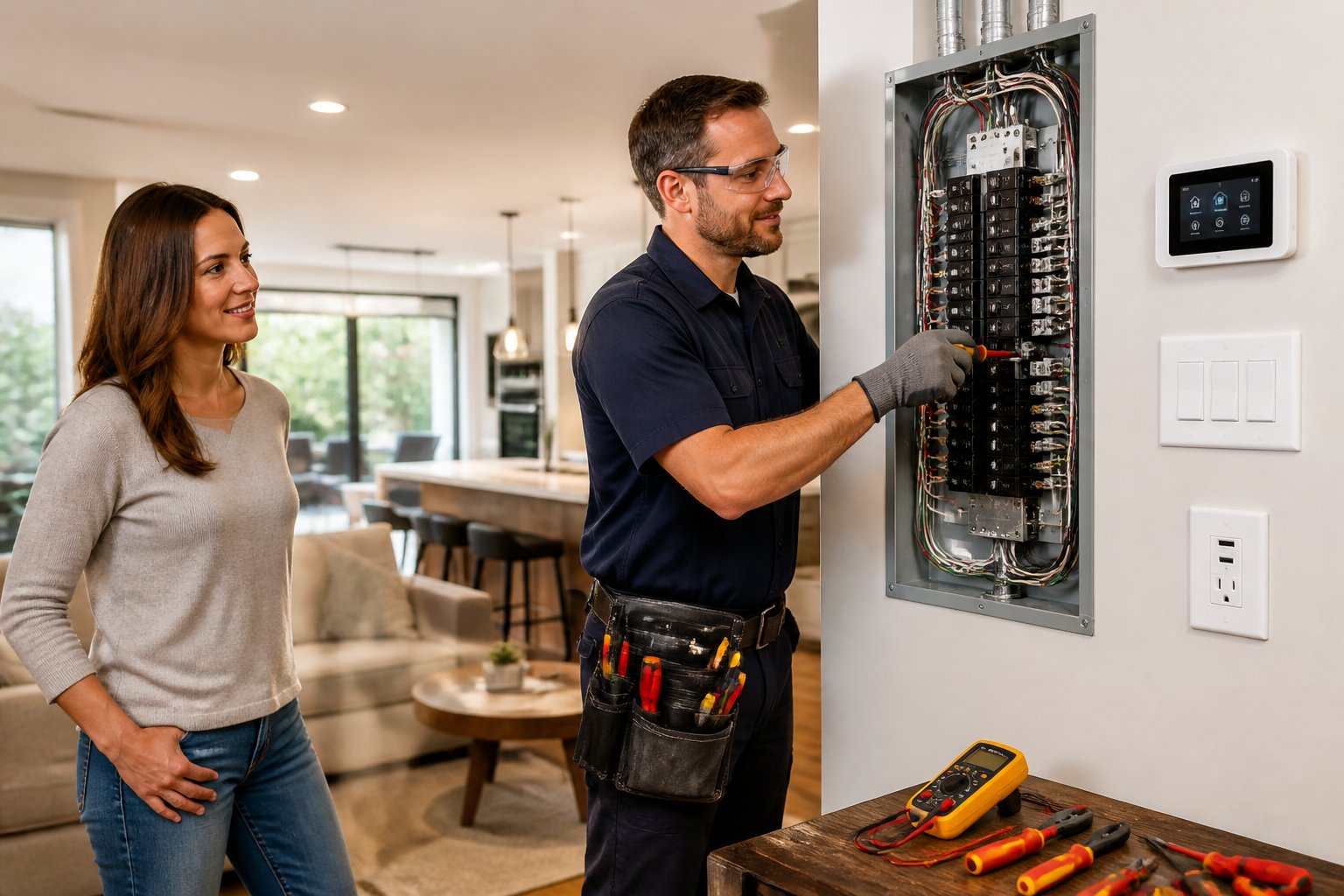
A technician starts with a look at your main panel and meter. They check panel age, space, service size, and grounding. You’ll find out if your panel needs upgrades or a dedicated surge connection.
They’ll ask what equipment you want protected—computers, TVs, HVAC, home office stuff. That helps them pick the right surge protector rating. The tech checks for code compliance and any wiring or mounting issues.
You’ll get a quick written estimate and a rundown of your options. If you go with AAA Electrical Services, they’ll explain flat-rate pricing, same-day options, and how upgrades or permits might affect cost. They’ll tell you how long the power will be off, too.
Installation Steps
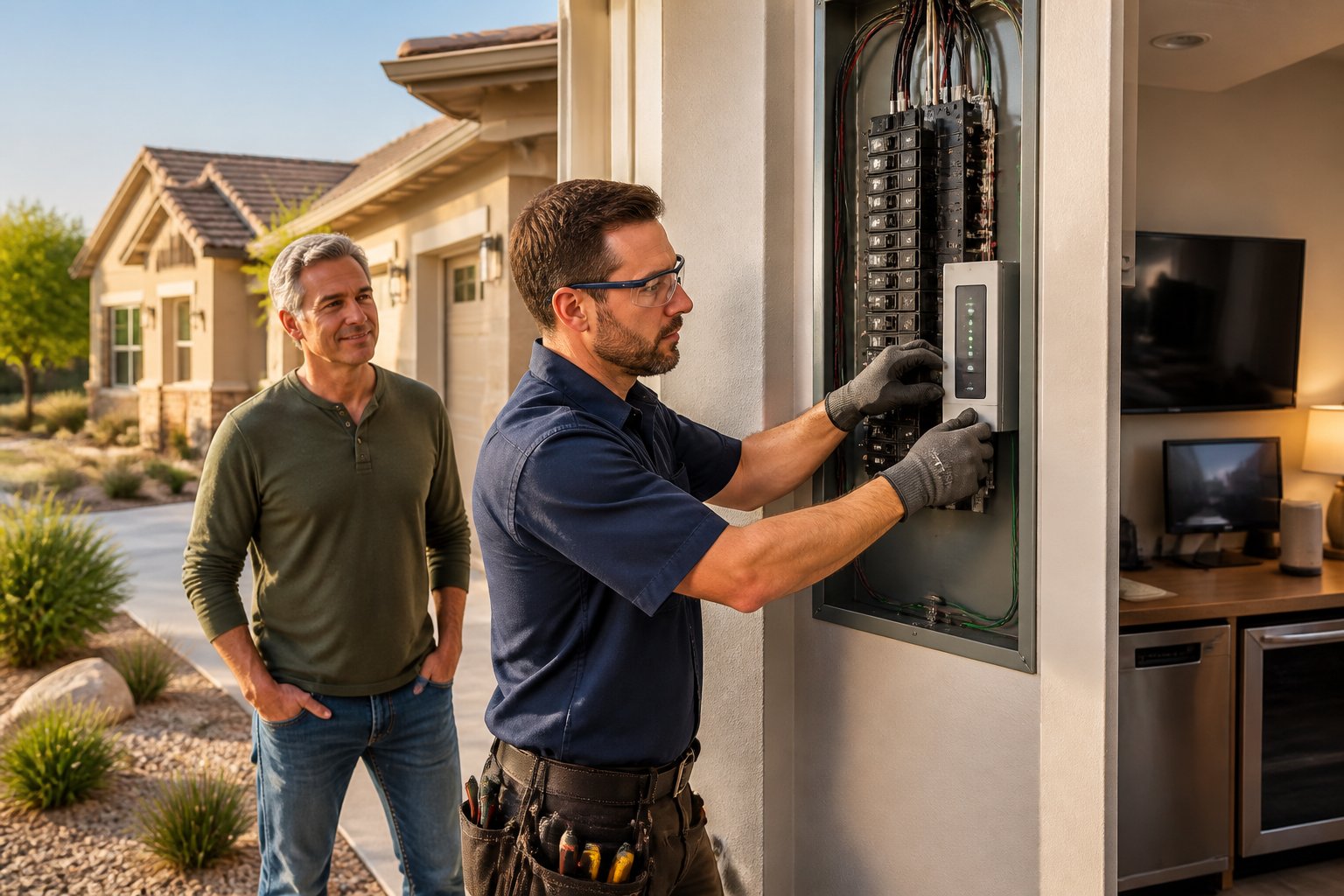
The crew shuts off the main breaker before starting. Safety gear and lockout/tagout keep things safe. Technicians mount the surge device near or inside the panel, depending on space and code.
They connect the protector’s leads to the service conductors or breaker and ground, following the device’s requirements. Installers keep wiring short and use the right gauge. If your panel’s too tight or outdated, they handle the panel upgrade or add a dedicated breaker.
They tidy up wires, label the device, and restore power. If AAA Electrical Services’ “warehouse on wheels” applies, they usually have the parts on hand and finish in one visit. They’ll leave your place clean, matching their “Clean Home Certified” promise.
Testing and Verification
After hooking up the device, the tech runs electrical tests to make sure everything’s working. They measure voltage, check grounding resistance, and test the surge protector’s response if possible. These checks make sure the protector will actually divert dangerous spikes.
You’ll see the panel labeling and get a copy of test results or a checklist. The electrician explains the readings and how the protector works during a surge. They’ll go over warranty registration and what to do if the indicator lights show a problem.
Ask any questions about maintenance, lifespan, or when to schedule the next inspection. You’ll know what to do next and can relax knowing licensed pros handled the install.
Benefits of Professional Surge Protection Installation
Getting a pro to install surge protection cuts fire and shock risk, shields your appliances and electronics, and helps with insurance or warranty claims.
Enhanced Electrical Safety
A pro puts surge protection at your main panel, blocking spikes from traveling through your home wiring. This keeps high voltage away from outlets, lights, and big appliances, lowering the risk of fire or wire damage.
Licensed techs follow local codes and check grounding to make sure everything works right. They use the right equipment and swap out worn parts, so you don’t get stuck with half-baked protection.
You’ll get safety checks and test readings on paper. That helps you and any future electrician spot problems early and prove maintenance if anyone asks.
Long-Term Equipment Protection
Whole-house surge protection guards your fridge, HVAC, TVs, computers, and smart-home gear from sudden voltage spikes. That means fewer repairs and less chance you’ll have to replace pricey stuff.
A pro matches the surge device to your panel and local surge risks—like lightning or grid switching. Good sizing and placement mean the unit diverts bad voltage before it hits your electronics.
Techs also add point-of-use protectors where it matters—say, your home office or entertainment center—for that extra layer of defense.
Insurance and Warranty Advantages
A lot of appliance warranties and insurance policies expect you to prevent electrical damage if you can. Having a pro install a surge protector can help your claim if you ever get hit.
You’ll get paperwork showing a certified device was installed. Insurers and warranty folks usually want that when you file a claim.
Using a licensed installer helps. Insurers and manufacturers like work done by certified professionals, which can make claims go smoother. If you go with AAA Electrical Services, their licensed, insured technicians provide the paperwork and standards most insurers want.
Surge Protection Maintenance and Upgrades
Test surge protectors regularly, swap out worn parts, and upgrade older equipment when your panel or appliances change. Staying on top of it keeps your home safer and your electronics in better shape.
Routine Inspections
Get a licensed electrician to check your whole-home surge protector every 1 to 3 years. They'll look at indicator lights, mounting, wiring, and the panel area for heat or corrosion.
If your protector has replaceable modules or fuses, the tech should test and swap them if needed. Point-of-use protectors (like power strips) don’t last forever either—replace those every few years.
Call sooner if you notice flickering lights, frequent tripped breakers, or if the indicator lights are off. Keep track of inspection dates and any parts replaced so you know when to schedule the next check.
Upgrading Outdated Systems
If your electrical panel is over 20 years old, think seriously about upgrading the panel and adding a modern whole-home surge protector. Newer protectors attach at the main panel and block big spikes before they reach your circuits and appliances.
It’s smart to upgrade when you add major appliances, install an EV charger, or set up solar—these changes bump up your home’s electrical load and make surge protection even more important.
Pick surge protectors rated for your panel voltage and peak surge current. A licensed, Nexstar-trained electrician can suggest models, explain flat-rate pricing, and usually install the device the same day with parts right on the van.
Troubleshooting Common Issues
If your surge protector’s indicator light is off, don’t trust that it’s working. Start by turning off the power and checking the connection at the panel. Not comfortable? Call a licensed tech.
Blown components, water damage, or lightning can wreck a surge protector even if it looks fine. Point-of-use strips fail too—test them by plugging in a device you know works, or use a simple outlet tester.
For quick, safe repairs, go with a certified electrician who offers same-day service and carries parts in the van. If you’re in Lincoln or nearby, mention your location to get faster help. AAA Electrical Services focuses on safety-first electrical work, done by licensed pros with transparent, flat-rate pricing.
Selecting a Qualified Electrician in Lincoln CA
Pick a pro who puts your family’s safety first, knows local codes, and offers clear pricing and quick service. Licensure, local experience, and real customer feedback matter most.
Credentials and Certifications
Look for a state electrician license and proof of insurance. A licensed tech meets California’s training and testing standards, and insurance protects you if anything goes wrong.
Certifications like Nexstar training or manufacturer badges for surge devices show the electrician is up to date on surge protection methods and product details.
Ask about background checks and warranties. Techs who are background-checked and offer a written warranty earn more trust and give you a clear fix if anything fails.
Local Experience
Choose someone who’s installed whole-home surge protection in Lincoln and nearby areas like Roseville or Sacramento. Local experience means they know the quirks of regional codes and typical home layouts.
Make sure they install surge protectors at the main panel and can coordinate with your existing setup or upgrades. Experience with panel work helps avoid headaches during installation.
Companies with same-day service and stocked vans can finish most jobs in one visit, saving you time and hassle.
Customer Reviews
Check recent reviews for mentions of surge protection, panel work, or fast arrivals. Look for comments about clear pricing, respectful techs, and whether the crew cleaned up.
Notice patterns: repeated praise for same-day service or flat-rate pricing is a good sign. Watch out for complaints about no-shows or unclear quotes.
If reviewers mention safety-first work and techs who explain the process, that’s a plus—good communication and a safety mindset matter.
Cost of Surge Protection Installation in Lincoln CA
Costs vary by protector type, your panel’s condition, and whether you need extra wiring or a panel upgrade. You’ll get clear pricing when a tech checks your home and explains what’s needed.
Factors That Affect Pricing
The type of surge protector matters. Whole-home units at your main panel cost more than basic point-of-use devices. The joule rating and response speed also affect the price.
Panel condition plays a role. If your panel is old, you might need a replacement or subpanel, which adds labor and permit costs. Tight spaces or tricky access can slow things down and bump up labor time.
Extra outlet or device protection, grounding upgrades, and permit fees all change the final estimate. If you want same-day service, a stocked van usually means fewer delays—sometimes there’s a small premium for the speed.
Typical Price Range
Most Lincoln homes see a standard whole-home surge protector install for about $200–$500, including parts and labor. Higher-end models, extra grounding, or panel upgrades can push it to $600–$1,200.
Flat-rate pricing keeps things predictable. Ask for a written estimate listing parts, labor, permits, and any discounts—like $35 off for new customers or a membership rate. Licensed techs should explain what you’re paying for and how protection helps avoid pricey appliance or electronics damage.
Common Myths About Surge Protection Installation
Some folks think a power strip protects everything. Nope. Whole-home surge protection at your panel blocks big spikes before they hit outlets and wiring.
Others believe surge protectors only stop lightning. Actually, they also guard against voltage spikes from the grid, big appliances, and equipment cycling on and off. These everyday surges cause most of the wear and tear.
You might hear that only new homes need surge protection. Not true. Older homes can benefit just as much, especially if you’ve got dated panels or expensive electronics. Upgrading your panel and adding protection reduces risk.
A lot of people think surge protection lasts forever. It doesn’t. Surge protectors wear out after absorbing hits. Have a licensed electrician inspect or replace them after big storms or every few years.
DIY installation? Maybe for a power strip, but not for a whole-home protector. Proper installation ties into the main panel and needs the right ratings and grounding. Safety-first work from licensed pros keeps your family and home safe.
If you want local help, AAA Electrical Services offers same-day service and flat-rate pricing in Lincoln and nearby areas. You get certified techs, stocked vans for fast fixes, and a focus on safety.
Next Steps to Secure Your Property
Start with a quick safety check of your main panel and outlets. Look for scorch marks, tripped breakers, or outlets that feel warm. Spot any of these? Stop using the circuit and call a pro.
Book a licensed electrical inspection to find weak spots and confirm grounding. An inspection helps you decide if a whole-house surge protector or panel upgrade fits your home. That step protects your appliances and your family.
Consider installing a whole-house surge protector at the panel and using point-of-use protectors for sensitive gear. This two-layer approach blocks big spikes and adds backup for things like computers and medical equipment. Ask about options that fit your home’s needs.
Pick a local, certified team that offers same-day service and stocked vans for faster repairs. Look for flat-rate pricing and clear communication so you know the cost up front. AAA Electrical Services provides safety-first work by licensed professionals with a family-safety-first approach.
Keep records of all inspections, installs, and warranties. Jot down dates, model numbers, and any tech notes. It’ll help with future service, insurance claims, and upgrade planning.
If you’re planning multiple projects, join a service membership or use the new-customer offer. Membership discounts and specials can trim long-term costs and make scheduling routine checks easier.
Frequently Asked Questions
Here are some quick answers about cost, benefits, DIY vs. pro work, picking a device, maintenance, and code concerns for surge protection in Lincoln, CA.
How much does it usually cost to install a whole-house surge protector?
Most installs land between $200 and $700, depending on your panel, the surge protector model, and any extra wiring needed.
If your panel needs upgrades or a dedicated space, expect costs at the higher end. AAA Electrical Services offers flat-rate, upfront pricing and can give you a firm quote.
What are the benefits of having a whole-house surge protector installed?
A whole-house unit protects all your circuits at the service panel, cutting the risk that lightning or utility surges will fry appliances and electronics.
It can save you money by avoiding repairs or replacements for your fridge, TVs, HVAC, and other major gear.
Can I install a surge protector by myself, or do I need a professional?
You really should hire a licensed electrician for whole-house surge protector installs. Working at the service panel is dangerous and can break local codes if you do it wrong.
A pro will make sure grounding, safe wiring, and placement are correct. Same-day service and stocked vans usually mean a fast, one-visit install.
What should I look for when choosing a surge protection device for my home?
Look for UL 1449 listing, a low clamping voltage, and a high surge current rating (in kiloamperes). Make sure it’s rated for your panel type and main service voltage.
Check if it has a visible or remote status indicator so you’ll know if it needs replacing. Ask about warranties and whether the installer tests it after installation.
How often should surge protectors be replaced or serviced?
Surge protectors wear out after big spikes; check them every year and after major storms. Lifespan is typically 3–10 years, depending on how many hits they take and the design.
Replace the unit if the indicator shows failure or if an electrician finds damaged components during inspection.
Are there any local regulations or codes in Lincoln I should be aware of before installing surge protection?
Lincoln sticks to California electrical code rules for service equipment, grounding, and permits, so your installation needs to meet those standards.
A good installer will grab the necessary permits and handle the job according to code. If you hire a licensed electrician, they’ll know the local quirks and can check grounding and bonding to keep everything compliant.